First things first, visceral fat is intra-abdominal or organ fat that surrounds the internal organs in the abdominal cavity—the liver, pancreas, and intestines.
It acts like a cushion and protects the organs, plus it is a source of stored energy. However, surplus visceral fat accumulation provokes different health risks and complications—type 2 diabetes, cardiovascular problems, metabolic syndrome, certain cancers, and liver disease.
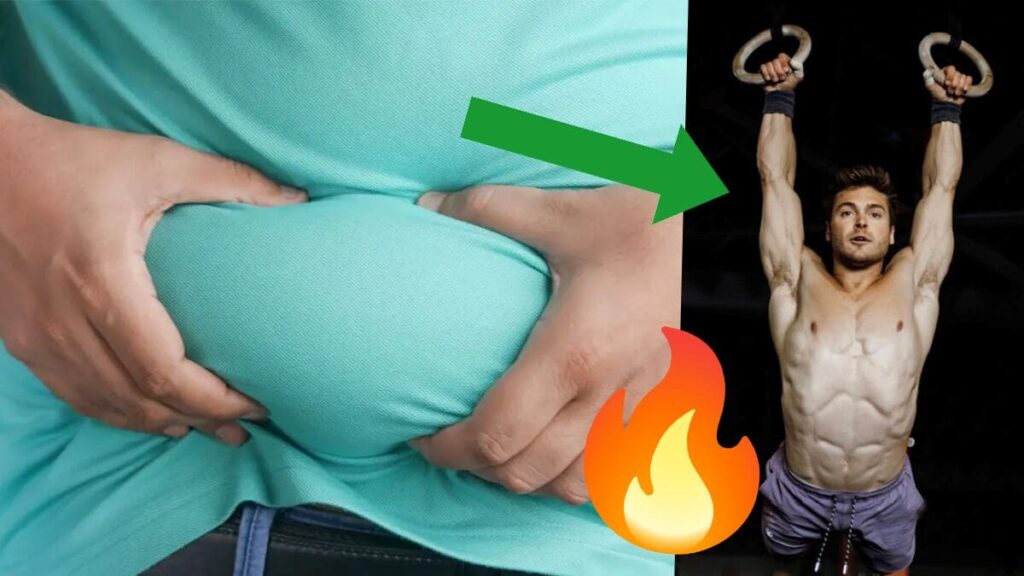
There are certain foods that will help to reduce visceral body fat, but never alone and always with other lifestyle changes. If you want to lose visceral body fat, caloric deficit is the key, but to do it properly – balance macronutrients. You will do that with eating metabolism-boosting, anti-inflammatory foods. Just scroll down to see the list.
What Kind of Food Should You Eat to Reduce Visceral Body Fat?
Through several mechanisms, a low-carb diet is super effective in reducing visceral body fat. Carbohydrates don’t directly cause visceral fat accumulation, but certain types and amounts can contribute to it! Let’s see how!
Carbs with high glycemic index (GI) – refined grains and sugars, cause rapid spikes in blood sugar levels. These spikes provoke a corresponding increase in insulin secretion, as high levels of it can promote visceral fat storage, especially when consumed in excess. Thus, by having a low-(processed)carb diet, insulin levels are kept lower, which prevents fat accumulation.
Processed carbs, similarly to white bread, white rice, and sugary snacks, contribute to overeating and visceral fat gain due to their low satiety and high-calorie density. When their intake is restricted, the body turns to fat stores for energy, leading to increased fat oxidation. This process helps reduce overall body fat, including visceral.
The keto diet, rich in proteins and fats but low in carbs, showed excellent results, as did the low-fat diet. Moreover, the Mediterranean diet is fabulous to follow as it is sustainable in the long run and based on whole foods.
Surplus carbohydrate consumption can lead to increased liver fat accumulation, popularly known as non-alcoholic fatty liver disease. Low-carb diets have shown benefits in reducing liver fat content. This is important as fatty liver and visceral fat are interconnected.
Visceral fat produces adipokines and cytokines – the substances that promote inflammation and insulin resistance, key factors for fatty liver disease development. When fat releases fatty acids into the bloodstream, they transfer into the liver to accumulate. This process results in fatty liver disease, and insulin resistance actually exacerbates it.
Excess visceral fat induces metabolic syndrome – a cluster of conditions including insulin resistance, high blood pressure, abnormal lipid profiles, and magnified waist circumference. This significantly escalates the risk of cardiovascular disease, type 2 diabetes, and other obesity-related health troubles.

A diet rich in soluble fiber is effective in reducing visceral body fat. It absorbs water in the digestive tract, composing a gel-like substance that inhibits digestion and promotes feelings of fullness. This, in fact, helps to prevent overeating and reduce calorie intake, which ends up in a visceral fat cutback.
Soluble fiber helps regulate blood sugar levels, as well, by slowing down the absorption into the bloodstream. This blocks blood sugar spikes and crashes that contribute to insulin resistance and visceral fat accumulation. A healthy gut microbiome reduces inflammations and boosts metabolic health, which supports visceral fat loss.
Those fibers act as prebiotics, nourishing the beneficial bacteria in the gut. What’s more, they lower LDL (bad) cholesterol levels by stimulating its excretion. High cholesterol levels cause visceral fat to pile up.
Omega-3 fatty acids soothe inflammations and improve insulin sensitivity, empowering cells to better respond to insulin signals to take up glucose from the bloodstream. Omegas increase fat oxidation, as well, meaning the body is more coherent at burning fat for energy and decreasing liver fat at the same time.
On the other note, omega-3s influence the expression of genes counted in fat metabolism and storage. By modulating those genes, omegas promote the breakdown of visceral fat stores. In conclusion, to prevent or lose visceral fat, choose ingredients packed with fiber – fruit and vegetables, legumes and beans, lean proteins, and healthy fats.
List of Foods that Will Help You Reduce Visceral Body Fat
Green Tea
Surprisingly or not, green tea has positive effects on visceral fat. It contains catechins, particularly epigallocatechin gallate (EGCG), with antioxidant and anti-inflammatory properties. They reduce inflammations in visceral fat tissue, contributing to fat loss.
Catechins also enhance metabolic rate and energy expenditure, which increases calorie burning and visceral fat loss. Green tea helps the rate of fat oxidation, as well as skyrocketing metabolism. It also prevents visceral fat accumulation while regulating appetite and promoting feelings of fullness.
Lean Proteins
Lean protein sources listed below reduce visceral fat when consumed regularly:
- chicken breast
- turkey
- lean cuts of beef – sirloin or tenderloin
- pork tenderloin
- fish – salmon, trout, tuna, tilapia
- shellfish – shrimp, crab, lobster
- tofu
- tempeh
- edamame
- low-fat dairy products – Greek yogurt, cottage cheese
- eggs – egg whites, especially
- legumes – lentils, chickpeas, black beans, kidney beans
- seitan
Now, let’s get to business!
Lean proteins have a higher thermic effect compared to carbs and fats, meaning they require more energy to digest and metabolize. This boosted thermogenesis contributes to the overall
calorie spending and, at the same time, visceral fat loss.
Adequate protein intake is vital for preserving lean muscle mass, especially during the weight loss process. Maintaining muscle mass is the chief way to sustain metabolic rate and promote visceral fat burning. Besides these mechanisms, lean proteins have a positive influence on insulin sensitivity, appetite regulation, and muscle protein synthesis, which all aid in reducing visceral fat in the end.
High-Fiber Foods
As noted above, high-fiber food, principally soluble fiber, is excellent for reducing visceral fat. Let’s see which ingredients are the best and why!
- Oats – particulary high in soluble fiber, mostly beta-glucan, which lowers cholesterol levels and improves blood sugar control.
- Barley – also contains beta-glucan and is extraordinary in soups, stews, salads, or as a side.
- Legumes – beans, lentils, chickpeas, and peas are rich sources of soluble fiber. You can use them in any dish – salads, stews, or soups.
- Fruits – some fruits contain more soluble fiber, particularly pectin, than others. Good options to add to your diet are apples, citruses, pears, and berries.
- Vegetables – enrich your diet with carrots, Brussels sprouts, sweet potatoes, broccoli, spinach, sweet corn, squash, as they support digestion and regulate blood sugar levels.
- Seeds—Chia and flaxseeds are packed with soluble fiber. Incorporate them into your smoothies, yogurt, oatmeal, or baked goods.
Healthy Fats
Monounsaturated fats lower the risk of visceral fat accumulation and improve metabolic health. The best sources are:
- avocados
- olive oil
- nuts – almonds, peanuts, cashews, walnuts
- seeds – pumpkin and sesame seeds
When speaking of omega-3 fatty acids, they act as anti-inflammatory and reduce fats. The best sources are:
- fatty fish – salmon, mackerel, sardines, trout, herring
- seeds – chia, sunflower, and flaxseeds (and flax oil)
- walnuts
Probiotic-Rich Foods
Probiotic-rich foods improve gut microbiota, reduce inflammation, regulate appetite, and improve insulin sensitivity. Add these ingredients to your diet:
- yogurt – with live and active cultures
- kefir
- fermented vegetables – sauerkraut, kimchi, pickles
- tempeh
- miso
- kombucha
- fermented soy products
Spices and Herbs
Herbs and spices are not magical solutions on their own, but they can support overall weight management, including the reduction of visceral fat. Here are the examples:
- cinnamon – balances blood sugar levels and enhances insulin sensitivity
- turmeric – has anti-inflammatory properties in visceral fat tissue
- ginger – has thermogenic properties by increasing calorie burning and fat oxidation
- cayenne pepper – skyrockets metabolism and fat-burning
- black pepper – enhances nutrient absorption and has thermogenic properties
- garlic – regulates lipid metabolism and reduces visceral fat piling
- cumin – improves insulin sensitivity and reduces body weight
- cardamom – reduces visceral fat with antioxidant and anti-inflammatory properties
What Else to Keep in Mind?
A change in diet won’t magically melt all the visceral fat in your body, but a balanced diet, along with some other lifestyle changes, will definitely give amazing results!
- Portion Size – be conscious of portion sizes to avoid overeating and calorie surplus. Listen to your body and follow the fullness cues.

- Hydratation – thirst can be mistaken for hunger, but staying hydrated help to prevent overeating. Aim for at least 8-10 cups of water per day – 1 glass first thing in the morning and 1 before bad is essential.
- Exercise – to reduce visceral fat, go for cardiovascular exercise – walking, running, or cycling, but combine it with strength training for the best results.
- Stress Management – chronic stress is a triggering factor for visceral fat build-up through hormonal imbalances. Practice stress-reducing methods, such as meditation, yoga, deep breathing exercises, or anything else you find relaxing.
- Sleep – 7-9 hours of good-quality sleep per night is the key. Poor sleeping habits can mess up hormonal balance and spark cravings for unhealthy foods.
- Intermittent Fasting – before starting intermittent fasting, consult with your healthcare professional. Research has shown superb results in visceral fat reduction when take turns between periods of eating and fasting.
- Patience – losing visceral fat takes two things – time and consistency. So, focus on making sustainable lifestyle changes rather than quick fixes and super restrictive diets.