If you are a beginner and want to become a pro, this is for you. Learn how to master the deep squat and what you can do to achieve this impressive depth when lowering your body and bending your knees.
The deep squat is more than just a fitness trend; it’s a fundamental movement deeply rooted in our history as humans. Once a natural posture for resting and essential daily activities, the ability to perform a deep squat has evolved into a marker of functional mobility and flexibility in our modern lives. The journey to achieving a comfortable and effective deep squat is not just about strength; it’s about embracing a progressive and patient approach to enhancing our body’s range of motion and capability.
Hampton Liu is the mind behind this way of going from beginner to pro on the deep squat. Hampton Liu is a renowned fitness enthusiast, coach, entrepreneur and has a YouTube channel titled Hybrid Calisthenics with nearly 4 million subscribers in which he shares his thoughts and tips to get people more active and fit in the long-term.
He emphasizes the importance of not feeling shame if you’re starting from scratch or find certain movements challenging. “Fitness and health are journeys, and we’re all at different places,” he notes, underscoring the individual nature of physical development. Liu’s approach to building up to a deep squat involves a series of progressive steps, each designed to safely enhance your mobility and strength at your own pace.
The deep squat’s utility spans beyond mere exercise; it’s a testament to our body’s potential for movement and functionality. Being able to squat deeply without assistance is a significant milestone in one’s fitness journey, indicative of balanced strength and flexibility. Liu’s methodical progression through various squat variations offers a roadmap for anyone looking to master this primal movement. “Even if you’re already very strong, these progressions can help you develop a full range of motion,” Liu explains, highlighting the versatility and inclusivity of his approach.
So let’s take a deeper dive into how to go from beginner to pro and master the deep squat with tips form Hampton Liu.
Related: How to Build Explosive Power for Weightlifting and Functional Fitness
From Beginner to Pro: Best Way to Master the Deep Squat
1. Resisted Lying Squat: Begin with the resisted lying squat to get accustomed to moving your legs through a comprehensive range of motion. Utilize resistance bands to add gentle tension, focusing on familiarizing your muscles with the squatting movement pattern.
2. Jackknife Squats: Transition to jackknife squats, using a step if necessary for additional support. This variation prepares your body for more upright squat forms, gradually building your leg strength and control.
3. Assisted Squat Variations: Utilize stable objects to perform assisted squats, gradually reducing arm support as your strength improves. This step focuses on transitioning the squatting motion from a supported to a more autonomous movement.
4. Chair Squats: Employ chair squats to bridge the gap between assisted squats and unassisted deep squats. Starting with a high chair and progressing to lower heights can help your body adapt to the deeper squatting posture.
5. Half and Full Squats: Progress to half squats and, eventually, full bodyweight squats. The aim is to develop the ability to perform a full squat without assistance, maintaining proper form and depth throughout the movement.

Common Challenges to Build Up to the Deep Squat
Mastering the deep squat is a journey filled with its own set of hurdles. Understanding these common challenges can provide insight and strategies for overcoming them, ensuring continuous progress towards achieving a proficient deep squat.
Heel Lift
A prevalent issue many encounter during the deep squat is heel lift, where the heels rise off the floor, compromising form and effectiveness. This often indicates limited ankle dorsiflexion or calf flexibility. To counter this, incorporate specific exercises like calf raises on a raised surface to enhance flexibility. Spending time in a deep squat position daily can also help improve ankle mobility, gradually allowing the heels to remain flat on the ground.
Hip Tightness
Tight hip flexors and limited hip mobility can hinder the depth and form of your squat. Incorporate dynamic stretches and hip mobility exercises into your routine to increase hip flexibility. Exercises like leg swings, hip circles, and lunges can progressively enhance hip mobility, facilitating a deeper and more comfortable squat position.
Lower Back Roundness
Another common challenge is maintaining a neutral spine during the squat, particularly at greater depths. If the lower back rounds excessively, it can lead to discomfort and reduce the effectiveness of the squat. Strengthening the core and lower back muscles, alongside practicing proper squat form with bodyweight or light resistance, can help maintain a neutral spine. Pilates and yoga are excellent for building core strength and awareness, which are crucial for a good squat posture.
Knee Stability
Knee wobble or instability during the squat can be a sign of weak quadriceps, glutes, or hip abductors. Incorporating exercises that target these areas, such as lateral band walks, clamshells, and Bulgarian split squats, can enhance knee stability. Ensuring proper knee alignment over the toes during the squat is also essential to prevent strain and promote joint health.
Read More: Leg Press vs Squats For Lower Body Gains – Which is Best?
Building Strength Progressively
For some, the challenge lies in building the necessary strength to perform a deep squat. Starting with modifications like chair squats or assisted squats can help build strength gradually. Consistency is key, as is listening to your body to avoid overexertion. Gradually increasing squat depth and intensity over time allows for strength development without risking injury.
Psychological Barriers
The mental aspect of squatting deeply, particularly fears related to balance or injury, can be significant. Building confidence through gradual progression and consistent practice is vital. Visualization techniques and positive reinforcement can also play a crucial role in overcoming mental blocks associated with deep squatting.
By understanding and addressing these common challenges, individuals can adopt a more informed and structured approach to mastering the deep squat. Tailoring strategies to individual needs and limitations ensures a more effective and enjoyable journey towards achieving this fundamental movement milestone.
Achieving a deep squat is a testament to your dedication to enhancing bodily function and embracing a comprehensive fitness journey. The deep squat embodies functional mobility, connecting us with our ancestral roots where this posture was a daily necessity. This journey is as much about rekindling our body’s innate capabilities as it is about building strength and flexibility.
The Ultimate Kettlebell Leg Workout to Build Muscle and Endurance
Being able to do deep squats equips you with more than just physical benefits; it fosters a sense of achievement and progress. Each stage in the progression towards a deeper squat mirrors an advancement in your personal fitness narrative, offering a tangible measure of your evolving capabilities. Whether you’re aiming to improve your athletic performance, enhance your daily functional mobility, or simply engage more profoundly with your fitness regimen, mastering the deep squat can be a pivotal milestone.
Moreover, the deep squat challenges and extends your body’s range of motion, promoting a holistic approach to fitness that transcends mere muscle building. It encourages a harmony between strength, flexibility, and balance, facilitating a comprehensive enhancement of your physical well-being. As you delve deeper into your squat practice, you’ll likely discover improvements in other areas of your fitness, from enhanced core strength to better balance and coordination.
In conclusion, the journey to mastering the deep squat is a rich and rewarding endeavour that offers a multitude of benefits, both physical and mental. It’s a process that underscores the importance of patience, consistency, and a keen awareness of one’s own body. By embracing the challenges and celebrating the milestones along this path, you not only achieve a significant fitness goal but also pay homage to a fundamental human movement, reinforcing the connection between fitness and our shared human heritage.
Watch the video below from Hampton Liu for more information and visual cues on how to progress and become a master of the deep squat.
How to Get Massive Legs Without Training to Failure
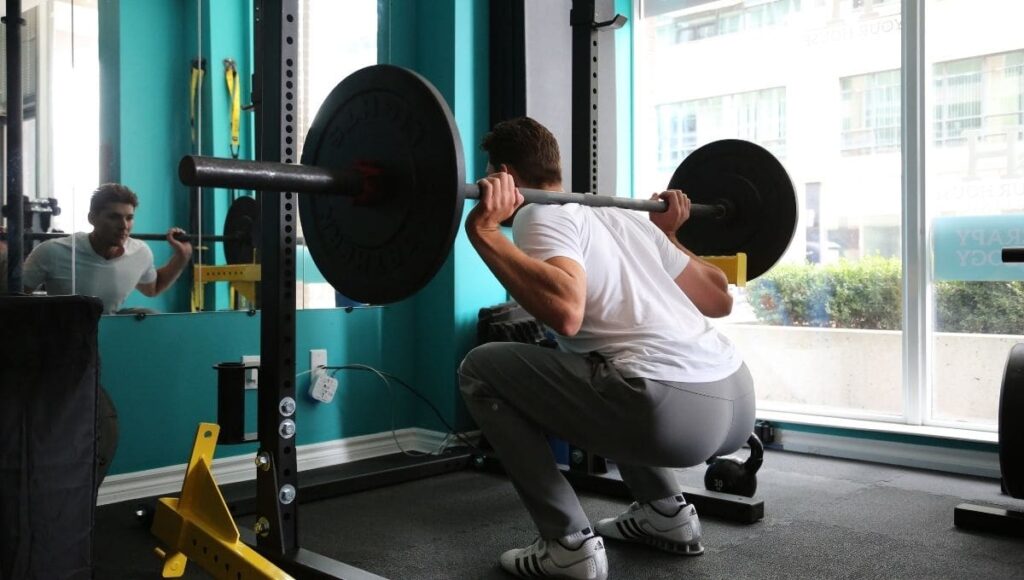
Deep squats offer a multitude of benefits, impacting various aspects of physical fitness and overall health. Here’s a detailed look at the advantages of incorporating deep squats into your exercise routine:
- Enhanced Lower Body Strength: Deep squats target a wide range of lower body muscles, including the quadriceps, hamstrings, gluteal muscles, and calves. By engaging these muscles more fully compared to shallower squats, deep squats help develop greater lower body strength.
- Improved Flexibility and Mobility: Performing deep squats regularly can increase the flexibility and range of motion in the hips, ankles, and knees. This enhanced mobility is beneficial not just for athletic performance but also for daily activities, reducing the risk of injuries.
- Better Core Stability: Deep squats engage the core muscles, including the abdominals and the lower back. This engagement is crucial for maintaining balance and stability during the squat and translates into better core strength and stability in other physical activities and sports.
- Increased Functional Fitness: The deep squat is a functional movement that mimics many natural daily activities, like picking up items from the ground. By improving your ability to perform deep squats, you enhance your capability to perform a variety of daily tasks more efficiently and safely.
- Boosted Athletic Performance: For athletes, deep squats can lead to improvements in jumping, sprinting, and overall athletic performance. The strength, power, and flexibility gained from deep squatting are transferable to a range of sports and physical activities.
- Improved Joint Health: When performed correctly, deep squats can help promote joint health by increasing synovial fluid circulation, which lubricates the joints. This can contribute to reduced pain and improved function in the knees, hips, and ankles.
- Enhanced Posterior Chain Activation: Deep squats provide significant activation of the muscles in the posterior chain, including the glutes and hamstrings, which are often underutilized in everyday activities and other forms of exercise.
- Calorie Burning and Fat Loss: Like any resistance training exercise, deep squats can help burn calories and contribute to fat loss. They are a high-intensity exercise that engages multiple large muscle groups, increasing the overall metabolic rate.
- Balance and Coordination: The deep squat requires and develops balance and coordination, as maintaining stability during the movement is essential, especially when performed with weights.
- Bone Density: Weight-bearing exercises like deep squats can stimulate bone growth and help prevent osteoporosis, particularly beneficial as one ages.
Incorporating deep squats into your fitness regimen can yield these comprehensive benefits, contributing to improved physical health, enhanced athletic performance, and better quality of life through improved functional fitness.
Check out more content from BOXROX:
How to Make Muscle Gains At Every Level
How to Burn Fat Without Losing Muscle
7 Testosterone-Boosting Exercises You Should Add To Your Training
Best Exercises to Live Longer and Healthier
How to Increase Your Metabolism