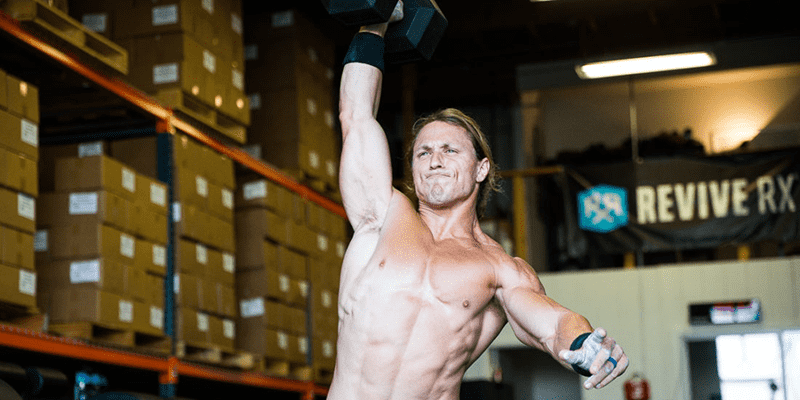
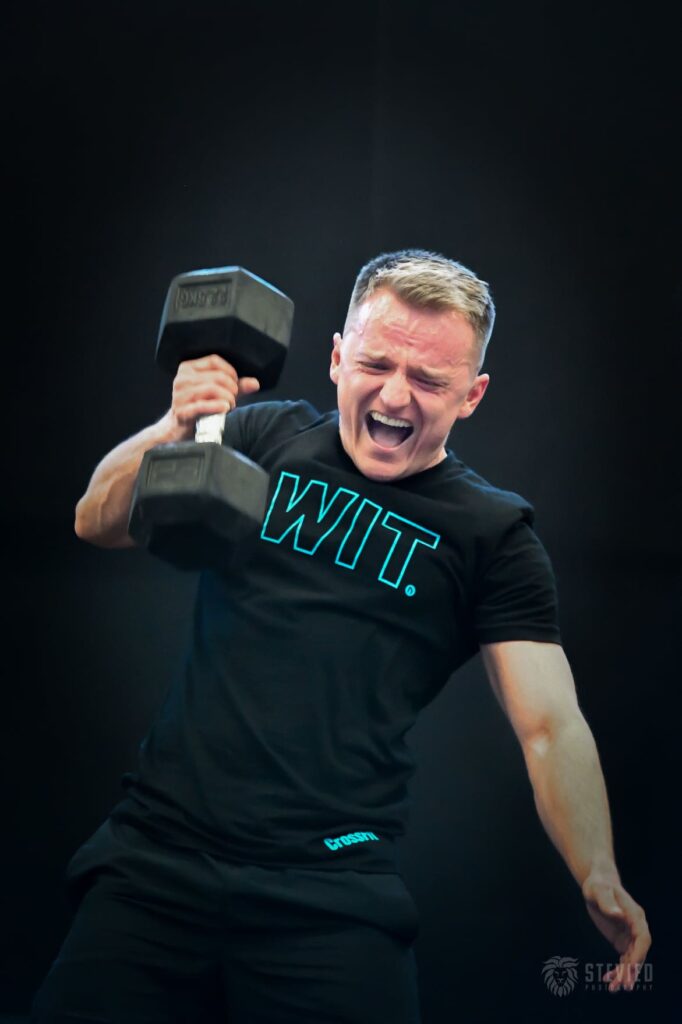
Check out this full body workout you can do at home using only dumbbells. So if you got a pair of dumbbells at home (or better yet, more than a couple of them with different weights) try out this workout 2 or 3 times a week to see an overall fitness improvement.
In today’s workout regime, we embark on an engaging journey through a superset that ingeniously pairs non-conflicting muscle groups to enhance efficiency and save time. With a meticulously structured plan involving 27 sets, this routine promises a robust challenge, ensuring that by its conclusion, you’ll feel thoroughly invigorated.
And who came up with this full body home workout using dumbbells only? Daniel Vadnal is an international calisthenic expert with decades of experience. In his YouTube channel titled FitnessFAQs, he talks mostly about bodyweight exercises, but also bodybuilding, and usually he has experts in the fitness industry to talk about anything and everything.
Let’s delve into the intricacies of each exercise, understanding their significance and mastering the techniques to maximise gains and ensure a balanced, effective workout.
Full Body Home Workout Using Dumbbells Only
If you don’t want to waste too much time reading, here is a quick rundown of the exercises that encompass Daniel’s workout:
- A1 – Overhead press – 3 sets of 8-15 reps on each side
- A2 – Split squat – 3 sets of 10-20 reps on each side
- B1 – Single-arm row – 3 sets of 10-15 reps on each side
- B2 – Push-ups – 3 sets of 10-20 reps
- C1 – Pullovers – 3 sets of 8-15 reps
- C2 – Ab crunch – 3 sets of 10-20 reps
- D1 Romanian Deadlift – 3 sets of 8-15 reps
Rest 1 minute between unilateral exercises (exercises A1, A2, and B1) and 2 minutes between supersets.
You can watch Daniel Vadna’s video regarding his full body home workout using only dumbbells in the video on this link.
Embracing the Power of Dumbbell Overhead Press
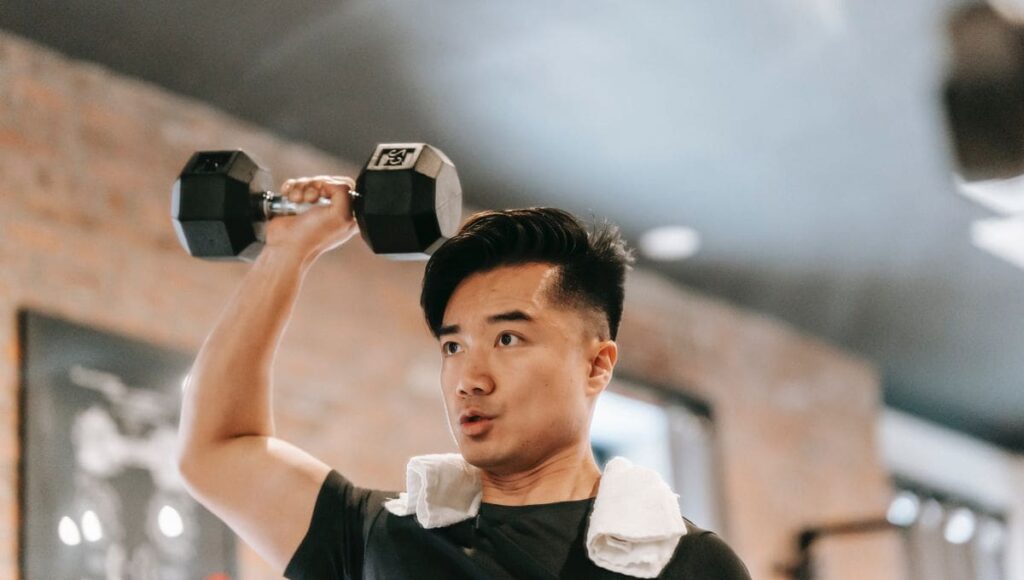
The dumbbell overhead press stands as a cornerstone exercise for upper body development, specifically targeting the anterior deltoids. This exercise is not merely about lifting weights overhead; it’s about mastering the technique to foster shoulder strength and stability. By maintaining an elbow position aligned with the scapular plane, commonly referred to as a 45-degree angle or ‘tucked’ position, you ensure that the movement complements the natural motion of your shoulder joints.
As you press the dumbbells overhead, the journey doesn’t end when your arms are merely extended. Achieving full elbow extension and a slight shoulder shrug at the peak of the movement ensures maximal muscle engagement and strength development. It’s crucial to perceive the overhead press as a strictly vertical movement, avoiding any forward lean or sway, to concentrate the effort squarely on your deltoids.
Read This After: 5 Dumbbell Shoulder Exercises to Target All Shoulder Muscles
The Efficacy of Split Squats and Single Arm Rows
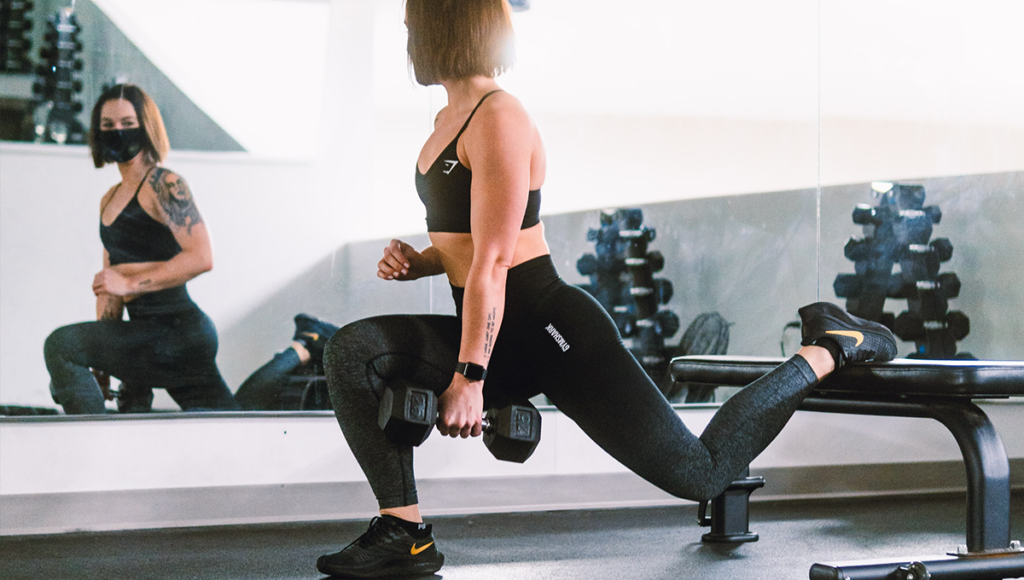
Venturing into the realm of lower body exercises, split squats emerge as a potent tool for unilateral training, amplifying intensity and focusing on individual leg strength. The versatility of this exercise allows for a focus on different muscle groups: a wider stance targets the posterior chain, enhancing glute and hamstring development, while a narrower stance with an inclined shin angle shifts the emphasis to the quadriceps.
Transitioning to upper body pulling movements, the single arm row is a superb exercise to cultivate back strength and improve muscular balance. By supporting your body with one arm, you not only increase stability but also allow for a concentrated effort on each side, promoting symmetry and reducing imbalances. The key here is to maintain strict form, focusing on a controlled tempo and avoiding any momentum that could detract from the targeted muscle engagement.
Read Also: Barbell Bench Press vs Dumbbell Bench Press – Which is Better?
Push-Ups, Pullovers, and Romanian Deadlifts: A Symphony of Strength
Push-ups, a quintessential bodyweight exercise, are transformed with the incorporation of dumbbells, enhancing their range of motion and effectiveness. The positioning of the dumbbells can be adjusted to target different muscle groups, with a closer grip focusing on the triceps and a wider placement emphasising the chest. This variation not only increases muscle activation but also offers a more joint-friendly grip.
Dumbbell pullovers introduce a unique challenge, engaging the lats while also involving the chest and triceps. The focus here is on maintaining a controlled motion, with elbows tucked to safeguard the shoulders and directing the effort towards the muscles rather than the joints.
Concluding the workout with Romanian deadlifts, we emphasise hip hinge mechanics, a fundamental movement pattern essential for both daily activities and athletic performance. This exercise is a testament to the effectiveness of simplicity, where proper execution can lead to profound strength gains in the posterior chain.
This workout is a comprehensive routine designed not just to challenge your body but also to enhance your understanding and execution of each exercise. By focusing on technique, alignment, and proper muscle engagement, you’re not just going through the motions; you’re investing in a sustainable, progressive training approach that promises significant gains in strength, balance, and overall fitness. Embrace this journey with enthusiasm and commitment, and the results will undoubtedly be rewarding.
Read More: The Best Home Chest Dumbbell Workout
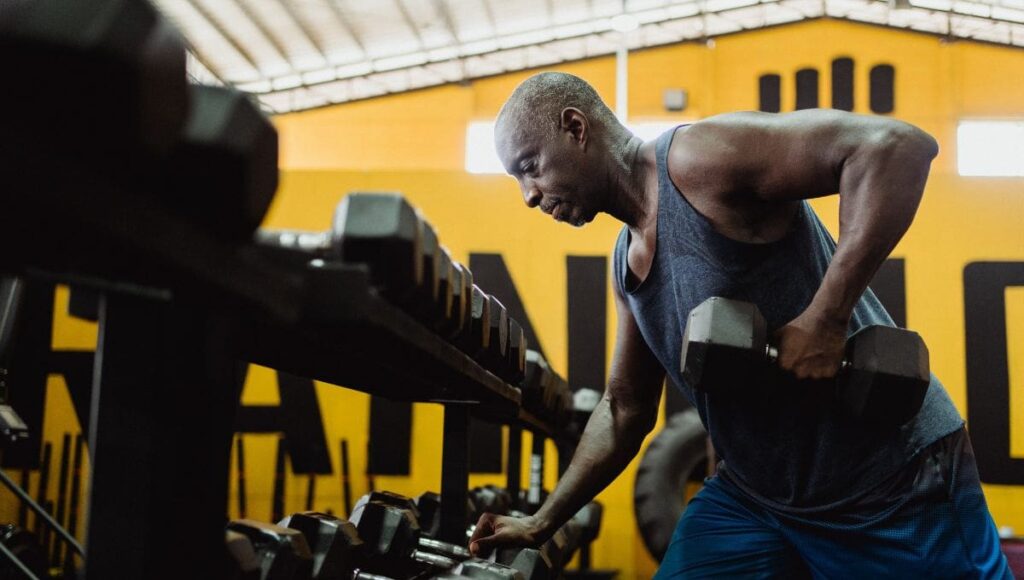
Pros of Training With Dumbbells
Training with dumbbells offers a multitude of benefits that can significantly enhance one’s physical fitness and overall well-being. One of the primary advantages is the promotion of muscle balance and coordination. Unlike machines or barbells, dumbbells require each side of the body to work independently, which can help in identifying and correcting any imbalances in muscle strength. This aspect is crucial for functional fitness, as it ensures that both sides of the body develop evenly, reducing the risk of injuries and improving overall body symmetry.
Another significant benefit of dumbbell exercises is the enhancement of joint health and stability. Dumbbells allow for a more natural range of motion compared to machines or even barbells, enabling the joints to move freely and strengthen the surrounding muscles in a more holistic manner. This freedom of movement is particularly beneficial for the shoulders, elbows, and wrists, which can be prone to injuries if not exercised properly. By engaging these areas in a controlled and comprehensive way, individuals can build stronger, more resilient joints.
Dumbbells also offer versatility and convenience that is hard to match with other types of training equipment. They come in various weights, which makes them suitable for a wide array of exercises targeting different muscle groups. Whether it’s a home workout or a session at the gym, dumbbells can be easily incorporated into a fitness routine, offering a practical solution for those seeking to improve their strength, endurance, or muscle tone without needing a lot of space or specialized equipment.
Lastly, dumbbell training can significantly enhance proprioception and motor skills. This is the body’s ability to sense movement, action, and location, and is essential for coordinating complex movements. By performing exercises that require balance and precision, individuals can improve their body awareness, which is beneficial for all types of physical activities. Whether for sports performance, daily tasks, or injury prevention, the improved proprioception from dumbbell training can provide a substantial boost to one’s quality of life and physical capabilities.
Read More: The Only 5 Dumbbell Exercises to Build an Incredible Body
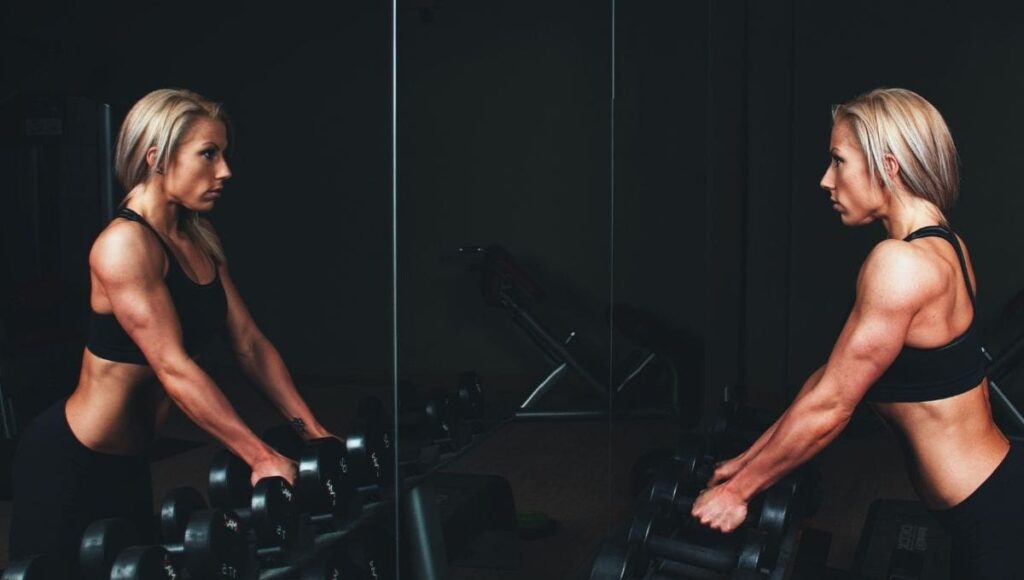
Drawbacks of Training Using Only Dumbbells
While training with dumbbells offers numerous benefits, relying solely on them can present certain limitations. One notable shortcoming is the potential for limited weight progression. Dumbbells, particularly in home settings, often have a maximum weight limit. Once an individual reaches this limit, further progression can become challenging without access to heavier weights. This can lead to a plateau in strength and muscle gains, as progressive overload is a crucial component of fitness advancements. For those seeking substantial increases in strength or muscle mass, the finite weight range of dumbbells might not suffice, especially for lower body exercises like squats or deadlifts, where much heavier weights are often necessary for significant progress.
Another drawback is the limited scope of exercises that can be effectively performed with dumbbells alone. While they allow for a wide range of movements, certain muscle groups, such as the back or legs, may not be as effectively targeted with dumbbells as they are with machines or barbells. Exercises like heavy squats, leg presses, or rowing movements can be more challenging to execute with the same level of intensity and safety using only dumbbells. This can lead to imbalances or inadequate stimulation of these larger muscle groups, potentially hindering overall muscular development and functional strength.
Furthermore, the use of dumbbells requires a certain level of skill and awareness to maintain proper form and avoid injuries. Unlike machines, which often guide the movement pattern, dumbbells demand a higher degree of control and stability. This can be particularly challenging for beginners who are still learning the correct techniques and may not have developed the necessary muscle control. Incorrect form or overreaching with weights that are too heavy can easily lead to strains or other injuries, underscoring the importance of balanced and varied training modalities to ensure comprehensive and safe fitness development.
Read More: How to Make the Biggest Visual Change To Your Body Quickly