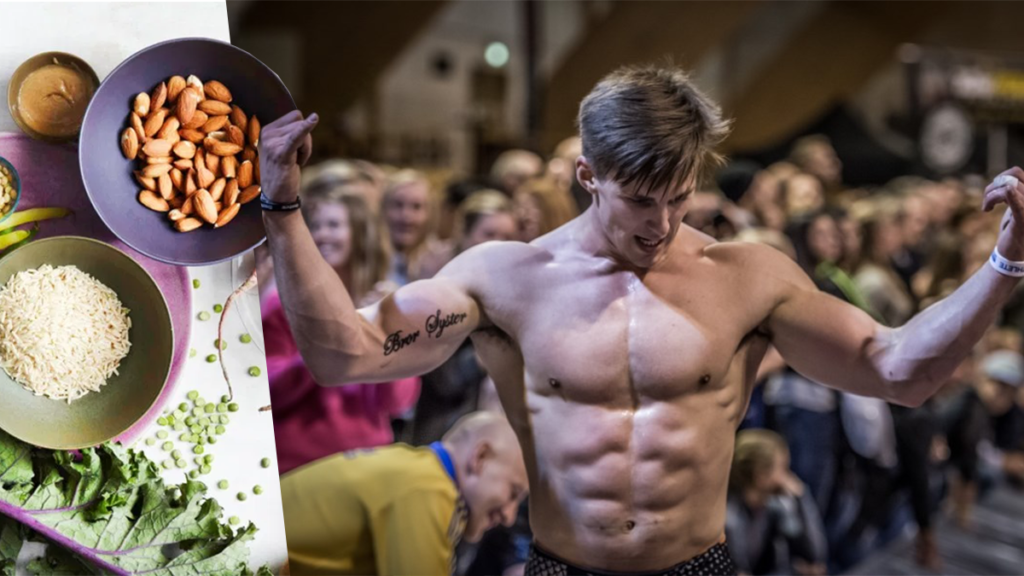
When it comes to getting toned, some people will say that you need to lift at a certain rep range—maybe lighter weights for more reps. Some people might say that you need to be doing more cardio to get toned. Others are going to insist that you have to eat like your personal trainer at your local gym, mimicking their every dietary choice. But the reality is this: on your body, you have fat, and you have muscle.
Now, some people will be like, “Yeah, you’re going to turn your fat into muscle.” Nope. That is adipose tissue, which stores energy for later use, and then there are fibres that shorten under contraction to create locomotion. They are not the same. Most people have too much fat and not enough muscle. So, we get them in the gym, lifting, training weights, eating protein, and we put them in a calorie deficit. In the end, they may end up looking toned. Some people have a good amount of muscle, but it’s covered in quite a lot of fat.
But if you can reduce the amount of fat you have while preserving muscle—sensible deficit, high-protein diet, training really, really hard, and genetics—people like to call this thing “toned.” So next time you’re in the mirror and you get your shirt off, ask yourself: Do I have muscle? If not, start building it. Next, ask yourself if that muscle is covered in fat. If it is, maybe put yourself into a caloric deficit.

The information for this article is largely based on a video shared by James Smith. James Smith is a prominent fitness influencer, YouTuber, and personal trainer who has made a significant impact in the fitness industry with his no-nonsense approach to fitness and strength training. Known for his candid and often humorous style, James Smith has amassed a large following by cutting through the misinformation that plagues the fitness world and delivering straightforward, science-backed advice
Read Also: 7 Ways to Look More Muscular
The Science Behind Muscle and Fat
Understanding the science behind muscle and fat is essential for debunking the myths around getting toned. Fat and muscle are fundamentally different types of tissue in the body. Adipose tissue, or fat, is primarily used by the body to store energy for future use. It acts as a reserve that the body can draw upon when it needs more energy than is immediately available from food intake. This storage capability is vital for survival, especially in times of food scarcity. However, in modern society, where food is often abundant, excess fat storage can become an issue, leading to obesity and related health problems.
Muscle tissue, on the other hand, is composed of fibres that contract to produce movement. Muscles enable all forms of physical activity and are crucial for maintaining posture and stability. Muscle fibres respond to resistance training by growing larger and stronger—a process known as hypertrophy. This growth occurs because the muscles repair tiny tears that happen during intense exercise, which causes the muscle fibres to increase in size and strength.
One common misconception is the idea that fat can be transformed into muscle. This is biologically impossible. Fat and muscle are different tissues with distinct functions and structures. To look “toned,” you need to reduce the layer of fat covering your muscles, making the muscles more visible. This is achieved through a combination of losing fat and gaining muscle. Simply lifting lighter weights for more repetitions or doing excessive cardio will not magically turn fat into muscle. Instead, a structured approach that includes both resistance training to build muscle and a caloric deficit to lose fat is necessary.
How Little Can You Do and Still Grow Muscle?
Most people aiming to get toned often have too much fat and not enough muscle. Therefore, a comprehensive fitness plan should involve regular weight training to increase muscle mass, a high-protein diet to support muscle repair and growth, and a sensible caloric deficit to promote fat loss. Additionally, genetics play a role in how and where your body stores fat and builds muscle, which can affect how quickly or easily you achieve a toned appearance.
Getting Toned is a Waste of Time
Steps to Achieve a Strong-Looking Body
- Reduce Body Fat:
- Calorie Deficit: The most effective way to reduce body fat is to create a calorie deficit, where you consume fewer calories than you burn. This forces the body to use stored fat for energy.
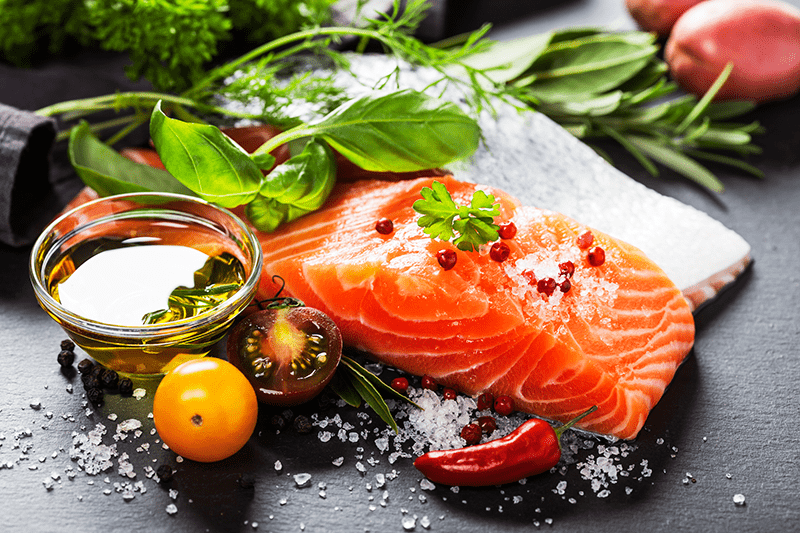
- High Protein Diet: Eating a diet high in protein helps preserve muscle mass while in a calorie deficit. Protein is essential for muscle repair and growth.
- Increase Muscle Mass:
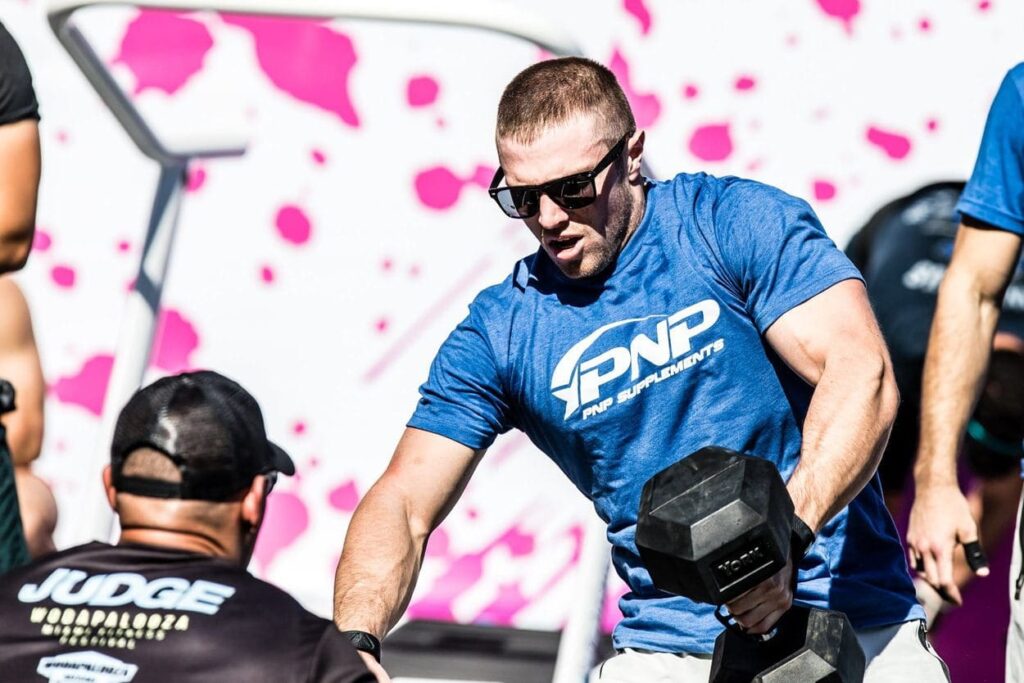
- Strength Training: Engage in regular strength training exercises that target all major muscle groups. Lifting weights or using resistance bands can stimulate muscle growth.
- Progressive Overload: Gradually increase the weight or resistance to continue challenging your muscles and promote growth.
Cardio vs. Strength Training
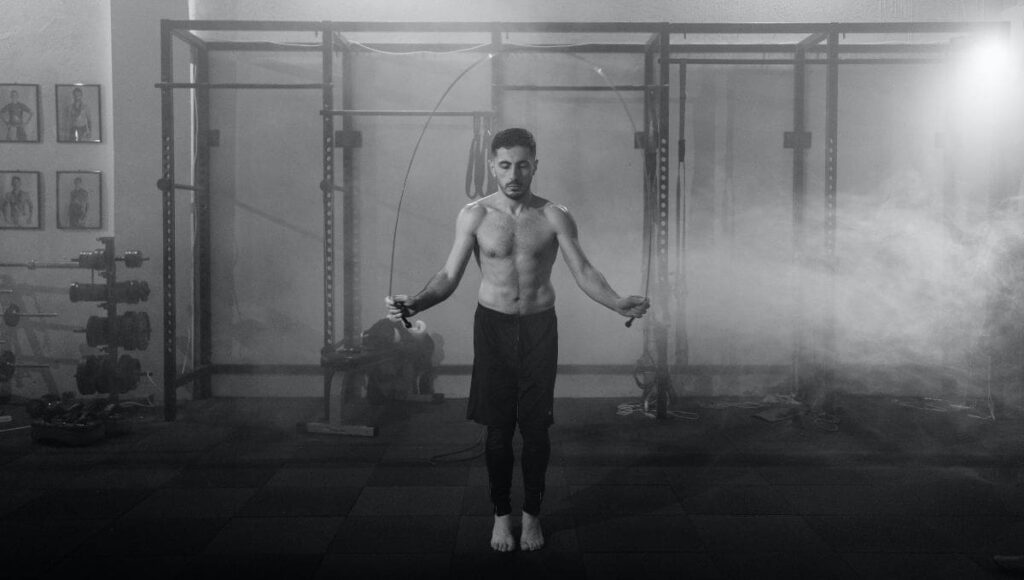
Cardio: While cardiovascular exercise is beneficial for overall health and can aid in fat loss, it is not the primary driver of muscle growth. It helps in creating a calorie deficit but should be balanced with strength training.
Strength Training: This is critical for building muscle and achieving a muscular appearance. Strength training exercises should be the foundation of your workout routine, complemented by cardio for optimal results.
Cardio vs Weights: Which is Better for Fat Loss?
Evaluating Your Progress
When evaluating your progress, consider the following:
- Muscle Mass: Assess if you have enough muscle mass. If not, focus on building muscle through strength training and proper nutrition.
- Body Fat: Check if your muscle is covered by a significant amount of fat. If so, implement a calorie deficit to reduce fat while maintaining muscle mass.
Long-Term Maintenance
Consistent Routine: Your exercise regime should remain consistent whether you aim to build muscle or lose fat. The key difference lies in your caloric intake:
- Increase Calories: To build muscle, consume a slight caloric surplus with adequate protein.
- Decrease Calories: To lose fat, create a caloric deficit while maintaining high protein intake to preserve muscle.

Achieving a “toned body” is about balancing muscle gain and fat loss. Focus on strength training to build muscle, maintain a high-protein diet, and adjust your caloric intake based on your goals. By understanding the distinct roles of fat and muscle, and following a structured plan, you can effectively work towards a healthy physique.
Read More: 10 Proven Ways To Speed Up Fat Burning