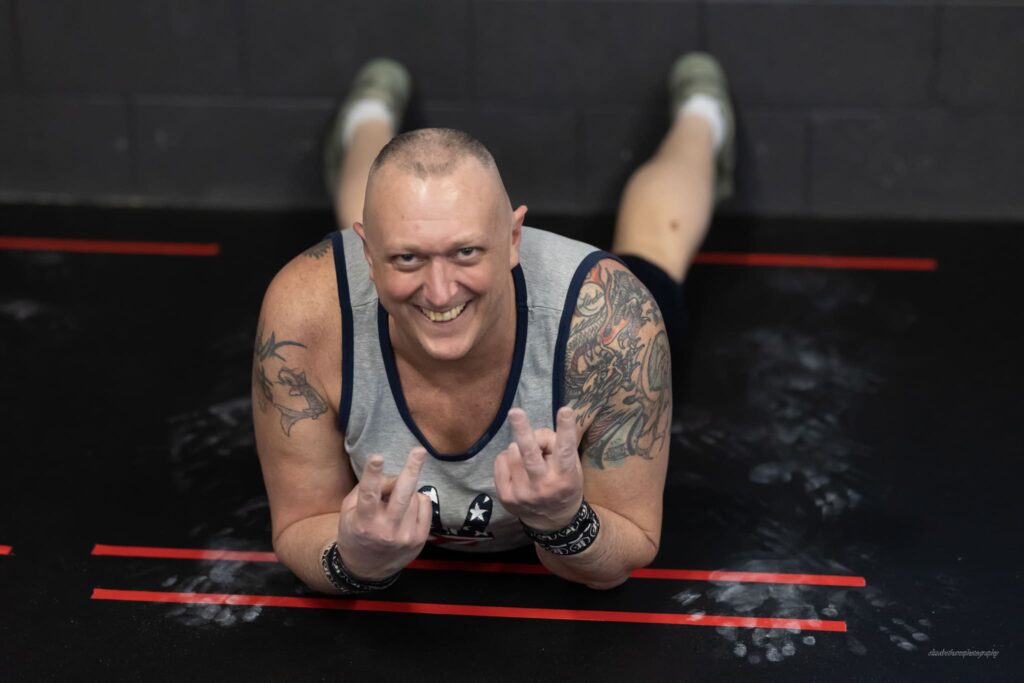
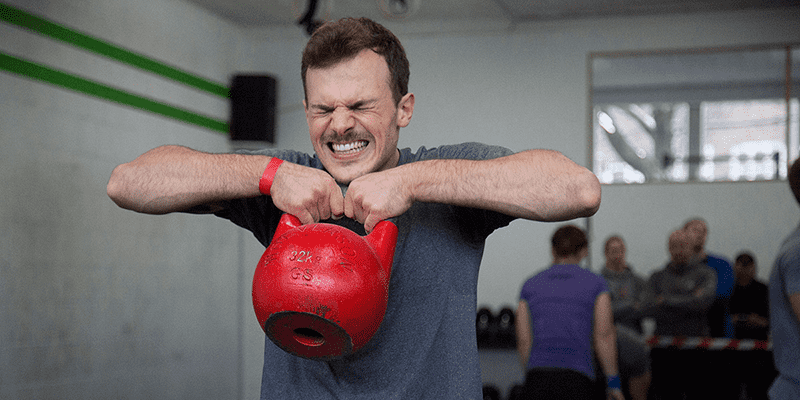
Using everyday items as workout equipment can revolutionise your fitness routine, save money, and encourage creativity. From backpacks to towels, household items can provide effective resistance and challenge your body in new ways.
Research shows that unconventional training methods can boost muscle engagement, coordination, and functional strength when used correctly. Here’s a scientifically-backed guide to turning everyday objects into fitness tools.
Benefits of Using Everyday Items for Workouts
Cost-Effective and Accessible
Using household items eliminates the need for expensive gym equipment. Studies indicate that financial barriers are a common reason people avoid exercise, and reducing these can improve adherence to physical activity programmes (Ding et al., 2018).
Functional Strength and Adaptability
Training with non-standard items improves functional strength, replicating real-world scenarios. For example, unstable loads, like a filled backpack, recruit more stabilising muscles than traditional weights (Behm et al., 2010).
Versatility and Creativity
Everyday objects can target multiple muscle groups, adding variety to your routine. Variety in training is associated with higher motivation and better long-term adherence to exercise (Silva et al., 2014).
Everyday Items and Their Workout Uses
Backpacks: The Ultimate Weighted Vest
How to Use: Fill a backpack with books, bottles, or sandbags to create a weighted vest for squats, push-ups, and lunges.
Why It Works: Backpacks provide adjustable resistance, mimicking the effect of a weighted vest. Studies confirm that weighted vests can enhance strength and endurance, especially in lower body exercises (Bosco et al., 1984).
Towels for Core and Flexibility
How to Use: Towels can replace sliders for core work (e.g., mountain climbers) or assist in stretching routines. Place towels under your feet for sliding exercises on hard surfaces.
Why It Works: Sliding exercises increase core engagement due to the stabilisation required. Research highlights that core strength correlates with improved athletic performance and injury prevention (Huxel Bliven & Anderson, 2013).
Chairs for Dips and Step-Ups
How to Use: Use a sturdy chair for tricep dips, step-ups, or Bulgarian split squats. Ensure the chair is secure to avoid injury.
Why It Works: Chair-based exercises focus on bodyweight resistance, which is effective for improving muscular endurance and joint health (Calatayud et al., 2015).
Water Bottles as Dumbbells
How to Use: Fill water bottles to create DIY dumbbells. Use them for bicep curls, shoulder presses, and lateral raises.
Why It Works: While not as heavy as traditional weights, water bottles add resistance and can improve muscular endurance. Light-weight training is particularly effective for beginners and those focusing on muscle toning (Campos et al., 2002).
Resistance Bands Made from Old Tights
How to Use: Old tights or leggings can function as resistance bands. Tie them into loops for lower-body resistance exercises like glute bridges or crab walks.
Why It Works: Resistance training improves strength, mobility, and muscle activation. Elastic resistance bands are shown to elicit similar muscle activation to free weights (Colado et al., 2010).
Advanced Hacks for Home Workouts

Large Water Containers for Functional Training
How to Use: Filled water containers can replace kettlebells or dumbbells for farmer’s carries, swings, or deadlifts.
Why It Works: Unevenly filled containers introduce instability, enhancing core and grip strength. This instability mimics real-life lifting scenarios and improves functional fitness (Behm et al., 2010).
Bags of Rice or Flour for Deadlifts
How to Use: Use bags of rice or flour as a substitute for barbell deadlifts. Adjust the weight by adding or removing contents.
Why It Works: Deadlifting with unconventional weights engages stabilising muscles and improves grip strength. Studies indicate that grip strength correlates with overall health and mortality (Leong et al., 2015).
Broomsticks for Mobility and Balance
How to Use: Use a broomstick for shoulder dislocates, balance work, or as a guide for squats to maintain proper form.
Why It Works: Mobility drills with broomsticks enhance joint health and range of motion. Improved mobility reduces the risk of injury and enhances performance in strength training (Behm et al., 2016).
Full-Body Routine with Everyday Items
- Backpack Squats: Perform three sets of 15 reps with a loaded backpack. Focus on depth and form.
- Chair Tricep Dips: Complete three sets of 12 reps. Keep your back close to the chair for proper form.
- Water Bottle Shoulder Presses: Perform three sets of 10 reps per arm.
- Towel Mountain Climbers: Do three rounds of 30 seconds each, focusing on core stability.
- Bag of Rice Deadlifts: Perform three sets of 8–10 reps. Maintain a straight back and controlled movements.
Safety Considerations
- Test Stability: Ensure chairs, tables, or other items are stable before applying weight.
- Progress Gradually: Increase resistance or intensity as your strength improves.
- Maintain Form: Focus on proper technique to avoid injuries.
- Check for Wear and Tear: Inspect items like tights or towels for durability to prevent accidents.
Conclusion
Using everyday items for workouts is a practical, cost-effective, and scientifically validated approach to fitness. By repurposing household objects, you can target all major muscle groups, enhance functional strength, and keep your routine engaging. With creativity and attention to safety, your home can transform into an efficient and versatile training ground.
Key Takeaways
| Key Point | Description |
|---|---|
| Cost-Effective Solutions | Everyday items like backpacks and water bottles eliminate the need for expensive gym equipment. |
| Versatility and Functional Fitness | Household objects can target multiple muscle groups and improve functional strength. |
| Scientifically Backed Benefits | Studies validate the efficacy of using unconventional tools to enhance stabilisation, muscle activation, and coordination. |
| Practical Examples for Each Item | Includes exercises such as backpack squats, towel mountain climbers, and chair dips. |
| Safety First | Emphasise stability, gradual progression, and proper form to prevent injuries. |
References
- Behm, D.G., Anderson, K. & Curnew, R.S. (2010). Muscle force and activation under stable and unstable conditions. Journal of Strength and Conditioning Research, 24(1), pp. 416–422.
- Bosco, C., Luhtanen, P. & Komi, P.V. (1984). A simple method for measurement of mechanical power in jumping. European Journal of Applied Physiology and Occupational Physiology, 50(2), pp. 273–282.
- Calatayud, J., Borreani, S., Colado, J.C., Martin, F., Rogers, M.E. & Behm, D.G. (2015). Triceps activation during push-ups with different hand positions. PLOS ONE, 10(7), p. e0133619.
- Campos, G.E.R., Luecke, T.J., Wendeln, H.K., Toma, K., Hagerman, F.C., Murray, T.F., Ragg, K.E., Ratamess, N.A., Kraemer, W.J. & Staron, R.S. (2002). Muscular adaptations in response to three different resistance-training regimens: specificity of repetition maximum training zones. European Journal of Applied Physiology, 88(1–2), pp. 50–60.
- Colado, J.C., Triplett, N.T., Tella, V., Saucedo, P. & Abellán, J. (2010). Effects of aquatic resistance training on health and fitness in postmenopausal women. Medicine & Science in Sports & Exercise, 42(7), pp. 1197–1205.
- Ding, D., Lawson, K.D., Kolbe-Alexander, T.L., Finkelstein, E.A., Katzmarzyk, P.T., Mechelen, W.V. & Pratt, M. (2018). The economic burden of physical inactivity: a systematic review. The Lancet, 388(10051), pp. 1311–1324.
- Huxel Bliven, K.C. & Anderson, B.E. (2013). Core stability training for injury prevention. Sports Health, 5(6), pp. 514–522.
- Leong, D.P., Teo, K.K., Rangarajan, S., Lopez-Jaramillo, P., Avezum, A., Orlandini, A., Seron, P., Ahmed, S.H., Rosengren, A., Kelishadi, R., Rahman, O., Swaminathan, S., Anjana, R.M., Gupta, R., Iqbal, R., Chifamba, J., Oguz, A., Yusoff, K., Zatonska, K., Ismail, N., Iqbal, A., Yusufali, A., Kruger, I.M., Yusuf, R., Diaz, R., Kutty, V.R., Szuba, A., Choudhury, T., Wang, C.C., Poirier, P., Rangarajan, S., Lear, S.A. & Yusuf, S. (2015). Prognostic value of grip strength. The Lancet, 386(9990), pp. 266–273.
- Silva, M.N., Marques, M.M., & Teixeira, P.J. (2014). Exercise for weight management: why and how. Motivation and Action, pp. 563–581.