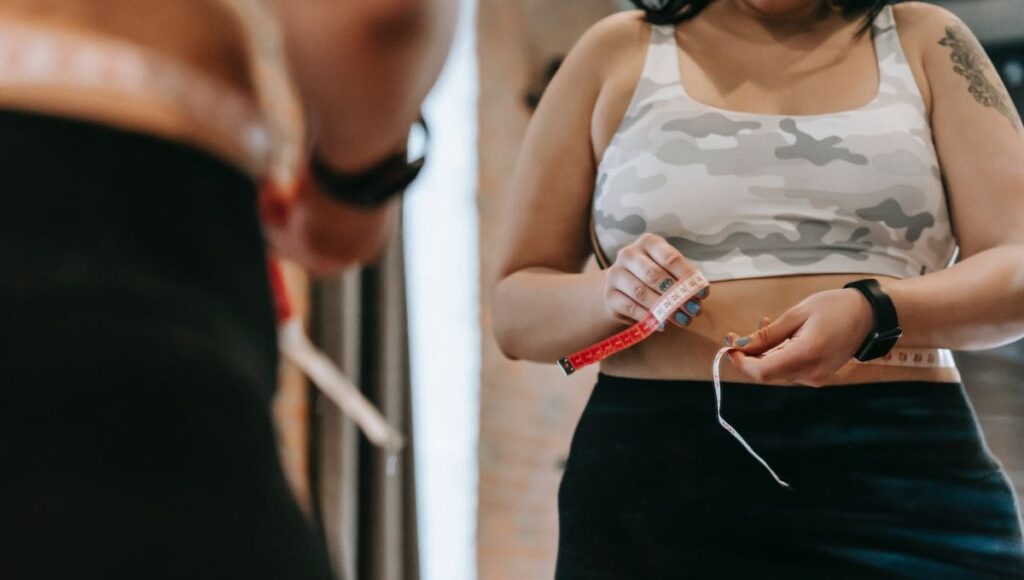
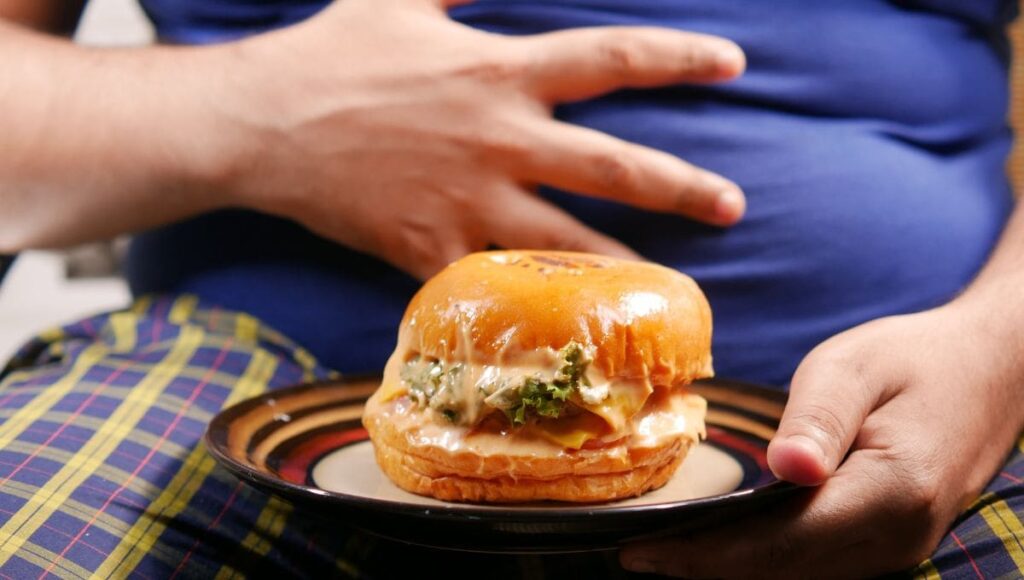
Most people know that dropping body fat isn’t easy. But if you’ve been grinding and still feel stuck above 20% body fat, it may be your daily habits holding you back. Without realising it, your routines, mindset, and lifestyle choices might be the root cause of this plateau. These habits can feel harmless on the surface yet compound into bigger barriers over time. Worse, even if you managed to cut down body fat quickly, you’d likely struggle to maintain the results if these habits remain unaddressed.
Today, we’ll look at the most common habits that make it hard to achieve and keep a lean physique and how to build sustainable behaviours that keep you in control.
And by we, we actually mean lean into the expertise of one knowledgeable guy when it comes to fat loss: Mario Tomic is an entrepreneur who helps other busy working professionals get fit and build a sustainable and healthy lifestyle. Check it out.
1. The All-or-Nothing Mentality: Why Going “All In” Often Leads to Failure

One of the most common habits holding people back from getting lean is an “all-or-nothing” approach. While going all in and pushing yourself to the limit sounds appealing, it often sets the stage for inconsistency.
- Extreme Consistency Turns into Exhaustion: People with this mindset will meticulously track every calorie, hit every rep in the gym, and even add extra steps or workouts at first. But when they eventually slip up or feel exhausted, they often fall completely off track.
- The Weekend Rebound: Many people stay on target Monday through Friday, counting every calorie and maximising exercise. But come the weekend, they overindulge, nullifying the week’s hard work. Studies show that cheat days or binge weekends can reduce calorie deficits or even lead to a calorie surplus, which is why consistency is key (Byrne et al., 2003).
- Sustainable Success Requires Flexibility: Research into behaviour change suggests that consistent habits are more effective than extreme routines (Gardner et al., 2012). Aiming for “good enough” rather than perfection increases the chances of long-term adherence, which is essential to achieving a lean body and maintaining it.
The solution is to focus on building sustainable habits that balance discipline with flexibility. This means allowing yourself a treat without feeling that it justifies an all-out binge. For lasting success, it’s better to aim for a steady path than oscillating between extremes.
5 Best Tips for Losing Belly Fat
2. Diminishing Discipline in the Evenings: The Post-Dinner Pitfall
Another common problem area is the evening. Many people who do well all day often find themselves undoing their progress with post-dinner snacking.
- The Build-Up of Late-Night Snacking: It might start innocently enough, like grabbing a small snack after dinner. But over time, this habit conditions the body to expect food at that time, and soon it turns into a regular behaviour that’s tough to break.
- Minor Slips That Escalate: Research shows that small deviations can lead to larger dietary slips, especially when snacking becomes an ingrained habit (Hofmann et al., 2012). These snacks can add hundreds of unplanned calories, sabotaging your efforts.
- Managing the Evening Routine: A solution is to address your environment and set a clear “cut-off” time for eating. If you notice that your willpower wanes in the evenings, try filling up on protein and fibre at dinner and brushing your teeth right after, signalling to your brain that eating is done for the night.
Understanding that a lean physique is achieved through consistently good choices throughout the day is important. But if you can at least minimise late-night calories, you’ll already be making a big impact on your daily caloric balance.
3. Sleep Deprivation: The Silent Saboteur of Fat Loss
Poor sleep can be a powerful and often-overlooked factor that prevents people from lowering their body fat percentage.

- Delayed Bedtime and Sleep Debt: Many people push their bedtimes to enjoy “me-time” at night, and over time, this turns into chronic sleep debt. Studies show that even low levels of sleep deprivation can increase hunger and cravings, particularly for calorie-dense foods.
- Reduced Recovery and Performance: Sleep deprivation doesn’t only impact appetite; it also affects workout performance. When you’re not well-rested, your workouts suffer, making it harder to build muscle and burn fat effectively. In a calorie deficit, this effect is even more pronounced, as the body struggles to recover with inadequate sleep.
- How to Prioritise Sleep: Schedule a set bedtime and create a relaxing pre-sleep routine, which could include reading or meditating. Minimising screen time and caffeine intake in the evenings also helps reduce sleep disruption and improve overall quality.
Sleep directly impacts the hormones that regulate hunger, so making it a priority can help you stay more disciplined with food choices and improve your body’s ability to metabolise fat.
4. Compounding Effects of Small, Daily Habits
Much of what shapes our body composition isn’t based on single events but on the consistent actions we take, or don’t take, every day. Often, it’s the little habits that either move us closer to or further away from our goals.

- The Power of Compound Habits: The idea of compound habits means that minor, repeated actions build up over time. Even small habits like adding 10 minutes of daily walking or drinking more water add up to significant effects over months and years (Clear, 2018).
- Identifying and Replacing “Invisible” Habits: Invisible habits might include a handful of nuts after lunch or a sugary drink here and there. While these might seem small, each habit contributes calories, and over time, they affect your body composition.
- Focus on Small, Positive Changes: It’s far easier to maintain a lean physique by creating manageable habits rather than making drastic changes. Research shows that small habit changes lead to lasting behaviours (Lally et al., 2010).
By swapping unhealthy habits for better alternatives and focusing on incremental progress, you can benefit from a compounding effect in the long term that supports fat loss without extreme measures.
5 Ways To Burn More Fat At The Gym
5. Conducting a Personal Habit Audit
Finally, to break free from the habits that keep you stuck above 20% body fat, try conducting a habit audit.
- Identify Patterns and Triggers: Take note of what your usual daily and weekly habits look like. Ask yourself: when do I usually slip up? Are there certain times of day or days of the week when I struggle the most?
- List Your Current Habits and Evaluate: Write down what you currently do each day, particularly around food, exercise, and bedtime. Assess whether each habit supports or hinders your goals.
- Replace and Reinforce Positive Habits: Choose healthier habits to replace the old ones. Start with easy wins, like drinking water instead of a sugary drink or swapping out high-calorie snacks with fruits. Every small change is a step toward building a leaner, healthier you.

By evaluating and adjusting your routines, you take control of the habits that determine your long-term results.
Conclusion
Breaking through a body fat plateau is possible, but it requires insight into the behaviours that shape your daily life. Habits like an all-or-nothing mentality, late-night snacking, sleep deprivation, and other small, compounding behaviours may seem harmless individually but add up over time. The key to staying below 20% body fat isn’t strict dieting or extreme workouts—it’s mastering the consistency of small, sustainable changes. Conduct a habit audit and see which small adjustments could have a big impact on your journey toward a leaner, healthier self.
5 Underrated Habits to Lower Body Fat Percentage
Key Takeaways Table
| Habit Challenge | Why It Keeps You Above 20% Body Fat | Solutions and Alternatives |
|---|---|---|
| All-or-Nothing Mentality | Leads to burnout and inconsistency | Focus on balance and recovery after slips |
| Evening Snacking | Adds unplanned calories, sabotaging your progress | Set a “cut-off” time and brush teeth post-dinner |
| Sleep Deprivation | Increases hunger, decreases workout performance | Prioritise sleep by creating a set bedtime routine |
| Compounding Small Habits | Small unhealthy choices add up to big calorie surpluses | Replace with small, positive daily habits |
| Habit Audit | Lack of awareness of detrimental daily habits | Conduct a weekly habit review to identify problem areas |