


Building stronger and more muscular arms is a common goal for many fitness enthusiasts. The quest for bigger biceps and forearms has led to the development of numerous exercises, each promising to deliver the best results.
Among these exercises, the Hammer Curl and the Zottman Curl stand out as two highly effective moves, but which one is better for achieving your arm goals? This article delves deep into the mechanics, benefits, and drawbacks of each exercise, supported by scientific evidence, to help you make an informed decision.
Understanding the Anatomy of the Arms
Before we compare the Hammer Curl and Zottman Curl, it’s crucial to understand the anatomy of the arms. The two primary muscles involved in arm exercises are the biceps brachii and the brachialis.
The Biceps Brachii
The biceps brachii, commonly known as the biceps, is a two-headed muscle located on the front of the upper arm. It is responsible for flexing the elbow and supinating the forearm, which means turning the palm upwards. The biceps are often the focal point for those looking to build bigger arms, as they contribute significantly to arm size and strength.
The Brachialis
The brachialis is a muscle that lies beneath the biceps. It is the primary flexor of the elbow and plays a significant role in arm movement. Although it is less visible than the biceps, the brachialis can add considerable mass to the arms, pushing the biceps up and making the arms look more substantial overall.
The Brachioradialis
The brachioradialis is a prominent muscle in the forearm that aids in elbow flexion. It is particularly activated during exercises that involve a neutral (thumbs-up) grip, like the Hammer Curl. Developing the brachioradialis not only improves forearm strength but also enhances the overall appearance of the arms.
What is a Hammer Curl?
Execution
The Hammer Curl is a variation of the traditional bicep curl that is performed with a neutral grip. To execute this exercise, stand with your feet shoulder-width apart, holding a dumbbell in each hand with your palms facing each other. Keeping your elbows close to your torso, curl the weights towards your shoulders while maintaining the neutral grip. Lower the weights back down slowly and repeat.
Muscle Activation
The Hammer Curl primarily targets the brachialis and brachioradialis, while also engaging the biceps brachii. The neutral grip shifts some of the focus away from the biceps and onto the forearms, making it an excellent exercise for overall arm development.
Benefits of the Hammer Curl
- Enhanced Forearm Development: Due to the involvement of the brachioradialis, the Hammer Curl is highly effective for building strong and muscular forearms.
- Balanced Arm Growth: By targeting the brachialis, the Hammer Curl promotes balanced growth in the upper arms, complementing the size and strength of the biceps.
- Joint Stability: The neutral grip used in Hammer Curls is more comfortable for the wrists and elbows, reducing the risk of injury while allowing for heavier lifting.
Scientific Support
A study published in the Journal of Strength and Conditioning Research found that exercises involving a neutral grip, such as the Hammer Curl, showed greater activation of the brachioradialis compared to traditional bicep curls, leading to improved forearm strength and hypertrophy .
What is a Zottman Curl?
Execution
The Zottman Curl is a unique bicep curl variation that combines the benefits of both the standard curl and the reverse curl. To perform this exercise, stand with your feet shoulder-width apart, holding a dumbbell in each hand with your palms facing up. Curl the weights towards your shoulders as you would in a traditional bicep curl. Once the weights are at shoulder height, rotate your wrists so that your palms face downwards, and slowly lower the dumbbells back to the starting position with this reverse grip.
Muscle Activation
The Zottman Curl is a comprehensive arm exercise that targets the biceps brachii during the curl phase and the brachioradialis during the lowering phase. The pronated (palms-down) grip during the eccentric (lowering) part of the exercise also engages the muscles in the forearm, making it a potent exercise for overall arm strength and hypertrophy.
Benefits of the Zottman Curl
- Dual Muscle Engagement: The Zottman Curl simultaneously targets the biceps and the forearms, making it an efficient exercise for complete arm development.
- Improved Eccentric Strength: The slow lowering phase with a pronated grip enhances eccentric strength in the biceps and forearms, which is crucial for muscle growth and injury prevention.
- Enhanced Grip Strength: The reverse grip used in the Zottman Curl challenges grip strength, making it beneficial for athletes and lifters who require strong hands and wrists.
Scientific Support
Research published in the Journal of Applied Physiology highlights the importance of eccentric training in muscle hypertrophy. The Zottman Curl’s focus on the eccentric phase can lead to greater muscle damage, which, when paired with proper recovery, can result in increased muscle growth .
Hammer Curl vs Zottman Curl: A Comparative Analysis
Muscle Activation
When comparing muscle activation, both exercises offer unique benefits. The Hammer Curl excels in activating the brachioradialis and brachialis, making it ideal for those looking to improve forearm strength and achieve balanced arm growth. The Zottman Curl, on the other hand, provides comprehensive activation by targeting both the biceps and forearms, with an emphasis on eccentric control.
Strength Development
In terms of strength development, the Hammer Curl’s neutral grip allows for heavier lifting, which can translate into greater strength gains, particularly in the forearms and brachialis. The Zottman Curl, while effective for overall arm strength, may limit the amount of weight lifted due to the complexity of the movement and the grip change, focusing more on controlled, eccentric strength.
Hypertrophy Potential
For muscle hypertrophy, both exercises are effective, but they cater to different aspects of arm development. The Hammer Curl is more focused on building the brachialis and brachioradialis, leading to a thicker and fuller appearance of the arms. The Zottman Curl, with its dual-phase approach, promotes growth in both the biceps and forearms, providing a balanced and aesthetically pleasing arm development.
Injury Prevention
The Hammer Curl is generally easier on the joints due to its neutral grip, which reduces strain on the wrists and elbows. This makes it a safer option for individuals with joint issues or those lifting heavy weights. The Zottman Curl, while also effective, requires more wrist stability and control during the transition from the supinated to pronated grip, which might pose a challenge for those with weak wrists or pre-existing conditions.
Versatility and Application
Both exercises are versatile and can be incorporated into various training programs. The Hammer Curl is straightforward and can be performed with minimal equipment, making it accessible for lifters of all levels. The Zottman Curl, though more complex, offers a unique challenge and is particularly useful for those looking to enhance both concentric and eccentric strength in the arms.
Practical Considerations
When choosing between the Hammer Curl and Zottman Curl, consider your specific goals and current training regimen. If your primary focus is on building forearm strength and thickness while maintaining joint safety, the Hammer Curl is likely the better option. However, if you are aiming for comprehensive arm development with a focus on eccentric training, the Zottman Curl might be more suitable.
Integrating Hammer Curls and Zottman Curls into Your Workout Routine
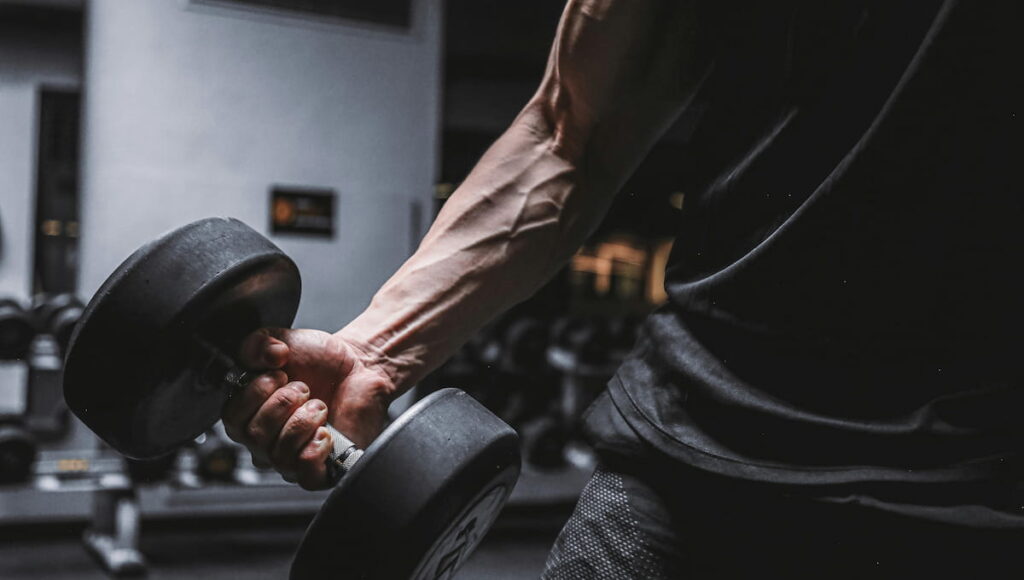
Combining Both Exercises
For optimal arm development, integrating both Hammer Curls and Zottman Curls into your workout routine can be highly effective. Each exercise complements the other, addressing different aspects of arm strength and hypertrophy. By alternating between these exercises, you can ensure balanced development in both the biceps and forearms.
Sample Workout Routine
Day 1: Focus on Strength and Hypertrophy
- Hammer Curl: 4 sets of 8-10 reps
- Barbell Curl: 4 sets of 6-8 reps
- Triceps Dips: 3 sets of 10-12 reps
Day 2: Focus on Eccentric Control and Grip Strength
- Zottman Curl: 3 sets of 10-12 reps
- Reverse Curl: 3 sets of 8-10 reps
- Wrist Curls: 3 sets of 15 reps
Progressive Overload
Regardless of which exercise you choose, applying the principle of progressive overload is essential for continuous improvement. Gradually increase the weight or the number of repetitions over time to ensure that your muscles are consistently challenged, leading to strength gains and hypertrophy.
Recovery and Nutrition
Remember that muscle growth occurs during recovery, not during the workout itself. Ensure you are getting adequate rest, nutrition, and hydration to support muscle repair and growth. Incorporating sufficient protein in your diet is crucial, as it provides the building blocks needed for muscle synthesis.
Conclusion
Both the Hammer Curl and Zottman Curl are exceptional exercises for building stronger and more muscular arms, each offering unique benefits. The Hammer Curl is particularly effective for enhancing forearm strength and developing the brachialis, while the Zottman Curl provides comprehensive arm training with a focus on eccentric strength.
Ultimately, the choice between the two exercises should be guided by your specific goals, current fitness level, and any pre-existing conditions. For those who want to maximise arm development, incorporating both exercises into your routine might be the best approach. By doing so, you can achieve balanced growth, increased strength, and a reduced risk of injury.
Key Takeaways
| Key Point | Hammer Curl | Zottman Curl |
|---|---|---|
| Primary Muscles Targeted | Brachioradialis, Brachialis, Biceps Brachii | Biceps Brachii, Brachioradialis, Forearm Muscles |
| Strength Development | Excellent for forearm and brachialis strength | Focuses on biceps and eccentric strength |
| Hypertrophy Potential | Enhances forearm and upper arm thickness | Promotes balanced arm growth |
| Injury Prevention | Safer for wrists and elbows due to neutral grip | Requires wrist stability; may pose challenges for some |
| Versatility | Simple to perform, accessible for all levels | More complex, ideal for intermediate to advanced lifters |
| Best For | Individuals looking to build forearm strength and overall arm thickness | Lifters focusing on comprehensive arm development and eccentric training |
Bibliography
- Cotterman, M. L., Darby, L. A., & Skelly, W. A., 2005. Comparison of muscle activation using various hand positions during the biceps curl. Journal of Strength and Conditioning Research, 19(1), pp. 93-97.
- Moore, D. R., Young, M., & Phillips, S. M., 2012. Eccentric exercise: physiological characteristics and applications in sport. Journal of Applied Physiology, 112(11), pp. 1847-1855.
- Schoenfeld, B. J., 2010. The mechanisms of muscle hypertrophy and their application to resistance training. Journal of Strength and Conditioning Research, 24(10), pp. 2857-2872.
This comprehensive analysis should help you understand the nuances of both the Hammer Curl and Zottman Curl, enabling you to make an informed decision on which exercise to incorporate into your arm training routine for optimal results.


