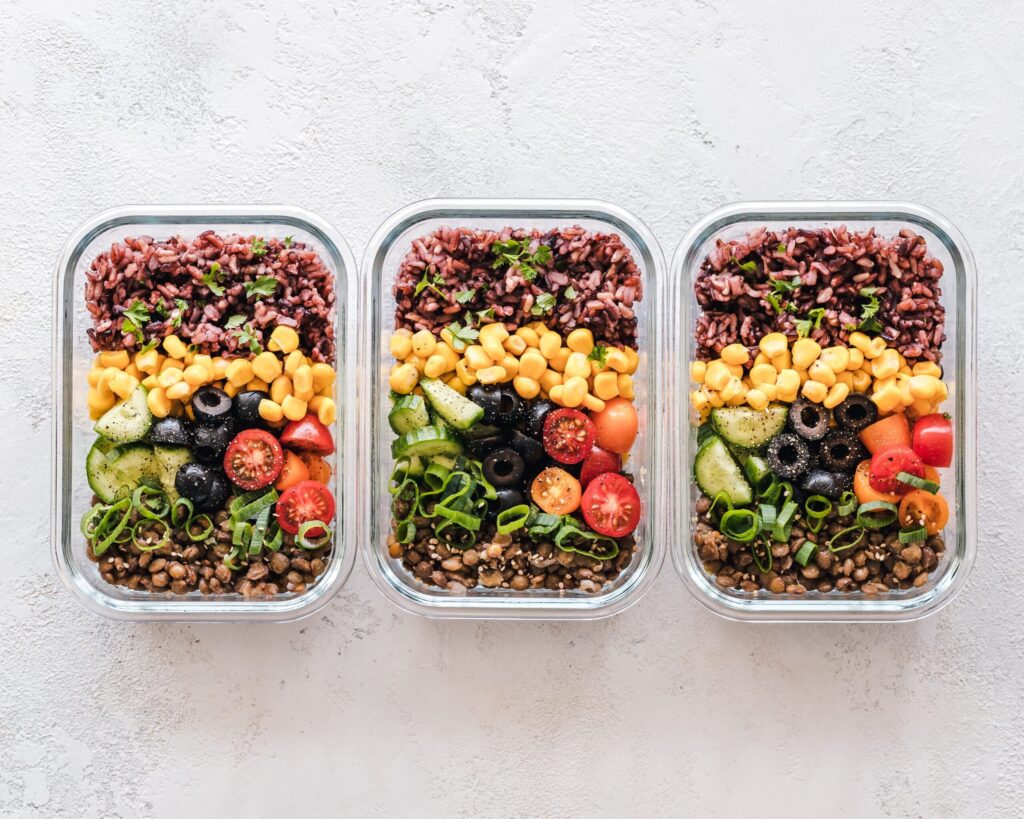
Processed foods are pervasive in modern diets, often contributing to a myriad of health issues, including poor gut health and cognitive decline. A Harvard researcher has recently highlighted several practical swaps to processed foods that can make a significant difference. By choosing whole foods over processed alternatives, you can improve both your brain and gut health.
Recent research has revealed that the unhealthiness of processed foods lies not just in their ingredients, but also in their preparation methods. Simple and healthy swaps can mitigate health risks and improve overall well-being. Dr. W. Taylor Kimberly, a Harvard neurology professor and neurologist at Massachusetts General Hospital, has adopted healthier eating habits inspired by his research on processed foods’ impact on brain health. He suggests that even minor dietary changes can significantly enhance brain and gut health without requiring the elimination of all processed foods.
The information for this article is largely based on his research published in the journal Neurology titled Associations Between Ultra-Processed Food Consumption and Adverse Brain Health Outcomes and an interview he gave to Business Insider.
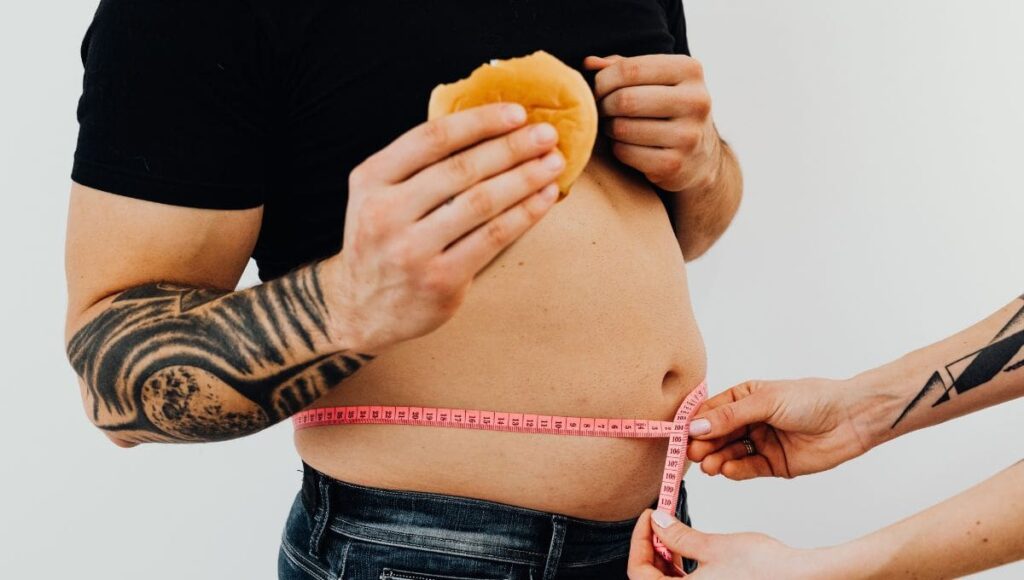
Processed foods have become a staple in modern diets due to their convenience and taste. However, their negative impact on health, particularly on the brain and gut, is well-documented. Recent studies have shed light on how not only the ingredients but also the processing methods of these foods contribute to their harmful effects. Dr. W. Taylor Kimberly, an expert in neurology at Harvard Medical School, has made significant dietary changes based on his research findings, emphasizing the importance of whole foods, high-fibre snacks, and meals with recognizable ingredients.
The latest study by Dr. Kimberly and his team, published in the journal Neurology, explores the link between ultra-processed foods and increased health risks, such as cognitive decline and stroke. The research underscores the benefits of making small yet impactful dietary changes. Dr. Kimberly’s practical advice aims to help individuals reduce processed food consumption and make healthier choices, ultimately benefiting brain and gut health.
Read More: Top Foods that Bloat Your Stomach and Face
Understanding Processed Foods and Their Impact
Processed foods are often laden with unhealthy ingredients like added sugars, oils, salt, and preservatives, which can harm our health over time. These foods are typically low in essential nutrients like fibre, protein, vitamins, and minerals, making them detrimental to our diet. According to Dr. Kimberly, “Ultra-processed foods are such a big part of our diet. They’re convenient and easy, but there hasn’t been as much work on thinking about not just the type of food but also how it’s processed.”
The observational study conducted by Dr. Kimberly’s team found that a 10% increase in processed food consumption is linked to a higher risk of cognitive impairment. This finding is significant as it highlights the potential brain health risks associated with ultra-processed foods. While the study cannot definitively prove causation, it provides valuable insights into how processed foods might adversely affect our health and suggests simple ways to make healthier choices.
3 Healthy Swaps to Processed Foods for Healthier Brain and Gut
1. Choose Whole Foods

One of the most effective ways to improve your diet is to opt for whole foods over processed alternatives. Whole foods, such as fruits, vegetables, nuts, seeds, and grains, are rich in essential nutrients and fibre, which are beneficial for both brain and gut health. For instance, swapping French fries for baked sweet potatoes not only reduces the intake of salt and unhealthy oils but also introduces more vitamins and minerals into your diet.
Dr. Kimberly emphasizes the importance of incorporating whole foods into daily meals: “We’re not just feeding ourselves when we eat. We’re feeding a really complicated ecosystem in the gut that helps metabolize what we eat.” By choosing whole foods, you support your gut microbiome, which plays a crucial role in digestion, immunity, and overall health.
5 Essential Tips to See Your Abs for the First Time
2. High-Fibre Snacks

Snacking can often lead to the consumption of processed and unhealthy foods. However, replacing these with high-fibre options can make a significant difference. Nuts, seeds, fruits, and vegetables are excellent snack choices that provide essential nutrients and promote satiety. Dr. Kimberly’s research has inspired him to choose snacks like nuts or carrots instead of cookies or crackers, thereby reducing sugar intake and increasing dietary fibre.
Fibre is essential for maintaining a healthy digestive system and can help prevent various gastrointestinal issues. It also supports brain health by regulating blood sugar levels and providing a steady supply of energy. “If you’re not eating a healthy meal, you’re also eating an unhealthy meal, so the evidence suggests you can’t just add a supplement. It’s both sides that are important when thinking about brain health,” says Dr. Kimberly.
Related: Tips to Lose a LOT of Body Fat WITHOUT Counting Calories
3. Recognizable Ingredients
When selecting processed foods, it’s important to choose products with recognizable ingredients. Foods with fewer, natural ingredients are generally healthier and less processed. Dr. Kimberly advises, “If you look at it and think, that could be made in my kitchen, that’s a good indicator.” This approach helps in avoiding harmful additives and preservatives commonly found in highly processed foods.
Reading labels and being mindful of the ingredients can significantly impact your dietary choices. Aim for foods with whole ingredients such as whole grains, nuts, seeds, and natural sweeteners. These choices are not only healthier but also more satisfying and nutritious.

Dr. W. Taylor Kimberly’s research highlights the profound impact of processed foods on brain and gut health. By making simple dietary swaps, such as choosing whole foods, high-fibre snacks, and products with recognizable ingredients, individuals can significantly improve their health without drastic changes. As Dr. Kimberly puts it, “In a perfect world, we would all eat unprocessed foods, but that’s not reality. Even modest changes, if they’re sustainable, can matter.”
Implementing these practical tips can lead to better health outcomes and a greater understanding of the importance of nutrition in daily life. By focusing on small, manageable changes, anyone can make strides toward a healthier diet and improved well-being.
Read Also: How to Cut Down Your Gym Time and Get More Muscle Growth
FAQs on Simple Food Swaps for a Healthier Brain and Gut
1. Why are processed foods harmful to our health?
Processed foods often contain unhealthy ingredients such as added sugars, oils, salt, and preservatives. They are usually low in essential nutrients like fiber, protein, vitamins, and minerals, which can negatively impact overall health, including brain and gut health.
2. What does the latest research on processed foods suggest?
Recent research, including a study published in the journal Neurology, indicates that a higher consumption of ultra-processed foods is linked to increased health risks such as cognitive impairment and stroke. The study emphasizes the importance of not just the ingredients but also the processing methods of foods.
3. What are some simple food swaps to improve brain and gut health?
Dr. W. Taylor Kimberly suggests three simple swaps:
- Choose Whole Foods: Opt for unprocessed foods like fruits, vegetables, nuts, seeds, and grains over processed alternatives.
- High-Fiber Snacks: Replace processed snacks with high-fiber options such as nuts, seeds, fruits, and vegetables.
- Recognizable Ingredients: Select processed foods with fewer, natural ingredients that you could potentially make in your kitchen.
4. How do whole foods benefit our health?
Whole foods are rich in essential nutrients and fiber, which support overall health, including brain function and gut health. They help maintain a balanced diet and support a healthy gut microbiome, which plays a crucial role in digestion and immunity.
5. Why is fiber important in our diet?
Fiber is essential for a healthy digestive system, helps regulate blood sugar levels, and provides a steady supply of energy. High-fiber foods promote satiety, which can aid in weight management and reduce the risk of gastrointestinal issues.
6. Can small dietary changes make a significant impact on health?
Yes, even modest dietary changes can significantly impact health. Dr. Kimberly’s research suggests that small, sustainable changes, such as reducing processed food intake by as little as two servings per week, can improve health outcomes.
7. How can I identify healthier processed food options?
Look for processed foods with recognizable ingredients and fewer additives. Foods that contain whole grains, nuts, seeds, and natural sweeteners are generally healthier choices. Reading labels and choosing products with natural ingredients can help you avoid harmful additives.
8. Is it necessary to completely eliminate processed foods from my diet?
No, it is not necessary to completely eliminate processed foods. The goal is to make healthier choices and reduce the intake of ultra-processed foods. Sustainable, small changes in your diet can lead to significant health benefits.