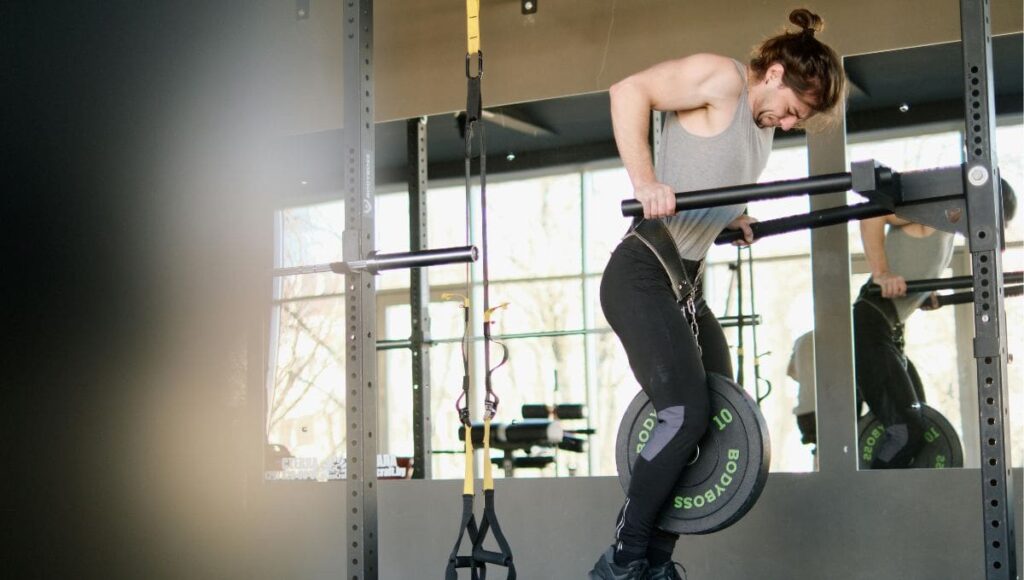
High knees are one of those deceptively simple exercises that pack a powerful punch. Seen often in warm-ups and fitness classes, high knees are easy to perform, don’t require equipment, and get your heart rate up fast. But what if you did high knees every day for a month? Would it be worth the effort?
This article dives into what can happen to your body if you commit to doing high knees every day for 30 days. We’ll look at how this movement affects your cardiovascular health, muscles, metabolism, and flexibility, as well as any potential downsides. By the end, you’ll know exactly what you stand to gain – and what to watch out for – with this simple but effective exercise.
What Are High Knees, and How Do You Perform Them Correctly?
- High knees are a cardio move where you lift your knees towards your chest in an alternating, running-in-place motion.
- Proper form is essential: Keep your back straight, engage your core, and use your arms to help maintain momentum.
- The move targets the quadriceps, hip flexors, hamstrings, calves, and core muscles.
How to Perform High Knees
- Stand tall, feet hip-width apart, arms at your sides.
- Lift one knee towards your chest, ideally to hip level or higher if possible.
- Lower that leg while lifting the other knee in a rapid, fluid motion.
- Use your arms, moving them as if running, to maintain balance and increase intensity.
Cardiovascular Benefits of Doing High Knees Every Day
Doing high knees daily is a form of cardiovascular exercise, which offers significant benefits to heart and lung health. As a high-intensity interval training (HIIT) move, high knees can elevate your heart rate quickly, providing both short- and long-term cardiovascular gains.
1. Improves Heart Health
- Increases Heart Rate: High knees get your heart pumping, strengthening the heart muscle over time and potentially reducing the risk of cardiovascular diseases.
- Improves Circulation: By boosting blood flow, high knees may reduce blood pressure and cholesterol levels.
2. Boosts Lung Capacity
- Enhances Oxygen Uptake: Consistently practising high knees can increase the efficiency of your lungs by enhancing oxygen intake and improving lung function.
- Strengthens Respiratory Muscles: The fast-paced nature of high knees trains the intercostal muscles around the lungs, which improves breathing endurance during other physical activities.
3. Promotes Better Endurance

- Improves VO2 Max: A daily high-knee workout can improve your VO2 max (the maximum rate of oxygen consumption), a marker of cardiovascular endurance.
Study Reference: According to a study in the Journal of Sports Sciences, high-intensity interval training exercises, like high knees, significantly improved cardiovascular health and VO2 max levels in participants over a short period (Helgerud et al., 2007).
Muscle Strengthening and Toning Effects
Despite being cardio-heavy, high knees also engage several muscle groups, leading to better strength and definition in the lower body and core.
1. Strengthens the Lower Body
- Targets Major Leg Muscles: This exercise works the quadriceps, hamstrings, glutes, and calves, enhancing lower body strength and endurance.
- Improves Balance and Stability: The alternating motion requires balance, which helps strengthen stabilising muscles around the knees and ankles.
2. Tones the Core
- Engages Core Muscles: Lifting your knees high engages the core muscles, particularly the lower abdominals and obliques, which helps create a stronger core.
- Improves Posture: Consistent core engagement leads to better posture and reduced risk of lower back pain.
Study Reference: A study from the European Journal of Applied Physiology demonstrated that core engagement exercises like lifting your knees high can lead to increased core strength and stability over time, reducing injury risk (Faries & Greenwood, 2007).
Benefits for Weight Loss and Metabolism
One of the biggest draws of high knees is its ability to burn calories and kickstart your metabolism.
1. Burns Calories Quickly

- High Caloric Expenditure: High knees burn between 10-15 calories per minute, making them effective for quick, high-intensity calorie burn.
- Engages Multiple Muscle Groups: By using many muscles at once, high knees increase energy expenditure, resulting in greater fat loss over time.
2. Boosts Metabolic Rate
- Elevates Resting Metabolic Rate: Doing high knees daily can raise your metabolic rate, meaning you’ll continue burning calories even after the exercise.
- Creates Afterburn Effect: High knees are intense enough to trigger the “afterburn” or EPOC effect (excess post-exercise oxygen consumption), where your body continues to burn calories as it returns to its resting state.
Study Reference: Research in the American Journal of Physiology shows that HIIT exercises, including high knees, can result in an elevated metabolic rate and prolonged calorie burn (Knab et al., 2011).
How to Increase Your Metabolism
Flexibility and Mobility Gains
Flexibility may not be the first thing that comes to mind with high knees, but with regular practice, you’ll likely notice an increase in your range of motion, particularly in the hips and legs.
1. Enhances Hip Flexibility
- Strengthens Hip Flexors: High knees target the hip flexors, which are crucial for flexibility and mobility in the lower body.
- Prevents Tightness: Daily movement and stretching of the hip area help prevent stiffness, especially for those who sit for long periods.
2. Improves Overall Mobility
- Increases Range of Motion: Lifting your knees to hip height each day gradually improves your range of motion.
- Supports Other Movements: Improved mobility can benefit other exercises like squats, lunges, and running, as your hips and knees become more flexible.
Study Reference: A study in the Journal of Sports Rehabilitation supports that high knees and other similar dynamic exercises can increase flexibility and range of motion over time (Behm & Chaouachi, 2011).
Static Stretch vs Dynamic Stretch: Understanding the Differences and Benefits
Mental Health and Mood-Boosting Benefits
Exercise is well-known to boost mental health, and high knees are no exception. The daily dose of physical movement can bring a surprising lift to your mood and mental well-being.
1. Reduces Stress and Anxiety
- Releases Endorphins: As with other forms of cardio, high knees stimulate endorphin release, which helps alleviate stress and anxiety.
- Improves Sleep Quality: Regular exercise helps regulate sleep patterns, making it easier to fall asleep and stay asleep.
2. Enhances Cognitive Function
- Boosts Blood Flow to the Brain: The intensity of high knees increases blood circulation, which can improve cognitive function and mental alertness.
- Improves Focus and Concentration: Exercise-induced endorphins are linked to sharper mental focus, helping you stay alert and productive.
Study Reference: A report in the Journal of Clinical Psychiatry demonstrated the link between regular exercise, improved mood, and mental clarity (Babyak et al., 2000).
Potential Downsides of Doing High Knees Daily
As beneficial as high knees are, performing them daily without adequate rest or proper form can have downsides. It’s essential to approach this challenge with balance and care to avoid injury.
1. Risk of Overuse Injuries
- Impact on Joints: High knees are high-impact and can put strain on the knees, hips, and ankles if done excessively or with improper form.
- Muscle Imbalance: Repeating high knees without complementing with other exercises could lead to muscle imbalances, especially in the lower body.

2. Fatigue and Burnout
- Physical Fatigue: Performing high-intensity exercise every day without rest may lead to muscle fatigue, impacting your overall performance and energy levels.
- Mental Burnout: Consistency is great, but pushing through when you’re mentally or physically exhausted may backfire, decreasing motivation over time.
Study Reference: The British Journal of Sports Medicine cautions that overuse of high-impact exercises, like high knees, can increase the risk of joint and muscle strain (Gabbett, 2016).
Tips for Maximising the Benefits of High Knees
To get the most out of doing high knees every day, focus on proper form, intensity, and rest. Here are some tips to keep in mind:
- Warm Up and Cool Down: Begin with a gentle warm-up to prepare your muscles and a cool-down to reduce muscle soreness.
- Focus on Quality Over Quantity: Rather than rushing through, perform each high-knee lift with control to avoid strain.
- Incorporate Rest Days: If high knees become too taxing, consider a day or two of active recovery to let your body rest and recover.
- Stay Hydrated: High knees cause sweat, so keep hydrated to maintain energy levels and support muscle recovery.
Conclusion
Committing to high knees every day for 30 days can transform your fitness journey. With potential gains in cardiovascular health, muscle strength, metabolism, and mental well-being, high knees offer a comprehensive workout that doesn’t require a gym or any fancy equipment. However, it’s crucial to stay mindful of form and balance high-intensity movements with adequate rest to avoid overuse injuries.
If done right, high knees can be an incredible tool for improving endurance, flexibility, and overall fitness. The next time you’re considering a quick workout, remember that a few minutes of high knees could bring benefits that extend far beyond just cardio.
Key Takeaways Table
| Benefit | Description |
|---|---|
| Cardiovascular Health | Improves heart rate, blood flow, and lung capacity, potentially lowering cardiovascular risks. |
| Muscle Strength | Tones lower body muscles, strengthens stabilisers, and engages core muscles. |
| Metabolic Boost | Increases caloric burn and resting metabolic rate for better weight management. |
| Flexibility | Improves hip flexibility and overall mobility, benefiting other exercises and movements. |
| Mental Health | Reduces stress, boosts mood, and enhances mental focus. |
| Potential Downsides | Risks include joint strain, overuse injuries, and fatigue if done excessively without rest. |
Bibliography
Babyak, M. et al., 2000. Exercise treatment for major depression: maintenance of therapeutic benefit at 10 months. Journal of Clinical Psychiatry, 61(9), pp.705-712.
Behm, D.G. & Chaouachi, A., 2011. A review of the acute effects of static and dynamic stretching on performance. Journal of Sports Rehabilitation, 20(3), pp.315-333.
Faries, M.D. & Greenwood, M., 2007. Core training: stabilizing the confusion. European Journal of Applied Physiology, 107(1), pp.85-92.
Gabbett, T.J., 2016. The training—injury prevention paradox: should athletes be training smarter and harder? British Journal of Sports Medicine, 50(5), pp.273-280.
Helgerud, J. et al., 2007. Aerobic high-intensity intervals improve VO2 max more than moderate training. Journal of Sports Sciences, 25(4), pp.439-445.
Knab, A.M. et al., 2011. A 45-minute vigorous exercise bout increases metabolic rate for 14 hours. American Journal of Physiology-Endocrinology and Metabolism, 301(3), pp.E534-E539.