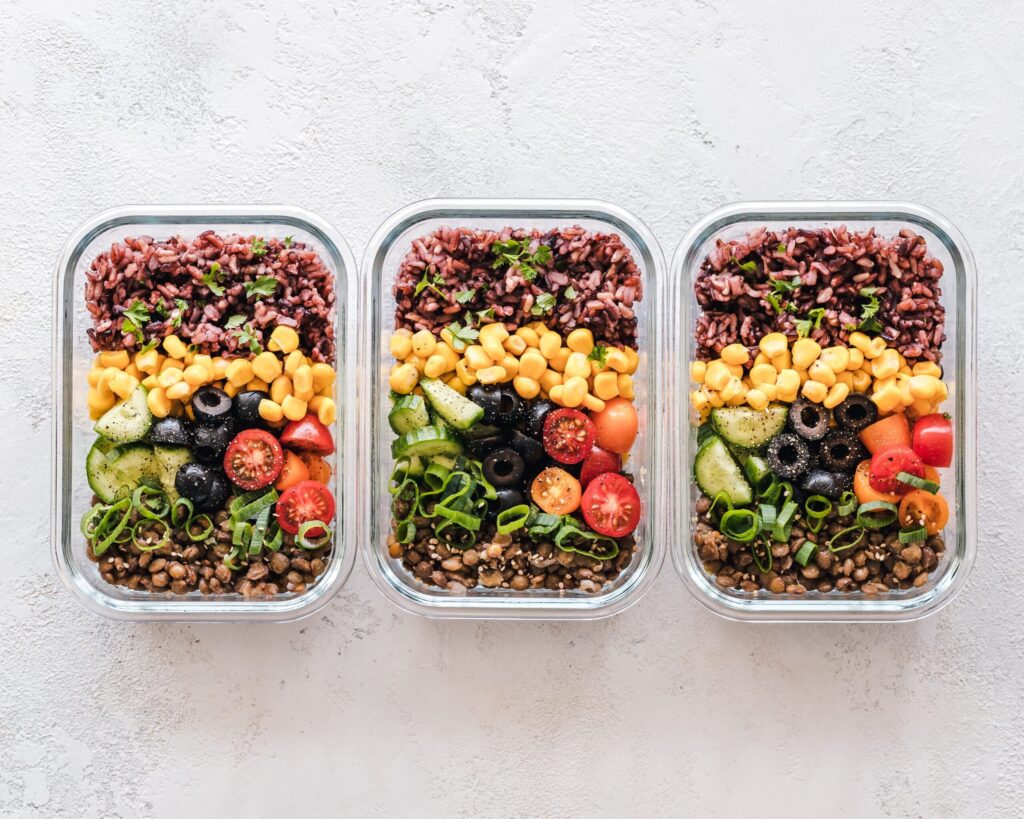
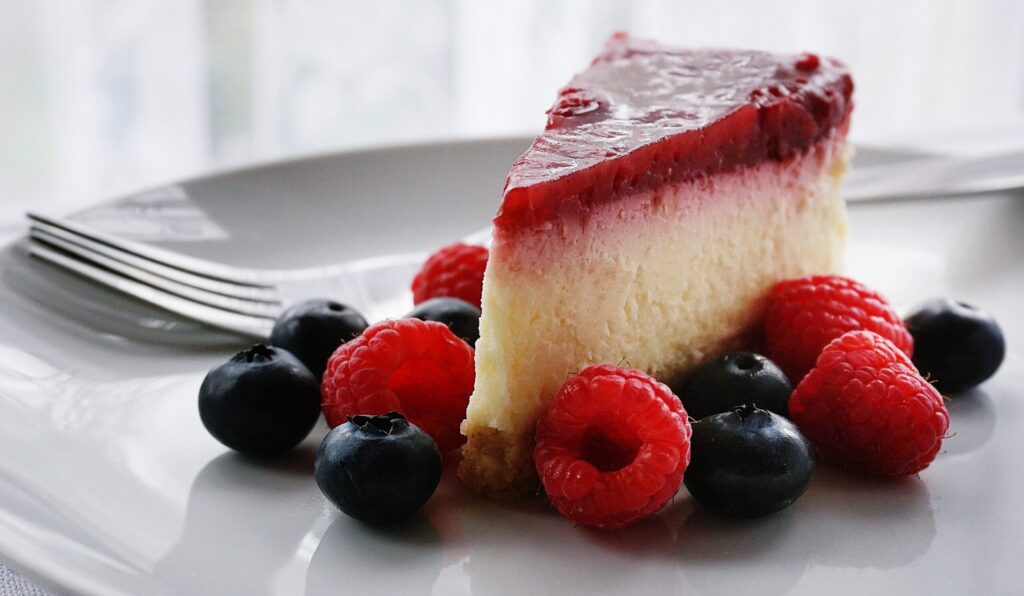
Add these high protein breakfast ideas into your nutrition.
A high-protein breakfast is critical for athletes who need sustained energy, optimal recovery, and efficient muscle protein synthesis throughout the day. Protein intake early in the day supports satiety, helps maintain lean body mass, and contributes to improved training performance.
Below are ten scientifically supported high-protein breakfast ideas designed specifically for athletes who need convenience without compromising on nutrition.
Why Protein Matters in the Morning
Protein is essential for muscle repair, adaptation, and growth. After an overnight fast, muscle protein breakdown exceeds synthesis, resulting in a net negative balance. Consuming protein in the morning helps shift this balance toward anabolism, supporting recovery and preparation for training sessions later in the day. Research consistently shows that 20–40 grams of high-quality protein per meal is optimal for stimulating muscle protein synthesis in active individuals.
Additionally, high-protein breakfasts improve satiety and reduce energy intake later in the day, which is especially useful for athletes managing body composition.
1. High Protein Breakfast Ideas: Greek Yogurt and Berry Bowl
Nutritional Rationale
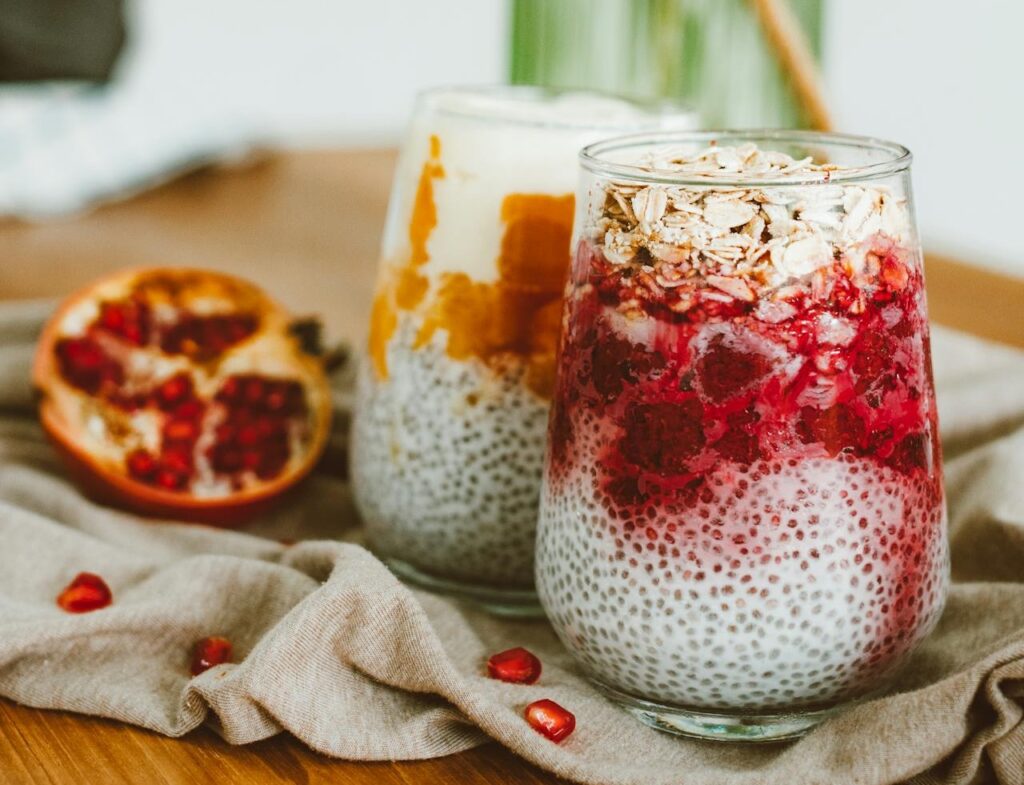
Greek yogurt provides around 17–20 grams of protein per serving (200 g), primarily casein, which digests slowly and sustains amino acid availability. When combined with berries, it delivers antioxidants that reduce exercise-induced oxidative stress.
Quick Preparation
- 200 g nonfat Greek yogurt
- 100 g mixed berries
- 20 g chopped nuts
- Optional: drizzle of honey
Protein content: ~22 g
2. High Protein Breakfast Ideas: Protein Oatmeal (“Proats”)

Nutritional Rationale
Oats are rich in complex carbohydrates and beta-glucan fiber, which stabilize blood sugar and provide slow-release energy. Adding whey protein optimizes the amino acid profile, especially leucine, which triggers muscle protein synthesis.
Quick Preparation
- 50 g rolled oats
- 30 g whey protein isolate
- 1 tablespoon nut butter
- Sliced banana for additional carbohydrates
Protein content: ~28–30 g
3. High Protein Breakfast Ideas: Egg and Spinach Wrap
Nutritional Rationale
Eggs are one of the highest-quality protein sources, with a complete amino acid profile. Spinach adds iron and nitrates, which may enhance endurance capacity by improving blood flow efficiency.
Quick Preparation
- 2 whole eggs + 3 egg whites
- 1 whole wheat tortilla
- 50 g sautéed spinach
Protein content: ~27 g
4. High Protein Breakfast Ideas: Cottage Cheese and Fruit Parfait
Nutritional Rationale
Cottage cheese is casein-rich and contains 14 g protein per 100 g. Paired with fruit, this breakfast provides both slow-digesting protein and essential micronutrients such as potassium and vitamin C.
Quick Preparation
- 200 g low-fat cottage cheese
- 1 sliced peach or pineapple chunks
- 20 g chia seeds
Protein content: ~30 g
5. High Protein Breakfast Ideas: Smoked Salmon on Whole Grain Toast
Nutritional Rationale
Salmon offers around 20 g protein per 100 g and is also a top source of omega-3 fatty acids, which reduce inflammation and support cardiovascular health—critical for recovery and endurance.
Quick Preparation
- 2 slices whole-grain bread
- 75 g smoked salmon
- 20 g cream cheese
Protein content: ~23 g
6. High Protein Breakfast Ideas: Overnight Protein Chia Pudding
Nutritional Rationale
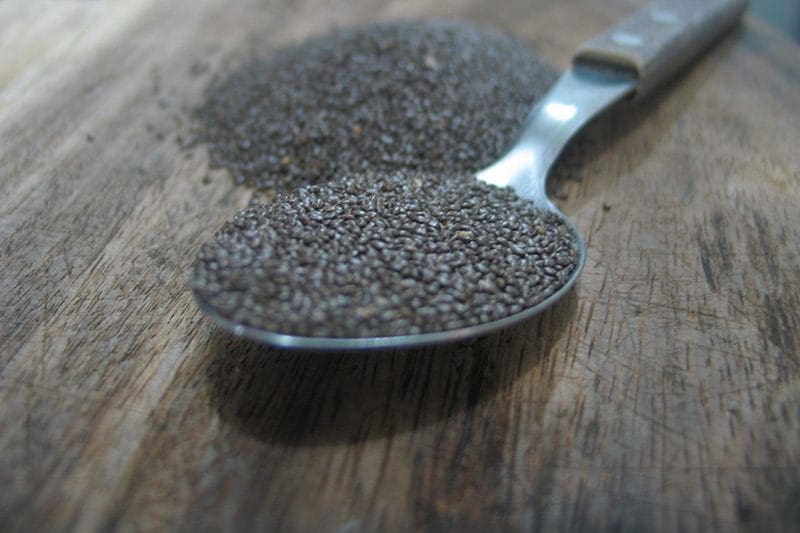
Chia seeds provide plant-based omega-3s and fiber but lack sufficient protein. By adding whey or plant-based protein powder, this dish becomes a complete high-protein breakfast option with added convenience for athletes on the go.
Quick Preparation
- 200 ml milk or plant milk
- 30 g chia seeds
- 25 g protein powder
- Refrigerate overnight
Protein content: ~25–27 g
7. Tofu Scramble with Vegetables
[wpcode id=”229888″]Nutritional Rationale
For plant-based athletes, tofu provides 10 g protein per 100 g and contains isoflavones that may support cardiovascular health. Cooking it with vegetables such as peppers and onions increases micronutrient intake.
Quick Preparation
- 200 g firm tofu
- 1 tablespoon olive oil
- Mixed vegetables
Protein content: ~22 g
8. High-Protein Smoothie
Nutritional Rationale
Smoothies allow athletes to combine fast-digesting proteins with carbohydrates for glycogen replenishment. Adding whey or pea protein ensures a rapid amino acid spike, beneficial post-morning training.
Quick Preparation
- 200 ml milk
- 30 g whey protein
- 1 banana
- 30 g oats
- 1 tablespoon peanut butter
Protein content: ~32 g
9. High Protein Breakfast Ideas: Quark with Nuts and Seeds
Nutritional Rationale
Quark is a strained dairy product common in Europe, with 10–12 g protein per 100 g, mostly casein. Combined with nuts and seeds, it creates a balance of protein, healthy fats, and micronutrients.
Quick Preparation
- 200 g low-fat quark
- 20 g almonds
- 10 g flaxseeds
Protein content: ~28 g
10. High Protein Breakfast Ideas: Turkey and Avocado Bagel
Nutritional Rationale
Turkey breast is lean, high in protein, and low in fat, with ~24 g protein per 100 g. Avocado contributes monounsaturated fats and potassium, supporting cardiovascular and muscle function.
Quick Preparation
- 1 whole-grain bagel
- 80 g sliced turkey breast
- 50 g avocado
Protein content: ~30 g
Practical Guidelines for Athletes
Optimal Protein Distribution
Scientific consensus emphasizes distributing protein evenly across meals. Consuming 0.25–0.4 g protein/kg body weight per meal maximizes muscle protein synthesis. For an 80 kg athlete, that equates to 20–32 g per meal, aligning with the recipes above.
Protein Sources
While animal proteins (whey, eggs, dairy, fish) are highly bioavailable, plant proteins can also be effective when consumed in sufficient amounts and complemented with varied sources to ensure essential amino acid coverage.
Timing Considerations
For athletes who train in the morning, consuming protein immediately after exercise supports recovery. For those training later, a high-protein breakfast still contributes to whole-day protein needs and prevents prolonged fasting-induced catabolism.
Conclusion
Busy athletes can benefit significantly from incorporating high-protein breakfasts that are convenient, versatile, and evidence-based. The ten examples above cover both animal and plant-based options, ensuring accessibility for diverse dietary preferences. A consistent approach to protein intake in the morning helps athletes optimize recovery, enhance performance, and maintain lean muscle mass.
Key Takeaways
| Breakfast Idea | Protein Content (approx.) | Key Benefits |
|---|---|---|
| Greek Yogurt & Berry Bowl | 22 g | Casein protein, antioxidants |
| Protein Oatmeal | 28–30 g | Complex carbs, leucine-rich whey |
| Egg & Spinach Wrap | 27 g | Complete protein, iron, nitrates |
| Cottage Cheese Parfait | 30 g | Casein protein, micronutrient-rich |
| Salmon on Whole Grain Toast | 23 g | Omega-3s, anti-inflammatory |
| Overnight Chia Pudding | 25–27 g | Fiber, omega-3s, customizable convenience |
| Tofu Scramble | 22 g | Plant protein, micronutrient-dense |
| High-Protein Smoothie | 32 g | Rapid absorption, carb-protein balance |
| Quark with Nuts & Seeds | 28 g | Casein-rich, healthy fats |
| Turkey & Avocado Bagel | 30 g | Lean protein, heart-healthy fats |
Bibliography
- Areta, J. L., Burke, L. M., Ross, M. L., Camera, D. M., West, D. W., Broad, E. M., … & Coffey, V. G. (2013). Timing and distribution of protein ingestion during prolonged recovery from resistance exercise alters myofibrillar protein synthesis. The Journal of Physiology, 591(9), 2319–2331.
- Morton, R. W., Murphy, K. T., McKellar, S. R., Schoenfeld, B. J., Henselmans, M., Helms, E., … & Phillips, S. M. (2018). A systematic review, meta-analysis and meta-regression of the effect of protein supplementation on resistance training-induced gains in muscle mass and strength in healthy adults. British Journal of Sports Medicine, 52(6), 376–384.
- Phillips, S. M., & Van Loon, L. J. (2011). Dietary protein for athletes: From requirements to optimum adaptation. Journal of Sports Sciences, 29(sup1), S29–S38.
- Witard, O. C., Jackman, S. R., Breen, L., Smith, K., Selby, A., & Tipton, K. D. (2014). Myofibrillar muscle protein synthesis rates subsequent to a meal in response to increasing doses of whey protein at rest and after resistance exercise. The American Journal of Clinical Nutrition, 99(1), 86–95.
- Thomas, D. T., Erdman, K. A., & Burke, L. M. (2016). Position of the Academy of Nutrition and Dietetics, Dietitians of Canada, and the American College of Sports Medicine: Nutrition and athletic performance. Journal of the Academy of Nutrition and Dietetics, 116(3), 501–528.