How crawling heals the body? Does it? Oh yes, it does. And you probably don’t do enough crawling (if any at all) during your workouts, but hopefully this article will change that mentality.
Technology has revolutionised our world, offering countless benefits that enhance our daily lives. Yet, it’s crucial to acknowledge the paradox it presents, especially concerning human movement. While we relish the conveniences and connectivity technology brings, there’s a significant downside: the decline in physical activity. This reduction in movement has led to a noticeable increase in various physical ailments, a concern that many of us have tried to address through endless Google and YouTube searches.
There’s a burgeoning industry focused on alleviating these physical discomforts. From therapeutic exercises to ergonomic furniture, the market is flooded with solutions claiming to ease our pain. However, one might wonder if these solutions address the root cause of our discomfort or merely provide temporary relief.
Amidst the plethora of remedies, there’s an ancient yet overlooked practice that could be the key to our physical woes: crawling. This fundamental movement, intrinsic to our developmental stages, might hold the secret to a healthier, more integrated body. But what does it mean to have a “connected” body? While it may sound abstract, the concept of bodily connection is rooted in the way all our movements are interlinked, ensuring our body functions as a cohesive unit.
The information you will see below is largely based on a video shared by Josh Hash. He is a movement coach who co-founded Strength Side alongside his brother Trevor Hash. They spent years in fitness from personal training to corrective exercise, to hand balancing. Strength Side’s YouTube Channel has over 1 million subscribers where videos are posted about different movement patterns and exercises to improve your athleticism and life-changing habits.
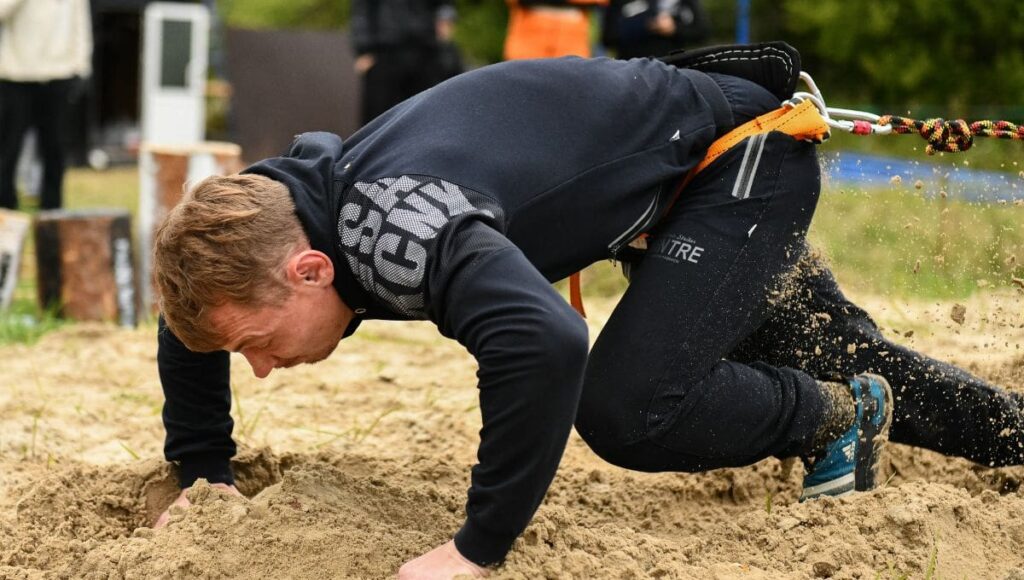
How Crawling Heals the Body
Humans evolved to move, with locomotion being a critical aspect of our survival. This movement isn’t isolated; it’s a coordinated effort involving the entire body. When we walk, there’s a symphony of actions: legs move in harmony with arms, and the transfer of weight is seamless. This natural movement pattern is mirrored in crawling, a primal movement that engages the whole body in a coordinated manner.
In contrast, modern lifestyles and conventional exercises often promote a more static, isolated form of movement. Sitting for extended periods or engaging in rigid, repetitive exercises can disrupt our natural movement patterns, leading to a sense of disconnection and, eventually, discomfort or pain.
Interestingly, a shift back to more primal, natural forms of movement, such as crawling, can rekindle this lost connection. These movements, often termed as primal, natural, or developmental, are not just physical exercises; they are a way to reacquaint our bodies with the fluid, integrated motions that are inherent to our biology.
The resurgence of interest in these primal movements, particularly in fitness subcultures, suggests a growing recognition of their benefits. These movements are not new; they have been integral to various disciplines, from martial arts to gymnastics, for their ability to enhance joint health, improve mobility, and foster a more resilient and adaptable body.
Embracing Primal Movement for a Healthier Body
The concept of re-engaging with primal movements like crawling isn’t just a fitness trend; it’s a return to the basics of human movement. By incorporating these exercises into our routines, we can work towards alleviating the physical ailments that have become all too common in our sedentary, technology-driven lives.
This approach to fitness is not about abandoning modern conveniences or eschewing traditional exercise. Instead, it’s about integrating these primal movements into our daily lives to restore our bodies’ natural balance and functionality. Whether it’s through a structured routine or simply being more mindful of how we move throughout the day, embracing these ancient movements can lead us towards a more connected, pain-free existence.
Read Also: 4 Best Joint-Strength Exercises for Long-Term Gains
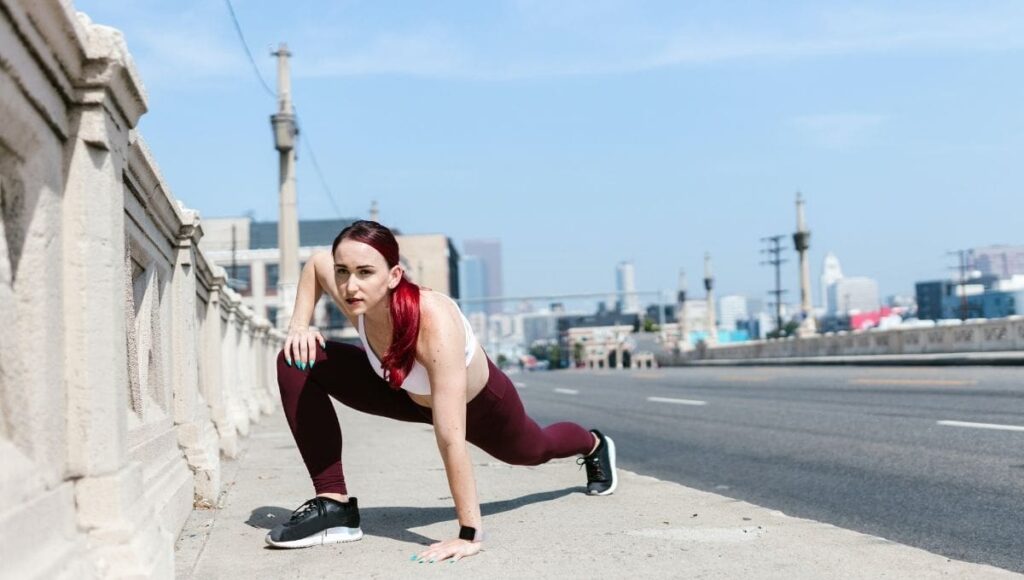
Examples of Crawling Movements and Benefits
exercises inspired by animal movements offer a distinctive approach to fitness, blending physical enhancement with mental and emotional well-being. Here’s a concise summary of the animal movements along with a deeper analysis of the benefits of crawling:
- Cat Crawl: This exercise mimics a feline’s movement, enhancing core stability, and coordination by requiring a synchronised motion of opposing limbs. It fosters a robust connection between the upper and lower body, aiding in the development of reflexive strength and fluid weight shifting.
- Bear Crawl: An evolution of the cat crawl, the bear crawl extends the legs and lifts the hips, targeting the posterior chain muscles. This movement enhances functional strength, reflecting everyday activities like standing or overcoming obstacles, while promoting balance and flexibility.
- Ape Traverse: This dynamic movement focuses on transferring weight between the arms and legs, incorporating jumps to boost agility. It’s particularly effective for improving lower body strength and mimics the actions necessary for navigating complex terrains.
- Crocodile Crawl: Introducing lateral movement, this exercise improves hip and spine mobility. It’s a nuanced fitness approach that goes beyond traditional exercises, targeting less frequently used muscles and enhancing overall mobility.
- Frog Crawl: Focusing on upper body strength, this crawl is foundational for advanced movements like handstands. It engages the core and arms significantly, while also allowing for exploration of hip mobility.
Related: The Only 5 Animal Movements you Need
Deeper Analysis of Crawling Benefits:
Crawling, a seemingly simple movement, offers profound benefits that extend beyond mere physical fitness. It activates numerous muscle groups, fostering intermuscular coordination and enhancing neurological efficiency. This primal movement rekindles the fundamental motor patterns we developed in early childhood, which are essential for more complex activities.
Moreover, crawling has been linked to improved spatial awareness, better balance, and increased proprioceptive skills. It encourages the brain to engage both hemispheres, promoting cognitive function and potentially leading to improved focus and problem-solving abilities.
Embracing these primal movements, particularly in a public setting, might initially seem daunting due to societal norms. However, the transformation in physical capabilities, coupled with the mental and emotional growth, makes this practice a compelling path toward holistic health. The Hash brothers’ philosophy underscores the notion that fitness should be an accessible, liberating journey, emphasizing the integration of these basic movements into daily routines to enhance longevity, joy, and overall well-being.
So, while technology has undoubtedly provided us with immense benefits, it’s vital to address the physical costs of our increasingly sedentary lifestyles. By turning to the ancient, yet profoundly effective practice of crawling, we can reconnect with our bodies’ innate movement patterns, fostering a sense of integration and well-being that transcends mere physical fitness. It’s an invitation to explore a more holistic approach to health, one that honours our evolutionary heritage and the intricate symphony of movements that define the human experience.
For a full explanation of how crawling heals the body, you can watch the video below. In it, Josh Hash goes deeper into the whys and hows of crawling and its benefits to the body and mind.
Check out more content from BOXROX:
How To Train Slow Twitch Fibre for More Muscle Growth
5 Best Bodyweight Exercises for Amazing Mobility
Why You Should Run to Build Muscle
10 Exercises You Probably Overlooked for Total Performance
Effective Knee-Strengthening Routine to Bulletproof Your Joints