Walking is one of the easiest and most accessible forms of exercise. Whether you’re new to fitness or looking for a low-impact way to boost your health, walking can be an excellent choice for shedding those extra pounds. But how fast should you walk to lose weight? Is there a “sweet spot” for speed, and does it really make a difference?
In this article, we’ll break down the relationship between walking speed and weight loss, the factors that influence calorie burning, and tips to get the most out of your walks. Whether you’re walking to stay active, improve your mood, or lose weight, understanding the science behind it will help you maximise your results.
How Walking Helps You Lose Weight
The Calorie-Burning Process
- Walking burns calories, which is essential for weight loss.
- Calories burned depend on factors like weight, walking speed, terrain, and duration.
- To lose weight, you need to create a calorie deficit—burning more calories than you consume.
Walking’s Low-Impact Advantage
- Unlike running or high-intensity exercises, walking is gentle on your joints, making it suitable for all ages and fitness levels.
- It’s an easy way to get your heart rate up without putting stress on your body.
- You can incorporate walking into your daily routine without the need for special equipment or a gym membership.
Why Walking Can Be Effective for Weight Loss
- Consistency is key, and walking is an activity you can do regularly without needing rest days for recovery.
- Walking can help reduce belly fat, especially when done at a brisk pace combined with a healthy diet.
- It can help maintain muscle mass while encouraging fat loss, which is important for long-term weight management.
Finding Your Optimal Walking Speed for Weight Loss
The Science Behind Walking Speed and Calorie Burn
- Studies have shown that walking at a moderate pace increases fat oxidation—the process of burning fat for energy.
- A study published in the Journal of Applied Physiology found that walking speeds of 4.8 to 6.4 km/h (3 to 4 mph) optimised fat burning without overstressing the body.
Moderate Pace (3-4 mph)
- Walking at a moderate pace is generally considered between 4.8 to 6.4 km/h (3 to 4 mph).
- This speed elevates your heart rate without leaving you breathless.
- It burns more calories than walking at a slower pace, with an average person burning 150 to 300 calories per hour depending on body weight.
Brisk Walking (4-5 mph)
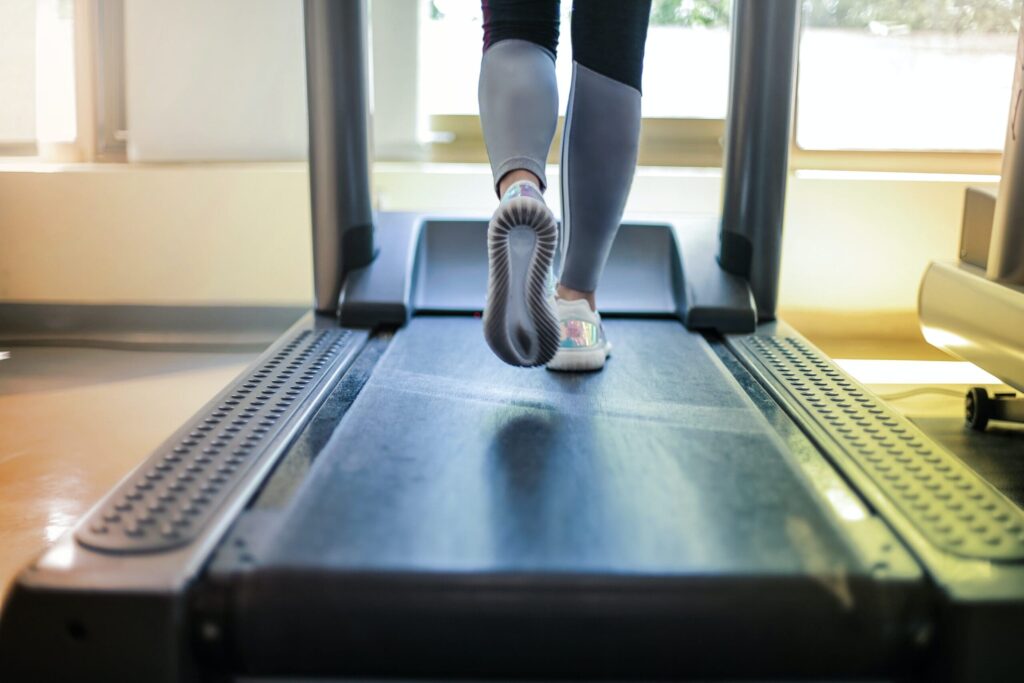
- For more intense calorie burning, a brisk pace of 6.4 to 8 km/h (4 to 5 mph) is recommended.
- This speed boosts cardiovascular health while burning more calories per minute.
- Brisk walking helps you achieve a higher calorie deficit in less time compared to moderate walking.
- A person weighing around 70 kg (154 lbs) burns approximately 370 calories per hour at this pace.
How to Get Better, Sexy Glutes – 5 Mistakes You MUST Avoid
Walking at Different Speeds for Interval Training
- Interval walking alternates between slow and brisk speeds, which can enhance weight loss by keeping your body guessing and increasing calorie expenditure.
- Studies suggest that interval walking can lead to greater fat loss and improve cardiovascular fitness.
- A sample interval walking routine might include 5 minutes at a slow pace, 3 minutes at a brisk pace, and repeating the cycle for 30-40 minutes.
How Long Should You Walk to Lose Weight?
The Importance of Duration Over Intensity
- While walking faster can burn more calories, walking for a longer time is also crucial.
- A general recommendation is to aim for at least 150 minutes of moderate-intensity exercise (such as brisk walking) per week, according to the NHS.
- For weight loss, however, longer durations may be needed—aim for 30-60 minutes of walking most days of the week.
Gradual Increases for Sustainable Weight Loss
- Start with 20-30 minutes of walking, 3-4 times a week, if you’re new to exercise.
- Gradually increase your walking time to 45-60 minutes, 5-6 times a week, for optimal weight loss.
- Consistency over time is more effective than trying to achieve rapid results.
Read Also: How to Use Walking to Get Down to 12% Body Fat
Walking for Active Weight Maintenance

- Once you’ve reached your target weight, walking can help you maintain it.
- Continuing with regular walking sessions can help prevent weight regain.
- Studies published in The American Journal of Clinical Nutrition suggest that maintaining a walking routine is one of the best strategies for keeping off lost weight.
Other Factors That Impact Weight Loss While Walking
Walking Uphill or Using Inclines
- Walking on an incline, whether outdoors or on a treadmill, can significantly increase calorie burn.
- Adding hills or inclines requires more effort, activating different muscle groups like your glutes and calves.
- Walking at an incline burns about 50% more calories compared to walking on flat terrain.
The Role of Diet in Weight Loss
- Walking alone isn’t a magic solution for weight loss—diet plays a crucial role.
- To lose weight, you need to combine exercise with a calorie-controlled, nutrient-dense diet.
- Eating more protein and fibre can help control hunger, supporting your weight loss efforts.
3 Healthy Foods You Should Eat at Breakfast if You Want to Lose Belly Fat
Adding Weights or Resistance
- Carrying light dumbbells or wearing ankle weights during your walk can add resistance and burn more calories.
- However, avoid going too heavy as it can strain your joints.
Consistency and Setting Goals
- Track your steps or distance using a fitness tracker to stay motivated.
- Set gradual goals to increase the number of steps or distance you walk over time.
- Aim for 10,000 steps per day as a general goal, which is roughly equivalent to 5 miles.
Health Benefits Beyond Weight Loss

Improves Cardiovascular Health
- Walking at a brisk pace strengthens the heart, lowering blood pressure and reducing the risk of heart disease.
- A study by the American Heart Association found that brisk walking can reduce the risk of heart-related conditions by up to 30%.
Reduces Stress and Improves Mental Health
- Walking, especially outdoors, is linked to reduced levels of stress and anxiety.
- The rhythmic nature of walking can improve mood, boost endorphins, and even aid in combating depression.
Strengthens Muscles and Bones
- Walking is a weight-bearing exercise, which helps improve bone density and muscle strength.
- Regular walking can reduce the risk of osteoporosis and keep your muscles toned without the need for heavy weightlifting.
Tips to Maximise Weight Loss Through Walking
Wear Proper Footwear
- Wearing supportive shoes designed for walking can prevent injuries and improve your walking experience.
- Choose shoes that fit well and provide adequate cushioning for long walks.
Stay Hydrated and Fuel Up
- Drink water before, during, and after your walk, especially on hot days or during longer walks.
- For walks longer than 60 minutes, consider eating a light snack rich in complex carbs or protein for sustained energy.
Mix Up Your Routes

- Vary your walking route to include different terrains like trails, parks, or city streets.
- This not only keeps your walks interesting but also challenges your muscles in different ways.
5 Food Hacks to Shed Belly Fat Faster
Use Technology to Track Your Progress
- Fitness trackers and apps can measure your steps, distance, speed, and calories burned.
- Tracking your progress helps you stay motivated and adjust your walking routine as needed.
Conclusion
Walking is a simple yet effective way to lose weight and improve your overall health. While there’s no one-size-fits-all approach to how fast you should walk to lose weight, aiming for a moderate to brisk pace between 4 to 5 mph is a good starting point. The key to success is consistency, duration, and combining your walking routine with a healthy diet and lifestyle.
Whether you’re just starting out or looking to enhance your fitness routine, walking offers a sustainable, low-impact way to achieve your weight loss goals. With the right speed, duration, and mindset, walking can become an integral part of your weight-loss journey, bringing both physical and mental benefits along the way.
Key Takeaways
| Point | Details |
|---|---|
| Optimal Walking Speed | A moderate to brisk pace of 4 to 5 mph (6.4 to 8 km/h) for best results. |
| Calorie Burn | Brisk walking burns up to 370 calories per hour, depending on weight. |
| Consistency | Walk 30-60 minutes most days of the week for sustainable weight loss. |
| Walking Intervals | Mixing slow and brisk intervals can boost fat burning and calorie expenditure. |
| Incline Walking | Walking uphill or on an incline burns 50% more calories. |
| Diet’s Role | Pair walking with a healthy, calorie-controlled diet for optimal results. |
| Mental and Physical Benefits | Walking improves cardiovascular health, reduces stress, and strengthens bones. |
Bibliography
- “How Much Walking Is Best for Weight Loss?” Journal of Applied Physiology, 2018.
- “Benefits of Walking for Weight Loss and Cardio Fitness.” American Heart Association, 2020.
- “Exercise and Weight Loss: What Works?” The American Journal of Clinical Nutrition, 2019.