In an era where modern medicine often leans towards surgical interventions for musculoskeletal issues, an age-old practice is making a resurgence for its therapeutic benefits.
Hanging, a simple act that might seem more at home in a child’s playground than in a therapeutic setting, is demonstrating significant health benefits that can reshape posture, heal shoulders, and even potentially increase height.
The Science and Benefits Behind Hanging
Recent studies and clinical observations have brought to light the efficacy of hanging for various physical ailments, particularly those related to the shoulders. Dr. John M. Kirsch has been a proponent of this method, reporting that prescribing hanging exercises to patients slated for shoulder surgery resulted in 90% of them avoiding the operation altogether. This revelation underscores the healing potential of hanging, raising questions about the underlying mechanisms that contribute to its effectiveness.
Read This Too: 15 Foods to Speed Up Muscle Growth
Hanging’s therapeutic benefits are largely attributed to its impact on the human shoulder structure. Our shoulders, designed for brachiation—the act of swinging from limb to limb as seen in apes—benefit immensely from the hanging motion. It facilitates the decompression of the spine, alleviates compression in the upper body caused by the sedentary lifestyle of modern society, and opens up muscles around the shoulder area that are prone to stiffness.
Read More: 8 Best Supplements to Build Muscle
In addition to improving structural and muscular health, hanging also increases grip strength, which has been identified as a significant predictor of mortality. A stronger grip correlates with a lower risk of death, highlighting the importance of incorporating hanging into regular fitness routines. Moreover, when practiced correctly, hanging strengthens the shoulders and core, enhancing overall strength and athleticism.
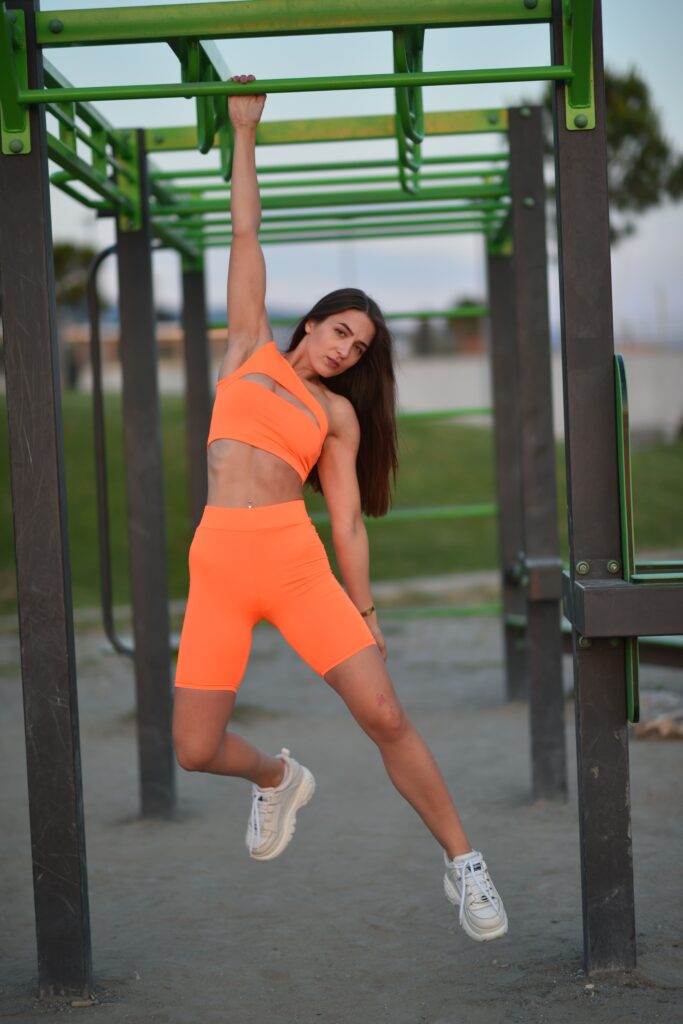
How to Practice Hanging Effectively
For those looking to incorporate hanging into their wellness routine, there are some key pointers to ensure maximum benefit:
- Start Slow: Begin with passive hanging to let gravity stretch your body. Over time, incorporate more active engagement.
- Mind Your Grip: Initially, your grip may tire quickly, but persistence will lead to stronger hands.
- Gradual Progression: Aim to hang for at least 60 seconds, but start with shorter durations or assisted hangs as needed.
- Listen to Your Body: Hanging should feel like a stretch, not painful. Consult a medical professional if you experience discomfort.
Beyond Two-Arm Hanging
While two-arm hanging offers substantial benefits, evolving to one-arm hanging can further enhance shoulder strength and flexibility, mimicking the natural brachiation of our primate ancestors. This progression not only challenges the body in new ways but also reacquaints it with movements that are deeply ingrained in our evolutionary history.
Personal Testimonies and the Way Forward
Many have found hanging to be transformative, citing improvements in shoulder health, posture, and overall physical capability. For individuals like the video creator, who have experienced chronic shoulder issues, hanging has provided a path to recovery that traditional methods could not.
As hanging gains recognition for its health benefits, it’s becoming an essential component of holistic physical wellness. Whether you’re seeking to heal from an injury, improve your physical fitness, or simply maintain a healthy lifestyle, the simple act of hanging could offer the solution you’ve been looking for.
Why Does Grip Strength Correlate with Mortality Rates?
Grip strength’s correlation with mortality rates has become a compelling area of research in the field of gerontology and preventive medicine.
This metric is increasingly recognized as a simple yet powerful prognostic marker for overall health, including longevity and the risk of developing chronic diseases. Here’s a look into why grip strength is so telling and some studies that back up its significance:
Indicator of Muscular Health
Grip strength is considered a surrogate measure for overall muscle strength and, by extension, muscular health. Muscles play a crucial role not just in mobility and physical activity but also in metabolic processes and the immune system. Stronger muscles can help reduce the risk of falls, enhance mobility, and improve the quality of life, particularly in older adults.
Association with Chronic Diseases
Several studies have found a strong association between weaker grip strength and increased risk of cardiovascular diseases, stroke, and diabetes. For instance, the Prospective Urban Rural Epidemiology (PURE) study, which encompassed over 140,000 participants across 17 countries, found that every 5-kilogram decrease in grip strength was associated with a 17% higher risk of cardiovascular mortality, a 17% greater risk of non-cardiovascular mortality, and a 7% higher risk of stroke or heart attack.
Predictive Value for Aging and Mortality
Grip strength has been identified as a reliable predictor for aging and mortality, outperforming other markers such as blood pressure and physical activity levels in some studies. A systematic review and meta-analysis published in “The Lancet” highlighted the predictive value of grip strength across various cohorts, underscoring its effectiveness as a marker for all-cause mortality, cardiovascular diseases, and cancer.
Reflective of Nutritional Status and Inflammation
Grip strength can also reflect nutritional status and levels of inflammation in the body. Malnutrition and chronic inflammation are known risk factors for numerous health conditions and poorer overall health outcomes. Strong grip strength may indicate better nutritional status and lower levels of harmful inflammation, contributing to a lower risk of mortality.
Studies and Research Findings
The Prospective Urban Rural Epidemiology (PURE) Study: As mentioned, this large-scale study demonstrated a significant association between grip strength and mortality risk, cardiovascular diseases, and stroke, emphasizing its global applicability across different populations and healthcare settings.
Meta-analysis in “The Lancet”: This comprehensive review consolidated data from multiple studies, establishing grip strength as a potent predictor of mortality and morbidity. The findings suggested that grip strength provides valuable insights into an individual’s health trajectory and potential lifespan.
British Medical Journal (BMJ) Study: Research published in the BMJ analyzed data from 500,000 participants in the UK Biobank, finding that grip strength was inversely associated with all-cause mortality, cardiovascular mortality, and cancer mortality, even after adjusting for confounders like physical activity levels and socioeconomic status.
These studies collectively underscore the importance of maintaining muscle strength as part of a holistic approach to health and longevity. Grip strength, accessible through simple measurement tools, offers a practical and non-invasive indicator of an individual’s health status and risk factors, making it a valuable addition to routine health assessments.
What Muscles Does Hanging Work?
Hanging is a surprisingly effective exercise that engages multiple muscle groups, primarily targeting the upper body but also involving core muscles for stabilization. Here’s a breakdown of the muscles worked during a hanging exercise:
Grip Strength (Forearm Muscles): Hanging primarily works the muscles involved in grip strength, which include the forearm flexors (such as the flexor digitorum profundus and flexor carpi radialis) and the forearm extensors. These muscles are crucial for holding onto the bar and maintaining the grip throughout the duration of the hang.
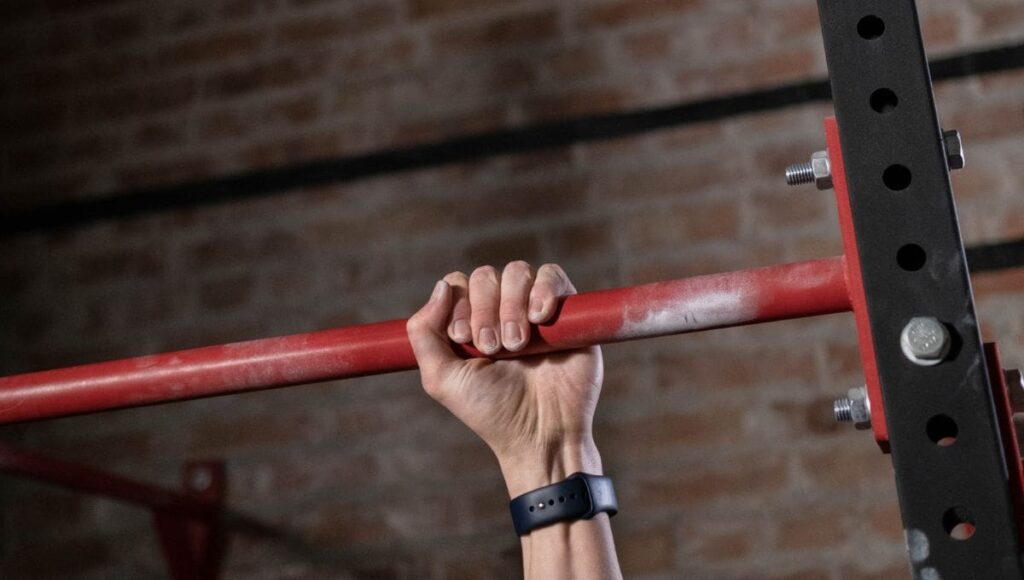
Shoulders (Deltoids and Rotator Cuff): The act of hanging places a gentle stretch and stress on the shoulder muscles, including the deltoids and the rotator cuff group (supraspinatus, infraspinatus, teres minor, and subscapularis). This helps in strengthening and stabilizing the shoulder joint.
Upper Back (Latissimus Dorsi, Trapezius, Rhomboids): Hanging activates the latissimus dorsi, which are the large muscles on the sides of the back, as well as the trapezius and rhomboids. These muscles work together to stabilize the shoulders and upper back during the hang.
Scapular Stabilizers: The muscles around the scapulae (shoulder blades), such as the serratus anterior, are engaged during hanging. These muscles are essential for scapular health and shoulder stability.
Core Muscles (Abdominals and Obliques): Although not as directly targeted as the upper body muscles, the core muscles, including the abdominals and obliques, are engaged to stabilize the body during a hang. A strong core is necessary to maintain proper alignment and prevent swinging.
Biceps and Triceps: While the biceps and triceps are not the primary muscles worked during a passive hang (where the arms are straight), they can become more engaged during active hanging exercises where the arms are bent or when performing movements like pull-ups.
Hanging exercises can vary in intensity and focus depending on the type of hang performed. Passive hangs, where the body is relaxed, focus more on stretching and decompressing the spine and joints. Active hangs, where the shoulder blades are pulled down and back, engage the muscles more intensely for strength building. Including variations, such as one-arm hangs or using different grips, can alter which muscles are engaged and to what extent.
Incorporating hanging into your workout routine can improve grip strength, shoulder stability, and overall upper body strength, and even contribute to better posture by counteracting the compressive forces of sitting and standing habits.