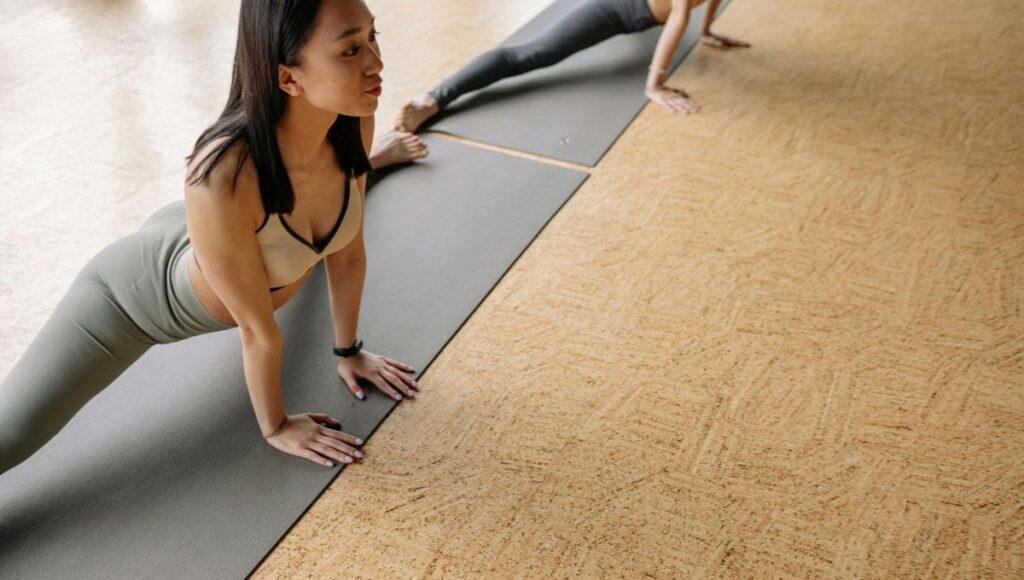
In this interesting account from Calisthenics Movement, they explain the causes and effective cures that worked for them when it came to back pain.
Lower Back Pain
Lower back pain is a common issue many of us face, often as a result of our daily routines and lifestyle choices.
My own journey through lower back pain taught me valuable lessons on overcoming it, which I believe can help others too. In 2021, while working on a new mobility program, I found myself spending excessive amounts of time seated – around 8-10 hours a day, for 6-7 days a week, due to both work and leisure activities.

This, combined with a lengthy daily commute, meant I was sitting for about 12-14 hours on most days. Ironically, during this period, I reduced my regular training sessions, neglecting the very mobility training I was promoting to relieve back pain.
Turning Point
The turning point came when I realized that my back pain, though not caused by severe issues like a bulged or herniated disc, required attention and care. I made simple yet effective changes to my routine, which significantly alleviated my pain.
Firstly, I increased the frequency of my strength training sessions to three to four times a week and incorporated 15 to 20 minutes of mobility training daily. This routine, designed to be short and easily integrated with strength training, ensured I no longer had excuses to skip mobility work.
Movement
Additionally, I introduced more frequent breaks during work hours, making an effort to move around, especially to hydrate. I also learned the importance of varying my sitting positions to avoid prolonged stress on my lower back. Among the most beneficial adjustments was incorporating desk-friendly mobility exercises, like the sitting knee tuck, which helps release tension in the lower back muscles.
This experience taught me that almost anyone can suffer from back pain, particularly if engaging in repetitive tasks without counteractive measures. Regular strength and mobility exercises, varied sitting positions, and general movement are key to preventing and managing lower back pain. However, it’s crucial to approach workouts with caution, as incorrect or excessive exercise can contribute to back pain.
For those looking to delve deeper into preventing workout-related back issues, resources like detailed videos on common mistakes and online courses are invaluable. Programs designed to strengthen and maintain a pain-free back are particularly beneficial, offering structured guidance and support.
A Holistic Process
Remember, managing back pain is a holistic process that involves regular exercise, mindful movement, and lifestyle adjustments. By adopting these practices, not only can we alleviate existing pain, but we can also prevent future discomfort and enjoy a healthier, more active life.
Read More: What is Caloric Deficit and How Much Is It Safe?
What are the Causes of Back Pain?
Back pain is a common ailment that can stem from a variety of causes, ranging from acute injuries to chronic conditions. Understanding these causes is crucial for effective prevention and treatment. Here are some of the most common causes of back pain:
Muscle or Ligament Strain: Heavy lifting or sudden awkward movements can strain back muscles and spinal ligaments. Chronic strain can also result from poor posture or repetitive motions over time.
Bulging or Ruptured Disks: Disks act as cushions between the bones (vertebrae) in your spine. The soft material inside a disk can bulge or rupture and press on a nerve, leading to back pain. However, disk abnormalities can be present without causing pain.
Arthritis: Osteoarthritis can affect the lower back. In some cases, arthritis in the spine can lead to a narrowing of the space around the spinal cord, a condition called spinal stenosis.
Skeletal Irregularities: Conditions like scoliosis, a curvature of the spine, can lead to back pain, usually in adulthood.
Osteoporosis: This condition involves bones becoming porous and brittle, potentially leading to fractures in the vertebrae of the spine.
Poor Posture: Chronic poor posture during sitting, standing, and walking can lead to back pain over time by putting unnecessary strain on the back muscles and spinal discs.
Sedentary Lifestyle: Lack of regular exercise can weaken the muscles of the back and the abdomen, leading to increased pressure on the spine and, consequently, pain.
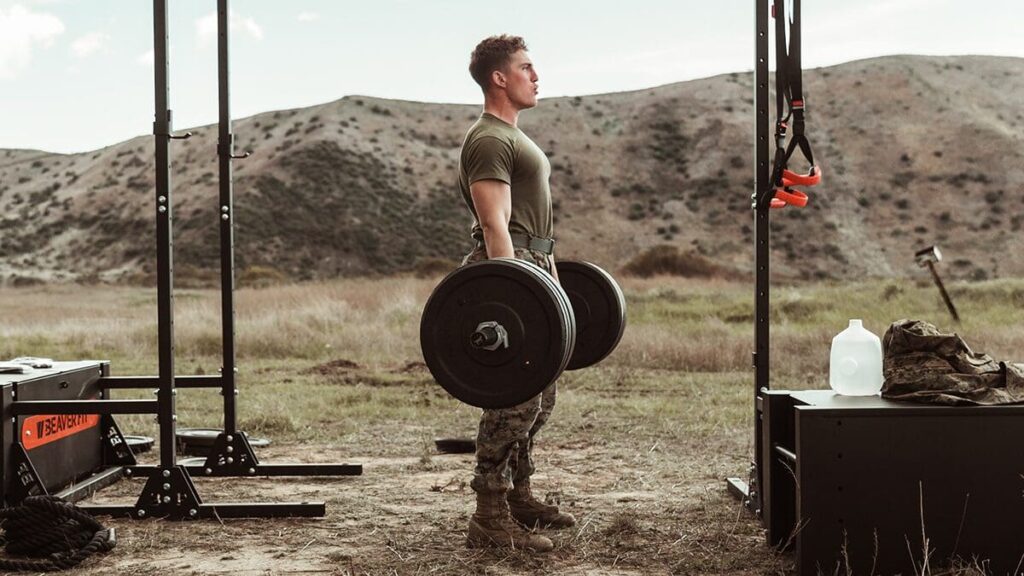
Excessive Weight: Carrying extra weight, especially around the midsection, can put additional strain on the back muscles and spinal structures.
Injuries and Accidents: Falls, sports injuries, and other accidents can cause acute back pain due to sprains, fractures, or serious conditions like spinal cord injury.
Stress and Tension: Emotional stress can lead to muscle tension in the back, which can be experienced as back pain or discomfort.
Diseases: In some cases, back pain can be a symptom of specific diseases such as cancer of the spinal cord, kidney infections, or other infections that affect the vertebrae.
Many of these causes are interrelated, and back pain can result from a combination of factors. If you experience persistent back pain, it’s important to seek medical advice to determine the underlying cause and appropriate treatment. Lifestyle changes, physical therapy, medication, or in some cases, surgery, can be part of an effective treatment plan.
What are the Muscles of the Back?
The back is comprised of a complex structure of muscles that support the spine, facilitate movement, and stabilize the body.
These muscles are categorized into three groups based on their location and function: superficial (extrinsic) muscles, intermediate muscles, and deep (intrinsic) muscles. Here’s an overview of these groups and the key muscles within each:
Superficial (Extrinsic) Muscles
These muscles are associated with movements of the shoulder and are involved in respiratory functions. They include:
- Trapezius: This large, triangular muscle extends over the back of the neck and shoulders, and is involved in moving the scapula (shoulder blade) and supporting the arm.
- Latissimus Dorsi: Known as the “lats,” this broad, flat muscle on the back helps in the movement of the shoulders, playing a crucial role in pulling motions.
- Rhomboids (Major and Minor): Located between the spine and the scapula, these muscles help in retracting (pulling back) the scapula.
- Levator Scapulae: This muscle elevates the scapula and aids in bending the neck sideways.
Intermediate Muscles
These muscles aid in the mechanics of respiration by moving the rib cage. They include:
Serratus Posterior Superior: This muscle elevates the ribs, aiding in inhalation.
Serratus Posterior Inferior: It depresses the ribs, which assists in exhalation.
Deep (Intrinsic) Muscles
The deep muscles are primarily responsible for the movement and stabilization of the spine. They are further divided into several layers:
Superficial Layer
Erector Spinae: A group of muscles and tendons which run vertically along the spine. It’s divided into three columns: Iliocostalis, Longissimus, and Spinalis. These muscles extend the back and provide posture support.
Intermediate Layer
- Semispinalis: This muscle group extends from the thoracic region to the head and is involved in extending and rotating the head and thoracic spine.
- Multifidus: A series of small muscles that run along the spinal column, providing stabilization and support to the spine.
- Rotatores: Small muscles that assist with the rotation of the spine and help maintain posture.
Deep Layer
Interspinales and Intertransversarii: These muscle groups are located between the spinous and transverse processes of the vertebrae, respectively. They play a role in stabilizing the spine and assisting with spinal extension and lateral flexion.
The back’s muscular system is essential for supporting the vertebral column, facilitating movement, and protecting the spinal cord.
Proper function of these muscles is crucial for overall mobility and stability, highlighting the importance of maintaining back health through regular exercise, proper posture, and ergonomics.