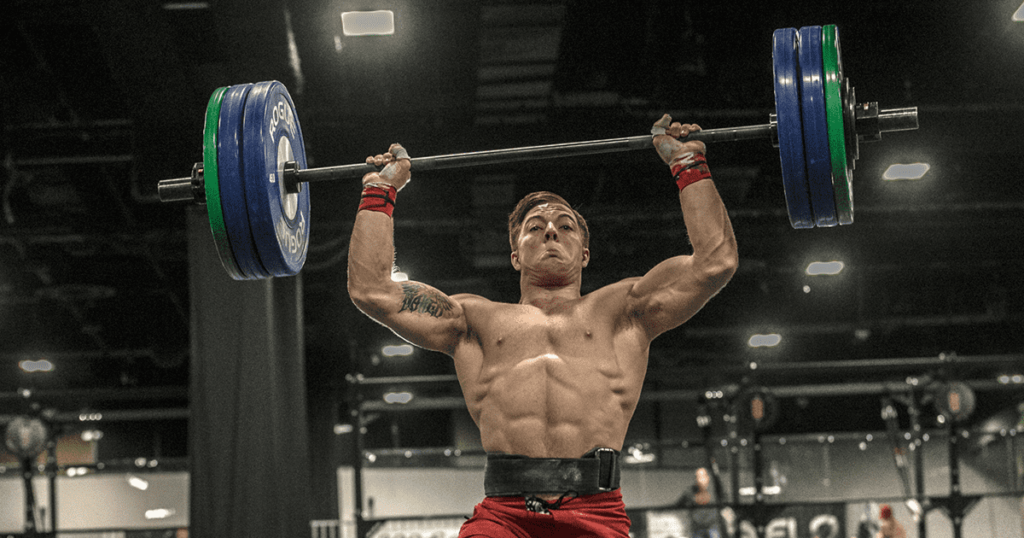
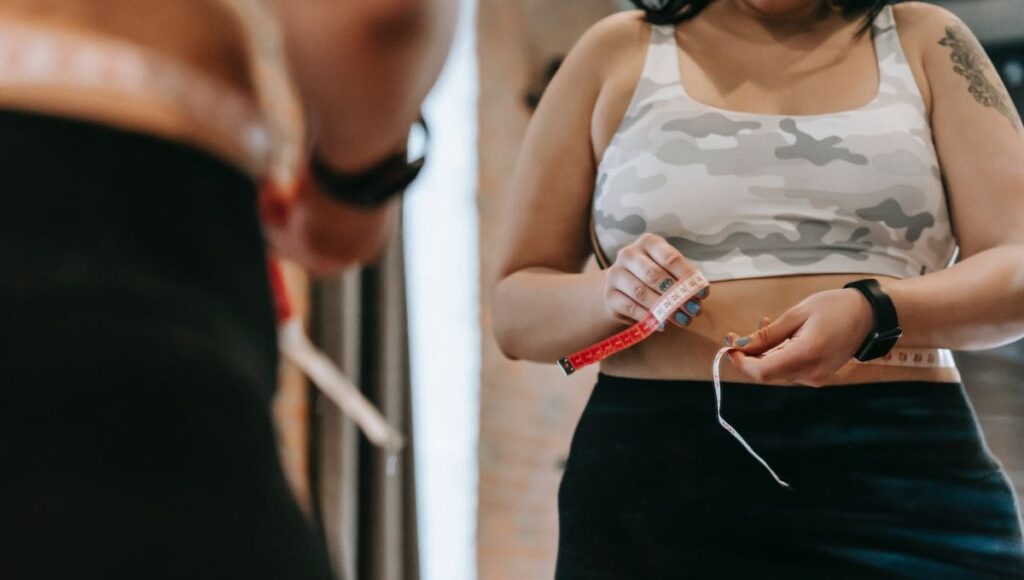
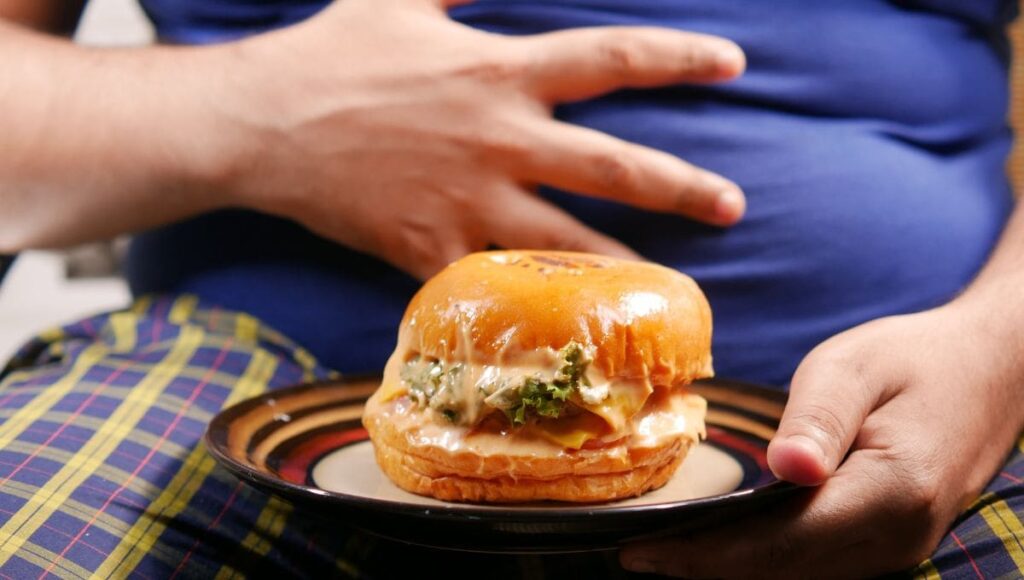
Losing 10% of body fat is a popular fitness goal, but it can feel like a daunting task. How long does it really take? The answer depends on several factors, including your starting body composition, lifestyle, diet, and exercise habits. While rapid fat loss might sound tempting, achieving it safely and sustainably is key to maintaining your results.
In this article, we’ll explore what you need to know about losing 10% body fat, including timelines, effective strategies, and scientific insights to guide your journey.
What Is Body Fat Percentage and Why Does It Matter?
Understanding Body Fat
- Definition: Body fat percentage represents the proportion of your body mass made up of fat versus lean tissue (muscle, bones, water, etc.).
- Ranges for health: According to the American Council on Exercise (ACE), ideal body fat percentages differ for men and women:
- Men: 6–24% (essential fat: 2–5%)
- Women: 14–31% (essential fat: 10–13%)
Health Implications

- Lowering body fat can reduce the risk of heart disease, diabetes, and other metabolic conditions.
- Maintaining essential fat levels is crucial for overall health.
- Extreme reductions in body fat (below essential levels) can lead to hormonal imbalances and weakened immunity.
Read Also: Study Reveals This Exercise Suppress Hunger in Women More than Men
Why 10% Body Fat Reduction?
- A 10% drop can dramatically improve physical appearance and health markers, such as cholesterol levels and insulin sensitivity.
- For someone with a starting body fat of 30%, reducing to 20% aligns with entering a “healthy” range.
Factors That Affect How Long It Takes to Lose 10% Body Fat
Starting Body Fat Percentage
- People with higher initial body fat may lose fat faster than leaner individuals due to greater energy reserves.
- Example: A person at 35% body fat will likely notice faster results than someone at 15%.
Caloric Deficit
- Fat loss occurs when you consume fewer calories than your body burns. A deficit of 500–1000 calories per day can result in a safe fat loss rate of 0.5–1kg per week (3,500 calories = 0.45kg of fat).
- Over-aggressive deficits can lead to muscle loss, fatigue, and rebound weight gain.
Activity Levels
- Exercise boosts fat loss by increasing calorie expenditure and preserving lean muscle.
- High-Intensity Interval Training (HIIT) and strength training are particularly effective.
Related: How to Build 10lbs of Muscle While Losing Fat
Diet Quality
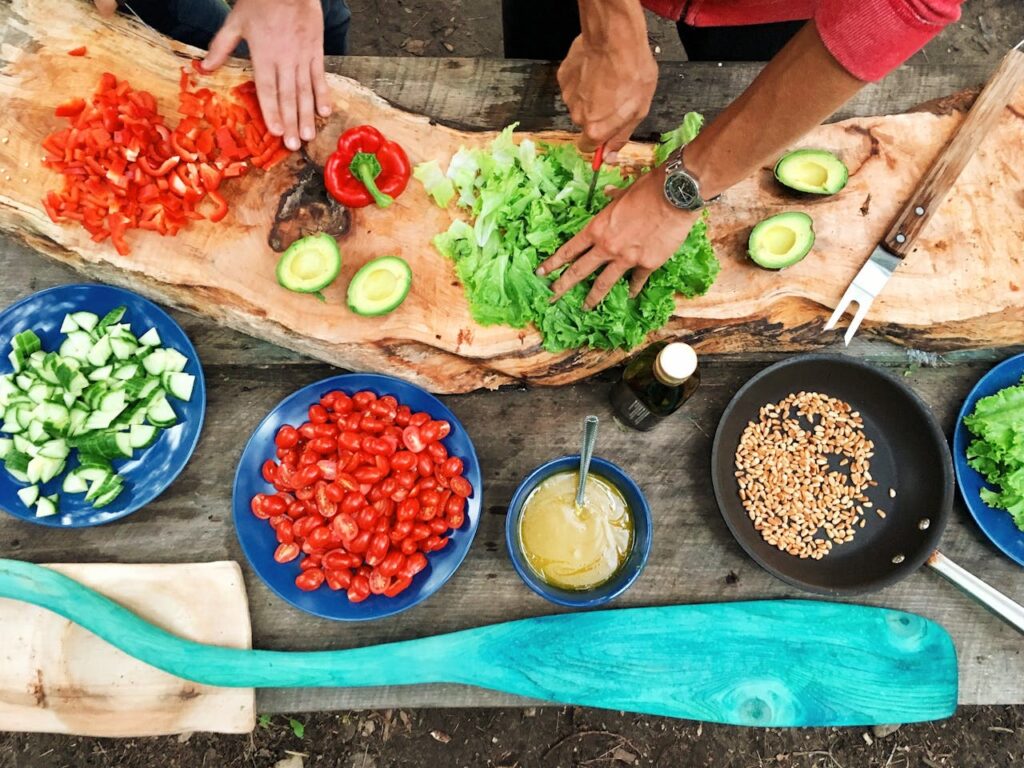
- Prioritising high-protein, nutrient-dense foods while minimising processed, high-sugar items supports fat loss and muscle maintenance.
- Macronutrient balance (carbs, fats, proteins) plays a role in energy levels and satiety.
Individual Metabolism
- Genetics, hormonal health, and age impact the speed of fat loss.
- Metabolic adaptation can slow progress if calorie restriction is extreme or prolonged.
Sleep and Stress
- Chronic stress elevates cortisol, which may increase fat storage, particularly in the abdominal area.
- Lack of sleep disrupts hunger-regulating hormones like ghrelin and leptin, making it harder to stick to a diet.
Realistic Timelines for Losing 10% Body Fat
Safe and Sustainable Fat Loss Rates
- The general recommendation is to aim for 0.5–1% body fat loss per week.
- For someone with 30% body fat, reducing 10% could take 10–20 weeks (2.5–5 months).
Faster Fat Loss vs. Sustainability

- Aggressive approaches (e.g., severe calorie restriction) might yield faster results but often lead to muscle loss, metabolic slowdown, and weight regain.
- Slow and steady wins the race: sustainable methods are more likely to produce long-term success.
Case Studies
- Example 1: A sedentary individual reducing calorie intake moderately and adding 3–4 exercise sessions weekly could lose 10% body fat in 4–6 months.
- Example 2: An active person with structured workouts might achieve this in as little as 8–12 weeks.
5 Steps to Do In Order to Get Ripped Before 2025
Effective Strategies to Lose 10% Body Fat
1. Create a Caloric Deficit
- Use a calorie calculator to determine maintenance levels. Subtract 500–750 calories daily for steady fat loss.
- Track intake using apps like MyFitnessPal or Cronometer.
2. Prioritise Protein
- Protein aids in muscle preservation and keeps you feeling fuller longer.
- Aim for 1.6–2.2g of protein per kilogram of body weight daily.
3. Incorporate Strength Training

- Builds and maintains lean muscle, which increases resting metabolic rate.
- Train major muscle groups 2–3 times per week using compound exercises (e.g., squats, deadlifts).
4. Add Cardiovascular Exercise
- Combine steady-state cardio (e.g., walking, cycling) with HIIT sessions for optimal fat-burning.
- Aim for 150–300 minutes of moderate-intensity aerobic activity per week (NHS guidelines).
5. Optimise Sleep and Stress Management
- Sleep 7–9 hours per night to regulate hunger hormones and improve recovery.
- Use stress-reduction techniques like mindfulness, yoga, or journaling.
6. Stay Consistent with Small Habits
- Swap sugary snacks for whole foods.
- Drink plenty of water (2–3 litres daily).
- Monitor progress weekly but avoid obsessing over fluctuations.
Read Also: 6 Great Techniques to Speed Up Body Fat Loss
Common Pitfalls to Avoid
Crash Dieting
- Results in muscle loss and a sluggish metabolism, making long-term fat loss harder.
Ignoring Strength Training
- Leads to a “skinny fat” appearance due to loss of muscle mass.
Overestimating Activity Levels
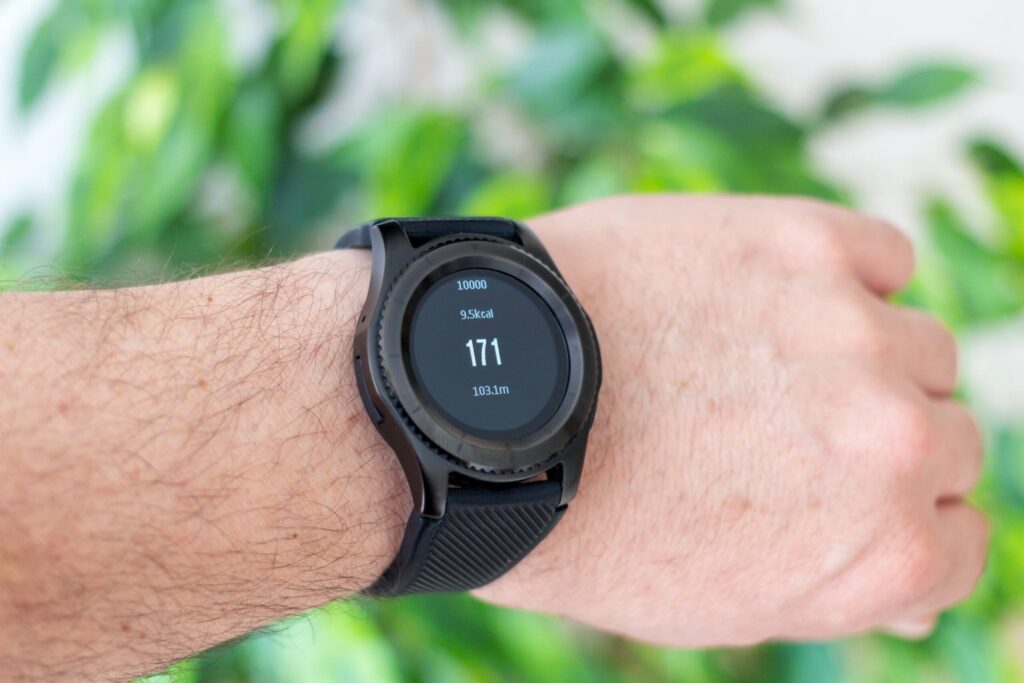
- Fitness trackers can overestimate calorie burn, leading to overconsumption.
Unrealistic Expectations
- Social media often showcases extreme transformations that may involve unhealthy practices.
Conclusion
Losing 10% body fat is an achievable and rewarding goal, but it requires patience and consistency. While timelines vary, most people can expect results within 10–20 weeks with a balanced approach. Focus on sustainable habits like maintaining a caloric deficit, prioritising protein, strength training, and managing stress. Remember, fat loss isn’t linear—setbacks are normal. By staying committed and making gradual changes, you’ll not only achieve your goal but also enjoy lasting health benefits.
Key Takeaways Table
| Factor | Details |
|---|---|
| Starting Body Fat Percentage | Higher body fat leads to faster initial losses; lean individuals take longer. |
| Caloric Deficit | Aim for a deficit of 500–750 calories daily for 0.5–1kg of fat loss per week. |
| Exercise | Combine strength training (2–3x weekly) with cardio for optimal results. |
| Diet Quality | High-protein, nutrient-dense diets support muscle preservation and satiety. |
| Realistic Timelines | Losing 10% body fat takes 10–20 weeks for most individuals. |
| Lifestyle Factors | Manage stress, get adequate sleep, and track progress for sustainable results. |
Bibliography
- American Council on Exercise. (2014). Body Fat Percentage Categories.
- Hall, K. D., et al. (2011). “Quantification of the effect of energy imbalance on body weight.” The Lancet, 378(9793), 826-837.
- NHS. (2021). Physical activity guidelines for adults
- Schoenfeld, B. J., & Aragon, A. A. (2018). “How much protein can the body use in a single meal for muscle-building? Implications for daily protein distribution.” Journal of the International Society of Sports Nutrition, 15(1).