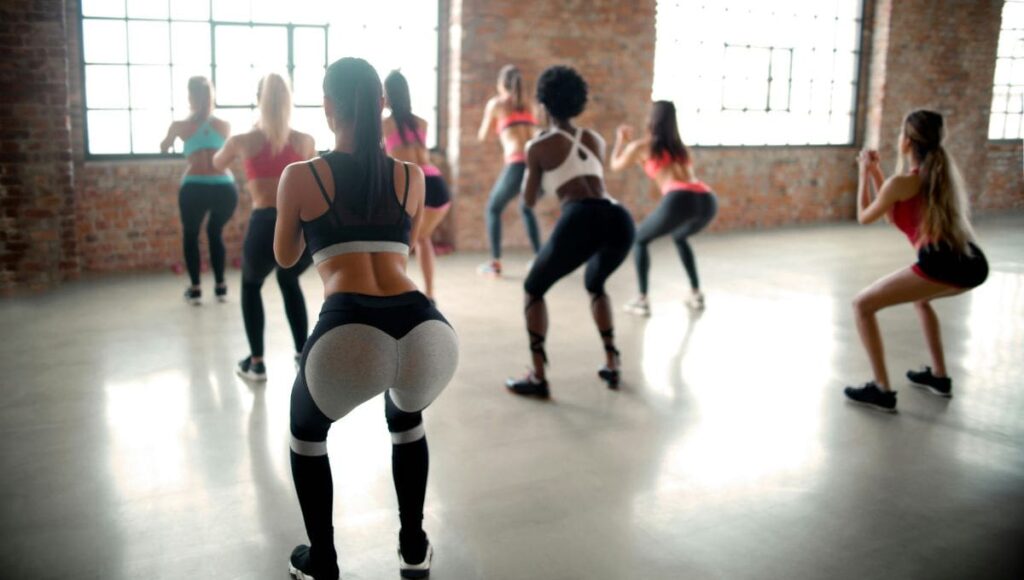
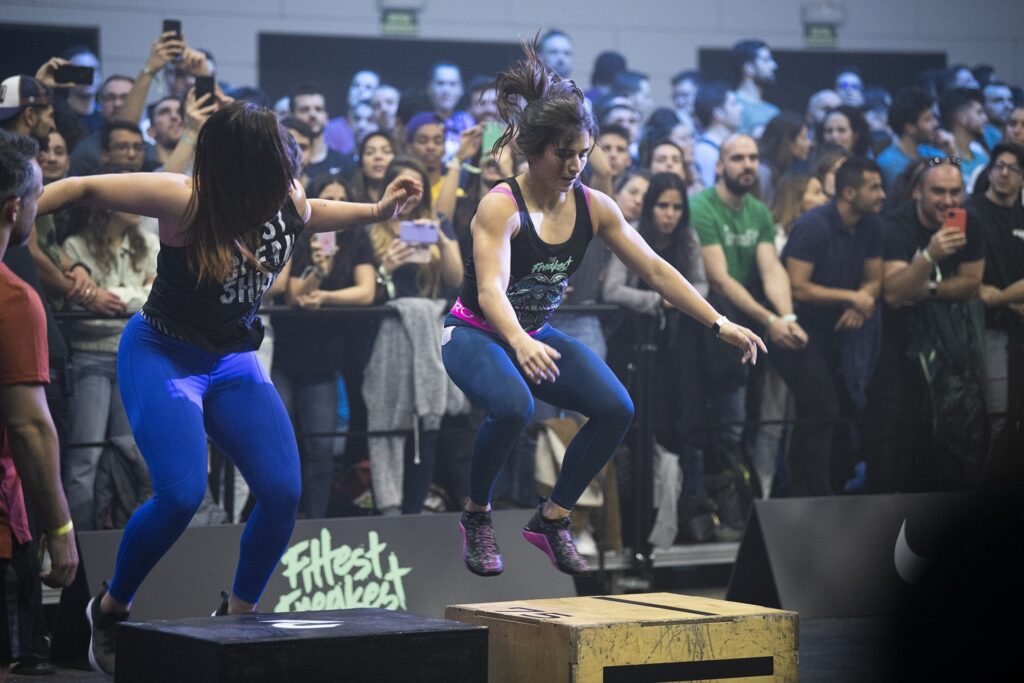
Learn more about how squats heal the body.
For a long time, squats were mistakenly believed to be detrimental to one’s health, especially when performed with knees bent beyond 90 degrees.
This misconception has led to widespread avoidance of deep squats, contributing significantly to the prevalence of knee, hip, and back pain, along with complications related to ankle mobility.
However, the last decade has witnessed a significant shift in this perception, with squats being reclaimed for their numerous health benefits.
How Squats Heal the Body: The King of Exercises
Squats, often hailed as the king of exercises in strength and conditioning circles, are known for their ability to build muscle, burn fat, and potentially increase testosterone levels. But beyond these widely recognized advantages, squats offer profound benefits that can dramatically improve one’s quality of life.
More than just an exercise, squats represent a fundamental category of movement involving the lowering of hips towards the ground, which can be performed in various ways, some of which have been wrongly labeled as harmful.
How Squats Heal the Body: Squatting Around the World
In cultures around the world, particularly traditional ones, the incidence of back pain is remarkably low despite high levels of physical labor and limited access to healthcare.
Read This Too: 15 Foods to Speed Up Muscle Growth
This phenomenon is partly attributed to the frequent use of squat-like positions, which play a crucial role in maintaining joint mobility and flexibility, particularly in the hips. Such positions are not only natural but essential for spinal health, offering decompression benefits and reducing lower back tension.
How Squats Heal the Body: Improved Digestion
Moreover, the act of squatting has been linked to improved digestion, due to the alignment it provides to our internal organs, mirroring the natural human posture before the advent of modern toilets.
Squatting also promotes healthier breathing patterns, encouraging diaphragmatic breathing over chest breathing, which can lead to a more relaxed state of mind.
Despite the benefits, transitioning to a lifestyle that incorporates regular squatting can be challenging due to physical limitations like stiff ankles or hips. Techniques such as elevating the heels on books or using support for balance can facilitate a more comfortable squatting position.
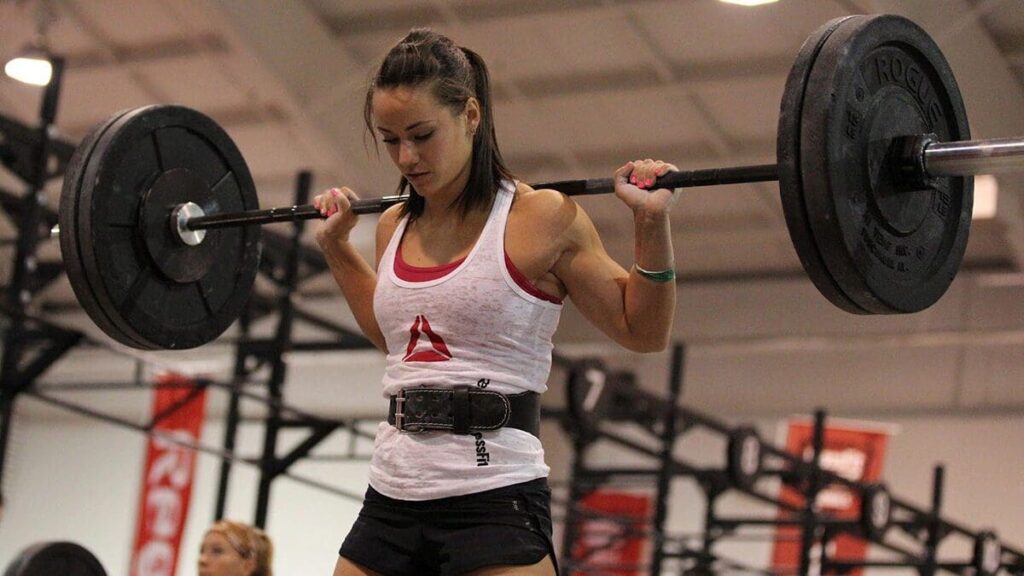
Over time, and with practice, these modifications can help overcome initial discomfort and lead to greater flexibility and strength in the ankles, which is crucial for adopting a squatting lifestyle.
Integrating Squatting into Daily Life
The journey towards integrating squats into daily life also involves a mindful approach to footwear, with a recommendation for minimalistic shoes that allow for natural foot movements, enhancing foot and ankle health.
How Squats Heal the Body: 8 Best Supplements to Build Muscle
Regular squatting, as part of a balanced fitness routine, contributes not only to leg and core strength but also to overall body wellness, making it a powerful tool for improving life quality.
Adaptable and Versatile
Squats are adaptable, with various forms like the goblet squat or single-leg squat catering to different fitness goals, from building power to enhancing mobility and balance. The key to reaping the full benefits of squats lies in gradual integration and moderation, avoiding the pitfalls of overtraining and focusing on the natural, functional aspects of this fundamental movement.
Squats are much more than a mere exercise; they are a gateway to improved health, offering a range of benefits from enhanced muscle strength to better digestion and respiratory health.
By embracing squats and incorporating them into our daily routines, we can significantly improve our physical well-being and quality of life.
The Video
Check out the breakdown from Strength Side.
What Muscles Do Squats Work?
Squats are a comprehensive, compound exercise that targets multiple muscle groups across the body, making them an efficient and effective movement for strength training and overall fitness. Here’s a breakdown of the primary muscles engaged during a squat:
Quadriceps
The quadriceps, located at the front of the thigh, are heavily involved in the squat. They are responsible for extending the knee and play a critical role in the upward phase of the squat.
Gluteus Maximus
The glutes, or buttock muscles, are another major group targeted by squats. They are engaged during the lifting and lowering phases of the squat, particularly when you push through your heels to return to a standing position.
Hamstrings
Situated at the back of the thigh, the hamstrings work in tandem with the quadriceps during squats. They help in hip extension and knee flexion during the movement.
Adductors
The adductors, or inner thigh muscles, are engaged to stabilize the legs during a squat, working to keep the knees in line with the toes.
Hip Flexors
Hip flexors are involved in the lowering phase of the squat, helping to control the descent and stabilize the hips.
7 Foods That Cause Inflammation – Keep Away From These
Erector Spinae
This group of muscles runs along your spine and is responsible for maintaining an upright posture and stabilizing the back during the squat.
Core Muscles
The abdominal muscles, along with the muscles of the lower back, are engaged throughout the squat to stabilize the midsection, protect the spine, and maintain balance and posture.
Calves
The calf muscles, including the gastrocnemius and soleus, are engaged to stabilize the ankles and assist in the upward thrust and stabilization during the squat.
Accessory Muscles
In addition to these primary muscles, squats also engage several secondary or accessory muscles for stabilization and support during the movement.
This includes muscles in the shoulders, arms, and the upper back, depending on the variation of the squat (e.g., barbell squat, goblet squat) and the weight used.
Overall, squats are not just a leg exercise; they offer a full-body workout that strengthens the core, increases lower body strength, improves flexibility, and promotes balance and coordination.
This makes them an essential component of any fitness routine, whether you’re aiming to improve athletic performance, build muscle, or enhance overall physical health.