This is how squatting heals the body, instead of injuring it. See the facts behind it.
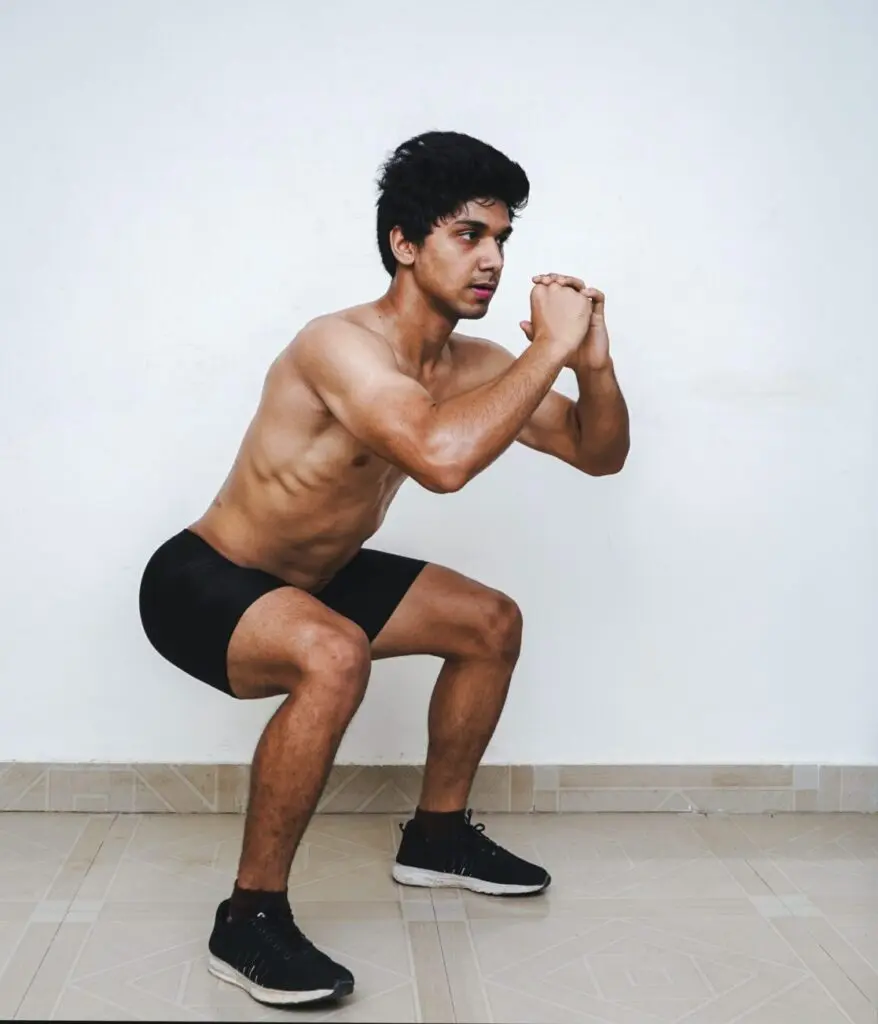
For a considerable period, the fitness world harboured a pervasive myth that squats, particularly those exceeding a 90-degree knee bend, were detrimental to your health. This notion seemed counterintuitive, considering our joints are designed for movement, not restriction. Over time, this fear contributed to a rise in knee, hip, back, and ankle issues. However, the last decade has witnessed a significant shift. The fitness community is now embracing the squat, hailing it as a cornerstone exercise with myriad benefits far beyond simple muscle building.
The resurgence of the squat in strength and conditioning circles is noteworthy. Dubbed the ‘king of exercises’, squats are lauded for their ability to sculpt muscle, enhance fat burning, and potentially boost testosterone levels. Yet, the impact of squatting extends beyond these well-known benefits, influencing our bodily functions and overall quality of life in profound ways.
The information you will see below is largely based on a video shared by Josh Hash. He is a movement coach who co-founded Strength Side alongside his brother Trevor Hash. They spent years in fitness from personal training to corrective exercise, to hand balancing. Strength Side’s YouTube Channel has over 1 million subscribers where videos are posted about different movement patterns and exercises to improve your athleticism and life-changing habits.
We at BOXROX covered Trevor Hash talking about how crawling heals the body, now we are looking at his take on the squat.
Read This Too: 5 Reasons Why THIS is the Best Exercise for Increasing Lifespan and Fat Loss
The squat is not merely a physical activity; it’s an integral component of human movement, embodying a complexity that goes far beyond the confines of gym walls. This exercise, or more aptly, this category of movement, encapsulates a variety of forms, each with its own set of nuances and benefits. The realisation that squatting is a spectrum rather than a singular movement has been a game-changer in the fitness and health industries.
In its essence, squatting is about lowering the hips towards the ground, a fundamental human action that is evident in numerous day-to-day activities and in the natural movements of children and cultures around the globe. This universality of the squat across different cultures and ages underscores its intrinsic value to human physiology and health.
How Squatting Heals the Body
The reevaluation of squatting forms previously considered improper is a testament to this expanded understanding. For example, deep squatting, often discouraged in the past, is now recognised for its extensive benefits, ranging from improved joint mobility to enhanced core stability. This paradigm shift reflects a broader trend in fitness and health towards embracing natural movement patterns and recognising their role in promoting overall well-being.
The global perspective on squatting offers additional insights. Many traditional cultures, where back pain is a rarity, incorporate squat-like positions into their daily lives, offering a stark contrast to the sedentary habits prevalent in modern Western societies. These cultures do not just squat for exercise; they squat as a part of life, whether it’s for resting, working, or socialising, illustrating the squat’s integral role in maintaining health and mobility.
Trevor Hash encapsulates this sentiment succinctly: “Squatting isn’t just an exercise; it’s a fundamental human movement that connects us to our roots. Embracing the full spectrum of squatting can unlock levels of mobility and wellness that many in the modern world have forgotten.” This perspective invites us to reconsider our relationship with this primal movement, urging us to integrate it not just as a part of our fitness regime but as a staple of our daily lives.
The Ultimate Mobility Test That You Can Do Anywhere
Unseen Benefits of Squatting
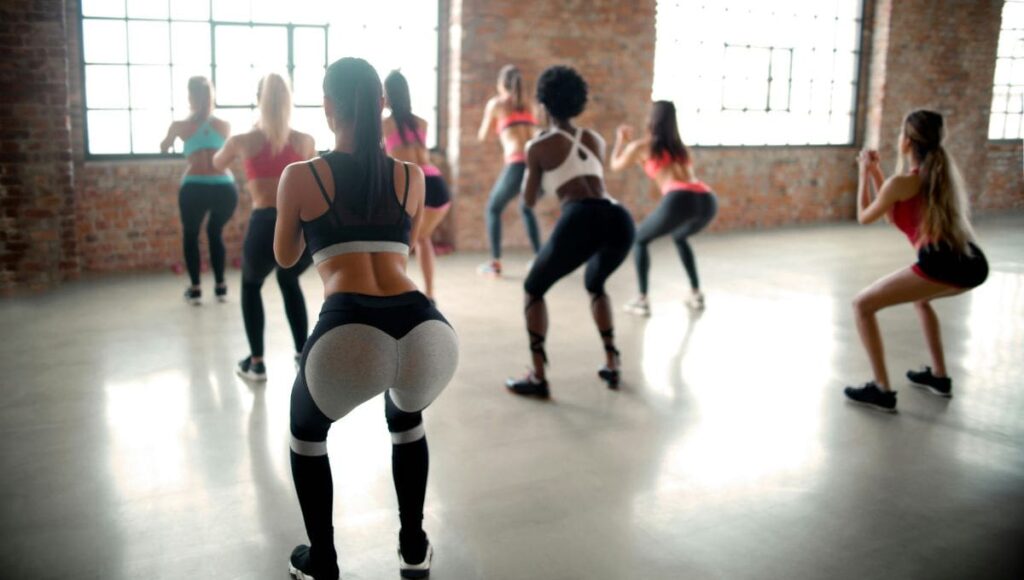
Squatting extends its benefits far beyond the visible muscular enhancements, tapping into deeper physiological and health advantages that are often overlooked. The act of squatting, particularly deep squatting, plays a pivotal role in maintaining and enhancing joint mobility, especially in the hips. This mobility is crucial for distributing mechanical stress across the body evenly, thereby reducing undue pressure on the lumbar spine.
One of the less heralded benefits of squatting is its impact on spinal health. By encouraging a natural alignment and facilitating a gentle decompression, squatting can alleviate tension and chronic discomfort in the lower back. This aspect is particularly beneficial in today’s sedentary lifestyle, where back pain is increasingly prevalent due to prolonged sitting and inadequate physical activity.
6 Stretches to Reduce and Prevent Injury
Moreover, the squat’s influence on digestive health is a remarkable facet that aligns with our evolutionary biology. The positioning of the body in a deep squat naturally aligns the intestines, facilitating smoother bowel movements. This natural alignment was the norm for our ancestors, who adopted squatting postures daily, pointing to the squat’s role in our evolutionary design for optimal physiological functioning.
Breathing, a fundamental aspect of our existence, is also enhanced through squatting. The posture encourages diaphragmatic breathing, which is deeper and more efficient than the shallow chest breathing that often accompanies modern stress-filled lifestyles. This type of breathing not only improves oxygenation of the body but also promotes a state of calmness and relaxation, counteracting the effects of stress and anxiety.
Trevor Hash, echoing the sentiment of integrating squats into daily routines, states, “The beauty of squatting lies not just in its physical benefits, but in its capacity to enhance our overall well-being. From digestion to breathing, the humble squat touches aspects of our health that many of us never even consider.
Stop Sitting, Start Stretching: 5 Tips To Improve Flexibility
Adapting the Squat to Your Body
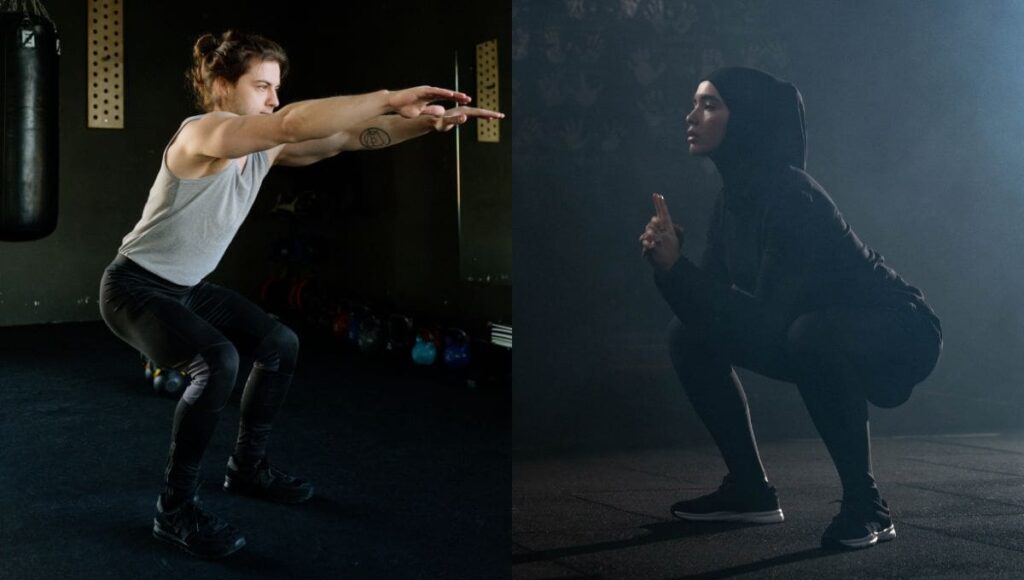
Many find the transition to comfortable squatting challenging due to stiffness in hips or ankles. Simple modifications, like elevating the heels or using support, can make squatting more accessible and enjoyable. Addressing stiff ankles, often exacerbated by padded footwear, is crucial for reclaiming a deep squatting practice. Incorporating barefoot time or minimalist footwear can significantly improve foot and ankle health, enhancing your squatting experience.
Squatting as a Dynamic Exercise
Squatting stands out not only as a fundamental movement but also as a dynamic exercise that offers a multitude of benefits for various fitness objectives. Its adaptability allows for numerous variations, each catering to different goals, from building raw strength to enhancing endurance and functional mobility.
When we consider squatting as an exercise, it’s not just about the downward and upward movement. It’s about engaging multiple muscle groups, fostering core stability, and enhancing the interconnectedness of our body’s musculoskeletal system. This engagement is not isolated to the legs; it’s a full-body endeavour that challenges and strengthens the core, back, and even the arms, depending on the variation.
For those aiming to build significant leg strength and power, heavy barbell squats are often the go-to choice. This variation, typically performed with lower repetitions and higher weights, not only develops muscular legs but also tests and enhances the body’s overall strength and resilience. The barbell squat is a staple in strength training for its unparalleled capacity to load the muscles and stimulate growth and strength gains.
Conversely, individuals seeking strength that translates into everyday activities or endurance sports might gravitate towards variations like the goblet squat. This form, which involves squatting with a single weight held in front of the chest, is less taxing on the spine yet highly effective in building leg strength and endurance. It’s particularly appealing for those who wish to maintain robust leg muscles without the extensive stress that heavy barbell squats can impose.
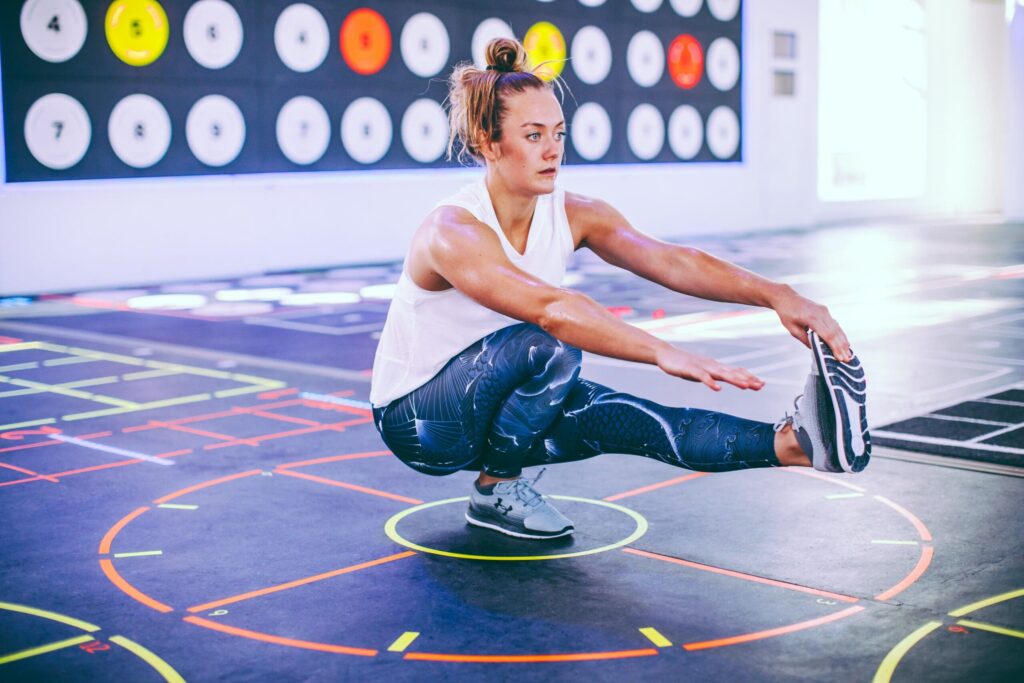
Moreover, squatting’s versatility is showcased in bodyweight exercises, such as the single-leg squat, which emphasises balance, coordination, and unilateral strength. This variation not only builds strength but also enhances body awareness and control, essential components of functional fitness.
The toe squat, another bodyweight variant, targets the muscles differently by shifting the emphasis towards the balls of the feet, mimicking the push-off phase in running and jumping. This variation is particularly beneficial for athletes or individuals seeking to improve their performance in activities that require explosive lower-body power.
Incorporating different squat variations into a training regimen can provide comprehensive benefits, ensuring that the body is not only strong but also adaptable and resilient. This approach to squatting as a dynamic exercise allows individuals to tailor their training to their specific needs and goals, highlighting the squat’s role as a versatile and indispensable element of fitness training.
The squat’s revival in fitness is a testament to its versatility and profound impact on our physical well-being. By embracing this fundamental movement, we not only enhance our muscular strength and joint health but also connect with a natural, functional aspect of human physiology. As you integrate squats into your routine, remember to do so progressively, respecting your body’s adaptation process. The journey to reclaiming the squat is not just about building strength; it’s about rediscovering a vital component of our movement heritage, with wide-reaching benefits for our overall health.
Watch the video for more information.
Read More: 8 Gym Exercises You Are Doing Wrong