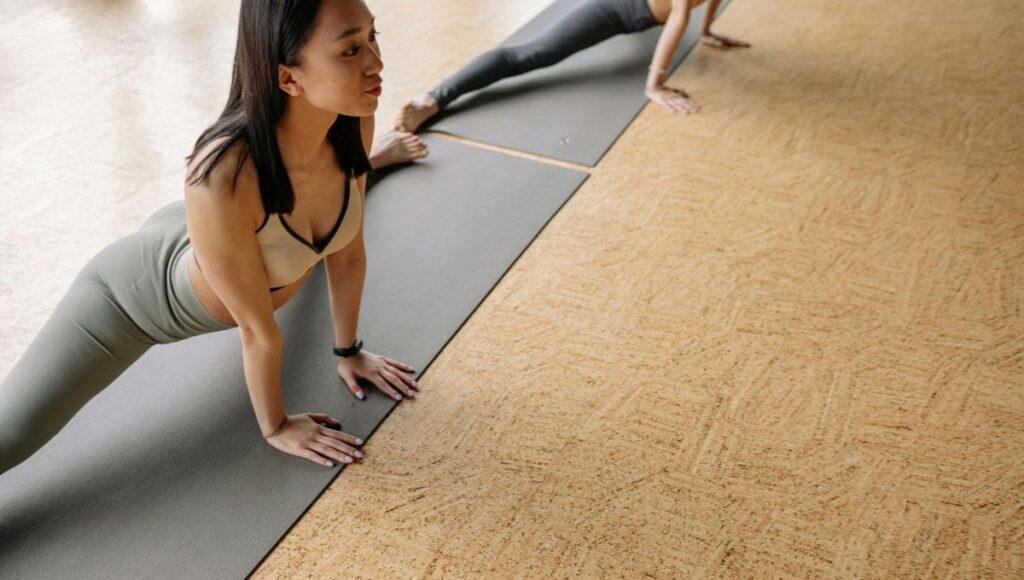
Learn and understand how stretching heals the body and how you can benefit from it.
Stretching has become a fundamental aspect of fitness, widely recognised for its numerous benefits, such as enhancing muscle range of motion, improving physical activity performance, facilitating blood flow, and even potentially strengthening the mind-body connection. This acceptance stands in stark contrast to the past, where stretching was not as universally practised or understood.
The information you will see below is largely based on a video shared by Josh and Trevor Hash. They are brothers and movement coaches who co-founded Strength Side. They spent years in fitness from personal training to corrective exercise, to hand balancing. Strength Side’s YouTube Channel has over 1.6 million subscribers where videos are posted about different movement patterns and exercises to improve your athleticism and life-changing habits.
Stretching has ancient roots, with practices like yoga tracing back over 3,000 years. Historically, ancient warriors and martial artists incorporated stretching to stay limber for battle. The necessity for flexibility was further highlighted by the daily demands of early human activities, such as sitting on the floor or working long hours in fields, which naturally maintained a limber body. However, as societies evolved and daily activities became more sedentary, the inherent flexibility diminished.
We at BOXROX also covered other areas of how to heal your body such as:
The Evolution of Fitness and Stretching
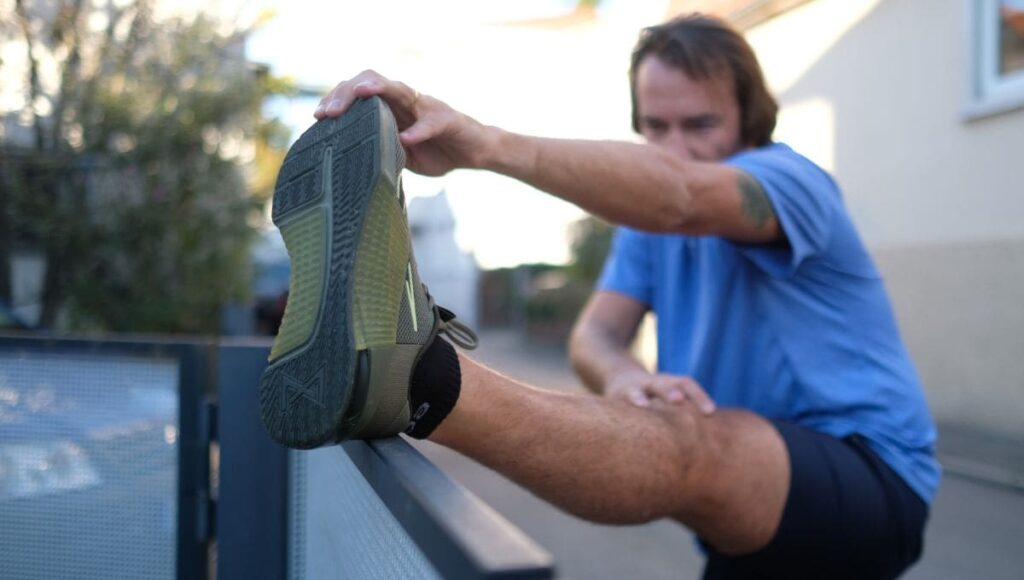
The shift to a more sedentary lifestyle led to an increased need for structured exercise. Initially, fitness regimes included lightweights, calisthenics, and running. The bodybuilding era popularised weightlifting, with a strong focus on the ‘pump,’ while aerobic exercises became predominantly associated with women. During this period, stretching was mainly practised by women yogis, gymnasts, and dancers.
The fitness landscape underwent a significant transformation around 2010 with the rise of CrossFit. From a modest 13 gyms in 2005, CrossFit exploded to 13,000 gyms within a decade, revolutionising fitness by demanding deep ranges of motion under heavy loads. This intense training style led to a surge in injuries, highlighting the critical need for mobility training to support such physical demands.
Read Also: 10 Easy Steps to Get an Attractive Summer Body
The Emergence of Mobility and Flexibility Training
The rise of CrossFit around 2010 marked a pivotal shift in the fitness world, placing significant demands on the body that traditional fitness regimens hadn’t addressed. CrossFit’s explosive growth—from 13 gyms in 2005 to 13,000 by 2015—introduced a variety of workouts that required deep ranges of motion under heavy loads. This rapid increase in intensity and complexity of exercises led to a wave of injuries and ailments among participants, highlighting a critical gap in preparation and recovery methods.
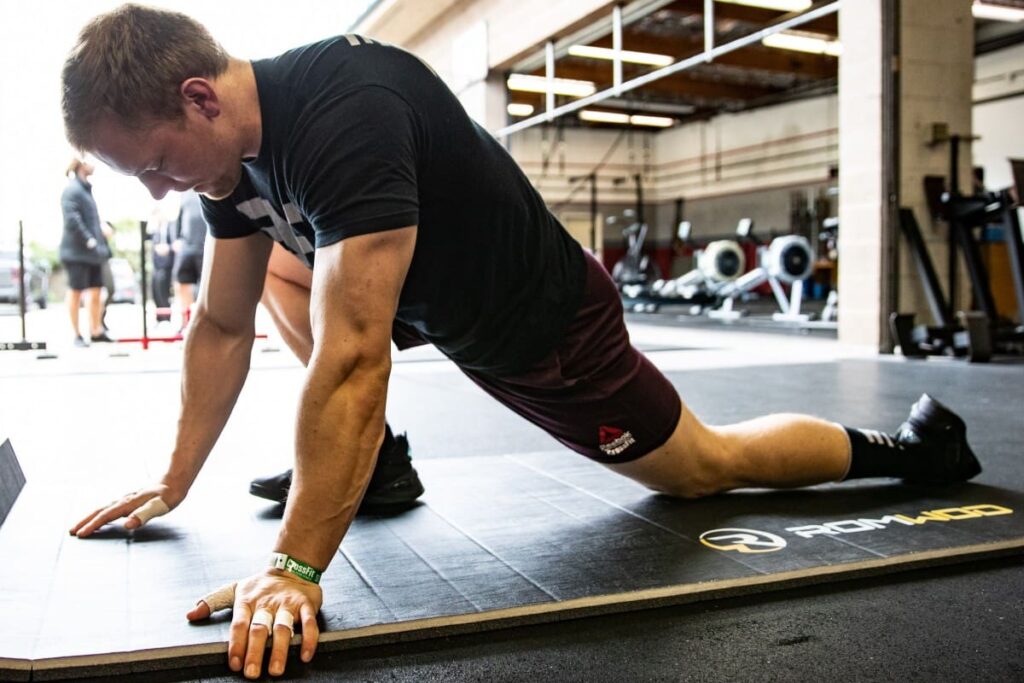
Leading the charge in addressing this gap was Kelly Starrett, author of “Supple Leopard.” Starrett was instrumental in popularising the concept of mobility, which differs from traditional stretching by focusing on functional flexibility. Mobility training aims not just for increased range of motion but for the ability to use these ranges effectively in athletic activities. This approach mirrors the flexibility needed in gymnastics and martial arts, where agility and control are paramount.
Starrett’s work brought about a broader awareness of the importance of mobility in preventing injuries and enhancing performance. Tools such as rubber bands and foam rollers became commonplace in gyms and home workouts alike. Exercises like deep lunges and pigeon mobilisations gained popularity, as they provided practical ways to improve joint health and overall body functionality. The fitness community began to recognise that to meet the high demands of CrossFit and similar workouts, a strong emphasis on mobility was necessary.
How Stretching Heals the Body
In parallel with the rise of intense workout regimes, another significant shift was occurring in modern lifestyles—an increase in sedentary behaviour due to extended screen time. As more people began spending long hours sitting at computers and using smartphones, physical ailments became more prevalent. This sedentary lifestyle led to widespread issues like poor posture, reduced range of motion, and general stiffness.
3 Supplements You Should Take to Improve Your Fitness
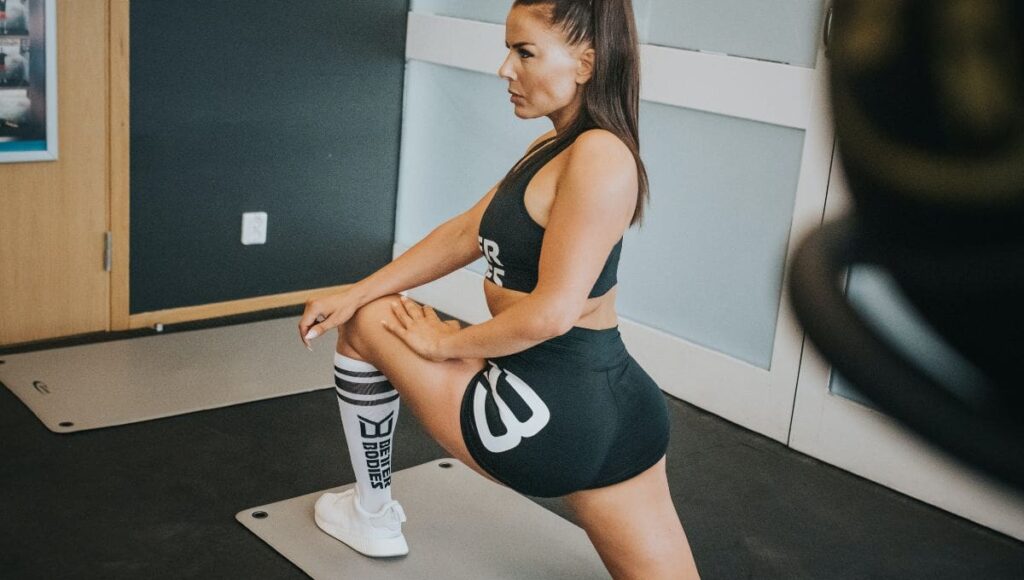
The need for corrective exercise, postural awareness, and stretching became evident as a solution to these modern lifestyle problems. Stretching emerged as an essential practice for counteracting the negative effects of prolonged inactivity. Just as a dog or cat instinctively stretches after a nap, humans too need to stretch to maintain flexibility and prevent the body from becoming stiff and rigid.
The average tech worker, often sitting in front of a screen for most of the day, is likely to experience some form of physical discomfort or ailment. Incorporating stretching routines helps alleviate these issues by promoting blood flow, reducing muscle tightness, and enhancing overall mobility. In a society that has become increasingly inactive physically while remaining hyperactive mentally, stretching provides a necessary balance.
Integrating Stretching into Diverse Fitness Practices
Fitness is evolving, with many individuals now seeking to engage in multiple forms of physical activity rather than sticking to a single discipline. This trend towards a more holistic approach to fitness has led to the integration of stretching into various workout routines. People are looking to combine strength training with activities like running, yoga, calisthenics, and martial arts to develop a well-rounded physical capability.
One prominent figure in this movement is Ben Patrick, also known as “Knees Over Toes Guy,” who has popularised the idea of flexibility for athleticism. Patrick emphasises the benefits of being strong through deep ranges of motion, which not only enhances athletic performance but also supports joint health. His approach has resonated with many, showing that flexibility and strength are not mutually exclusive but rather complementary.
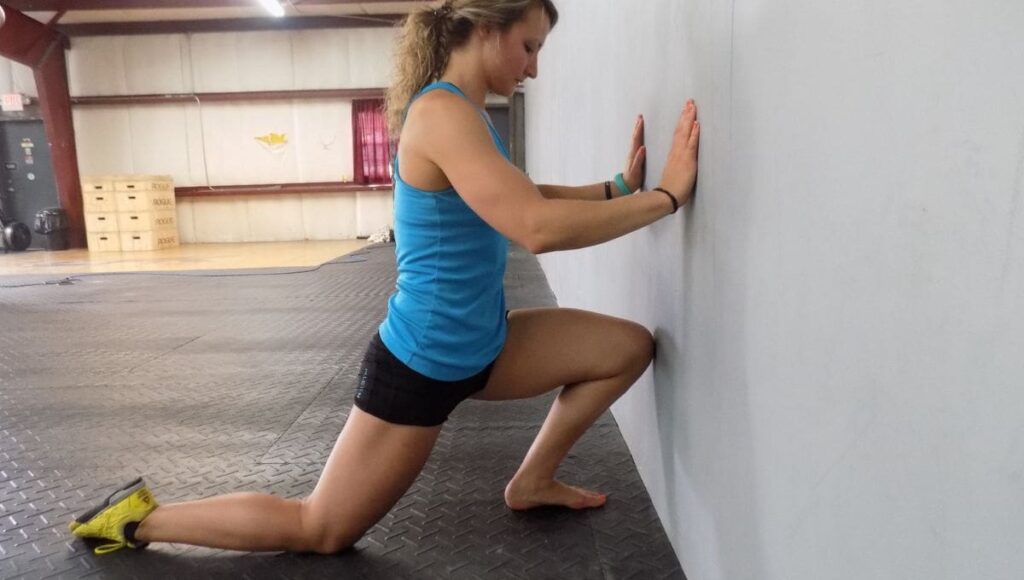
Additionally, influencers like Movement by David are creating viral content that encourages using the body in natural, playful ways, much like children do. This perspective promotes the idea of using our natural capabilities not just for structured exercise but for daily movement and exploration. By integrating stretching into these diverse practices, individuals can maintain a flexible, agile body capable of performing a wide range of activities.
The Psychological and Physical Benefits of Stretching
Stretching offers a myriad of benefits that extend beyond the physical realm into psychological well-being. Engaging in regular stretching routines can provide a sense of relaxation and mindfulness, which is crucial in today’s fast-paced, stress-laden world. This mindful approach to movement can help reduce anxiety, improve mood, and enhance overall mental clarity.
Physically, stretching helps maintain joint health, improves posture, and reduces muscle tension. By regularly moving joints through their full range of motion, individuals can prevent the stiffness and discomfort that often accompany sedentary lifestyles. This is particularly important for those who engage in high-intensity workouts, as it aids in recovery and prevents injuries.
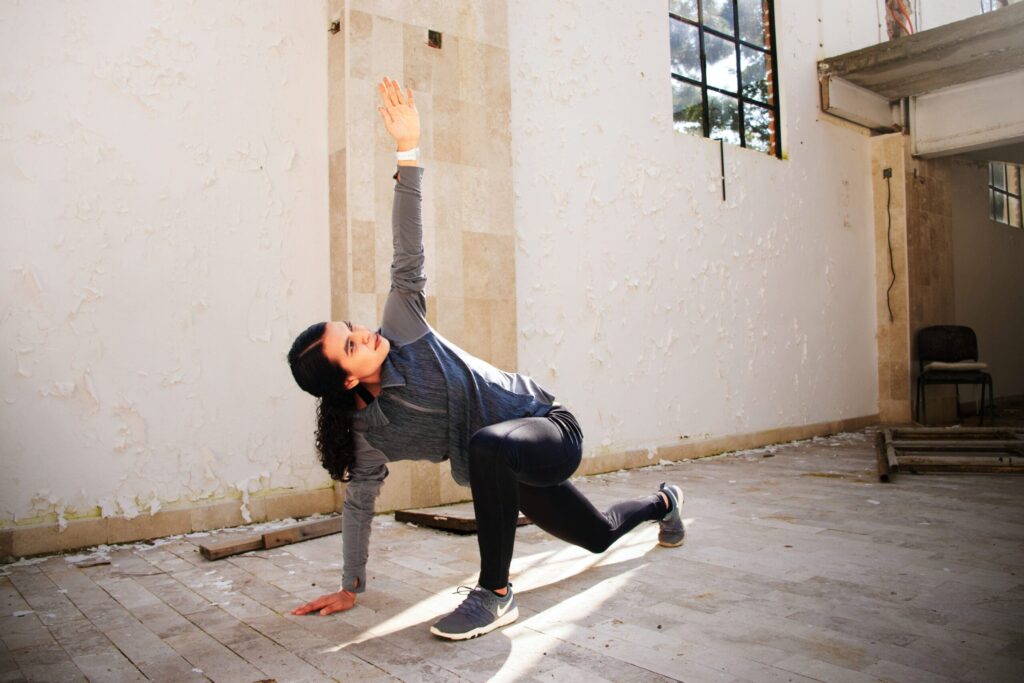
Daily practices like yoga and tai chi exemplify how stretching can be integrated into life to provide both physical and mental benefits. These practices involve gentle, flowing movements that enhance flexibility while also promoting a meditative state. The act of focusing on breath and movement helps create a connection between body and mind, fostering a sense of calm and well-being.
Furthermore, stretching routines can serve as an antidote to the stress-induced tension that accumulates in the body. This phenomenon, often referred to as the “vacation effect,” illustrates how relaxation can alleviate physical discomfort. When away from daily stresses, people often find their body aches and pains diminish. Stretching, when incorporated mindfully into daily routines, can replicate this effect, helping individuals feel more relaxed and at ease in their bodies.
Watch the video below for more information and a deeper understanding of how stretching heals the body.
Stretching has transcended its historical roots to become a cornerstone of modern fitness. It is essential not only for improving physical capabilities but also for counteracting the effects of a sedentary lifestyle. By integrating stretching into daily routines and diverse fitness practices, individuals can enjoy enhanced mobility, reduced risk of injury, and a greater sense of overall well-being. As our understanding of the importance of flexibility continues to evolve, stretching remains a vital practice for maintaining a healthy, active lifestyle.
Read More: Best Exercises to Live Longer and Healthier