Learn how to build a broader back and take your physique, strength and resilience to injury to the next level.
A robust and expansive back is not just a symbol of strength and power; it’s a cornerstone of a well-rounded fitness regimen. The benefits of cultivating a broader back extend far beyond the aesthetic appeal, although the visual aspect cannot be understated.
A muscular back contributes significantly to overall body strength, improving posture, enhancing health, and preventing injuries.
It plays a crucial role in daily activities and is essential for performing at your best in various sports and physical endeavors.
The pursuit of a broader back also leads to the development of a more pronounced V-taper—a narrowing of the waist relative to the shoulders, which is highly sought after in the world of fitness and bodybuilding. This distinct shape not only symbolizes a strong and healthy physique but also can significantly improve how clothes fit and how body proportions are perceived, thereby boosting confidence and physical presence.

In this article, we will delve into the top 5 exercises and strategies designed to widen and strengthen your back.
These methods have been carefully selected for their effectiveness in targeting the back muscles, including the latissimus dorsi, rhomboids, and trapezius, to help you achieve that coveted V-taper.
Whether you’re a seasoned athlete looking to enhance your performance or someone just starting on their fitness journey, these tips will guide you toward achieving a broader, more powerful back.
1. Deadlifts
Deadlifts are often hailed as the king of all exercises, and for a good reason. This powerhouse movement is a compound exercise that engages multiple muscle groups across the body, with a significant focus on both the lower and upper back.
By incorporating deadlifts into your routine, you not only work towards a broader back but also enhance its thickness and overall strength. The beauty of deadlifts lies in their ability to simulate real-life lifting situations, promoting functional strength that’s applicable in everyday activities.
Related: How Little Can You Do and Still Grow Muscle?
Technique Tips
To reap the maximum benefits from deadlifts while minimizing the risk of injury, proper form is paramount. Begin with your feet hip-width apart, with the barbell over the center of your feet. Bend at the hips and knees to grip the bar, ensuring that your grip is just outside your legs. Your spine should remain neutral throughout the movement, with your chest up and shoulders slightly back.
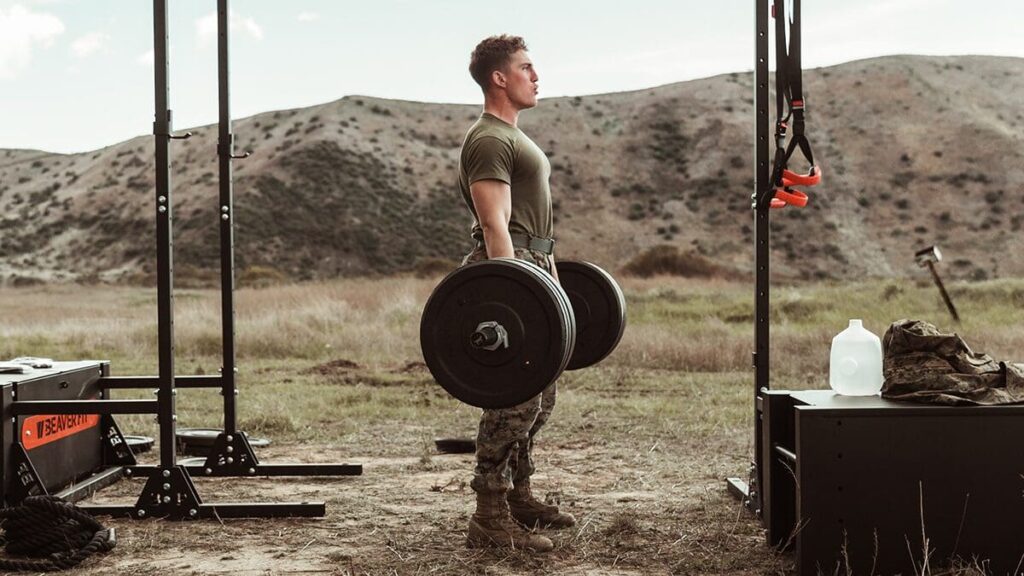
As you lift, drive through your heels, bringing your hips and the barbell up in unison. The bar should stay close to your body, traveling straight up along your legs. Once the bar passes your knees, thrust your hips forward to stand up fully, squeezing your glutes at the top. To lower the bar, simply reverse the motion with control, hinging at the hips and bending your knees once the bar passes them.
Variations
For those who may find the conventional deadlift challenging due to mobility issues or personal preference, variations like the sumo deadlift and trap bar deadlift can be excellent alternatives. The sumo deadlift, characterized by a wider stance and a grip inside the knees, shifts some of the emphasis to the glutes and inner thighs but still significantly works the back.
5 Methods of Progressive Overload to Force Muscle Growth
The trap bar deadlift, utilizing a hexagonal bar that allows you to stand inside, can be more accessible for beginners and reduces strain on the lower back while still effectively targeting the back muscles. These variations not only add diversity to your training regimen but also allow for customization according to individual needs and goals.
2. Pull-Ups and Chin-Ups
Pull-ups and chin-ups are quintessential exercises for anyone looking to broaden their back and enhance upper body strength. These movements are highly effective in targeting the latissimus dorsi—the largest muscles of the back, which are key to achieving that sought-after V-taper. Beyond aesthetics, these exercises improve grip strength, shoulder stability, and overall functional fitness.
The primary difference between the two lies in the grip: pull-ups are performed with a pronated (overhand) grip, while chin-ups utilize a supinated (underhand) grip, which can slightly alter the muscles emphasized during the exercise.
Technique Tips
To maximize the engagement of your back muscles and ensure effective progress, paying attention to your grip width, body positioning, and movement control is crucial.
For pull-ups, a wider grip will place more emphasis on the latissimus dorsi, enhancing the width of your back. Conversely, a narrower grip, as often used in chin-ups, will still work the lats but also involves the biceps to a greater extent.
Begin each exercise by hanging from the bar with your arms fully extended. Engage your core and pull your shoulders down and back before initiating the pull. As you pull yourself up, focus on driving your elbows down and back, aiming to bring your chin over the bar.
The movement should be controlled and deliberate, with a brief pause at the top before lowering yourself slowly back to the starting position. This control is key to maximizing muscle engagement and development.
Progressions
For those new to pull-ups and chin-ups or looking to add variety and challenge to their routine, several progression strategies can be employed. Beginners may benefit from using an assisted pull-up machine or resistance bands to reduce the body weight they must lift, allowing for proper form and gradual strength building.
As you become more comfortable and stronger, you can gradually decrease the assistance until you’re able to perform the exercises unassisted.
For individuals seeking to increase the difficulty, adding weight through a weight belt or holding a dumbbell between your feet can significantly enhance the challenge and stimulate further muscle growth.
Another progression technique involves varying the tempo of the exercise, such as slowing down the descent or incorporating isometric holds at the top of the movement, to increase time under tension and further engage the back muscles.
3. Bent-Over Rows
Bent-over rows are a staple exercise in back training, renowned for their efficiency in targeting the middle and upper regions of the back.
This exercise not only contributes to the width and thickness of the back but also fortifies the muscles responsible for proper posture and spinal support. By engaging the latissimus dorsi, rhomboids, and trapezius muscles, bent-over rows offer a comprehensive workout that enhances both the functional strength and aesthetic appeal of the back.
Technique Tips
The effectiveness of bent-over rows greatly depends on adopting the correct stance, grip, and rowing motion. Start by standing with your feet shoulder-width apart, knees slightly bent. Bend at the hips to lower your torso until it’s almost parallel to the floor, keeping your back straight and core engaged throughout the exercise to protect your spine.
For a barbell row, grip the barbell slightly wider than shoulder-width. With dumbbell rows, each hand holds a dumbbell with palms facing towards the body. Ensure your neck remains neutral, in line with your spine, and your shoulders are pulled back to avoid rounding the back.
The rowing motion begins by driving your elbows towards the ceiling, keeping them close to your body. Pull the weight towards your lower ribcage, squeezing your shoulder blades together at the top of the movement. Lower the weight under control back to the starting position, fully extending your arms and stretching the back muscles before initiating the next rep.
Variations
To prevent plateau and maintain the challenge in your back routine, incorporating variations of bent-over rows can be highly beneficial.
Barbell rows allow for heavy loading and symmetrical muscle engagement across the back. Dumbbell rows, performed either one arm at a time or simultaneously, offer the advantage of a greater range of motion and the ability to correct imbalances between sides of the body.
T-bar rows, utilizing a barbell fixed at one end, focus the effort on the middle back and provide a unique angle to stimulate the muscles differently.
Each variation can be adjusted in terms of grip width and orientation (e.g., overhand or underhand) to further diversify the stimulus to the back muscles, ensuring comprehensive development and strength gains. Incorporating these variations into your workout regimen can keep your back training both effective and engaging.
4. Lat Pulldowns
Lat pulldowns are a cornerstone exercise for developing back width and are particularly beneficial for beginners or individuals who are currently unable to perform pull-ups.
This exercise targets the latissimus dorsi muscles, which are crucial for achieving the desired V-taper appearance. By simulating the pull-up motion in a seated position, lat pulldowns provide a more accessible way to strengthen the back muscles, allowing for adjustable resistance to suit varying fitness levels.
Technique Tips
Achieving the correct form in lat pulldowns is essential for maximizing muscle engagement while minimizing the risk of injury.
Start by adjusting the knee pad of the machine to fit snugly against your legs, preventing your body from lifting off the seat during the exercise. Grip the bar wider than shoulder width to emphasize lat width; a wider grip will engage the outer portions of the lats more effectively.
As you pull the bar down, retract your shoulder blades and draw your elbows down and back, directing them towards your waist. Focus on using your back muscles rather than your arms to perform the movement.
Bring the bar down to chest level, briefly squeezing your shoulder blades together at the bottom of the motion before slowly returning to the starting position with your arms fully extended and your back slightly stretched.
Variations
To keep your back workouts diverse and challenging, experimenting with different grip positions and attachments can be highly beneficial. Altering the grip width (narrower or wider) or switching between overhand (pronated) and underhand (supinated) grips can target the lats from various angles, stimulating muscle growth and improving overall back development.
Using different attachments, such as a close-grip handle or a rope, can also alter the muscle recruitment patterns, providing a unique challenge and emphasizing different aspects of the lats and associated back muscles. Varying your grip and attachment choice not only helps to prevent boredom and plateau but also ensures a comprehensive approach to back development, catering to both aesthetic and functional fitness goals.
5. Face Pulls
Face pulls are an invaluable exercise for targeting the rear deltoids and the upper back muscles, including the rhomboids and trapezius.
This movement is crucial for developing a balanced and broad back, ensuring that both the anterior and posterior aspects of the upper body are equally strengthened. In addition to enhancing the visual appeal of the back, face pulls play a significant role in improving shoulder health and posture by counteracting the common forward shoulder lean developed from desk jobs and daily life activities.
Technique Tips
Proper execution of face pulls is key to maximizing the engagement of the rear deltoids and upper back muscles while minimizing the risk of injury. To perform face pulls effectively, start by setting a cable machine or a resistance band at about chest height. Grab the rope or band with both hands, palms facing each other, and step back to create tension.
Adopt a stable stance with your feet shoulder-width apart and knees slightly bent. Begin the exercise by pulling the rope towards your face, separating your hands as you pull back. Focus on moving your hands back by leading with your elbows and squeezing your shoulder blades together as the rope or band reaches your face. The key is to maintain a high elbow position throughout the movement to ensure proper muscle activation.
Your posture should remain upright, with your core engaged to support your spine, and avoid leaning back as you pull. The movement should be controlled and deliberate, with a pause at the end position to emphasize the contraction in the rear deltoids and upper back.
Frequency and Volume
Face pulls are best incorporated into your workout routine with a focus on higher repetitions and moderate resistance, aiming for muscle endurance and posture improvement rather than maximal strength gains. Typically, performing face pulls towards the end of your upper body or back-specific workouts can be effective. Aim for 3 to 4 sets of 12 to 15 repetitions, or even higher if you are focusing on endurance and corrective posture work.
The relatively higher volume and lower intensity approach ensures that you can focus on muscle activation and form, reducing the risk of overloading the shoulder joints. Regularly including face pulls in your routine not only contributes to a more pronounced and balanced back but also supports overall shoulder health and functional mobility.
How to Build a Broader Back: Additional Strategies
While specific exercises are fundamental to building a broader back, there are additional strategies that play a crucial role in achieving and maintaining your muscle development goals. Incorporating these principles into your fitness routine can significantly enhance your results.
Nutrition and Recovery
Muscle growth and recovery are heavily influenced by your diet and rest patterns. Proper nutrition provides the building blocks for muscle repair and growth, making it essential to consume a balanced diet rich in protein, healthy fats, and complex carbohydrates.

Protein, in particular, is vital for muscle repair and growth, so ensuring adequate protein intake is crucial for anyone looking to build a broader back.
Adequate hydration is also essential, as water plays a key role in nutrient transport and muscle function. In addition to nutrition, sufficient rest and sleep are paramount for recovery. Muscles grow and repair themselves during rest periods, not while you’re working out. Aim for 7-9 hours of quality sleep per night and consider incorporating rest days into your training regimen to allow your muscles to recover fully.
Consistency and Progression
Building a broader back, like any fitness goal, requires consistency and dedication. Regularly performing back-focused workouts is crucial, but so is progressively overloading the muscles. This means gradually increasing the weight, volume (total number of sets and reps), or intensity of your workouts over time. Such progression challenges your muscles to adapt and grow stronger and larger.
However, it’s essential to increase the workload in a controlled manner to avoid injury. Listening to your body and allowing for adequate recovery time is vital as you push your limits.
Incorporating Variety
To continuously challenge your back muscles and avoid hitting a plateau, it’s important to regularly change up your exercises, grips, and angles. This variety not only keeps your workouts interesting but also ensures that you’re engaging the muscles from different angles and activating different muscle fibers.
Experimenting with different grips (wide, narrow, pronated, supinated) in exercises like pull-ups, rows, and lat pulldowns can significantly alter the stimulus to the muscles, leading to comprehensive development. Additionally, incorporating exercises that challenge your back in unique ways, such as kettlebell swings or inverted rows, can provide new challenges and spur growth.
By combining these additional strategies with a dedicated and well-structured workout regimen, you’re setting the stage for significant improvements in back width, strength, and overall physical appearance. Remember, building a broader back is a journey that requires patience, persistence, and a holistic approach to training and lifestyle.
How to Build a Broader Back: Conclusion
Building a broader back is a multifaceted endeavor that extends beyond mere aesthetics to encompass strength, posture, and overall health. Throughout this article, we’ve explored five essential exercises and strategies designed to target the back from various angles and stimulate growth across the upper and lower regions.
Starting with the foundational deadlifts, which enhance both thickness and strength, to the pull-ups and chin-ups that develop upper body strength and the coveted V-taper. We also covered the importance of bent-over rows for middle and upper back development, lat pulldowns for those starting their back-building journey, and face pulls for a balanced and healthy posterior.
In addition to these exercises, we emphasized the critical roles of nutrition and recovery, consistency and progression in training, and the importance of incorporating variety into your routines. These elements are pivotal in supporting muscle growth, ensuring recovery, and avoiding plateaus.
As you embark on or continue your journey to a broader back, we encourage you to integrate these exercises and strategies into your workout routines.
Remember, achieving a broad, muscular back requires more than just hard work in the gym; it demands patience, dedication, and a comprehensive approach that includes mindful nutrition, adequate rest, and a commitment to continually challenging your muscles in new and progressive ways.
The path to your ideal back is a journey, not a sprint. It’s about making consistent, thoughtful choices in and out of the gym. With the right approach, patience, and dedication, you can achieve the strong, broad back that symbolizes strength, health, and confidence.