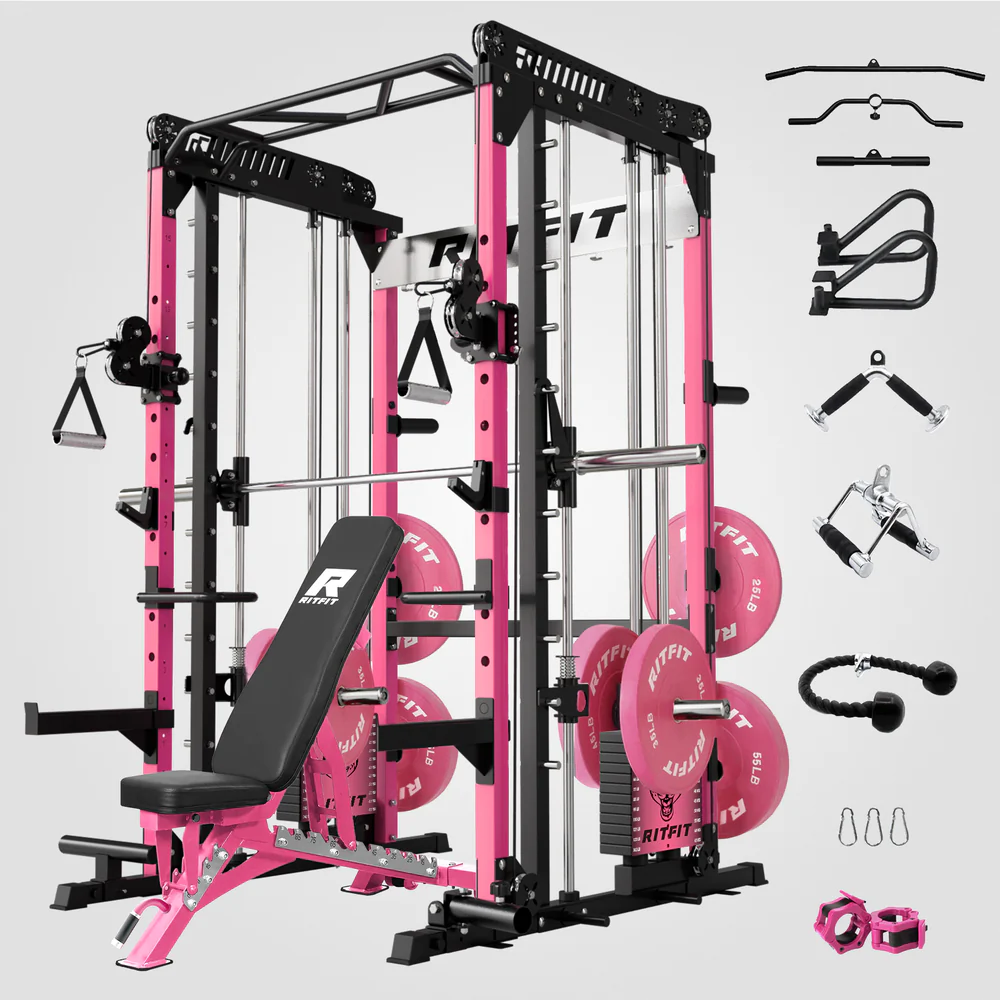
Building a thicker upper chest is one of the most common goals for gym-goers, particularly those seeking a balanced, aesthetic physique. The upper chest, primarily targeted by the clavicular head of the pectoralis major, can significantly improve the overall appearance of your chest and contribute to better functional performance.
In this article, we will explore the five best strategies and exercises to build a thicker upper chest, backed by scientific evidence.
Anatomy of the Upper Chest
To effectively target the upper chest, it is crucial to understand its anatomy. The pectoralis major is a large, fan-shaped muscle that consists of two main parts: the clavicular head (upper chest) and the sternal head (lower and middle chest).
The clavicular head originates from the medial half of the clavicle and inserts into the humerus, working primarily to perform shoulder flexion, horizontal adduction, and internal rotation. Research suggests that exercises with an incline angle of 30–45 degrees best activate the clavicular head (Barnett et al., 1995).
Strategy 1: Prioritise Incline Movements
Incline presses and flies are fundamental for developing the upper chest. By adjusting the bench to an incline of 30–45 degrees, you can maximise the recruitment of the clavicular head. Studies show that the incline bench press activates the upper chest more effectively than flat or decline presses (Glass & Armstrong, 1997). To optimise muscle activation, use a controlled tempo and focus on the stretch and contraction of the muscle.
Exercise: Incline Barbell Bench Press
The incline barbell bench press is one of the most effective compound movements for building upper chest thickness. It allows for heavy loading and progressive overload, essential for hypertrophy. Perform this exercise with proper form: lower the bar to your upper chest and press upward, ensuring the elbows are slightly tucked to reduce shoulder strain.
Strategy 2: Use Dumbbells for Better Range of Motion
Dumbbells allow for a greater range of motion compared to barbells, which can lead to increased muscle activation. This is particularly beneficial for the upper chest, as you can achieve a deeper stretch at the bottom of the movement. A study by Schick et al. (2010) demonstrated that dumbbell presses result in higher activation of the pectoralis major compared to barbell presses.
Exercise: Incline Dumbbell Bench Press
This exercise offers the same benefits as the incline barbell bench press but with the added advantage of independent arm movement, which helps correct muscle imbalances. Start with dumbbells held above your chest, lower them until they are level with your chest, and press back up.
Strategy 3: Incorporate Isolation Movements
While compound exercises are essential, isolation movements like incline cable or dumbbell flies are equally important for targeting the upper chest. These exercises allow for focused tension on the clavicular head, promoting muscle growth and improving the chest’s shape.
Exercise: Incline Cable Fly
Incline cable flies keep constant tension on the chest throughout the movement. Position the cables at an incline, stand between them, and bring your hands together in a wide arc motion, focusing on squeezing your chest at the top.
Strategy 4: Use Progressive Overload
Progressive overload is a fundamental principle of hypertrophy. To build a thicker upper chest, you must gradually increase the resistance, volume, or intensity of your workouts. A meta-analysis by Schoenfeld et al. (2017) highlights the importance of increasing training volume and mechanical tension for muscle growth. Track your workouts and aim to lift heavier weights or perform more repetitions over time.
Exercise: Incline Machine Press
Incline machine presses are an excellent tool for implementing progressive overload. They provide stability, reduce the risk of injury, and allow for easy adjustment of weights. Use a controlled tempo and focus on the contraction at the top of each repetition.
Strategy 5: Optimise Training Frequency and Recovery
Training the chest 2–3 times per week is optimal for muscle growth, as suggested by a study conducted by Schoenfeld et al. (2016). This allows for sufficient stimulation of the muscle while providing adequate recovery time. Ensure you include rest days and prioritise sleep, hydration, and nutrition to facilitate recovery.
Exercise: Push-Up to Pike
While often overlooked, bodyweight exercises like push-ups can effectively target the upper chest when performed with proper technique. The push-up to pike variation shifts the emphasis to the clavicular head. Begin in a push-up position, perform a standard push-up, then push your hips upward into a pike position, feeling the stretch in your upper chest.
Conclusion
Building a thicker upper chest requires a combination of effective exercises, strategic programming, and attention to recovery. Incorporate incline movements, utilise dumbbells for a better range of motion, focus on isolation exercises, apply progressive overload, and optimise training frequency. By following these scientifically backed strategies and exercises, you can achieve significant upper chest development over time.
Key Takeaways Table
| Key Takeaways | Details |
|---|---|
| Incline Movements | Use incline presses and flies (30–45 degrees) for optimal upper chest activation. |
| Dumbbells Over Barbells | Dumbbells provide a greater range of motion, leading to enhanced muscle activation. |
| Isolation Exercises | Incorporate incline cable or dumbbell flies for targeted upper chest work. |
| Progressive Overload | Gradually increase resistance or volume to stimulate growth. |
| Optimised Training Frequency | Train the chest 2–3 times per week with adequate rest and recovery. |
References
- Barnett, C., Kippers, V., & Turner, P. (1995). Effects of variations of the bench press exercise on the EMG activity of five shoulder muscles. Journal of Strength and Conditioning Research, 9(4), 222-227.
- Glass, S.C., & Armstrong, T. (1997). Electromyographical activity of the pectoralis major and anterior deltoid muscles during three upper-body lifts. Journal of Strength and Conditioning Research, 11(3), 157-161.
- Schick, E.E., Coburn, J.W., Brown, L.E., & Judelson, D.A. (2010). A comparison of muscle activation between a Smith machine and free weight bench press. Journal of Strength and Conditioning Research, 24(3), 779-784.
- Schoenfeld, B.J., Ogborn, D., & Krieger, J.W. (2016). Effects of resistance training frequency on measures of muscle hypertrophy: A systematic review and meta-analysis. Sports Medicine, 46(11), 1689-1697.
- Schoenfeld, B.J., Contreras, B., Vigotsky, A.D., & Ogborn, D. (2017). Hypertrophic effects of concentric vs. eccentric muscle actions: A systematic review and meta-analysis. Journal of Strength and Conditioning Research, 31(9), 2596-2608.