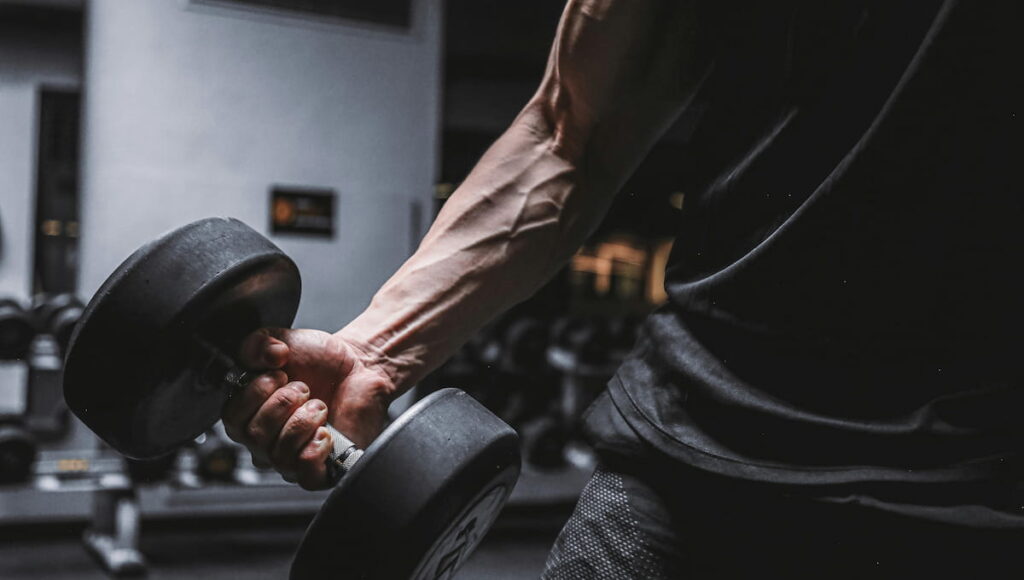
The V-Taper is a respected look that many guys aim to reach in their workouts. However, when it comes to hitting the gym and lifting weights, results need to show, which is why many aim for the V-Taper look.
For this, aiming to build a V-Taper back without pull-ups can really set your workout goals on a positive trajectory for success.
What is a V-Taper?
A V-Taper is a line that is created with back muscles that creates an upside down triangle. Bodybuilders have them, athletes sometimes have them, and fitness enthusiasts want them. Building a V-Taper demonstrates hard work, personal gains, and accomplishments and it relays the message that you have been consistent, adhered to overload principles, and you probably are feeling quite good. To develop a successful V-Taper, it is important to have an understanding of what muscles to work.
What Muscles Do You Target for a V-Taper Back?
A telltale sign of a V-Taper physique are broad shoulders with a defined back. For this reason, targeting the back and shoulders should be the main goal. Here are the most important muscles to target for a V-Taper back without pull-ups.
- Latissimus Dorsi. The latissimus dorsi, better known as the Lats, is critical for your V-Taper back. This large back muscle performs arm adduction, extension, and aids in extension of the spine.
- Deltoids. With three attachment heads, this muscle is the primary area of the shoulders. When worked properly, the deltoids create a rounded portion that sits on top of the shoulder and clavicular areas. With proper hypertrophy training, the deltoids can create an athletic physique.
- Core. While the V-Taper is an upper back physique, the core is paramount to the look. A V-Taper looks like an upside down triangle on the back, with the smallest portion at the bottom at around the waist. Because of this, the core needs to be toned, strong, and cut. Not to mention, most people with a V-Taper have amazing postures, so working the extensor muscles can definitely help.
- Rhomboids. These muscles rest under the traps and are important for pulling on the shoulder joints. Work the rhomboids to help add bulk to this upper back area, but also to help encourage a great posture for your V-Taper.
- Trapezius. The trapezius is the primary area of the upper back. When the middle and lower portions of this muscle are worked, it contributes to an athletic physique, but the upper area helps to fill out the look.
- Teres Major. One of the four muscles in the rotator cuffs, the teres major performs external rotation of the arm. It helps to support the shoulder, but will make the lateral portion of the “V” appear more defined.


What Exercises are Ideal for a V-Taper?
Here are some exercises you should utilize to build a V-Taper back without pull-ups. Utilize machines, cables, dumbbells, and barbells with these exercises to be successful.
- Cable face pulls.
- Seated cable row.
- Lat pulldowns.
- Front Y Raises.
- Barbell shoulder press.
- Pec deck reverse fly.
- Dumbbell lateral shoulder raise.
- Arnold Press.
- Cable external arm rotations.
What Factors Affect a V-Taper?
To be successful in achieving a V-Taper, it is important to have a strong, big upper body and a slim waist. The waist is a primary part of making the bottom part of the “V” and making it smaller can happen a few ways, including:
- Diet. You’ve most likely heard before in other fitness routines, but your diet is crucial for the V-Taper. Much like losing weight, the V-Taper physique requires a highly specific diet that should be adhered to as closely as possible. Consider the following details with your diet.
- Avoid alcohol. Studies have shown over the past few decades the effects of alcohol on abdominal fat. In particular, studies have shown that moderate alcohol consumption can lead to fat distribution in the abdomen, which is not ideal for a V-Taper.
- Moderate carb intake. While carbohydrates are necessary in most diets, the V-Taper physique requires a healthy consumption of this macro. Studies have demonstrated that improvements in carbohydrate consumption can lead to favorable changes in visceral fat, which tends to accumulate in the mid-section of the body.
- Low fat diets. Low-fat diets, in conjunction with watching carbohydrate consumption, are important for a V-Taper. Studies continue to show that high fat diets are associated with greater abdominal fat no matter your physical activity levels.
- Protein. Yes this is a major part of your diet, but it is important to ensure you have adequate protein that contains all nine essential amino acids and all three branched-chain amino acids. Ensuring adequate protein can help to build muscle, encourage calorie utilization, and support a V-Taper.
- Creatine. A highly effective supplement for metabolic energy, creatine is common in the fitness industry for helping to fight fatigue during exercise. Ideal for power workouts, creatine can help to add strength to help you reach your goals.

Programming for a V-Taper
With diet and exercise in mind, now is the time to put everything together. Follow along with a proper V-Taper program to help achieve your success in achieving this physique.
- Follow a moderate diet. Include a 45, 25, 30 macro profile of carbs, fats, and protein, respectively.
- Limit alcohol intake and added sugars in beverages to prevent fat accumulation.
- Perform isolation exercises two times a week for two weeks of the following:
- 3-4 sets of pyramid sets of 10, 8, 6, and 4.
- Seated cable rows
- Cable face pulls
- Lat pulldowns
- Pec deck reverse fly
- Dumbbell lateral shoulder raise
- Core work including obliques
- Perform isolation exercises two times a week of the following:
- 3-4 sets of pyramid sets of 10, 8, 6, and 4.
- Seated cable rows
- Lat pulldowns
- Front Y raises
- Arnold Press
- Core work including obliques
Conclusion
Taking the steps above on how to build a V-Taper back can help you to meet your goals. A V-Taper is a specific physique that many men want to have, but the effort and dedication is above all else. Stick with a consistent diet and exercise routine to help be successful in achieving a V-Taper.
Resources
https://pubmed.ncbi.nlm.nih.gov/8653140