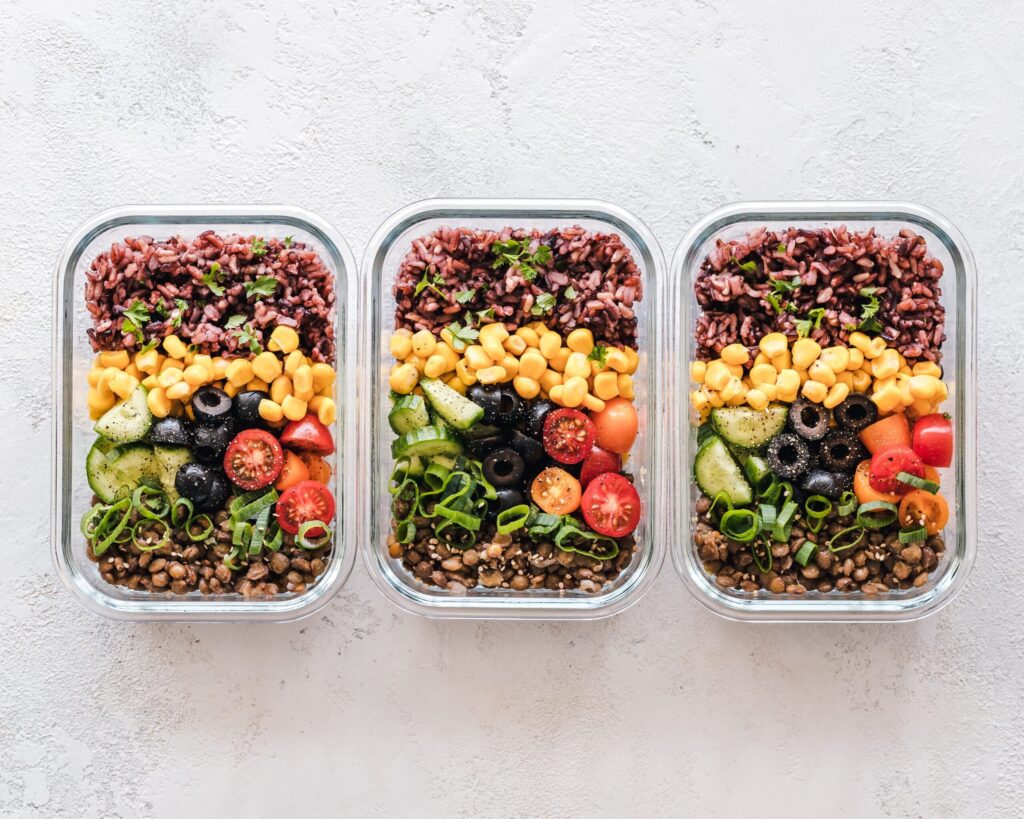
The belief that building muscle requires a diet heavy in animal protein has long been widespread in the fitness community. However, an increasing body of research demonstrates that a well-planned plant-based diet can support hypertrophy, strength development, and optimal recovery just as effectively as an omnivorous diet. Athletes ranging from powerlifters to endurance runners have successfully built lean mass while consuming exclusively plant-derived foods, challenging outdated stereotypes.
This article examines the scientific foundations of muscle growth on a plant-based diet, including protein requirements, nutrient considerations, training adaptations, and practical strategies. All claims are backed by peer-reviewed evidence, ensuring clarity and reliability.
The Science of Muscle Growth
Muscle hypertrophy is driven by three primary mechanisms: mechanical tension, metabolic stress, and muscle damage. Nutrition plays a crucial role in maximizing these adaptations by supplying amino acids for muscle protein synthesis (MPS), energy for training and recovery, and micronutrients that support metabolic pathways.
Protein and Muscle Protein Synthesis
Protein intake is the most critical dietary factor for muscle development. Amino acids, especially leucine, trigger MPS through activation of the mechanistic target of rapamycin complex 1 (mTORC1) pathway. When protein intake is inadequate, or when leucine availability is insufficient, MPS is blunted, impairing hypertrophy potential.
Protein Requirements for Plant-Based Athletes
How Much Protein is Needed?
The recommended daily allowance (RDA) for protein is 0.8 g/kg of body weight per day, but this is insufficient for athletes aiming to maximize muscle growth. Evidence suggests that individuals engaging in resistance training should consume between 1.6 and 2.2 g/kg/day of protein for optimal hypertrophy (Morton et al., 2018). Plant-based athletes fall at the higher end of this range due to differences in protein quality.
Protein Quality: Digestibility and Amino Acid Profile
Plant proteins are often less digestible and contain lower amounts of essential amino acids (EAAs), particularly lysine and methionine. The Protein Digestibility Corrected Amino Acid Score (PDCAAS) and the Digestible Indispensable Amino Acid Score (DIAAS) are used to evaluate protein quality. Many plant proteins rank lower than animal proteins, though this does not mean they are inadequate—it simply requires strategic planning.
Achieving Amino Acid Completeness
By combining different plant proteins—such as legumes and grains—athletes can ensure full coverage of all EAAs. For example, rice protein is low in lysine but high in methionine, while pea protein is the opposite. Together, they form a complete amino acid profile comparable to whey protein.
Best Plant-Based Protein Sources
Whole Foods
- Legumes: Lentils, chickpeas, and black beans are rich in protein and fiber.
- Soy: Tofu, tempeh, and edamame provide high-quality protein with a favorable amino acid profile.
- Grains: Quinoa, oats, and brown rice contribute carbohydrates for energy and protein synergy.
- Nuts and Seeds: Pumpkin seeds, hemp seeds, and almonds supply protein and essential fatty acids.
Plant-Based Protein Powders
Supplementation can help meet daily protein targets. Pea, rice, hemp, and soy protein powders are all effective. Studies comparing plant-based and animal-based protein supplements show similar outcomes in muscle hypertrophy and strength when total protein intake is matched (Hevia-Larraín et al., 2021).
Macronutrient Considerations Beyond Protein
Carbohydrates
Carbohydrates fuel resistance training by replenishing muscle glycogen. A diet rich in whole grains, fruits, and starchy vegetables ensures energy availability. Research supports carbohydrate intake of 4–7 g/kg/day for strength athletes, depending on training intensity.
Fats
Fats support hormonal health and recovery. Plant-based sources like avocados, olive oil, nuts, and seeds provide unsaturated fats, while omega-3 fatty acids (ALA from flax, chia, and walnuts) are crucial. Since the conversion of ALA to EPA and DHA is inefficient, algae-based supplements are recommended.
Micronutrients of Special Concern
Several nutrients are less abundant or less bioavailable in plant-based diets but are essential for muscle growth and recovery.
Vitamin B12
Required for red blood cell production and energy metabolism. Must be obtained via fortified foods or supplementation.
Iron
Plant-based iron (non-heme) has lower bioavailability. Pairing with vitamin C-rich foods enhances absorption. Low iron can impair oxygen delivery and training performance.
Zinc
Supports protein synthesis and immune function. Found in legumes, nuts, and whole grains, though absorption is reduced by phytates.
[wpcode id=”229888″]Calcium and Vitamin D
Critical for bone health and muscle contraction. Fortified plant milks, leafy greens, and supplementation (especially vitamin D in winter months) may be necessary.
Creatine
Creatine is absent in plant foods but plays a major role in ATP regeneration and performance. Supplementation has been shown to increase lean body mass and strength gains, particularly in vegetarians.
Training Adaptations on a Plant-Based Diet
Strength and Hypertrophy Outcomes
Meta-analyses indicate no significant differences in strength or lean mass gains between plant-based and omnivorous athletes when protein intake is equated (Lynch et al., 2020). This means that the primary factor is not the source of protein but the quantity and quality consumed.
Recovery and Inflammation
Plant-based diets, rich in antioxidants and polyphenols, may enhance recovery and reduce exercise-induced oxidative stress. Some evidence suggests faster subjective recovery among plant-based athletes, though findings remain mixed.
Practical Strategies for Success
Meal Planning
- Distribute protein evenly across 3–5 meals per day, aiming for 0.3–0.5 g/kg per meal.
- Ensure each meal contains at least 2–3 complementary plant protein sources.
- Incorporate protein-rich snacks like roasted chickpeas, protein shakes, or soy yogurt.
Supplementation
- Vitamin B12: Essential for all vegans and most vegetarians.
- Creatine: Strongly recommended for strength and power athletes.
- Vitamin D and algae-based omega-3: Depending on individual needs and location.
Example Daily Plan (80 kg athlete aiming for 160 g protein)
- Breakfast: Oats with soy milk, chia seeds, and peanut butter (35 g protein)
- Lunch: Lentil and quinoa bowl with spinach and pumpkin seeds (40 g protein)
- Snack: Pea-rice protein shake (30 g protein)
- Dinner: Tofu stir-fry with brown rice and broccoli (40 g protein)
- Evening Snack: Soy yogurt with hemp seeds (15 g protein)
Common Myths About Plant-Based Muscle Building
- “You can’t get enough protein from plants.”
False—proper planning allows athletes to meet or exceed needs. - “Plant protein is inferior.”
When combined strategically, plant proteins match animal proteins in supporting hypertrophy. - “Vegans can’t build as much muscle as omnivores.”
Controlled studies show no meaningful differences in gains when diets are balanced.
Conclusion
Building muscle on a plant-based diet is entirely possible with the right approach. By consuming adequate protein, strategically combining plant sources, supplementing where necessary, and following evidence-based training practices, athletes can maximize hypertrophy and performance without relying on animal products.
Bibliography
- Hevia-Larraín, V., Gualano, B., Longobardi, I., Gil, S., Fernandes, A. L., Costa, L. A. R., Pereira, R. M., Artioli, G. G. and Phillips, S. M., 2021. High-protein plant-based diet versus a protein-matched omnivorous diet to support resistance training adaptations: a comparison between habitual vegans and omnivores. Journal of Nutrition, 151(10), pp.2660–2667.
- Lynch, H., Johnston, C. and Wharton, C., 2020. Plant-based diets: Considerations for environmental impact, protein quality, and exercise performance. Nutrients, 12(7), p.2181.
- Morton, R. W., Murphy, K. T., McKellar, S. R., Schoenfeld, B. J., Henselmans, M., Helms, E., Aragon, A. A., Devries, M. C., Banfield, L., Krieger, J. W. and Phillips, S. M., 2018. A systematic review, meta-analysis and meta-regression of the effect of protein supplementation on resistance training–induced gains in muscle mass and strength in healthy adults. British Journal of Sports Medicine, 52(6), pp.376–384.
Key Takeaways
| Principle | Practical Application |
|---|---|
| Protein needs are higher for plant-based athletes | Consume 1.6–2.2 g/kg/day |
| Plant protein quality can be optimized | Combine legumes, grains, soy, nuts, and seeds |
| Supplements are often necessary | B12, creatine, vitamin D, algae omega-3 |
| Carbohydrates remain essential | 4–7 g/kg/day to fuel training |
| Micronutrients require attention | Iron, zinc, calcium, vitamin D |
| Plant-based diets support hypertrophy | Gains are equivalent to omnivores when protein is matched |