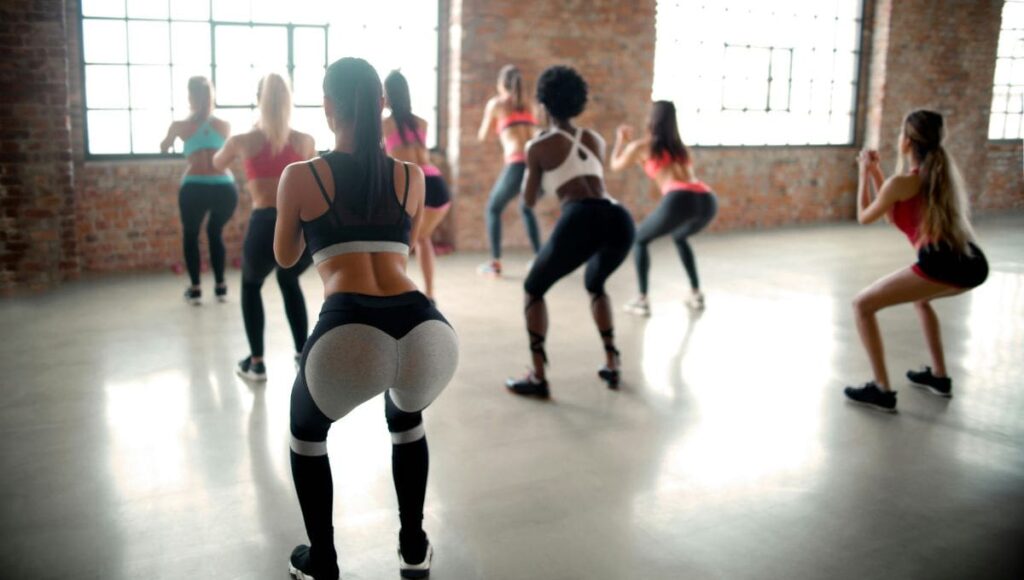
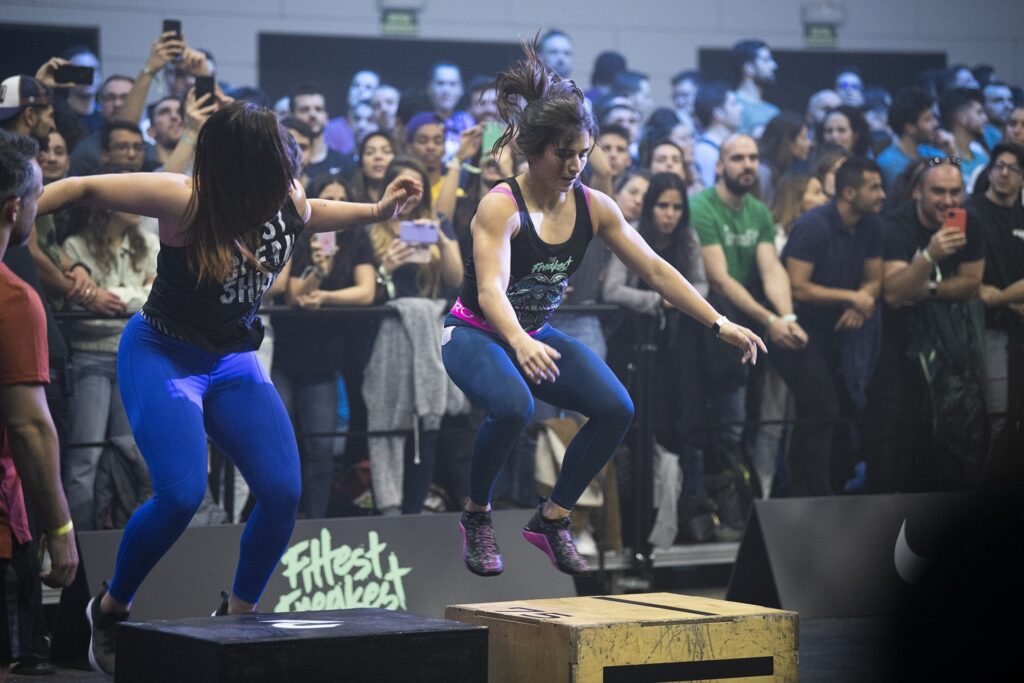
Building stronger glutes isn’t just about looks—it’s about power, performance, and injury prevention. Your gluteal muscles—the gluteus maximus, gluteus medius, and gluteus minimus—are the foundation of nearly every athletic movement: squatting, sprinting, jumping, and even stabilizing your posture.
Weak or inactive glutes can lead to lower back pain, hamstring strains, and reduced athletic output.
If you’re serious about developing stronger glutes faster, you need a blend of smart training, science-backed progression, and recovery strategies that optimize growth and activation. Below are five scientifically proven ways to accelerate glute strength and muscle development.
1. Prioritize Progressive Overload and Compound Movements
Stronger Glutes Faster – Why Progressive Overload Works
To make your glutes stronger, they must be consistently challenged. Progressive overload—gradually increasing resistance, volume, or intensity—stimulates hypertrophy and neural adaptation.
Research by Schoenfeld et al. (2016) found that increasing load or volume over time significantly enhances muscle growth by promoting higher levels of mechanical tension and muscle fiber recruitment.

Without overload, your glutes adapt and plateau. The body becomes efficient at handling repetitive stimuli, so if you keep performing the same weight or reps, strength gains will stagnate.
Best Compound Movements for Glute Strength
Compound lifts engage multiple muscle groups and generate the highest mechanical tension, making them the foundation for glute development. The most effective exercises include:
- Barbell Hip Thrusts: Target maximal glute contraction. Studies by Contreras et al. (2015) show hip thrusts elicit higher gluteus maximus activation than squats.
- Back Squats: Build overall lower-body strength, especially when performed to full depth. Deep squats increase glute fiber activation by placing muscles under stretch (Bloomquist et al., 2013).
- Deadlifts: Especially sumo and Romanian variations, which maximize posterior chain loading and emphasize the glutes during hip extension.
Stronger Glutes Faster – Implementation Tip
Increase training load or volume every 1–2 weeks by 2–5%. Alternate between strength-focused (heavy, low-rep) and hypertrophy-focused (moderate weight, higher-rep) training phases to balance neural and muscular adaptations.
2. Master Glute Activation Before Heavy Lifting
The Problem: Dormant Glutes
Sedentary lifestyles and prolonged sitting lead to gluteal amnesia—the inhibition of the gluteal muscles and overactivation of the lower back or hamstrings. This imbalance compromises performance and limits muscle recruitment during lifts.
The Science of Activation
Pre-activation techniques “wake up” the glutes, enhancing neuromuscular recruitment during training. Research by Distefano et al. (2009) demonstrated that performing targeted glute activation drills significantly increases muscle activation in subsequent exercises like squats and lunges.
Best Activation Drills
Before lifting, perform 2–3 sets of these exercises:
- Glute Bridges: Focus on controlled contractions at the top.
- Banded Lateral Walks: Strengthen glute medius and improve hip stability.
- Quadruped Kickbacks: Reinforce motor control and end-range contraction.
Perform these movements slowly, focusing on tension and full glute engagement.
Implementation Tip
Spend 5–7 minutes activating your glutes before heavy training. This small addition can dramatically improve performance and muscle growth efficiency.
3. Use Optimal Training Frequency and Recovery
Stronger Glutes Faster – How Often Should You Train Glutes?
Training frequency directly influences growth rate, but recovery is equally crucial. A meta-analysis by Schoenfeld et al. (2019) found that training each muscle group twice per week leads to significantly greater hypertrophy compared to once per week, assuming total volume is equal.
For faster glute development, aim to train them 2–3 times per week with at least 48 hours between sessions. This ensures sufficient mechanical stimulus and recovery balance.
Recovery and Protein Synthesis
Muscle protein synthesis (MPS) remains elevated for roughly 24–48 hours after resistance training (MacDougall et al., 1995). Training again before full recovery can hinder progress. Conversely, long gaps reduce the anabolic response.
Support recovery with:
- Adequate Sleep: At least 7–9 hours per night to optimize hormone levels and tissue repair.
- Proper Nutrition: 1.6–2.2 g of protein per kg of body weight daily (Morton et al., 2018).
- Active Recovery: Light mobility or low-intensity cardio enhances blood flow and nutrient delivery to the muscles.
Implementation Tip
Alternate between heavy and moderate sessions—for example, one session focusing on heavy compound lifts and another emphasizing higher-rep isolation or band work.
4. Incorporate Eccentric and Isometric Training Phases
The Science Behind Eccentric Overload
Eccentric contractions (muscle lengthening under tension) create more mechanical damage and stimulate greater muscle remodeling. Research by Hedayatpour and Falla (2015) shows eccentric training leads to higher increases in muscle strength and cross-sectional area compared to concentric-only training.
In glute training, this means emphasizing the lowering phase of movements like squats or hip thrusts. Slow eccentrics (3–4 seconds down) increase time under tension, a key factor in hypertrophy.
The Role of Isometric Holds
Isometric contractions, where muscles contract without movement, enhance stability and neural recruitment. Studies by Folland et al. (2005) indicate isometric training increases muscle activation and tendon stiffness, leading to improved force transmission.
Stronger Glutes Faster – Practical Application
- Add pause squats with 2–3 second holds at the bottom.
- Include isometric hip thrust holds for 15–30 seconds per set.
- Perform slow eccentrics during step-ups or split squats for increased control and activation.
Implementation Tip
Integrate one eccentric or isometric-focused session weekly or alternate tempo training phases every 3–4 weeks to maintain adaptation.
5. Optimize Glute Growth with Mind-Muscle Connection and EMG-Based Technique
Why Technique Matters
Exercise execution and mental focus significantly influence glute engagement. EMG (electromyography) research by Contreras et al. (2015) revealed that muscle activation can vary drastically based on exercise form, stance width, and mental focus.
For example, focusing on “pushing through the heels” during hip thrusts or squats increases glute activation compared to pushing through the toes (Schoenfeld, 2010).
Building the Mind-Muscle Connection
The mind-muscle connection (MMC) enhances voluntary recruitment of target muscles. Calatayud et al. (2016) found that consciously focusing on contracting a muscle during an exercise increased EMG activity by over 20%.

In practical terms, this means thinking about “squeezing” your glutes hard at the top of each rep rather than simply completing the movement.
Stronger Glutes Faster – Technique Optimization
- Hip Thrusts: Maintain a neutral spine, chin tucked, and full hip extension. Avoid lumbar overextension.
- Squats: Control descent, engage the glutes at depth, and drive through the heels.
- Lunges: Keep torso upright and emphasize glute drive rather than quad push-off.
Implementation Tip
Record your lifts periodically. Visual feedback helps correct form deviations and ensures consistent glute engagement.
Advanced Methods for Accelerating Results
Contrast Training
Pairing heavy compound lifts with explosive movements (e.g., hip thrusts followed by jump squats) improves power and hypertrophy through post-activation potentiation (Tillin & Bishop, 2009).
Blood Flow Restriction (BFR) Training
When applied safely, BFR allows for muscle growth using lower loads (20–30% of 1RM) by restricting venous return, which enhances metabolic stress. Research by Loenneke et al. (2012) supports BFR as an effective method for accelerating hypertrophy with minimal joint stress.
Stronger Glutes Faster – Periodization for Glute Training
Rotate between phases of volume, intensity, and power every 4–6 weeks. Periodization prevents stagnation and ensures continuous adaptation, as demonstrated in a review by Buford et al. (2007).
Common Mistakes That Slow Down Glute Progress
- Neglecting Full Range of Motion: Partial reps limit fiber recruitment and overall development.
- Overtraining: Training too frequently without rest leads to central fatigue and diminished returns.
- Poor Nutrition: Inadequate protein and calories blunt hypertrophic response.
- Ignoring Movement Variety: Overreliance on one or two exercises limits stimulus diversity.
- Skipping Activation Work: Leads to suboptimal recruitment and compensatory movement patterns.
Summary: How to Build Stronger Glutes Faster
Training smarter—not just harder—is the key to faster glute development. By integrating progressive overload, activation, recovery, controlled tempo work, and focused technique, you’ll optimize both strength and muscle growth.
Each of these strategies is backed by scientific evidence demonstrating measurable improvements in performance and hypertrophy.
Stronger Glutes Faster – Key Takeaways
| Tip | Focus | Scientific Basis | Practical Action |
|---|---|---|---|
| 1. Prioritize Progressive Overload | Mechanical tension | Schoenfeld et al., 2016 | Increase weight/volume by 2–5% weekly |
| 2. Activate Glutes Before Lifting | Neuromuscular recruitment | Distefano et al., 2009 | 5–7 min activation routine pre-workout |
| 3. Balance Frequency & Recovery | Protein synthesis | Schoenfeld et al., 2019; MacDougall et al., 1995 | Train glutes 2–3× weekly with 48h rest |
| 4. Use Eccentric & Isometric Training | Muscle remodeling | Hedayatpour & Falla, 2015 | Slow eccentrics and isometric holds |
| 5. Master Form & Mind-Muscle Connection | EMG activation | Calatayud et al., 2016 | Focus on tension, record form |
References
- Bloomquist, K. et al. (2013). “Effect of range of motion in heavy load squatting on muscle and tendon adaptations.” European Journal of Applied Physiology, 113(8), pp.2133–2142.
- Buford, T.W. et al. (2007). “Scientific basis for traditional periodization: A review.” Sports Medicine, 37(7), pp.479–498.
- Calatayud, J. et al. (2016). “Importance of mind–muscle connection during resistance training.” European Journal of Sport Science, 16(8), pp.1163–1170.
- Contreras, B. et al. (2015). “An electromyographic comparison of hip thrust and squat exercises.” Journal of Applied Biomechanics, 31(6), pp.452–458.
- Distefano, L.J. et al. (2009). “Gluteal muscle activation during common therapeutic exercises.” Journal of Orthopaedic & Sports Physical Therapy, 39(7), pp.532–540.
- Folland, J.P. et al. (2005). “The influence of isometric training on muscle strength and tendon stiffness.” European Journal of Applied Physiology, 94(4), pp.491–498.
- Hedayatpour, N. & Falla, D. (2015). “Physiological and neural adaptations to eccentric exercise.” Frontiers in Physiology, 6, p.354.
- Loenneke, J.P. et al. (2012). “Blood flow restriction: The metabolite/volume threshold theory.” Medical Hypotheses, 78(1), pp.151–154.
- MacDougall, J.D. et al. (1995). “The time course for elevated muscle protein synthesis following heavy resistance exercise.” Canadian Journal of Applied Physiology, 20(4), pp.480–486.
- Morton, R.W. et al. (2018). “A systematic review of protein intake and muscle growth.” British Journal of Sports Medicine, 52(6), pp.376–384.
- Schoenfeld, B.J. (2010). “The mechanisms of muscle hypertrophy and their application to resistance training.” Journal of Strength and Conditioning Research, 24(10), pp.2857–2872.
- Schoenfeld, B.J. et al. (2016). “Effects of resistance training volume on muscle hypertrophy.” Journal of Strength and Conditioning Research, 30(11), pp.3119–3127.
- Schoenfeld, B.J. et al. (2019). “Effects of training frequency on muscle hypertrophy.” Sports Medicine, 49(10), pp.1871–1887.
- Tillin, N.A. & Bishop, D. (2009). “Factors modulating post-activation potentiation and its effect on performance.” Sports Medicine, 39(2), pp.147–166.
About the Author

Robbie Wild Hudson is the Editor-in-Chief of BOXROX. He grew up in the lake district of Northern England, on a steady diet of weightlifting, trail running and wild swimming. Him and his two brothers hold 4x open water swimming world records, including a 142km swim of the River Eden and a couple of whirlpool crossings inside the Arctic Circle.
He currently trains at Falcon 1 CrossFit and the Roger Gracie Academy in Bratislava.