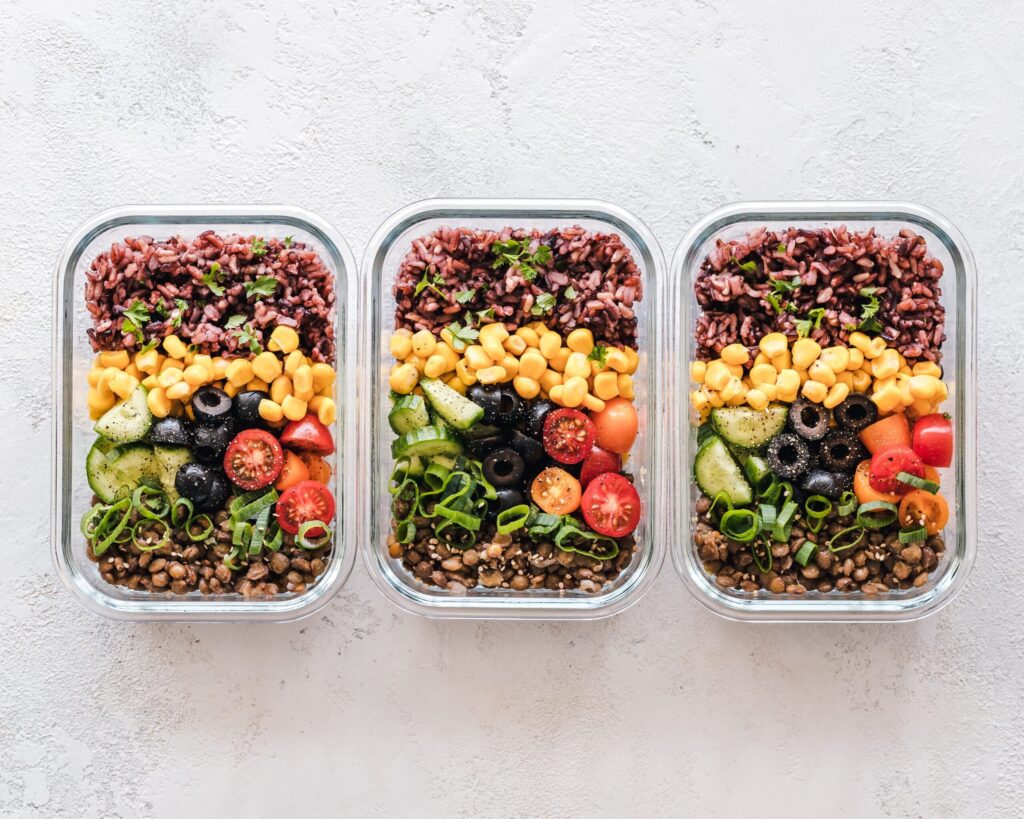
Choosing the right blend of ingredients is critical for a meal that will work to your benefit—lean proteins, complex carbs, and healthy fats. Proper hydration is also crucial for optimal performance and recovery. Thus, be sure to drink water throughout the whole day and eat hydrating foods, such as fresh fruit and veggies with high moisture content—bell peppers, zucchini, tomatoes…

Everyone’s nutritional demands and preferences are different, so you definitely need to customize them to work out the best for you. But still, here is a little guide on how to craft the perfect pre-workout meal!
What Is the Best Pre-Workout Food?
A balanced and meticulously planned pre-workout meal is not just a suggestion; it’s a necessity. It’s the fuel that powers your gym session, aids in muscle recovery, and optimizes performance. Every workout causes tiny muscle tissue rips, and a good meal is your ally in this battle. It provides you with enough energy to endure the training without overstuffing you, ensuring you can move freely.
Let’s see how to build a perfect and full pre-workout meal! It should contain all three chief macronutrient classes – carbohydrates, protein, and healthy fats. It is important to stress – carbs aren’t bad for you and won’t make you fat!
Carbohydrates, contrary to popular belief, are not your enemy. They are your body’s primary energy source, especially during high-intensity exercises. In the organism, carbs break down into glucose, then convert into glycogen and store in the muscles and liver.
During exercise, your body relies on glycogen as its primary fuel source to boost your muscles and sustain energy levels. Prolonged or very intense exercise causes muscle tissues to break down for energy if glycogen stores are drained. Following that, carbohydrates help maintain muscle mass plus support their recovery and growth.

By regulating blood sugar levels, carbs prevent hypoglycemia, which causes dizziness, fatigue, and weakness during exercise. They are essential in supporting high-intensity exercises like weight lifting or running because they provide energy for muscle contractions and power output.
The key is to choose the right ones. Complex carbohydrates provide sustained energy, while heavily processed ingredients like white flour bread and pastries or sweets can backfire. So, choose wisely to fuel your workout effectively.
Good ingredients to incorporate in your pre-workout meal are:
- whole-grain toast or bread
- traditional rolled oats
- quinoa
- brown rice
- sweet potato
- banana
- berries
- apples
Needless to say, a moderate amount of complex carbs is the key to providing sustained energy. You can express it in numbers, too, so target about 45-65% of your total calorie intake for carbohydrates in pre-workout meals. That’s between one and two servings of brown rice, sweet potato, or whole grain toast, for instance.
It is a well-known fact that proteins are vital for muscle repair and growth. During workouts, especially resistance training or high-intensity exercises, muscle tissue undergoes stress and micro-tears. To repair and rebuild them, you need proteins that promote recovery and growth.
Incorporating enough protein into your pre-workout meal ensures your muscles have building blocks for expansion. Like carbs, proteins preserve muscles through glycogen mechanisms. Proteins promote feelings of fullness and satiety, preventing overeating and starving during and after the activity.

Eating proteins before a workout increases the metabolic rate and energy consumption, followed by bigger calorie burn during and post-exercise. This means it has a higher thermic effect compared to carbs and fats, so it needs more energy to digest, absorb, and metabolize.
Opt for lean proteins as they provide high-quality energy without excessive saturated fats. Go for:
- poultry – skinless chicken and turkey breasts are ideal;
- fish
- seafood
- lean cuts of beef and pork,
- eggs
- dairy products – Greek yogurt, cottage cheese, skim milk
- plant-based proteins – chickpeas, lentils, tofu, tempeh, edamame…
While carbs are the body’s primary energy source while exercising, fats play the main role in providing sustained energy during long workouts. Fats have a high concentration of energy and grant more than twice the calories per gram compared to carbs and proteins. Healthy fats are the best fuel for endurance activities!
Omega-3 fatty acids from fish, flaxseeds, and edamame support joint and connective tissue health by reducing inflammation and promoting recovery from exercise-induced stress on joints and muscles. Healthy fats also influence hormonal balance, which is important for optimal performance and adaptation.
Fats in avocados, nuts, seeds, fatty fish, olive oil, coconut, and dark chocolate are prime ingredients to increase satiety. They also enhance nutrient absorption of fat-soluble vitamins -A, D, E, and K. This means only one – fat is vital for optimal performance and recovery.
Pre-Workout Meal Ideas
Here are a few amazing pre-workout meal ideas to incorporate into your menu!
Greek Yogurt Parfait with Berries and Almonds
This is an amazing dish to have before a workout and also superb to have on the go. Just mix some Greek yogurt, fresh berries, and toasted almonds for crunch. If you find it too sour, drizzle agave or date syrup.
Quinoa and Vegetables Stir-Fry with Tofu
Stir fry tofu cubes and vegetable mix – bell peppers, broccoli, snap peas, and mushrooms. Serve it with quinoa and a drizzle of soy or teriyaki sauce to spice things up.
Salmon and Sweet Potato Hash
This meal works particularly when you have leftover sweet potato and salmon. Saute some onion and spinach and top it with cubed potato and salmon. Don’t forget a sprinkle of lemon on top!
Egg and Avocado Whole-Grain Toast
This is a staple dish. Prepare poached or scrambled eggs to avoid excessive fat. Slice avocado or make guacamole to spice things up!
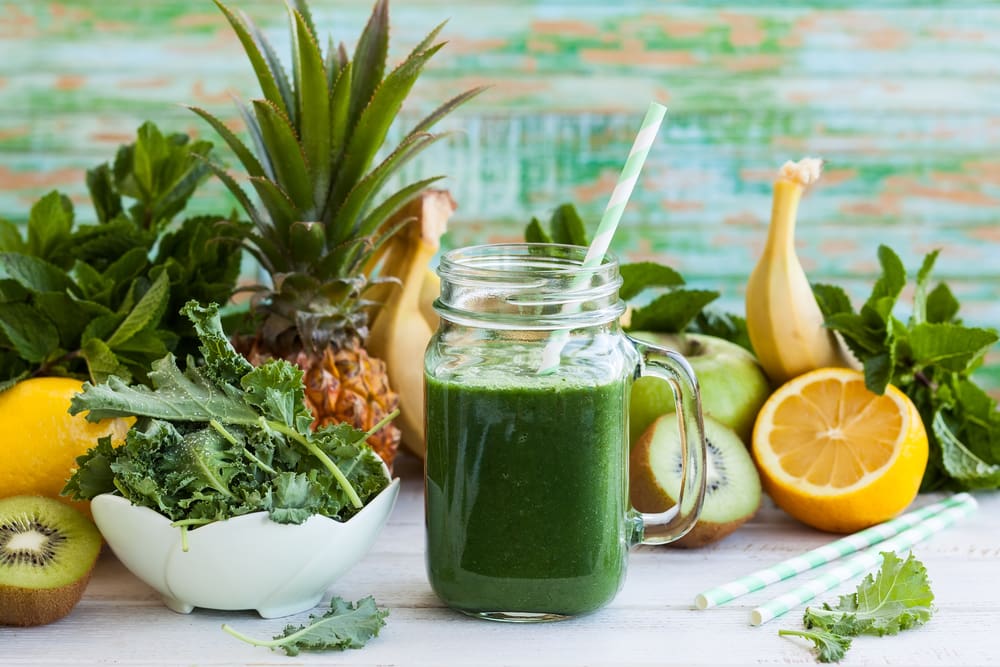
Green Smoothie
When making smoothies, add protein powder, whey, or plant-based. Add some leafy greens along with fruit into the smoothie to prevent sugar spikes and nut butter for a healthy fat source.
Turkey and Vegetable Omelette
Sautée some onions, mushrooms, spinach, and bell peppers, and add turkey breasts or sausage. Beat together eggs and egg whites and pour it over. This dish is packed with proteins and fiber.
Tuna Salad Stuffed Bell Peppers
No-bake bell peppers are quick and incredibly nutritious. Mix up some Greek yogurt with tuna to boost protein count and stuff the peppers. You can add some finely chopped veggies, as well, or sprinkle of seeds.
Whole Grain Pasta Salad
Cook wheat pasta and mix it up with grilled chicken, cherry tomatoes, baby spinach, and some pesto. Even better if the pesto is homemade with nuts, basil, olive oil, and cheese.
Turkey and Vegetable Skewers
Alternate cubed turkey breasts with colorful veggies—multicolored bell peppers, zucchini, and cherry tomatoes. Grill or roast them until cooked through with olive oil and serve with some couscous on the side.
Shrimp and Avocado Lettuce Wrap
Lettuce is a light option to wrap up your proteins in. Shrimp, avocado, cucumber, peppers, and carrot mix is an amazing pre-workout meal.
Chia Seed Pudding with Berries
Opt for some plant-based milk, like almond, to mix with chia and honey. Choose any berry mix you like, plus sprinkle some granola or crushed nuts on top for an additional crunch.
Cottage Cheese and Fruit Bowl
This is a quick option packed with proteins. For fruit, choose pineapple, mango, or kiwi and drizzle with honey for additional sweetness.
Smoked Salmon and Cream Cheese Bagel
Opt for a whole-grain bagel, and you will get healthy carbs. Protein and healthy fats come from salmon and cream cheese. Top it with some fresh veggies for additional nutrients!
What NOT to Eat Pre-Workout?
Some foods should be avoided pre-workout to prevent discomfort, digestive issues, and bad performance. Unsurprisingly, foods packed with unhealthy fats—deep-fried foods, greasy burgers, and heavy sauces—are difficult to digest. They are likely to cause discomfort and bloating during exercise.
High-fiber foods are necessary for overall health, but consuming large amounts before a workout can trigger digestive troubles, gas, and bloating. So, avoid eating excessive amounts of beans, lentils, and cruciferous vegetables like broccoli and cauliflower right before training.
Spicy foods irritate the gastrointestinal tract and can set off heartburn or indigestion, so skip hot sauces. Complex carbs are pre-workout staples, while food and drinks high in refined sugar are heavy passes. Candy, soda, and sugary snacks cause blood sugar spikes followed by crashes, messing up your energy levels.
When Should You Eat Before Workout?
The timing of your pre-workout meal has a significant footprint on your performance, energy levels, and digestion during activity. The ideal time frame is somewhere between 1 to 3 hours before exercise. When eating in this frame, it is best to include all three macronutrients listed above.
Just adapt the size of the portions, though, to avoid digestive troubles – smaller sizes as the workout is getting close. If you have less than an hour before the activity, go for smaller snacks higher in carbohydrates and lower in proteins and fats. This is important to ensure quick digestion and nutrient absorption.
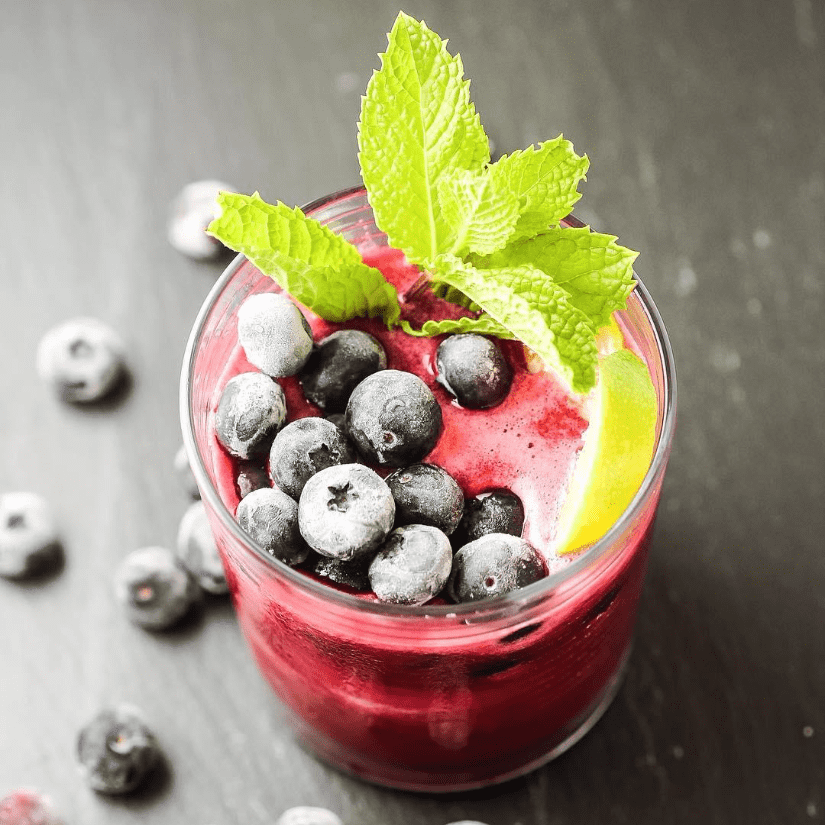
Good snack options are bananas with peanut butter, a small smoothie, or a granola bar. When eating right before exercise, in less than half an hour, focus on carbohydrates only. Opt for something super easy to digest, like a banana, apple, or sports drink.