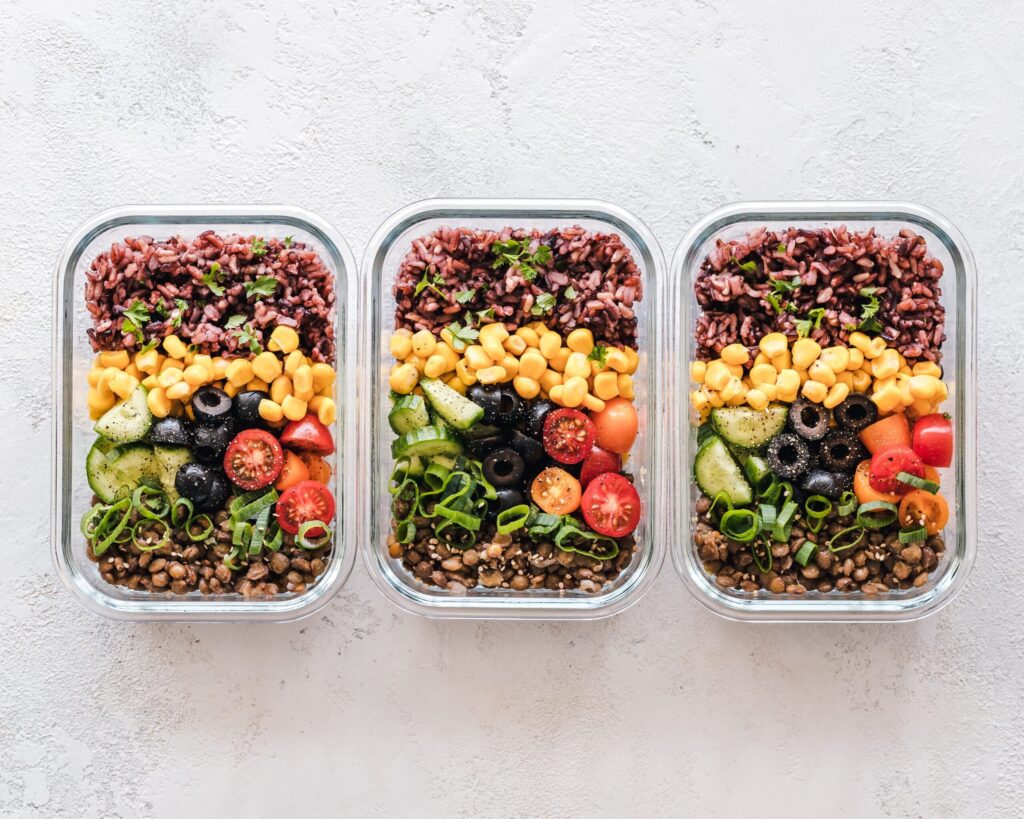
Eating clean has become one of the most popular approaches for improving health, boosting energy, and supporting long-term wellness. But many people hesitate to try it because they fear that “eating clean” means strict rules, bland meals, or giving up their favorite foods.
In reality, clean eating is about emphasizing whole foods, choosing minimally processed options, and building habits that nourish your body—not about deprivation. When done correctly, clean eating feels flexible, satisfying, and sustainable.
This science-backed guide explains how to eat clean without feeling restricted, using evidence-based strategies that support both physical and psychological well-being. You’ll learn how to craft a balanced approach to nutrition, avoid the pitfalls of overly rigid eating, and build a lifestyle that is enjoyable and realistic for everyday life.
What “Eating Clean” Really Means
Clean eating is often misunderstood. At its core, it simply means prioritizing foods in their most natural and nutrient-dense forms.
Focus on Whole Foods
Whole foods—such as fruits, vegetables, whole grains, nuts, seeds, lean proteins, and legumes—are consistently linked with better health outcomes. Research shows that diets high in whole, unprocessed foods are associated with reduced risks of cardiovascular disease, type 2 diabetes, and obesity (Aune et al., 2017; Schwingshackl & Hoffmann, 2015).

Limit Highly Processed Foods
Eating clean does not require eliminating all processed foods—freezing, drying, or chopping are forms of processing. The goal is to avoid ultra-processed foods high in added sugars, refined grains, unhealthy fats, and additives. Studies have found that diets high in ultra-processed foods contribute to overeating, weight gain, and increased inflammatory markers (Hall et al., 2019).
Keep It Flexible
A rigid approach is unnecessary and can actually backfire. Flexible dietary patterns are more sustainable and have been shown to support better long-term health outcomes compared to strict, rule-based diets (Smith et al., 2018).
Clean eating is most effective when it becomes a lifestyle, not a set of strict rules.
Why Clean Eating Should Never Feel Restrictive
Many people associate “healthy eating” with saying no, but research shows that feeling restricted increases cravings, overeating, and psychological stress around food (Polivy & Herman, 2005). A clean eating approach built on abundance—not restriction—helps avoid these problems.
The Psychology of Food Restriction
Dietary restraint often leads to a rebound effect: the more people try to suppress cravings, the stronger those cravings become. Studies demonstrate that restricting foods increases the likelihood of binge eating, emotional eating, and feelings of failure around dieting (Herman & Polivy, 2014).
By contrast, focusing on nourishment, variety, and permission to enjoy all foods in moderation supports a healthier relationship with eating. Clean eating should enhance your life, not create fear or guilt.
The Science of Satiety: How to Feel Full and Satisfied
One of the greatest benefits of clean eating is that whole foods naturally keep you fuller for longer.
Fiber-Rich Foods Control Hunger
Fiber slows digestion, stabilizes blood sugar, and increases satiety. Research consistently shows that higher fiber intake reduces total calorie consumption and supports healthy weight management (Slavin, 2005). Whole grains, legumes, fruits, and vegetables are key clean eating staples that deliver this benefit.
Protein Supports Fullness
Protein has the strongest satiating effect of all macronutrients. Studies show that increasing protein intake helps control appetite, reduce cravings, and support balanced energy levels (Westerterp-Plantenga et al., 2009). Clean eating encourages lean sources such as fish, poultry, tofu, eggs, beans, and Greek yogurt.
Healthy Fats Promote Satisfaction
Dietary fat plays a crucial role in flavor and fullness. Foods rich in monounsaturated and polyunsaturated fats—such as avocados, nuts, seeds, and olive oil—are proven to reduce hunger and support heart health (Kris-Etherton, 1999).
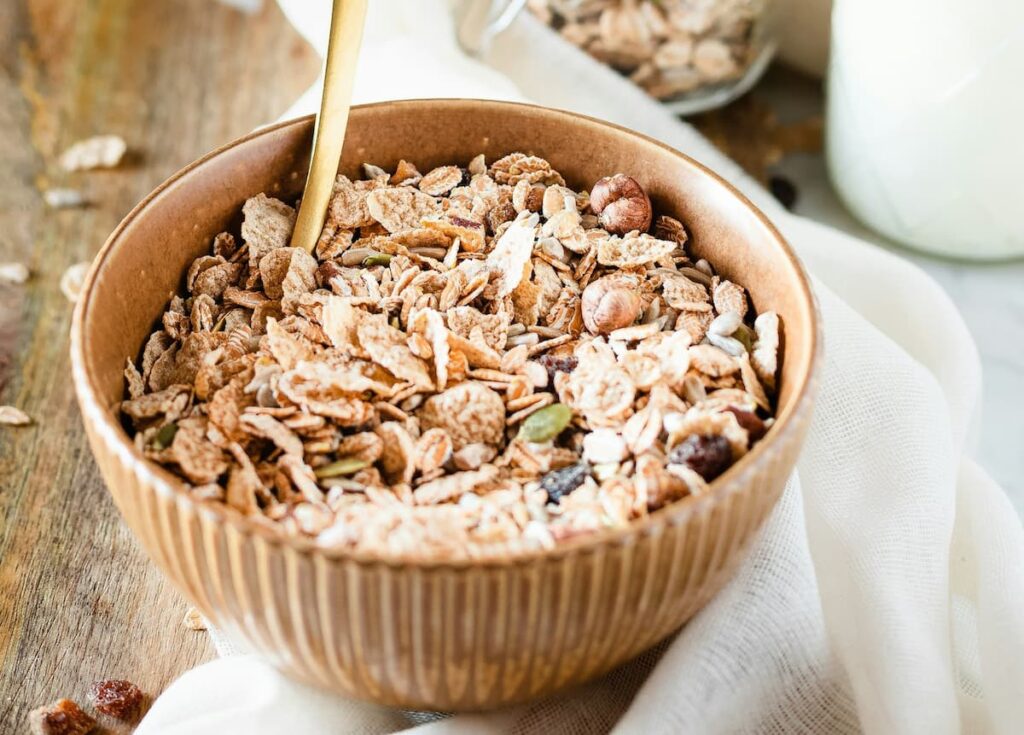
Clean eating doesn’t mean low-fat or low-carb. It means choosing nutrients that support both satisfaction and well-being.
Building a Clean Eating Plate Without Restrictions
Use the 80/20 Approach
A widely recommended, research-supported strategy is eating nutrient-dense foods most of the time while allowing space for less nutritious options in moderation. Flexible dietary approaches like this are consistently linked with healthier long-term outcomes compared to rigid dieting (Smith et al., 2018).
Fill Your Plate With Color
A colorful plate increases the diversity of vitamins, minerals, and antioxidants. Studies show that eating a variety of plant foods supports gut health, reduces inflammation, and enhances immune function (Graf et al., 2015).
Prioritize Volume Eating
Vegetables, fruits, and whole grains offer high volume with relatively low calories, meaning you can eat larger portions without feeling limited. This method of eating has been shown to reduce overall calorie intake while improving satiety and nutrient intake (Rolls, 2009).
Clean eating lets you enjoy abundant, satisfying meals without counting calories or feeling deprived.
How to Eat Clean While Still Enjoying Your Favorite Foods
Clean eating is not about perfection. It’s about making intentional choices while allowing flexibility.
Practice the “Add, Don’t Take Away” Method
Instead of cutting foods out, start by adding more nutrient-dense options. Research shows that adding healthy foods is more psychologically effective than focusing on restriction, improving dietary quality without triggering cravings (Rothman et al., 2004).
For example:
- Add vegetables to pasta dishes.
- Choose whole-grain bread but still enjoy your favorite sandwich.
- Add fruit to dessert rather than skipping dessert.
This method reduces guilt, increases satisfaction, and naturally shifts eating patterns toward whole foods.
Learn Smart Swaps That Preserve Enjoyment
Small adjustments can make meals more nutritious without sacrificing taste:
- Swap refined grains for whole grains.
- Replace sugary beverages with flavored sparkling water.
- Use herbs, spices, and citrus instead of heavy sauces.
These changes improve nutrient density but keep your meals enjoyable—crucial for long-term adherence.
Allow Treats Mindfully
Mindful indulgence is actually a clean eating strength. Allowing yourself to enjoy enjoyable foods in moderation supports better emotional well-being and prevents binge-restrict cycles (Kristeller & Wolever, 2011).
Eating Clean on a Busy Schedule
A clean eating lifestyle must fit real life. Science-backed strategies can make it easier to stay consistent.
Plan Simple, Balanced Meals
Research shows that people are more likely to eat balanced meals when they plan ahead (Daugherty et al., 2017). You don’t need elaborate recipes—just aim for:
- A protein source
- A high-fiber carbohydrate
- Healthy fats
- Vegetables or fruits
Prep Ingredients, Not Full Meals
Prepping ingredients—like chopped vegetables, cooked grains, or marinated proteins—reduces decision fatigue and makes clean eating feel effortless.
Keep Staple Foods on Hand
Foods with long shelf lives support consistency. Examples include:
- Frozen vegetables
- Canned beans
- Whole grain pasta
- Nuts and seeds
These staples align with clean eating principles and save time on busy days.
Social Eating Without Feeling Restricted

Clean eating doesn’t need to interfere with enjoying meals out or celebrating with friends.
Choose Balanced Options When Dining Out
Studies show that focusing on balanced plate composition—not strict avoidance—helps maintain healthier eating patterns without stress (Robinson et al., 2018). Opt for meals with lean proteins, vegetables, and whole-food sides while still enjoying the experience.
Use the “One Upgrade” Rule
Make just one nutritious change at social events:
- Choose water instead of soda.
- Add a salad or vegetable side.
- Select grilled instead of fried.
Small upgrades add up without making you feel deprived.
Practice Mindful Eating in Social Situations
Mindfulness helps regulate appetite, enhance satisfaction, and reduce overeating, making it an evidence-based strategy for staying balanced without feeling restricted (Kristeller & Wolever, 2011).
Clean Eating and Long-Term Sustainability
The goal of clean eating is lifelong wellness—not a temporary diet.
Consistency Beats Perfection
Research consistently shows that long-term adherence to healthy eating habits—not short-term strictness—is what improves health outcomes (Estruch et al., 2013).
Your Diet Should Evolve With You
Lifestyle changes, stress levels, activity levels, and personal preferences all influence your eating patterns. Staying flexible allows clean eating to remain enjoyable and adaptable.
Celebrate Progress, Not Perfection
Viewing healthy eating as a skill you build over time helps reduce stress and enhances overall success. People who adopt a growth mindset around nutrition experience higher motivation, better self-regulation, and improved eating behaviors (Burnette et al., 2013).
Practical Clean Eating Tips That Don’t Feel Restrictive
Eat Enough—Don’t Undereat
Eating too little increases cravings, slows metabolism, and leads to overeating later. Clean eating should fully satisfy your hunger.
Hydrate Consistently
Hydration supports digestion, energy, and appetite regulation. Even mild dehydration can increase perceived hunger (Maughan, 2003).
Build Meals Around Protein and Fiber
This combination stabilizes blood sugar and promotes long-lasting fullness.
Use Herbs and Spices for Flavor
Flavor satisfaction is essential for long-term adherence. Spices also offer antioxidant and anti-inflammatory benefits (Shan et al., 2005).
Allow Flexibility and Joy
Enjoying food is essential for psychological well-being. Eating clean should enhance your relationship with food—not restrict it.
Final Thoughts
Learning how to eat clean without feeling restricted is about building a lifestyle centered on whole, nourishing foods while keeping flexibility, enjoyment, and satisfaction at the heart of your choices. The science is clear: an approach that prioritizes nutrient-dense foods, allows mindful indulgence, and avoids rigid rules leads to better long-term health—both physically and mentally.
You don’t need perfection. You just need consistency, balance, and a mindset that celebrates nourishment over restriction.
Bibliography
- Aune, D. et al. (2017) ‘Fruit and vegetable intake and the risk of cardiovascular disease, total cancer and all-cause mortality’, International Journal of Epidemiology, 46(3), pp. 1029–1056.
- Burnette, J.L. et al. (2013) ‘A growth mind-set intervention improves healthy eating behavior’, Health Psychology, 32(5), pp. 500–510.
- Daugherty, B.L. et al. (2017) ‘Food planning behaviors are associated with better diet quality and lower body mass index’, Journal of Nutrition Education and Behavior, 49(7), pp. 542–549.
- Estruch, R. et al. (2013) ‘Primary prevention of cardiovascular disease with a Mediterranean diet’, New England Journal of Medicine, 368(14), pp. 1279–1290.
- Graf, D. et al. (2015) ‘Contribution of diet to gut microbiota composition and function’, Current Opinion in Gastroenterology, 31(1), pp. 87–93.
- Hall, K.D. et al. (2019) ‘Ultra-processed diets cause excess calorie intake and weight gain’, Cell Metabolism, 30(1), pp. 226–236.
- Herman, C.P. and Polivy, J. (2014) ‘Restrained eating and food intake’, Obesity Reviews, 16(2), pp. 141–156.
- Kris-Etherton, P.M. (1999) ‘Monounsaturated fatty acids and risk of cardiovascular disease’, Circulation, 100(11), pp. 1253–1258.