Consuming adequate protein is essential for maintaining muscle mass, supporting recovery, regulating metabolism, and optimizing physical performance. Yet many people rely heavily on protein powders or supplements, often out of convenience or misunderstanding of whole food sources.
This article explores how to meet your protein needs entirely through diet without supplements, using evidence-based strategies and food-first approaches.
Why Protein Matters
Protein is one of the three macronutrients, composed of amino acids—the building blocks required for tissue growth and repair. It plays a vital role in the immune system, hormone production, and the maintenance of lean body mass. In athletes and physically active individuals, protein needs are elevated to support muscle recovery and adaptation to training stimuli.
Recommended Protein Intake
The Recommended Dietary Allowance (RDA) for protein is 0.8 grams per kilogram of body weight per day. However, this is the minimum to prevent deficiency, not necessarily to optimize performance or health. Research indicates that physically active individuals, athletes, or those aiming for body recomposition benefit from 1.6 to 2.2 grams per kilogram per day (Phillips and Van Loon, 2011). Elderly populations may also require more to prevent sarcopenia (Bauer et al., 2013).
[wpcode id=”229888″]Challenges of Eating Enough Protein Without Supplements
Meeting higher protein targets can be perceived as difficult without using powders or bars. Whole food sources may require more preparation and larger volumes of food. Additionally, plant-based eaters may face challenges due to lower protein density and digestibility of plant proteins compared to animal proteins (Mariotti and Gardner, 2019). However, with smart planning and food choices, it is entirely possible to meet protein needs through diet alone.
Best Protein-Rich Whole Foods
To maximize protein intake without supplements, focus on high-protein foods that are nutrient-dense and accessible.
Animal-Based Protein Sources
1. Poultry and Red Meat
Chicken breast, turkey, lean beef, pork loin, and lamb are high-quality sources, offering around 22–31 grams of protein per 100 grams cooked. They are complete proteins, containing all nine essential amino acids in optimal ratios. Lean cuts help reduce saturated fat intake while maximizing protein density.
2. Eggs
Eggs provide around 6 grams of protein each, with the highest biological value of any food. They contain all essential amino acids and are highly digestible (Schaafsma, 2000). Including whole eggs, not just whites, adds important micronutrients such as choline, vitamin D, and B12.
3. Dairy
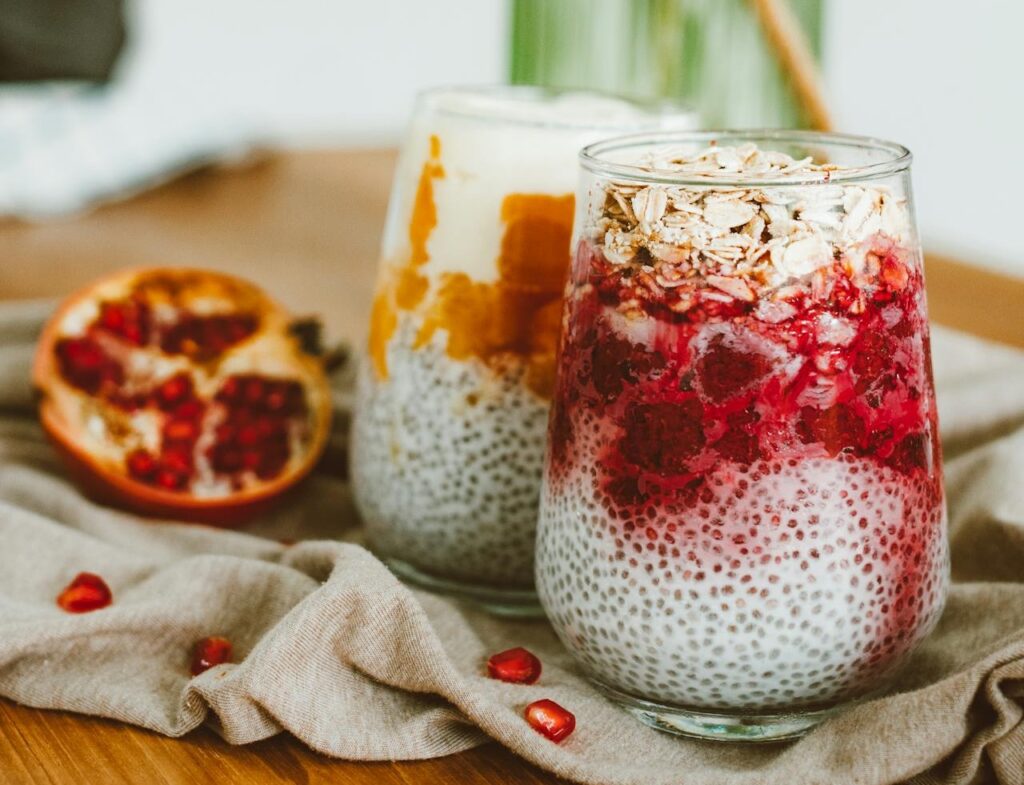
Greek yogurt (10 grams/100 g), cottage cheese (11–12 grams/100 g), milk (8 grams/cup), and hard cheeses offer significant protein alongside calcium and probiotics. Casein and whey, the primary proteins in dairy, are complete and highly bioavailable.
4. Fish and Seafood
Tuna, salmon, cod, shrimp, and other seafood contain 20–25 grams of protein per 100 grams. Oily fish like salmon also provide omega-3 fatty acids, which have anti-inflammatory properties and may support muscle protein synthesis (Smith et al., 2011).
Plant-Based Protein Sources
1. Legumes
Lentils, chickpeas, black beans, and kidney beans offer 7–9 grams of protein per 100 grams cooked. While not complete proteins, their amino acid profile can be complemented with grains or seeds. They are also rich in fiber and minerals.
2. Whole Grains
Quinoa, oats, brown rice, and whole wheat contain moderate protein levels (3–6 grams per 100 grams cooked) and, when combined with legumes or soy, form a complete amino acid profile. Quinoa is a rare plant-based complete protein.
3. Soy Products
Tofu, tempeh, and edamame are among the few plant-based complete proteins. Firm tofu contains 10–15 grams of protein per 100 grams, tempeh offers 19 grams, and edamame provides 11 grams per cup. They are versatile in both savory and sweet recipes.
4. Nuts and Seeds
Almonds, peanuts, chia seeds, hemp seeds, and pumpkin seeds offer 5–10 grams of protein per serving. Although not as protein-dense as meats, they are useful as calorie-dense, nutrient-rich snacks or toppings. Hemp and chia seeds also provide omega-3s.
Strategies to Increase Protein Intake Without Supplements
1. Prioritize Protein in Every Meal
Structure each meal around a protein source rather than adding it as an afterthought. For example, instead of pasta with a small amount of chicken, make grilled chicken the centerpiece and serve pasta as a side.
2. Eat More Frequent Protein-Rich Meals
Dividing protein intake across 3–5 meals helps optimize muscle protein synthesis throughout the day (Areta et al., 2013). This is more effective than consuming large amounts in one sitting, as the body has a limited capacity for protein synthesis per meal (Moore et al., 2009).
3. Double Up on Protein Portions
Increasing serving sizes of high-protein foods—like having two eggs instead of one or 200 grams of chicken instead of 100—can significantly raise total daily intake. Volume matters when aiming for higher targets.
4. Use Protein-Boosting Cooking Techniques
Combine multiple protein sources in a meal. Stir-fry tofu with quinoa and vegetables, add lentils to soups with beef, or top yogurt with seeds and nuts. These combinations increase total intake while improving amino acid profiles, especially in plant-based diets.
5. Snack Smart
Replace carb-heavy snacks with protein-rich ones: hard-boiled eggs, roasted chickpeas, Greek yogurt, cheese sticks, or tempeh slices. Planning high-protein snacks prevents gaps in intake and supports muscle recovery throughout the day.
6. Batch Prep High-Protein Foods
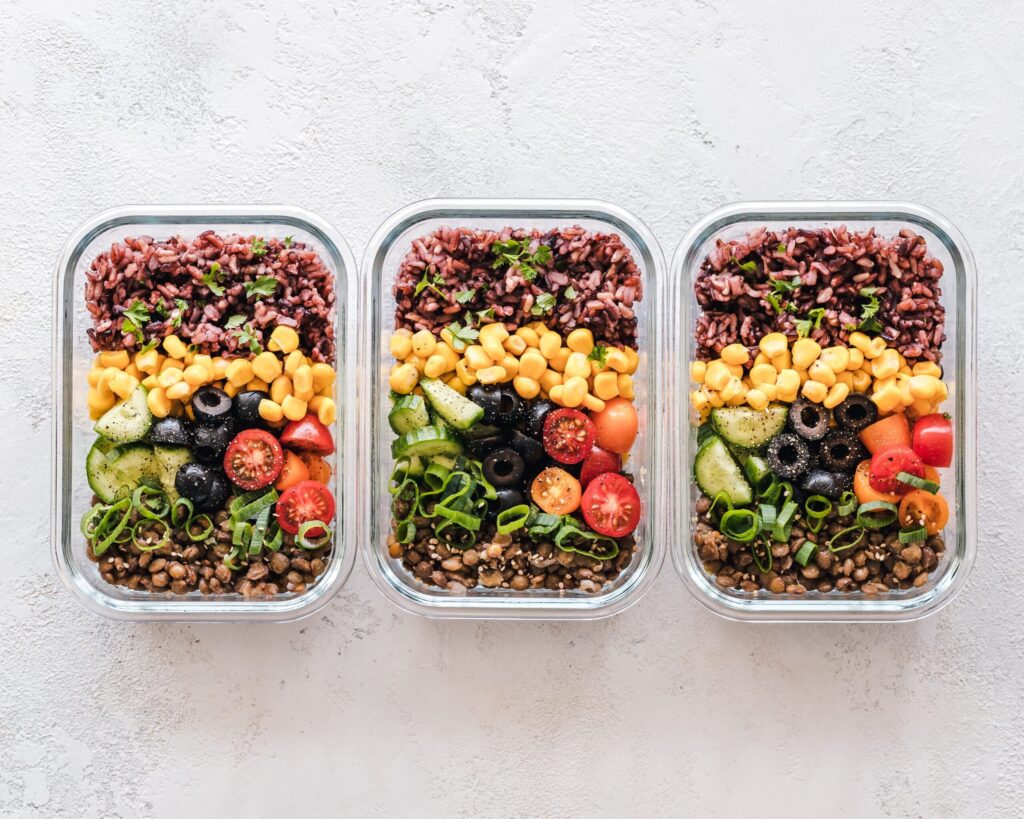
Having cooked proteins like grilled chicken, boiled eggs, or lentils ready in the fridge makes it easier to add them to meals. Preparation time is often a barrier that can be solved with batch cooking or meal prepping.
7. Eat a Protein-Rich Breakfast
Many breakfasts are carbohydrate-heavy and low in protein. Starting the day with eggs, cottage cheese, or tofu scramble ensures a more even distribution of protein and curbs muscle breakdown after the overnight fast.
Example Daily Protein Plans Without Supplements
Omnivorous Example (Target: 150g protein)
- Breakfast: 3 eggs + 1 slice cheese + whole wheat toast (24g)
- Snack: Greek yogurt with chia seeds (20g)
- Lunch: 200g grilled chicken breast + lentil salad + vegetables (50g)
- Snack: Hard-boiled eggs + almonds (15g)
- Dinner: 150g baked salmon + quinoa + broccoli (41g)
Plant-Based Example (Target: 130g protein)
- Breakfast: Tofu scramble (150g tofu) + avocado toast (22g)
- Snack: Edamame + roasted chickpeas (20g)
- Lunch: Lentil stew + brown rice + hemp seeds (32g)
- Snack: Almond butter on oatcakes + soy milk (16g)
- Dinner: Tempeh stir-fry + quinoa + vegetables (40g)
Addressing Common Concerns
Is Plant Protein Enough?
While some plant proteins are lower in one or more essential amino acids, combining complementary sources—such as legumes and grains—ensures a complete profile. Studies show that total protein quality across a day matters more than each meal being perfect (Young and Pellett, 1994). With careful selection and sufficient quantity, plant-based diets can fully support muscle maintenance and growth (Van Vliet et al., 2015).
What About Digestibility?
Plant proteins generally have lower digestibility scores than animal proteins. However, cooking, fermenting, and soaking legumes or seeds can improve digestibility. Also, consuming slightly more plant protein (to compensate for the lower digestibility) helps meet amino acid needs.
Do I Need Protein Right After Training?
While the “anabolic window” is more flexible than once believed, consuming protein within 1–2 hours post-exercise does support recovery and muscle synthesis (Schoenfeld and Aragon, 2013). A protein-rich meal or snack after training suffices, especially when total daily intake is adequate.
Benefits of Avoiding Protein Supplements
1. Higher Nutrient Density
Whole foods contain a matrix of vitamins, minerals, antioxidants, and fiber absent in isolated powders. This supports broader health beyond just meeting protein needs.
2. Reduced Risk of Contaminants
Some protein powders have been found to contain heavy metals or undeclared substances (Consumer Reports, 2010). Whole foods reduce this risk.
3. Satiety and Appetite Control
Whole protein sources promote greater satiety due to their fiber, water content, and digestion time, helping regulate calorie intake and reduce snacking (Paddon-Jones et al., 2008).
4. Cost Effectiveness
In many regions, buying bulk legumes, eggs, and canned fish can be more cost-effective than regular protein powder purchases.
Special Considerations
For Athletes
Athletes should monitor total calorie intake along with protein to ensure recovery and adaptation. Periodizing protein intake around competition, recovery, or strength phases may be beneficial. Foods like eggs, lean meats, and dairy can help meet both energy and protein needs.
For Older Adults
Aging reduces anabolic sensitivity, making protein distribution even more important. Studies recommend 25–30 grams of protein per meal to stimulate muscle protein synthesis in older adults (Moore et al., 2015).
For Vegans
Supplementation with vitamin B12, iron, and omega-3 (not protein) may be needed due to the limitations of a fully plant-based diet. However, meeting protein needs through whole plant foods is completely achievable with planning.
Conclusion
Meeting your protein needs through whole foods is not only possible but beneficial. It demands intention, meal structure, and a food-first approach. Both omnivores and plant-based eaters can reach optimal intake targets with smart food combinations, frequent high-protein meals, and a focus on minimally processed, nutrient-rich sources. Supplements can be useful in some contexts but are not necessary when diet is properly structured. Focus on real food, and your performance, health, and recovery will benefit in the long term.
References
Areta, J.L., Burke, L.M., Ross, M.L., Camera, D.M., West, D.W., Broad, E.M., Jeacocke, N.A., Moore, D.R., Stellingwerff, T. and Phillips, S.M., 2013. Timing and distribution of protein ingestion during prolonged recovery from resistance exercise alters myofibrillar protein synthesis. The Journal of Physiology, 591(9), pp.2319-2331.
Bauer, J., Biolo, G., Cederholm, T., Cesari, M., Cruz-Jentoft, A.J., Morley, J.E., Phillips, S., Sieber, C., Stehle, P., Teta, D. and Visser, M., 2013. Evidence-based recommendations for optimal dietary protein intake in older people: a position paper from the PROT-AGE Study Group. Journal of the American Medical Directors Association, 14(8), pp.542-559.
Consumer Reports, 2010. Protein drinks: What’s in them may surprise you. Consumer Reports Magazine, July 2010.
Mariotti, F. and Gardner, C.D., 2019. Dietary protein and amino acids in vegetarian diets—A review. Nutrients, 11(11), p.2661.
Moore, D.R., Churchward-Venne, T.A., Witard, O., Breen, L., Burd, N.A., Tipton, K.D. and Phillips, S.M., 2015. Protein ingestion to stimulate myofibrillar protein synthesis requires greater relative protein intakes in healthy older versus younger men. The Journals of Gerontology: Series A, 70(1), pp.57-62.
Moore, D.R., Robinson, M.J., Fry, J.L., Tang, J.E., Glover, E.I., Wilkinson, S.B., Prior, T., Tarnopolsky, M.A. and Phillips, S.M., 2009. Ingested protein dose response of muscle and albumin protein synthesis after resistance exercise in young men. The American Journal of Clinical Nutrition, 89(1), pp.161-168.
Paddon-Jones, D., Westman, E., Mattes, R.D., Wolfe, R.R., Astrup, A. and Westerterp-Plantenga, M., 2008. Protein, weight management, and satiety. The American Journal of Clinical Nutrition, 87(5), pp.1558S-1561S.
Phillips, S.M. and Van Loon, L.J., 2011. Dietary protein for athletes: from requirements to optimum adaptation. Journal of Sports Sciences, 29(sup1), pp.S29-S38.
Schaafsma, G., 2000. The protein digestibility–corrected amino acid score. The Journal of Nutrition, 130(7), pp.1865S-1867S.
Schoenfeld, B.J. and Aragon, A.A., 2013. Nutrient timing revisited: is there a post-exercise anabolic window?. Journal of the International Society of Sports Nutrition, 10(1), pp.1-11.
Smith, G.I., Atherton, P., Reeds, D.N., Mohammed, B.S., Rankin, D., Rennie, M.J. and Mittendorfer, B., 2011. Omega-3 polyunsaturated fatty acids augment the muscle protein anabolic response to hyperinsulinemia-hyperaminoacidemia in healthy young and middle-aged men and women. Clinical Science, 121(6), pp.267-278.
Van Vliet, S., Burd, N.A. and van Loon, L.J., 2015. The skeletal muscle anabolic response to plant-versus animal-based protein consumption. The Journal of Nutrition, 145(9), pp.1981-1991.
Young, V.R. and Pellett, P.L., 1994. Plant proteins in relation to human protein and amino acid nutrition. The American Journal of Clinical Nutrition, 59(5), pp.1203S-1212S.
Key Takeaways
| Concept | Summary |
|---|---|
| Optimal Protein Intake | 1.6–2.2 g/kg/day for active individuals |
| Whole Food Focus | Meat, dairy, eggs, legumes, grains, soy, nuts—all rich in protein |
| Distribution Matters | Spread protein across 3–5 meals per day |
| Plant-Based Diets | Can meet needs with combinations and volume |
| Preparation Is Key | Batch cook and plan protein-focused meals/snacks |
| Post-Workout Timing | Eat protein within 1–2 hours of training |
| Benefits Over Supplements | Greater nutrient density, satiety, and reduced contaminant risk |
| Common Myths Addressed | You can meet all protein needs without powders, regardless of diet type |