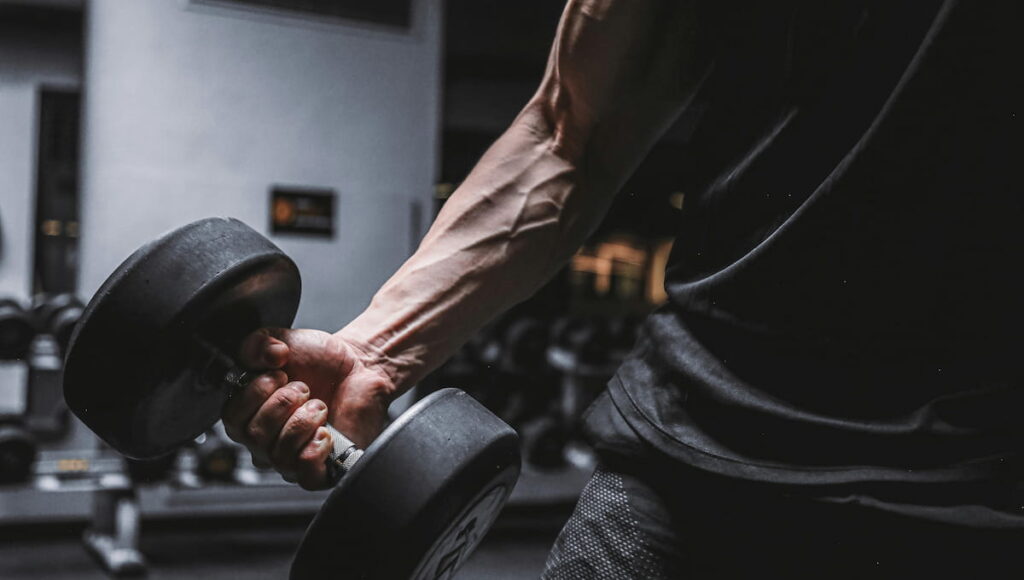
Achieving broader and more muscular shoulders is a common goal among fitness enthusiasts and bodybuilders. The quest for enhanced shoulder development often leads individuals through a plethora of routines and exercises, with varying degrees of success.
However, a targeted approach that emphasizes the anatomical and functional aspects of shoulder muscles can lead to rapid and effective growth.
This article draws upon expert advice from Jeff Cavaliere of AthleanX.com, who outlines a precise strategy for accelerating shoulder muscle growth, ensuring that individuals can see tangible results from their efforts.
The Role of the Different Shoulder Muscles
The shoulder muscle group, or deltoids, comprises three main sections: the anterior (front), medial (middle), and posterior (rear) deltoids.
Each plays a crucial role in shoulder aesthetics and function, contributing to the shoulder’s overall roundness, width, and depth.

A common mistake many make in their training is neglecting the rear deltoids. The rear deltoids are essential for achieving that sought-after 3D shoulder look, yet they are often overlooked in favor of the more visible anterior and medial deltoids.
Don’t Skip the Rear Deltoids
Cavaliere points out that one of the primary reasons individuals struggle to develop their shoulders is a lack of focus on the rear deltoids.
The rear deltoid adds significant depth and contour to the shoulder, creating a fuller, more balanced appearance. By prioritizing this often-neglected muscle group, one can achieve a noticeable improvement in shoulder size and shape.
How to Target the Rear Deltoids
To effectively target the rear deltoids, Cavaliere recommends a specific exercise known as the “hip hugger.”
This exercise is performed with dumbbells and can be executed in a kneeling position to minimize the use of momentum from the lower body, ensuring that the focus remains on the shoulder muscles.
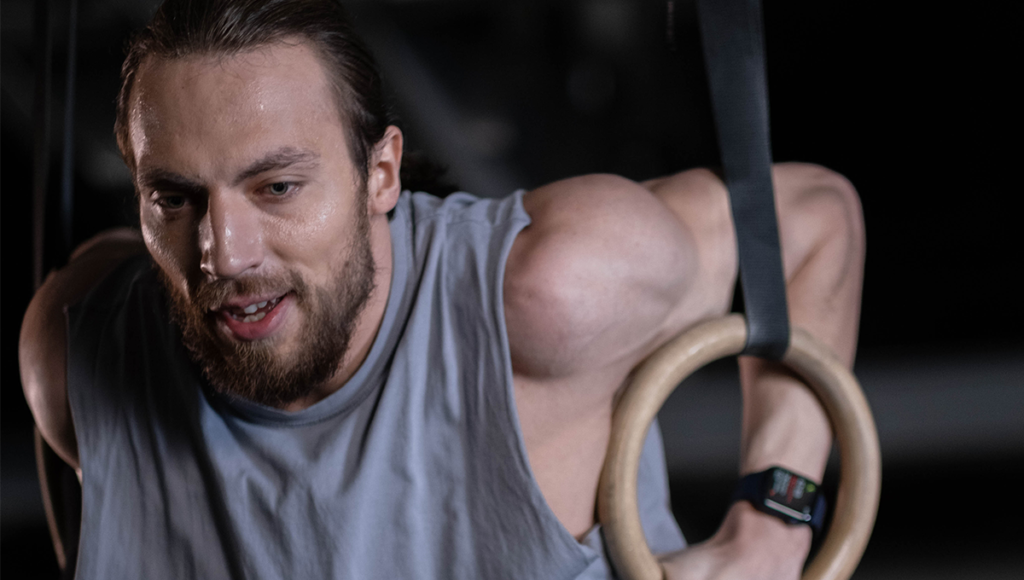
The key movement involves dragging the dumbbells up towards the hips while simultaneously driving the elbows back as far as possible. This action engages the rear deltoids through extension, while also involving the mid deltoids through the abduction of the elbows away from the body.
Using Appropriate Weight
Cavaliere emphasizes the importance of performing this exercise with appropriate weight. The rear deltoids are capable of handling heavier loads than many might assume, and utilizing a weight that challenges these muscles can lead to significant growth. The exercise should be performed in a manner that eliminates any forward motion of the elbows, which could otherwise turn the movement into a less effective upright row.
The Front Deltoids
In addition to targeting the rear deltoids, Cavaliere also suggests incorporating exercises for the front deltoids to achieve comprehensive shoulder development. One such exercise is the “scoop press,” which combines a scooping motion with a traditional shoulder press.
This movement not only targets the front deltoids but also engages the overall shoulder muscle group, providing a balanced workout that fosters growth across all sections of the deltoids.
Putting it All Together
The combination of these exercises, with a focus on proper form and appropriate weight selection, can lead to rapid and effective shoulder development. Cavaliere’s approach is grounded in an understanding of the shoulder’s anatomy and the specific functions of each deltoid section, ensuring that the workout plan is both efficient and effective.
For those seeking to enhance their shoulder development, it’s also crucial to incorporate a comprehensive fitness routine that addresses all aspects of physical conditioning. By following a structured plan that includes targeted shoulder exercises, individuals can achieve the muscular, well-defined shoulders they desire.
In conclusion, building bigger shoulders requires a targeted approach that emphasizes the rear deltoids, often neglected in traditional shoulder workouts. By incorporating exercises like the hip hugger and scoop press, and focusing on proper form and weight selection, individuals can achieve rapid and noticeable improvements in shoulder size and shape. Coupled with a comprehensive fitness program, these strategies can help anyone achieve the muscular, balanced shoulders that are a hallmark of an athletic physique.
What are the Benefits of Strong Shoulders?
Strong shoulders are much more than a symbol of physical prowess and aesthetic appeal; they are crucial for a wide range of movements and activities in daily life.
The benefits of having strong shoulders extend far beyond the gym, impacting everything from posture to the performance of everyday tasks. Here’s a deeper look into the myriad benefits of strong shoulders:
Improved Posture and Reduced Back Pain
Strong shoulders support proper posture by aligning the spine and reducing the strain on the back muscles.
Weak shoulders can lead to slouching, which exacerbates back pain and can lead to chronic issues over time. Strengthening the shoulders, particularly the rear deltoids, can help counteract the forward hunch that comes from prolonged sitting or standing.
Enhanced Athletic Performance
Shoulder strength is vital for a variety of sports and physical activities, including swimming, basketball, tennis, and baseball.
Strong shoulders enhance your ability to throw, swing, and perform overhead movements with power and precision. Athletes with strong shoulders are also less susceptible to injuries during these activities.
Increased Upper Body Strength
The shoulders are a pivotal part of the upper body’s muscular system, connecting with the chest, back, and arm muscles. Strengthening the shoulders can lead to improvements in overall upper body strength, making it easier to perform tasks that require lifting, pushing, and pulling.
Injury Prevention and Rehabilitation
Strong shoulders are less prone to injuries commonly associated with physical activities, such as rotator cuff injuries, dislocations, and strains.
For individuals who have suffered shoulder injuries, targeted shoulder strengthening exercises are often a critical component of the rehabilitation process, helping to rebuild muscle and regain function.
Better Functional Mobility in Daily Life
Strong shoulders improve your ability to perform everyday tasks with ease, from reaching for items on a high shelf to carrying groceries or lifting heavy objects. This functional mobility is crucial for maintaining independence, especially as we age.
The Ultimate Mobility Test That You Can Do Anywhere
Aesthetic Appeal
From a fitness and bodybuilding perspective, strong, well-defined shoulders are highly desirable for their aesthetic appeal. They contribute to a wider, more imposing upper body silhouette and are often seen as a sign of fitness and health.
Increased Metabolic Rate
Like any muscle group, working out your shoulders increases muscle mass, which in turn can help boost your metabolism. A higher metabolic rate means your body burns more calories at rest, aiding in weight management and fat loss.
Enhanced Core Stability
Strong shoulders contribute to stabilizing the upper body, which in turn supports core strength and stability. Exercises that build shoulder strength often engage the core muscles as well, providing a more comprehensive workout.
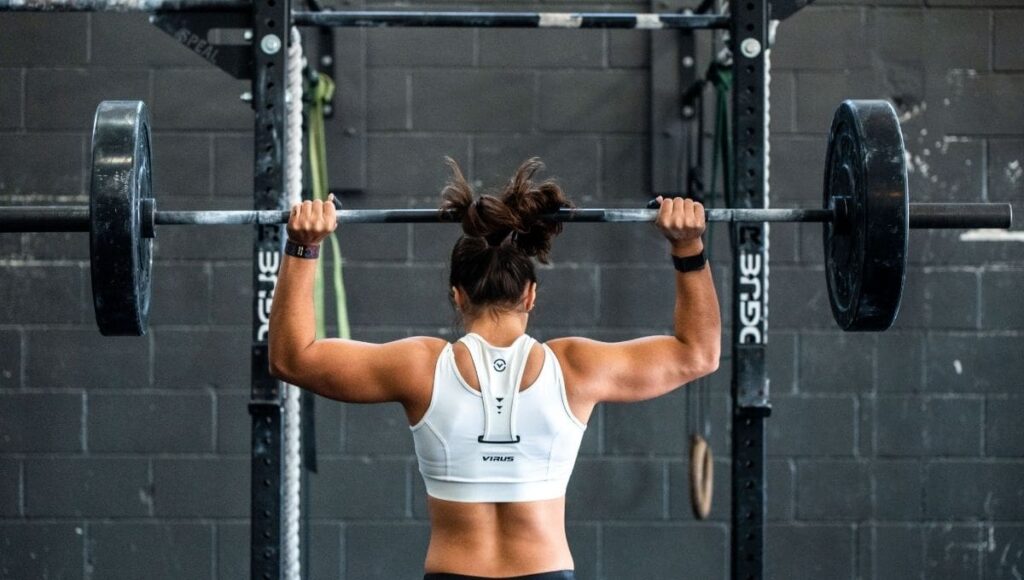
Boosted Confidence and Mental Well-being
The physical improvements and increased functionality associated with strong shoulders can lead to enhanced self-esteem and body image.
Read This Too: 5 Reasons Why THIS is the Best Exercise for Increasing Lifespan and Fat Loss
Furthermore, the act of engaging in regular exercise to strengthen the shoulders can have positive effects on mental health, reducing symptoms of anxiety and depression.
In summary, the benefits of having strong shoulders are extensive and multifaceted, touching on aspects of physical health, functionality, athletic performance, and mental well-being. Incorporating shoulder strengthening exercises into your fitness routine can provide these benefits, contributing to a healthier, more active lifestyle.