Belly fat, also known as visceral fat, is a type of fat stored around the organs in the abdominal cavity.
Unlike subcutaneous fat, which sits beneath the skin, visceral fat is metabolically active and linked to various health risks, including type 2 diabetes, heart disease, and metabolic syndrome (Després et al., 2001). Reducing belly fat improves not just aesthetics but also overall health and longevity.
The Science of Fat Loss: Calories and Energy Balance
To lose belly fat, you must create a calorie deficit, meaning you burn more calories than you consume (Hall et al., 2015). This can be achieved by adjusting food intake, increasing physical activity, or a combination of both.
Importantly, this does not mean eliminating your favourite foods but rather modifying portion sizes and maintaining a sustainable approach.
Macronutrient Balance and Satiety
Macronutrients play a crucial role in fat loss. Protein has a high thermic effect, meaning it requires more energy to digest, absorb, and metabolise compared to fats and carbohydrates (Pesta & Samuel, 2014). Additionally, protein promotes satiety and helps preserve lean muscle mass during a calorie deficit (Leidy et al., 2015).
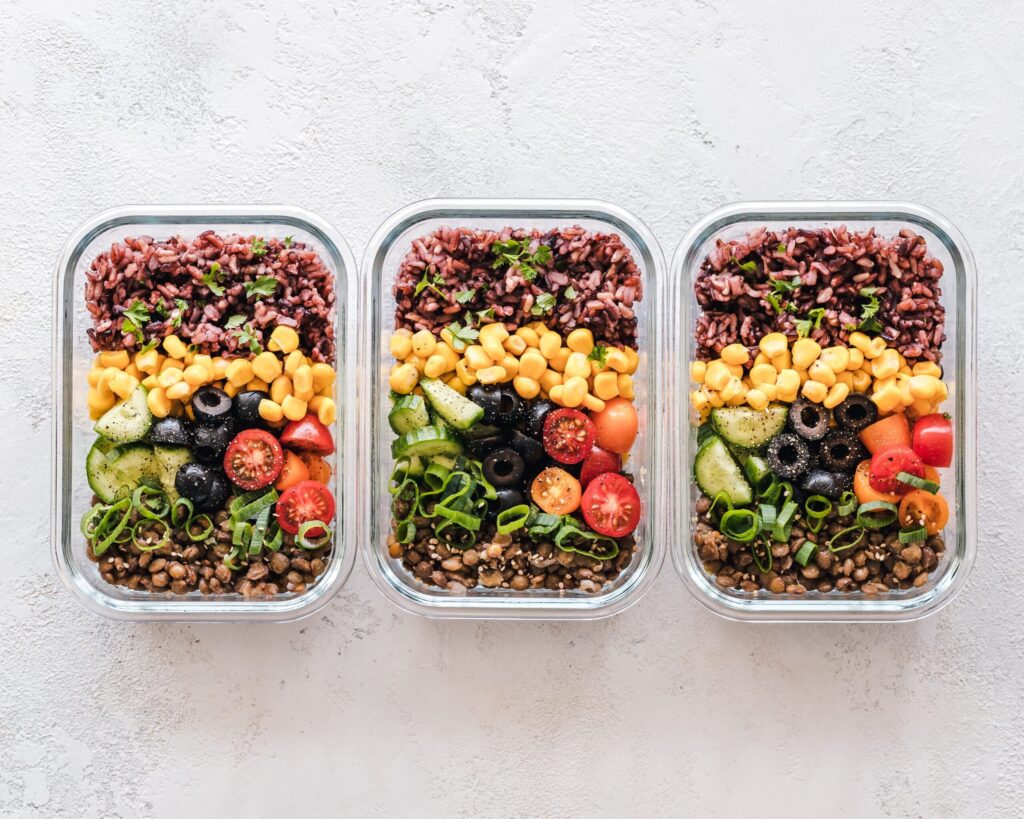
Increasing protein intake through lean meats, fish, legumes, and dairy while still enjoying your favourite foods in moderation can support fat loss.
The Role of Dietary Fibre in Reducing Belly Fat
Fibre, particularly soluble fibre, slows digestion and promotes a feeling of fullness, reducing overall calorie intake.
A study by Slavin (2005) found that increased fibre intake is associated with lower visceral fat levels. Foods high in soluble fibre include oats, flaxseeds, legumes, and vegetables. By incorporating these into your diet, you can improve satiety while still enjoying other foods in moderation.
The Myth of Spot Reduction and Effective Fat Loss Strategies
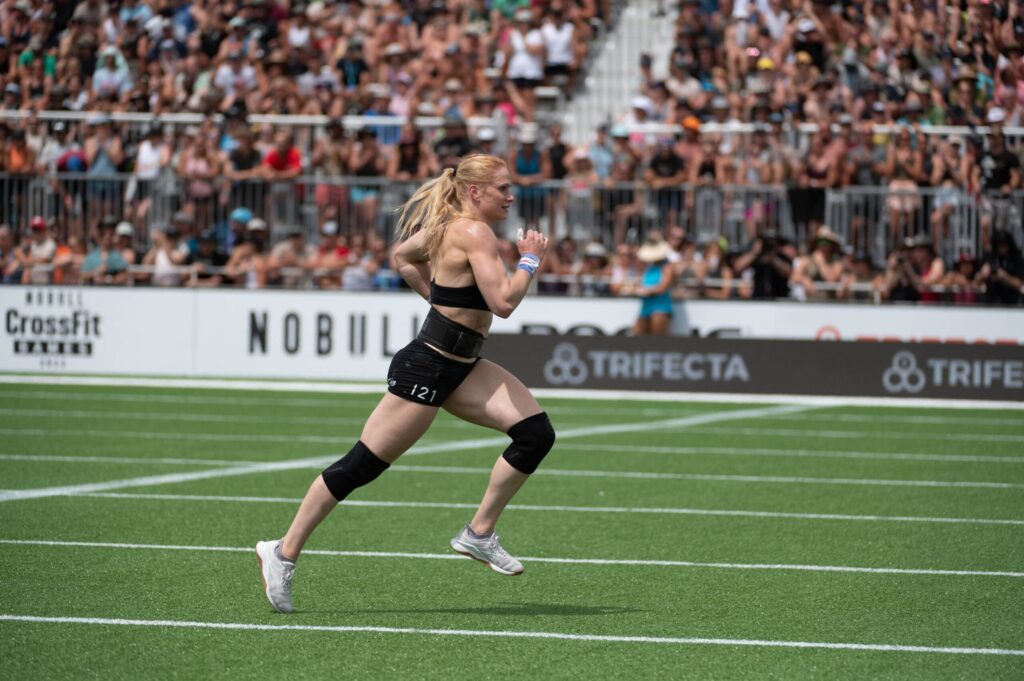
Many believe that abdominal exercises alone can reduce belly fat, but research has shown that spot reduction is a myth (Vispute et al., 2011). Instead, a combination of resistance training and cardiovascular exercise is most effective. High-intensity interval training (HIIT) has been particularly effective for reducing visceral fat while preserving muscle mass (Wewege et al., 2017). Incorporating resistance training, such as weightlifting or bodyweight exercises, further enhances fat loss and metabolic rate.

The Importance of Managing Stress and Sleep
Cortisol, the stress hormone, is linked to increased abdominal fat storage (Epel et al., 2000). Managing stress through mindfulness, meditation, and adequate sleep can reduce cortisol levels and support fat loss. Additionally, sleep deprivation disrupts hormones regulating hunger, leading to increased appetite and cravings for high-calorie foods (Spiegel et al., 2004). Prioritising 7-9 hours of quality sleep per night supports better fat loss outcomes.
Mindful Eating and Portion Control
Rather than eliminating favourite foods, focusing on mindful eating can prevent overconsumption. Research by Robinson et al. (2014) suggests that paying attention to hunger cues, eating without distractions, and using smaller plates can reduce overall calorie intake. By making small adjustments, such as reducing portion sizes or balancing indulgent meals with nutrient-dense options, it becomes possible to lose belly fat without feeling deprived.
Smart Substitutions for Sustainable Fat Loss
Making strategic food swaps allows you to enjoy your favourite flavours while reducing calorie intake. For instance, opting for air-popped popcorn instead of crisps, using Greek yoghurt instead of sour cream, or drinking sparkling water instead of sugary soda can significantly impact overall calorie balance without sacrificing enjoyment (Astrup et al., 2000).
The 80/20 Approach: A Practical Strategy for Long-Term Success
A sustainable approach to fat loss involves an 80/20 rule, where 80% of the diet consists of whole, nutrient-dense foods, while 20% includes enjoyable treats. This method reduces the likelihood of binge eating or feeling restricted, which is often associated with extreme dieting (Drewnowski & Almiron-Roig, 2010). By allowing occasional indulgences within a structured framework, adherence and long-term success improve.
Alcohol and Belly Fat: How to Drink Smarter

Alcohol contributes to belly fat by adding excess calories and impairing fat metabolism (Shelmet et al., 1988). However, moderate consumption does not necessarily lead to fat gain if accounted for within daily calorie intake. Opting for lower-calorie drinks like spirits with soda water instead of sugary cocktails and balancing alcohol consumption with increased physical activity can mitigate its impact.
Hydration and Its Role in Fat Loss
Drinking sufficient water can support fat loss by promoting satiety and improving metabolic function. A study by Boschmann et al. (2003) found that drinking 500ml of water increased metabolic rate by 30% for up to 40 minutes.
Replacing sugary drinks with water, herbal teas, or black coffee can reduce overall calorie intake and enhance fat loss efforts.
Final Thoughts: Consistency Over Perfection
Losing belly fat without giving up your favourite foods is achievable through a balanced, evidence-based approach. By focusing on calorie balance, macronutrient distribution, exercise, stress management, and mindful eating, you can create sustainable habits that lead to long-term success. Avoiding extreme restrictions and allowing flexibility improves adherence and makes fat loss an enjoyable process rather than a struggle.
Key Takeaways
| Strategy | Benefit |
|---|---|
| Maintain a calorie deficit | Essential for fat loss |
| Increase protein intake | Enhances satiety and muscle retention |
| Consume more fibre | Supports fullness and gut health |
| Combine strength training and HIIT | Most effective for fat loss |
| Manage stress and prioritise sleep | Reduces cortisol and improves appetite regulation |
| Practise mindful eating | Prevents overeating without restrictions |
| Make smart food swaps | Lowers calorie intake without sacrificing enjoyment |
| Follow the 80/20 rule | Allows flexibility for sustainability |
| Choose low-calorie alcohol options | Reduces excess calorie consumption |
| Stay hydrated | Enhances metabolism and satiety |
Bibliography Astrup, A., Grunwald, G.K., Melanson, E.L., Saris, W.H. and Hill, J.O., 2000. The role of low-fat diets in body weight control: a meta-analysis of ad libitum dietary intervention studies. International Journal of Obesity, 24(12), pp.1545-1552.
Boschmann, M., Steiniger, J., Franke, G., Birkenfeld, A.L., Luft, F.C. and Jordan, J., 2003. Water-induced thermogenesis. Journal of Clinical Endocrinology & Metabolism, 88(12), pp.6015-6019.
Després, J.P., Lemieux, I. and Prud’homme, D., 2001. Treatment of obesity: need to focus on high risk abdominally obese patients. BMJ, 322(7288), pp.716-720.
Drewnowski, A. and Almiron-Roig, E., 2010. Human perceptions and preferences for fat-rich foods. Current Opinion in Clinical Nutrition & Metabolic Care, 13(6), pp.590-594.
Epel, E.S., McEwen, B., Seeman, T., Matthews, K., Castellazzo, G., Brownell, K.D. and Ickovics, J.R., 2000. Stress and body shape: stress-induced cortisol secretion is consistently greater among women with central fat. Psychosomatic Medicine, 62(5), pp.623-632.
Hall, K.D., Heymsfield, S.B., Kemnitz, J.W., Klein, S., Schoeller, D.A. and Speakman, J.R., 2015. Energy balance and its components: implications for body weight regulation. American Journal of Clinical Nutrition, 102(4), pp.1045-1050.