Intermittent fasting (IF) is a dietary strategy that alternates between periods of eating and fasting, gaining popularity for its potential benefits in weight management, fat loss, and metabolic health.

Backed by numerous scientific studies, IF provides a structured approach to calorie control while improving overall health markers. Here are five evidence-based tips to help you maximise fat loss with intermittent fasting.
Understanding Intermittent Fasting
Before diving into specific tips, it’s essential to understand what intermittent fasting is and why it works. IF is not a diet but rather an eating pattern. Common methods include the 16/8 method (16-hour fasting window with an 8-hour eating window), the 5:2 diet (eating normally for five days and reducing calorie intake to 500-600 calories for two days), and alternate-day fasting.
Research shows that IF supports fat loss by reducing overall calorie intake and improving insulin sensitivity. When fasting, insulin levels drop, enabling the body to access and burn stored fat more efficiently (Mattson et al., 2017). Additionally, fasting stimulates autophagy, a cellular process that removes damaged cells, enhancing overall metabolic health (Madeo et al., 2019).
1. Choose the Right Intermittent Fasting Schedule
Selecting a fasting schedule that aligns with your lifestyle is critical to long-term adherence and fat loss success. While the 16/8 method is one of the most popular, alternate-day fasting or the 5:2 diet may suit those who prefer stricter calorie control on certain days. A study published in Obesity found that alternate-day fasting led to significant fat loss and preserved lean muscle mass compared to continuous calorie restriction (Varady et al., 2013).
Consistency is crucial regardless of the chosen method. Adherence to your IF schedule will determine the extent of your results. Choose a routine that fits your daily commitments, social life, and personal preferences to ensure sustainable results.
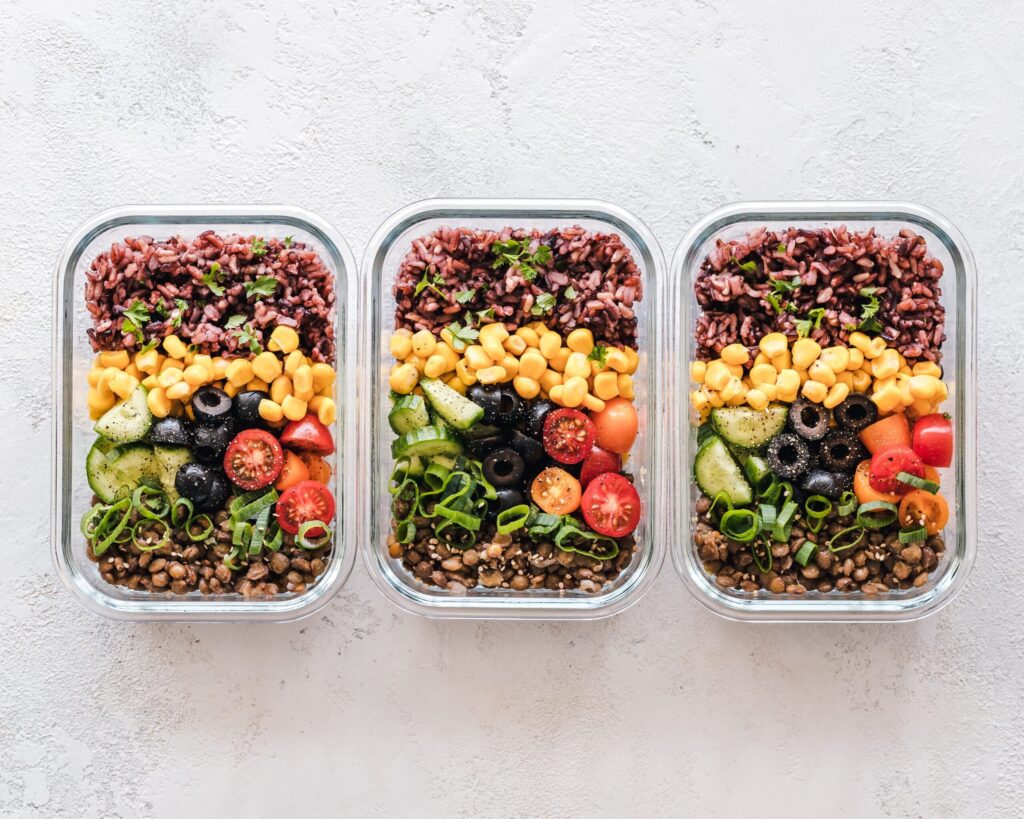
2. Prioritise Nutrient-Dense Foods During Eating Windows
Although IF does not prescribe specific foods, the quality of your diet significantly impacts fat loss and overall health. During eating windows, prioritise whole, nutrient-dense foods such as lean proteins, healthy fats, and complex carbohydrates. High-protein diets are particularly effective for fat loss, as protein increases satiety and preserves lean muscle mass during calorie restriction (Paddon-Jones et al., 2008).

Incorporating fibre-rich foods, such as vegetables, fruits, legumes, and whole grains, helps control hunger and supports digestive health. Research also highlights the role of healthy fats, such as omega-3 fatty acids, in reducing inflammation and promoting metabolic health (Calder, 2015). Avoid processed foods and added sugars, as they can lead to overeating and impede fat loss progress.
3. Stay Hydrated and Include Calorie-Free Beverages
Hydration plays a critical role in fat metabolism and overall health. Drinking sufficient water during fasting periods supports energy levels, reduces hunger, and improves metabolic function. A study in the Journal of Clinical Endocrinology and Metabolism found that drinking water increases resting energy expenditure by up to 30% for 30–40 minutes post-consumption (Boschmann et al., 2003).

In addition to water, unsweetened tea and black coffee can suppress appetite and boost fat-burning during fasting. Coffee, in particular, has been shown to enhance metabolic rate and fat oxidation due to its caffeine content (Acheson et al., 1980). However, avoid adding sugar or high-calorie creamers, as these can break your fast.
4. Optimise Your Fasting Period for Physical Activity
Strategically timing your workouts during fasting or feeding windows can amplify fat loss results. Exercising in a fasted state enhances fat oxidation, as glycogen stores are depleted, prompting the body to utilise fat as fuel. A study published in British Journal of Nutrition demonstrated that fasted exercise led to greater fat loss compared to fed exercise (Schoenfeld et al., 2014).
For optimal performance, schedule strength training or high-intensity workouts during feeding windows to ensure adequate energy availability and muscle recovery. Conversely, low-intensity activities, such as walking or yoga, are suitable during fasting periods to maximise fat utilisation without risking muscle loss.
5. Track Your Progress and Make Adjustments
Monitoring your progress is essential for evaluating the effectiveness of your intermittent fasting plan. Track your body composition, energy levels, and adherence to your fasting schedule. Tools like body fat percentage measurements, progress photos, and journaling can provide valuable insights.
If fat loss plateaus, consider adjusting your eating window or incorporating additional dietary strategies, such as carb cycling or increasing protein intake. Ensure that your total calorie intake aligns with your fat loss goals. A study in The American Journal of Clinical Nutrition emphasised that the combination of calorie control and intermittent fasting yields optimal results for weight management (Harvie et al., 2011).
Conclusion
Intermittent fasting is a powerful tool for losing body fat, improving metabolic health, and enhancing overall well-being.
By choosing the right fasting schedule, focusing on nutrient-dense foods, staying hydrated, optimising physical activity, and tracking your progress, you can achieve sustainable fat loss and long-term health benefits.
Key Takeaways
| Key Point | Summary |
|---|---|
| Choose the Right IF Schedule | Select a fasting routine that aligns with your lifestyle for better adherence and results. |
| Prioritise Nutrient-Dense Foods | Focus on whole foods, lean proteins, healthy fats, and fibre for satiety and nutrition. |
| Stay Hydrated | Drink water and calorie-free beverages to support metabolism and reduce hunger. |
| Optimise Physical Activity | Time workouts strategically to maximise fat loss and preserve muscle. |
| Track Progress | Monitor your results and adjust your plan as needed to overcome plateaus. |
Bibliography
Acheson, K.J. et al., 1980. Caffeine and coffee: their influence on metabolic rate and substrate utilization in normal weight and obese individuals. The American Journal of Clinical Nutrition, 33(5), pp.989–997.
Boschmann, M. et al., 2003. Water-induced thermogenesis. Journal of Clinical Endocrinology and Metabolism, 88(12), pp.6015–6019.
Calder, P.C., 2015. Omega-3 fatty acids and inflammatory processes: from molecules to man. Biochemical Society Transactions, 43(5), pp.995–1005.
Harvie, M. et al., 2011. The effects of intermittent or continuous energy restriction on weight loss and metabolic disease risk markers: a randomised trial in young overweight women. The American Journal of Clinical Nutrition, 94(1), pp.11–19.
Madeo, F. et al., 2019. Caloric restriction mimetics against age-associated disease: targets, mechanisms, and therapeutic potential. Cell Metabolism, 29(3), pp.592–610.
Mattson, M.P. et al., 2017. Meal frequency and timing in health and disease. Proceedings of the National Academy of Sciences, 114(30), pp.7901–7908.
Paddon-Jones, D. et al., 2008. Protein, weight management, and satiety. The American Journal of Clinical Nutrition, 87(5), pp.1558S–1561S.
Schoenfeld, B.J. et al., 2014. Body composition changes associated with fasted versus non-fasted aerobic exercise. British Journal of Nutrition, 112(4), pp.417–425.
Varady, K.A. et al., 2013. Effects of alternate-day fasting on body weight and cardiometabolic risk factors: a systematic review and meta-analysis. Obesity, 21(9), pp.1938–1949.