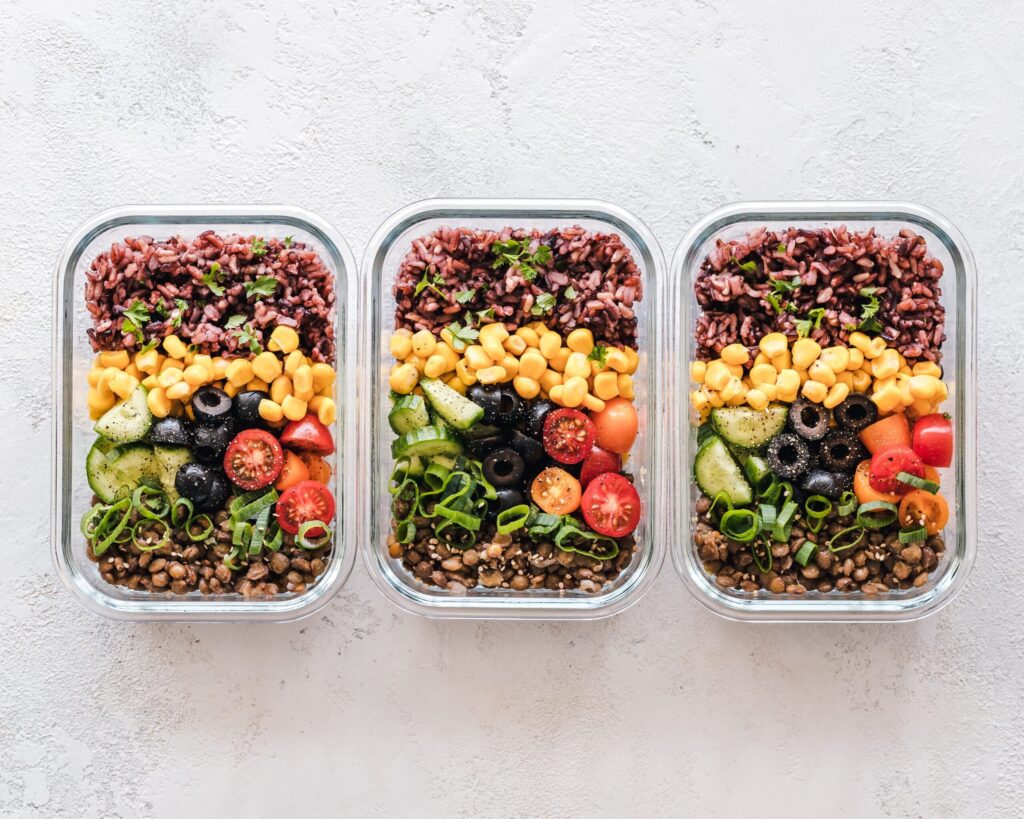
Flexible dieting, often referred to as the “If It Fits Your Macros” (IIFYM) diet, has become a popular approach to weight loss. This diet allows you to eat a variety of foods as long as they fit within your prescribed macronutrient (protein, carbohydrates, and fat) targets.
By emphasising flexibility, IIFYM helps create a sustainable eating pattern that promotes weight loss without the rigidity of traditional diets. Below are five science-backed tips to maximise your weight loss efforts with the IIFYM diet.
1. Calculate Your Macronutrient Requirements Correctly
The foundation of the IIFYM diet lies in accurately calculating your daily macronutrient needs. This involves determining your Total Daily Energy Expenditure (TDEE), which represents the total calories your body requires to maintain its current weight. Start by calculating your Basal Metabolic Rate (BMR), the number of calories your body burns at rest. You can use the Harris-Benedict equation or Mifflin-St Jeor equation for this purpose:

Mifflin-St Jeor Equation:
- For men: BMR = 10 × weight (kg) + 6.25 × height (cm) – 5 × age (years) + 5
- For women: BMR = 10 × weight (kg) + 6.25 × height (cm) – 5 × age (years) – 161
Once you have your BMR, multiply it by your activity level to find your TDEE:
- Sedentary (little or no exercise): TDEE = BMR × 1.2
- Lightly active (light exercise 1-3 days per week): TDEE = BMR × 1.375
- Moderately active (moderate exercise 3-5 days per week): TDEE = BMR × 1.55
- Very active (intense exercise 6-7 days per week): TDEE = BMR × 1.725
To lose weight, aim for a calorie deficit of 10-25% of your TDEE, depending on your goals and starting point. Allocate these calories into macronutrient percentages—for example, 40% carbohydrates, 30% protein, and 30% fat.
2. Prioritise High-Protein Foods
Protein plays a crucial role in weight loss as it promotes satiety, supports muscle preservation, and increases the thermic effect of food (TEF). A higher TEF means your body burns more calories digesting protein compared to fats or carbohydrates (Hall et al., 2016). Studies suggest that a daily protein intake of 1.6-2.2 grams per kilogram of body weight is optimal for fat loss while preserving lean muscle mass (Phillips & Van Loon, 2011).
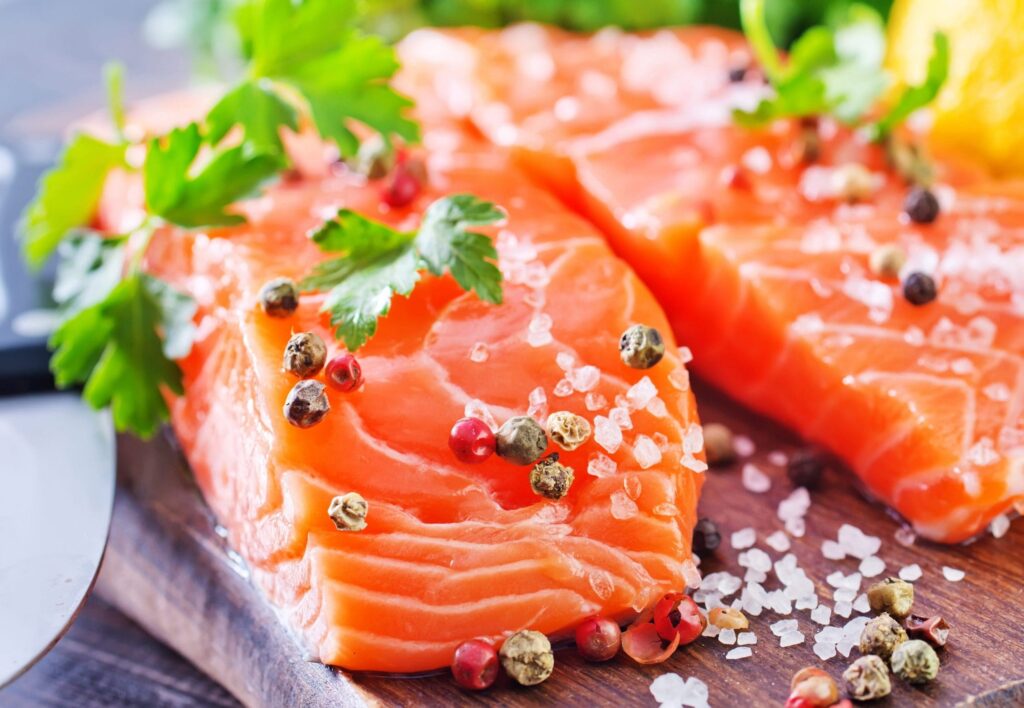
Incorporate lean protein sources such as chicken breast, turkey, fish, eggs, and low-fat dairy. For vegetarians, options like tofu, tempeh, lentils, and chickpeas are excellent. By ensuring your protein targets are met, you can reduce hunger and support your weight loss goals effectively.
3. Track Your Food Accurately
A key aspect of IIFYM is meticulous tracking of food intake. Using apps like MyFitnessPal or Cronometer makes it easier to log meals and ensure you stay within your macronutrient targets. Precision matters: weigh your food on a digital scale instead of relying on estimates to avoid overeating or underestimating calories.
Studies have shown that individuals who track their food intake consistently are more likely to succeed in their weight loss goals (Kerr et al., 2016). Logging your meals not only provides accountability but also increases awareness of portion sizes and food choices.
4. Include a Variety of Nutrient-Dense Foods
While IIFYM allows for indulgences, prioritising nutrient-dense foods ensures your body receives essential vitamins, minerals, and fibre. Whole grains, vegetables, fruits, and healthy fats should form the foundation of your diet. Foods high in fibre—such as oats, quinoa, and leafy greens—help keep you fuller for longer, reducing the likelihood of overeating (Slavin, 2013).

Additionally, including a balance of omega-3 and omega-6 fatty acids supports overall health. Omega-3s, found in fatty fish, flaxseeds, and walnuts, are particularly beneficial for reducing inflammation and improving metabolic health (Calder, 2015).
5. Allow Room for Flexibility to Stay Consistent
One of the main advantages of the IIFYM diet is its flexibility. Unlike restrictive diets, IIFYM permits occasional indulgences in foods you enjoy, as long as they fit within your macros. This flexibility can reduce feelings of deprivation and increase adherence in the long term (Drewnowski & Almiron-Roig, 2010).
However, moderation is key. Consuming excessive amounts of highly processed or sugary foods may lead to nutrient deficiencies and hinder progress. Striking a balance between indulgence and nutrient-dense eating helps you maintain consistency and enjoy the process.
Additional Tips for Success
- Hydration: Drink adequate water throughout the day to support metabolism and reduce hunger signals often mistaken for thirst.
- Exercise: Combine the IIFYM diet with regular physical activity to maximise calorie expenditure and support muscle growth.
- Meal Preparation: Plan and prepare meals in advance to avoid last-minute decisions that could derail your progress.
- Patience: Sustainable weight loss takes time. Avoid aiming for overly aggressive calorie deficits, which can lead to muscle loss and metabolic slowdown.
Conclusion
The IIFYM diet offers a flexible and effective approach to weight loss by focusing on macronutrient tracking and balance. By calculating your macronutrient needs accurately, prioritising protein, tracking food intake, incorporating nutrient-dense foods, and allowing room for flexibility, you can achieve your weight loss goals sustainably. Remember to pair the diet with a consistent exercise routine and patience for long-term success.
Key Takeaways
| Key Point | Details |
|---|---|
| Calculate macros accurately | Determine TDEE and maintain a calorie deficit for weight loss. |
| Prioritise high-protein foods | Aim for 1.6-2.2g of protein per kilogram of body weight daily. |
| Track food intake precisely | Use apps to log meals and ensure accurate tracking of macronutrients. |
| Focus on nutrient-dense foods | Incorporate whole grains, vegetables, fruits, and healthy fats to meet nutritional needs. |
| Allow flexibility for consistency | Enjoy occasional indulgences within your macronutrient targets for sustainability. |
References
Calder, P. C. (2015). Omega-3 fatty acids and inflammatory processes: from molecules to man. Biochemical Society Transactions, 43(3), pp. 526-532.
Drewnowski, A. & Almiron-Roig, E. (2010). Human perceptions and preferences for fat-rich foods. Handbook of Behavior, Food and Nutrition, pp. 265-290.
Hall, K. D. et al. (2016). Energy expenditure and body composition changes after an isocaloric ketogenic diet in overweight and obese men. American Journal of Clinical Nutrition, 104(2), pp. 324-333.
Kerr, J. et al. (2016). Associations between food tracking and weight loss: results from a randomised controlled trial. Journal of Nutrition Education and Behavior, 48(2), pp. 85-92.
Phillips, S. M. & Van Loon, L. J. (2011). Dietary protein for athletes: from requirements to optimum adaptation. Journal of Sports Sciences, 29(sup1), pp. S29-S38. Slavin, J. L. (2013). Dietary fibre and body weight. Nutrition, 28(7-8), pp. 718-721.