When trying to lose weight, losing yourself in the sea of dietary advice and approaches is super simple. After years of bad habits, you may unintentionally have an imbalanced diet, even if you’re aiming for something different. There are a few surprisingly simple things to consider that will boost your weight loss in no time. The diet is the first thing to fix, so here is all the advice on optimizing your diet for maximum fat loss!

Caloric Deficit
It is a well-known fact that a caloric deficit is the cornerstone of fat loss. When you ingest fewer calories than your body asks for to maintain its current weight, you’ll inevitably lose a few pounds. This deficit propels your body to tap into stored fat for energy, as it doesn’t have enough calories from food, leading to fat loss over time.
Calculating Your Maintenance Calories
To know how many calories you exactly need, you need to calculate them using standard formulas:
Basal Metabolic Rate (BMR): Your BMR is the number of calories you need for basic physiological functions at rest – breathing, blood circulation, or maintaining body temperature. It actually uses about 60-75% of your body calorie expenditure!
Total Daily Energy Expenditure (TDEE): TDEE includes your BMR plus the calories you spend through physical activity – exercise, walking, cleaning, and the thermic effect of food (calories burned through digestion). To estimate it, use activity multipliers, which are different for sedentary, lightly, moderately, very, and extra-active people.
Create a Caloric Deficit
Logically, to lose fat, you need to consume fewer calories than your TDEE, which is simple to achieve. Of course, the size of the deficit will determine the rate of fat loss:
Moderate Deficit: A deficit of about 500 calories per day is the best, as it is easily sustainable in the long run but extremely effective. This deficit will result in approximately 1 pound of fat loss per week since 1 pound of fat equals about 3,500 calories.
Larger Deficit: A deficit of 750-1,000 calories per day will probably lead to faster fat loss (cca 2 pounds a week). However, a sudden large deficit will also boost the risk of muscle loss, nutrient shortages, and decreased energy levels. It is also hard to sustain as it means cutting off a lot of food abruptly.
Smaller Deficit: A deficit of 200-300 calories per day is the simplest way, and you will definitely lose weight super slowly but steadily. It is easiest to maintain as it doesn’t require any big changes in nutrition, plus it preserves muscle mass. It is the choice for those who don’t have a lot of weight to lose.
Manage Hunger
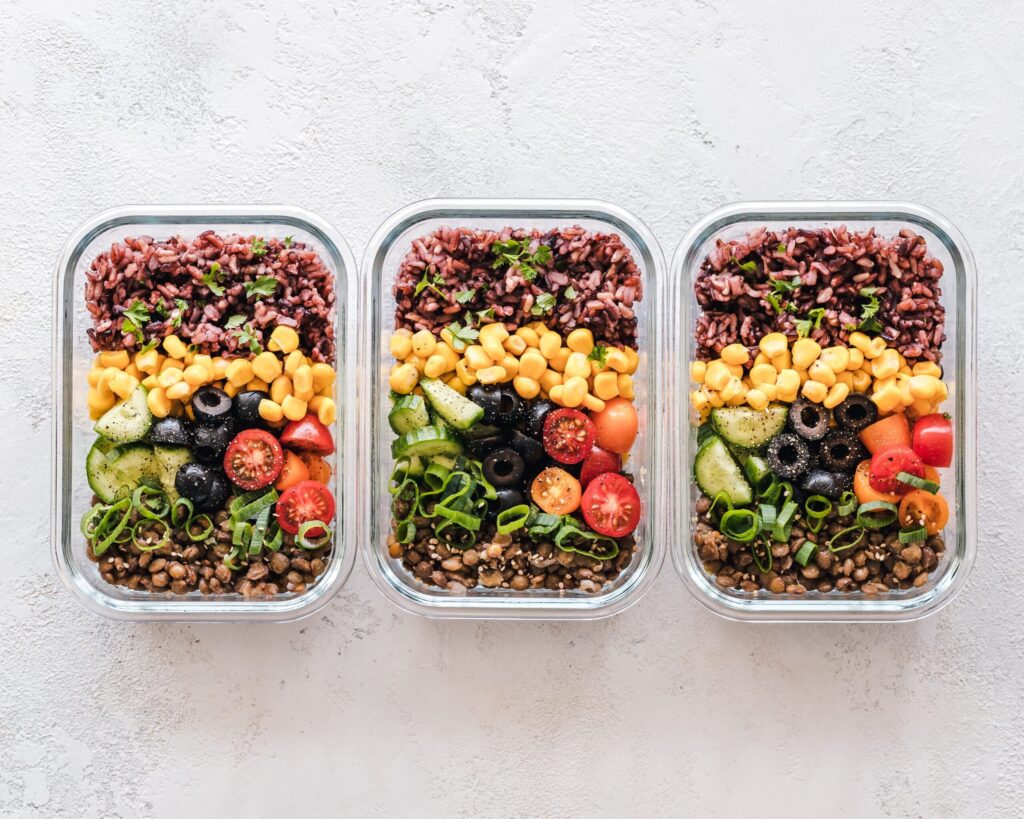
Hunger crushes are one of the chief problems that cause diets to be unmaintainable in the long run. To avoid them, prioritize foods low in calories but high in volume. Simply said, eat loads of vegetables and fruits with high water content (berries, melons, zucchinis, cucumbers) and lean proteins (chicken, turkey). These foods will fuel you up without adding too many calories in the first place.
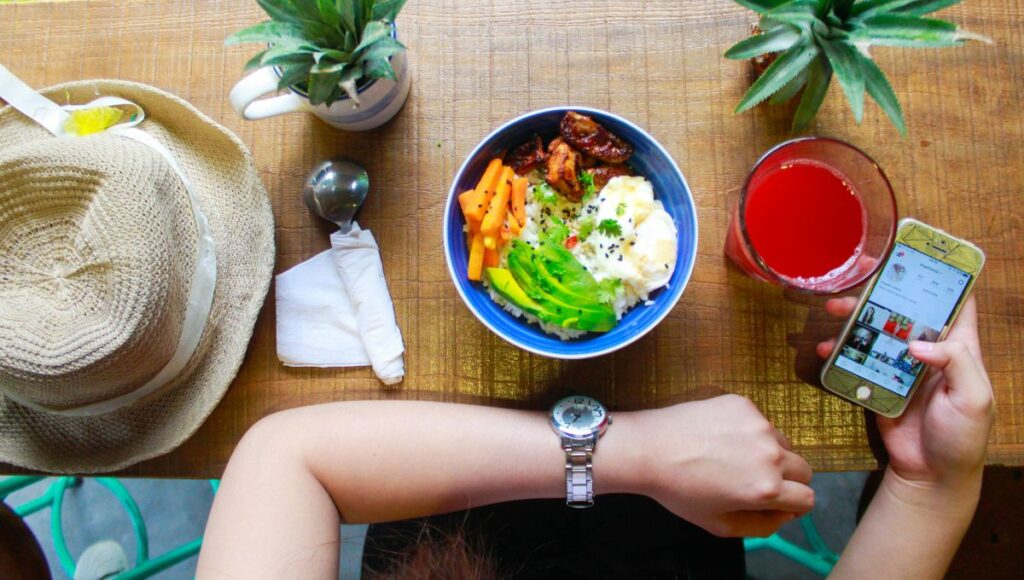
What’s more, high-fiber and protein-rich foods are extremely satiating and will make you feel fuller for longer. So, include more legumes and whole grains in your diet, along with vegetables and lean meat.
Long-Term Sustainability
Extremely low-calorie diets, like those under 1,200 calories per day for women or 1,500 calories for men, often lead to muscle loss, fatigue, and nutritional deficiencies and can actually slow down your metabolism. This means these diets can backfire and make weight loss harder. As you can see, they are tricky to maintain long-term and usually result in rebound weight gain once you start eating normally again.
Popular “cheat days” are actually awesome for your diet. Periodically incorporating them will mitigate the negative effects of prolonged deficits, such as metabolic slowdown and psychological fatigue.
Macronutrient Balance
A diverse diet will give you all the needed macro and micronutrients to skyrocket your health!
Protein
First things first, protein is prime for maintaining lean muscle mass, which is crucial when you’re in a caloric deficit. Muscle tissue, in fact, burns more calories at rest than fat tissue, so preserving it is key to sustainable fat loss. This means only one thing – more lean muscle = more fat loss.
Moreover, protein is the most satiating macronutrient, which is amazing for controlling hunger and, lastly, reducing overall caloric intake. Target to consume 1.0-1.2 grams of protein per pound of body weight (2.2-2.6 grams per kg). For instance, a 150-pound person needs around 150-180 grams of protein per day.
Fats
Fats are actually amazing for fat loss, as they play a chief role in hormone production. They, particularly, maintain levels of testosterone and estrogen, which are important for muscle maintenance and fat loss. Of course, your only goal shouldn’t be losing weight but boosting the overall body’s well-being.
Having that in mind, fats are inevitable for fat-soluble vitamins (A, D, E, K) absorption, plus cell membrane integrity. However, they are very calorie-dense, so you don’t need much fat to reach 20-30% of your daily caloric intake goal. Practically, if you’re maintaining a 2,000-calorie diet, it means consuming 44-67 grams of fat per day.
Carbohydrate
Contrary to popular belief, carbohydrates won’t slow down your weight loss process; just choose the right ones. This macro is the body’s primary energy source, peculiarly for high-intensity activities like weight lifting, sprinting, or physical jobs. Your organism stores carbs in the form of glycogen in muscles and the liver, so you can use it to skyrocket your performance and recovery.
One of the most important traits of carbs is sparing protein from being used as energy fount. This allows your body to use that protein in question to repair muscles after exercise and make them grow and expand.
Once you meet your protein and fat daily needs, use all the remaining calories for carbs. This is usually 30-50% of total daily calories, but the exact amount depends on your activity level.
Meal Timing and Frequency
Timing is almost as important as the quantity. When it comes to proteins, distribute them evenly throughout the day. That is 20-30 grams per meal, for example, to maximize muscle protein synthesis. But, most definitely – don’t skip protein after an exercise! If you want to put your organism to work while sleeping, drink slow-digesting protein like casein right before bed.
This will boost the muscle repair and recovery overnight. Carbohydrates are a must before physical activity to give your body all the energy needed. When paired with protein, post-workout carbohydrates will replenish glycogen stores and aid recovery. You should also spread fat consumption throughout the day but avoid eating large amounts close to workouts because of their slow digestion.
Food Choices
Some foods are obviously better for weight loss than others. I listed those you should highlight by macronutrient groups:
Protein Sources
- chicken breast
- turkey breast
- lean cuts of beef
- pork tenderloin
- salmon
- tuna
- cod
- shrimp
- whole eggs + egg whites
- Greek yogurt
- cottage cheese
- low-fat cheese
- protein-rich plant-based milk
- lentils
- chickpeas
- tofu and tempeh
- quinoa
Carbohydrate Sources
- oats
- brown rice
- quinoa
- farro and barley
- sweet potatoes
- butternut squash
- pumpkin
- carrots
- black beans
- lentils
- chickpeas
- berries
- apples
- pears
- citruses
- leafy greens
- cruciferous vegetables
- zucchini
- bell peppers
Healthy Fat Sources
- almonds
- walnuts
- chia seeds
- flaxseeds
- olive oil
- avocado oil
- coconut oil
- avocado
- salmon
- mackerel
- sardines
Beverages
- water
- green tea
- black coffee
- unsweetened herbal teas
Foods to Limit
- sugary drinks
- desserts and sweets
- white bread
- white pasta
- white rice
- breakfast cereal
- pastries
- fast food
- processed meats (e.g., hot dogs, sausages)
- packaged snacks (e.g., chips, crackers)
- deep-fried foods
- trans fats (e.g., margarine)
- alcohol
- artificial sweeteners
- high-sodium foods (e.g., canned soups, frozen meals)
Portion Control
When you’re just starting to change your habits, portion control is one of the hardest things to learn. The good thing is there are a few fine methods that will help you instantly.
Plate Method
Load half of your plate with scratch-free vegetables (e.g., leafy greens, broccoli, and peppers); that would be a large salad if you want to serve it on a side. These products are low in calories but super high in volume and micronutrients, helping you to feel full and energized.

Next, fill a quarter of your plate with lean protein, like a piece of chicken, fish, or tofu. At the end, fill the last quarter with whole grains or starchy vegetables: sweet potatoes, quinoa, or whole-wheat pasta.
Here are a few examples of perfectly balanced meals to boost fat loss:
- Greek yogurt bowl with berries, almonds, and oats (cca 300 kcal)
- turkey and avocado lettuce wraps (cca 350 kcal)
- baked salmon with brown rice and asparagus (cca 500 kcal)
- apple slices + peanut butter (cca 200 kcal)
- chicken stir-fry with vegetables and cauliflower rice (cca 350 kcal)
- shrimp tacos with slaw and salsa (cca 400 kcal)
Portion Out Calorie-Dense Foods
Even though they are super healthy, the following foods are super calorie-dense, as well. Thus, portions them out is the key:
- nuts and seeds – go for a small handful (about 1 ounce or 28 grams)
- avocado – serve ½ or ¼ per meal
- oils and fats – remember that one tablespoon of olive oil contains 120 calories, so skip pouring it mindlessly