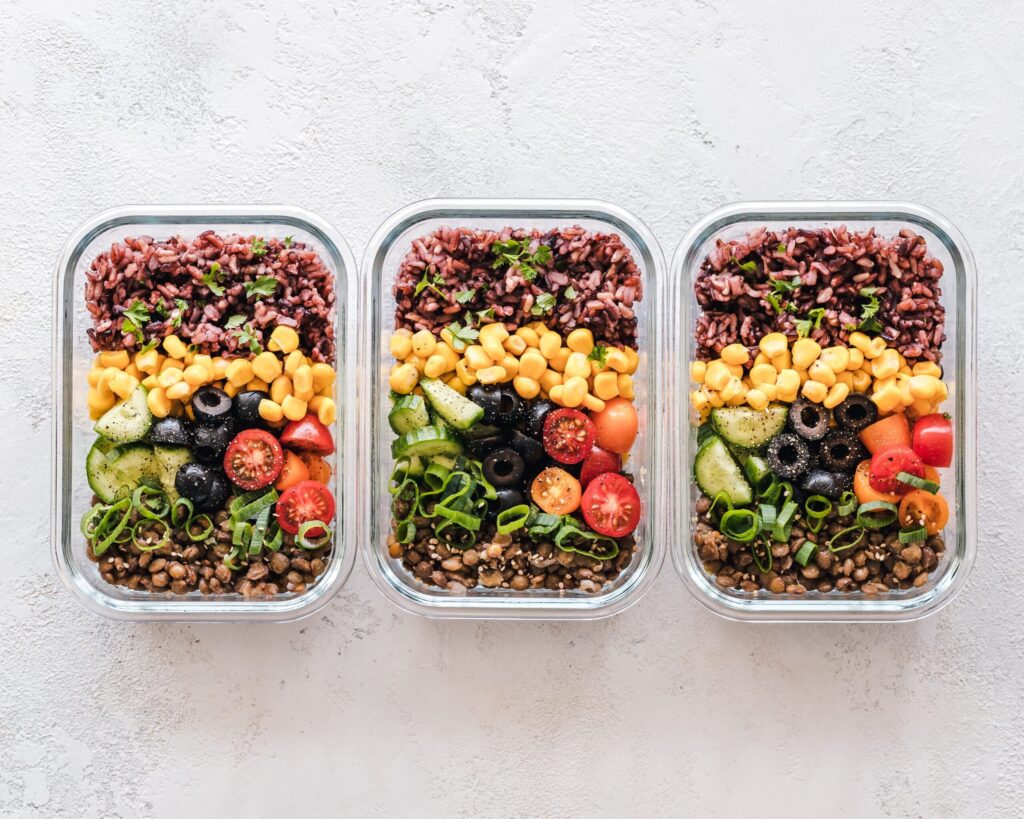
Maximising fat loss involves strategic planning of meals to optimise calorie control, nutrient timing, and satiety. Effective meal planning, paired with exercise, can accelerate fat loss while preserving lean muscle mass.
This guide explains how to structure meals, choose appropriate foods, and time them effectively, backed by scientific evidence.
Understanding Energy Balance for Fat Loss
The Role of Caloric Deficit
Fat loss occurs when you consistently consume fewer calories than you expend, creating a caloric deficit. This principle, known as the first law of thermodynamics, underpins all fat loss strategies. A study by Hall et al. (2012) demonstrated that creating a caloric deficit through diet leads to significant fat loss, regardless of macronutrient composition.

Calculating Your Caloric Needs
To determine your calorie deficit, calculate your Total Daily Energy Expenditure (TDEE) using a formula such as the Harris-Benedict equation. Subtract 500–750 calories from your TDEE for sustainable fat loss without compromising metabolic health or muscle mass (Dulloo et al., 2017).
Macronutrient Distribution for Fat Loss
Prioritise Protein Intake
Protein is critical for fat loss as it preserves muscle mass, enhances satiety, and increases thermogenesis. A review by Paddon-Jones and Leidy (2014) found that consuming 1.6–2.2 grams of protein per kilogram of body weight daily optimises fat loss while maintaining muscle mass during calorie restriction.
Moderate Carbohydrates
Carbohydrates are a key energy source but should be consumed strategically. Opt for complex carbohydrates such as whole grains and vegetables, which provide sustained energy and fibre. A study by Slavin and Carlson (2014) highlighted the role of dietary fibre in promoting fullness and reducing overall calorie intake.
Include Healthy Fats
Healthy fats from sources like avocados, nuts, and fatty fish support hormone production and overall health. Replacing saturated fats with monounsaturated and polyunsaturated fats improves body composition and reduces cardiovascular risk (Willett et al., 2001).
Meal Timing and Frequency

The Myth of Frequent Meals
While frequent meals were once thought to “stoke the metabolic fire,” studies reveal this is not necessarily true. A meta-analysis by Schoenfeld and Aragon (2015) found no significant metabolic advantage of meal frequency when calorie intake is constant.
Optimal Meal Timing
The timing of meals can influence fat loss. Consuming protein-rich meals before and after workouts enhances muscle protein synthesis and recovery (Phillips and Van Loon, 2011). Additionally, front-loading calories earlier in the day may improve satiety and metabolic outcomes (Jakubowicz et al., 2013).
Food Choices to Enhance Fat Loss
High-Satiety Foods
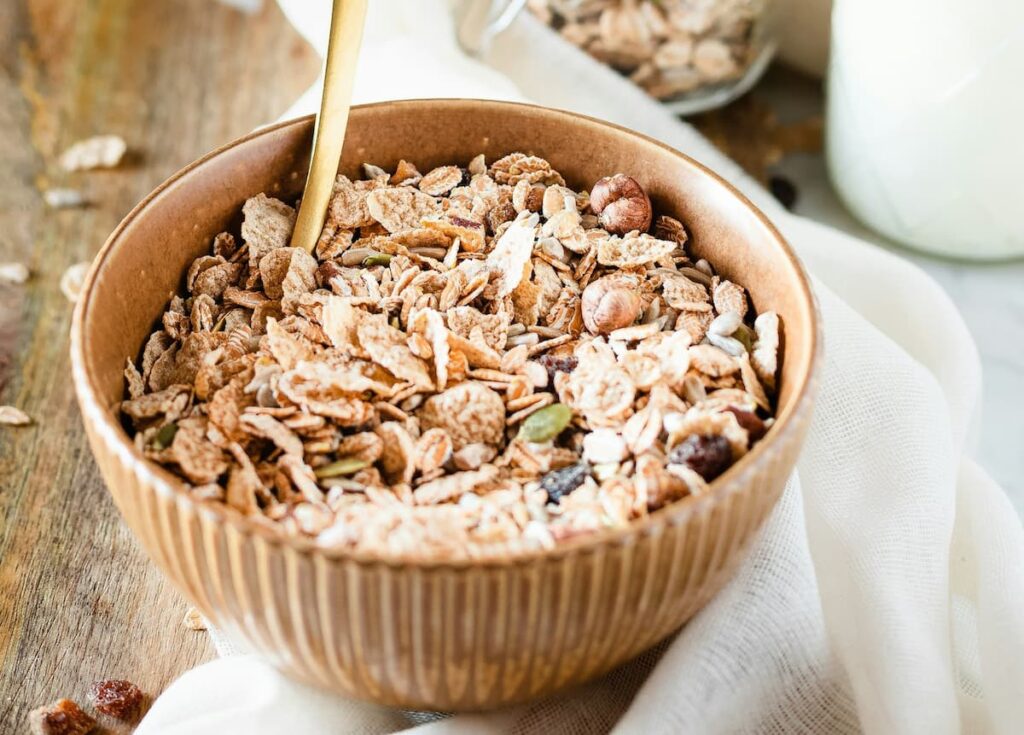
Choosing foods with high satiety indexes, such as lean proteins, fibrous vegetables, and whole grains, can help control hunger and prevent overeating. Holt et al. (1995) developed the satiety index, ranking boiled potatoes, fish, and oatmeal among the most satiating foods.
Avoid Processed Foods
Processed foods are calorie-dense and nutrient-poor, often leading to overconsumption. Replacing these with whole foods supports better appetite control and fat loss (Monteiro et al., 2019).
Strategies for Effective Meal Planning
Plan and Prep Meals in Advance
Preparing meals ahead of time ensures control over portion sizes and nutrient content. Meal prep also reduces reliance on convenience foods that are often high in calories and low in nutrients.
Use Portion Control
Weighing and measuring food can prevent unintentional overeating. Tools like food scales and apps, such as MyFitnessPal, can help track portion sizes and macronutrients accurately.
The Role of Hydration
Drink Water Before Meals
Drinking water before meals reduces calorie intake by enhancing feelings of fullness. Dennis et al. (2010) found that individuals who drank 500 ml of water before meals lost more weight over 12 weeks compared to those who didn’t.
Limit Liquid Calories
Eliminate sugary beverages, as they contribute to excessive calorie intake without providing satiety. Replace these with water, herbal teas, or black coffee to stay hydrated and support fat loss.
Adjusting for Individual Needs
Monitor and Adapt
Regularly track your weight, body composition, and energy levels to assess the effectiveness of your meal plan. Adjust caloric intake or macronutrient ratios as needed to ensure continued progress.
Incorporate Flexibility
While adherence is critical, including occasional indulgences can improve sustainability and prevent burnout. Flexible dieting strategies, such as the 80/20 rule, promote long-term success (Trexler et al., 2014).
Common Pitfalls to Avoid
Overestimating Calorie Burn
Many individuals overestimate the calories burned through exercise and compensate by eating more, negating the caloric deficit. Use reliable fitness trackers and avoid eating back all calories burned.
Skipping Meals
Skipping meals can lead to overeating later in the day. Instead, prioritise regular, balanced meals to maintain steady energy levels and control hunger.
Summary
Planning meals to maximise fat loss involves creating a sustainable caloric deficit, optimising macronutrient distribution, and choosing nutrient-dense, high-satiety foods. Focus on portion control, regular hydration, and meal timing while avoiding processed foods and liquid calories. Consistent tracking and flexibility in your approach will help you achieve long-term fat loss success.
Key Takeaways
| Key Takeaway | Explanation |
|---|---|
| Create a Caloric Deficit | Consume 500–750 calories below your TDEE for sustainable fat loss. |
| Prioritise Protein | Aim for 1.6–2.2 g/kg body weight daily to preserve muscle and increase satiety. |
| Include Healthy Fats | Opt for sources like avocados, nuts, and fatty fish to support overall health. |
| Choose High-Satiety Foods | Foods like lean proteins and fibrous vegetables help control hunger. |
| Plan Meals in Advance | Meal prepping reduces reliance on unhealthy convenience foods. |
| Drink Water Before Meals | Enhances satiety and reduces calorie intake. |
| Avoid Liquid Calories | Replace sugary drinks with water or herbal teas. |
| Monitor Progress | Track weight, body composition, and adjust your plan as needed. |
References
Dennis, E.A., et al., 2010. Water consumption increases weight loss during a hypocaloric diet intervention in middle-aged and older adults. Obesity, 18(2), pp.300-307.
Dulloo, A.G., et al., 2017. Adaptive thermogenesis in human body weight regulation: more of a concept than a measurable entity? Obesity Reviews, 18(12), pp.1230-1242.
Hall, K.D., et al., 2012. Energy balance and its components: implications for body weight regulation. The American Journal of Clinical Nutrition, 95(4), pp.989-994.
Holt, S.H.A., et al., 1995. A satiety index of common foods. European Journal of Clinical Nutrition, 49(9), pp.675-690.
Jakubowicz, D., et al., 2013. High-calorie breakfast with reduced intake at dinner reduces overall daily glycaemia in type 2 diabetic patients. Obesity, 21(12), pp.2504-2512.
Monteiro, C.A., et al., 2019. Ultra-processed foods: what they are and how to identify them. Public Health Nutrition, 22(5), pp.936-941.
Paddon-Jones, D., and Leidy, H.J., 2014. Dietary protein and muscle in older persons. Current Opinion in Clinical Nutrition & Metabolic Care, 17(1), pp.5-11.
Phillips, S.M., and Van Loon, L.J., 2011. Dietary protein for athletes: from requirements to optimum adaptation. Journal of Sports Sciences, 29(S1), pp.S29-S38.
Schoenfeld, B.J., and Aragon, A.A., 2015. How much protein can the body use in a single meal for muscle-building? Implications for daily protein distribution. Journal of the International Society of Sports Nutrition, 12(1), pp.1-10.
Slavin, J.L., and Carlson, J., 2014. Carbohydrates. Advances in Nutrition, 5(6), pp.760-761.
Willett, W.C., et al., 2001. Trans fatty acids and coronary heart disease. The New England Journal of Medicine, 340(25), pp.1994-1999.