The snatch is one of the most technically demanding, neurologically intense, and physically unforgiving lifts in sport. It exposes weaknesses in mobility, strength, timing, power output, and psychological readiness all at once. That is precisely why progress often stalls, even for experienced CrossFitters and weightlifters.
If you want to hit a personal record in the snatch in 2026, guessing harder or simply “lifting heavier” will not work. The evidence is clear: long-term progress in the snatch depends on targeted strength development, refined motor learning, adequate recovery, and intelligent load management. This article breaks down exactly what the science says about how to improve the snatch and how to apply it in training without fluff or dogma.
What Actually Limits Your Snatch
Before adding volume or changing programs, you need to understand what is most likely holding your snatch back. Research on Olympic weightlifting consistently shows that performance is limited by a combination of technical efficiency, rate of force development, maximal strength in specific movement patterns, and mobility that allows efficient bar paths.

Technique Is a Strength Multiplier
Biomechanical studies show that elite lifters move the barbell through a more vertical and efficient path than novices, minimizing horizontal displacement and wasted force. Small deviations in bar path significantly reduce maximal load potential, even when strength levels are similar.
This means that improving technique can raise your snatch without adding muscle or strength, while poor technique caps the expression of existing strength.
Power Output Matters More Than Raw Strength
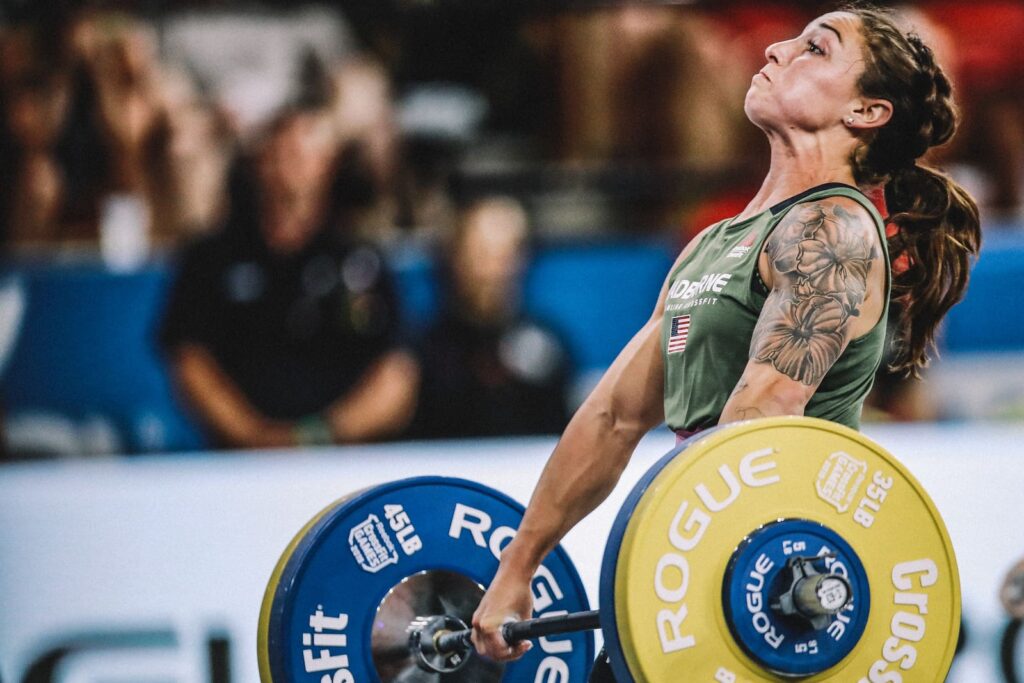
The snatch is a power-dominant lift. Research comparing Olympic lifts to powerlifting movements shows that the snatch requires extremely high peak power and rate of force development, particularly during the second pull.
Maximal strength is still important, but only insofar as it supports faster and more forceful movement at lighter relative loads. Lifters with high squats but poor power expression often plateau in the snatch.
Mobility Sets the Ceiling
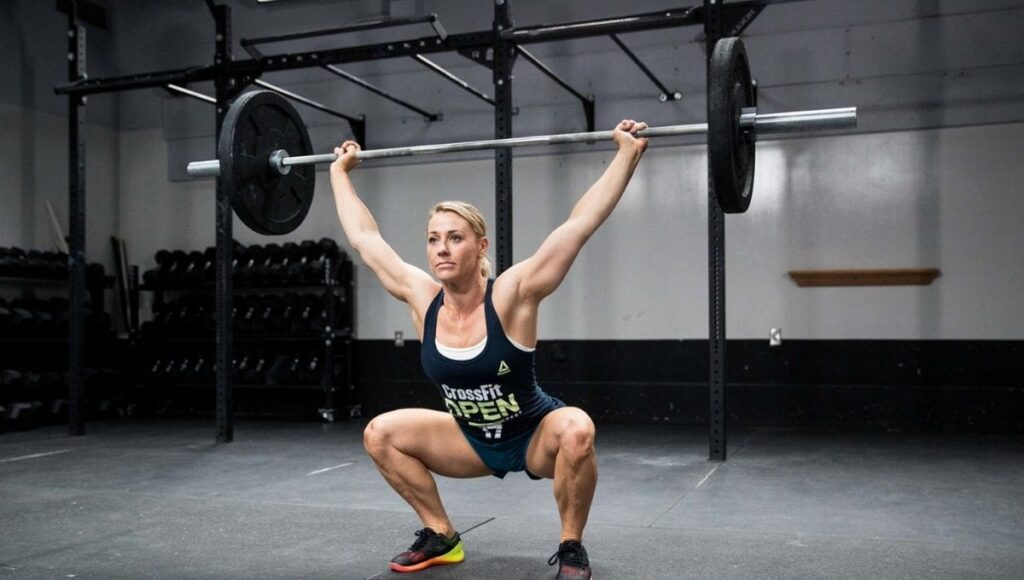
Adequate ankle, hip, thoracic spine, and shoulder mobility is not optional. Studies on lifting mechanics demonstrate that restricted mobility forces compensatory patterns that degrade bar path and receiving position stability.
If you cannot comfortably sit in a deep overhead squat with an upright torso, your snatch will always be limited.
Building Snatch-Specific Strength
General strength matters, but only if it transfers. The best strength gains for snatch performance come from movements that match the joint angles, velocities, and force demands of the lift.
Squat Strength and the Snatch
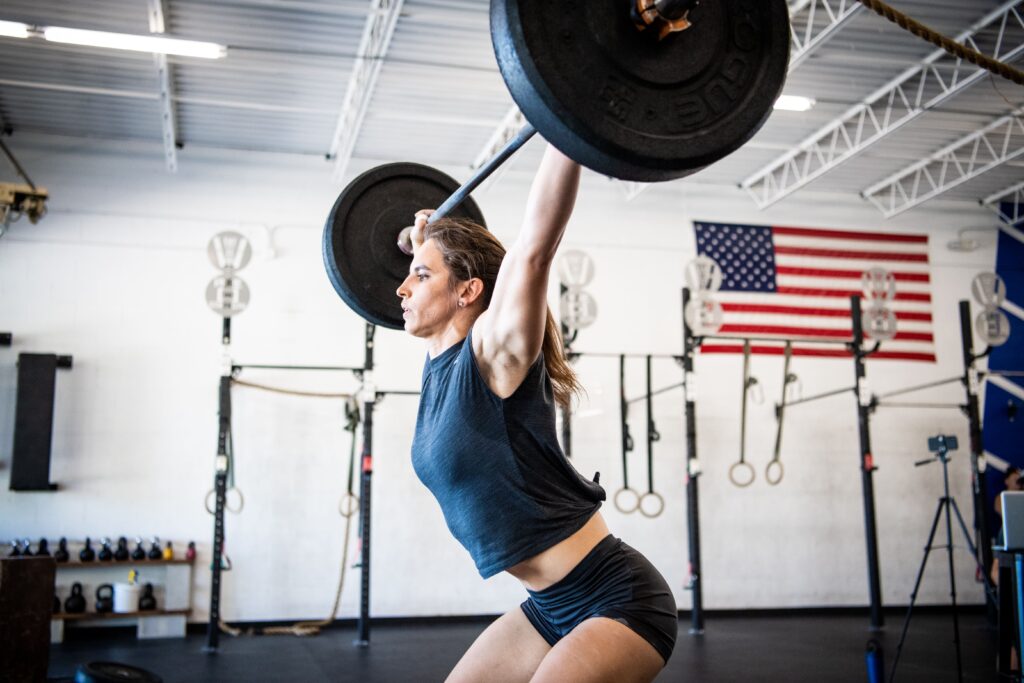
Multiple studies have shown a strong correlation between front squat strength and snatch performance. The receiving position of the snatch closely resembles a deep front squat with an overhead load, making this pattern especially relevant.
Back squats also matter, particularly for building general lower-body force production, but front squats show a stronger relationship to snatch success due to posture and knee dominance.
Pulling Strength Without Slowing Down
Snatch pulls, high pulls, and clean pulls allow lifters to overload the second pull without the complexity of the catch. Research indicates that pulls performed at 90–120 percent of snatch 1RM improve force production while preserving movement specificity.
However, excessively slow or grinding pulls reduce transfer. The intent to move fast must be preserved, even with heavy loads.
Overhead Stability Is Non-Negotiable
The overhead squat, snatch balance, and push press are not accessories; they are foundational. Studies on shoulder stability and motor control show that repeated exposure to overhead loading improves neuromuscular coordination and joint stiffness, both of which are critical for receiving heavy snatches.
Ignoring overhead work often leads to missed lifts behind or forward, regardless of pull strength.
Power Development: Turning Strength Into Snatches
Strength that cannot be expressed quickly is useless in the snatch. Power training bridges this gap.
Why the Second Pull Is Everything
Biomechanical analyses consistently show that peak power output in the snatch occurs during the transition from knee extension to hip extension, commonly called the second pull. Elite lifters generate significantly higher power here than sub-elite lifters.
Training that targets this phase improves snatch performance more reliably than general conditioning.
Velocity-Based Training and Intent
Research on velocity-based training demonstrates that intent to move explosively increases motor unit recruitment, even when absolute velocity is constrained by load.
This means every snatch, pull, and squat intended to support the snatch should be performed with maximal intent, even during volume phases.
Plyometrics and Transfer
Properly programmed plyometrics can improve rate of force development and neuromuscular efficiency. Studies show that plyometric training improves jump height and power output, which correlates with improved Olympic lifting performance when combined with technical training.
The key is low volume, high quality, and pairing with lifting, not replacing it.
Technique, Motor Learning, and Skill Retention
The snatch is a skill, not just a lift. Motor learning research offers clear guidance on how to practice it effectively.
Frequency Beats Volume
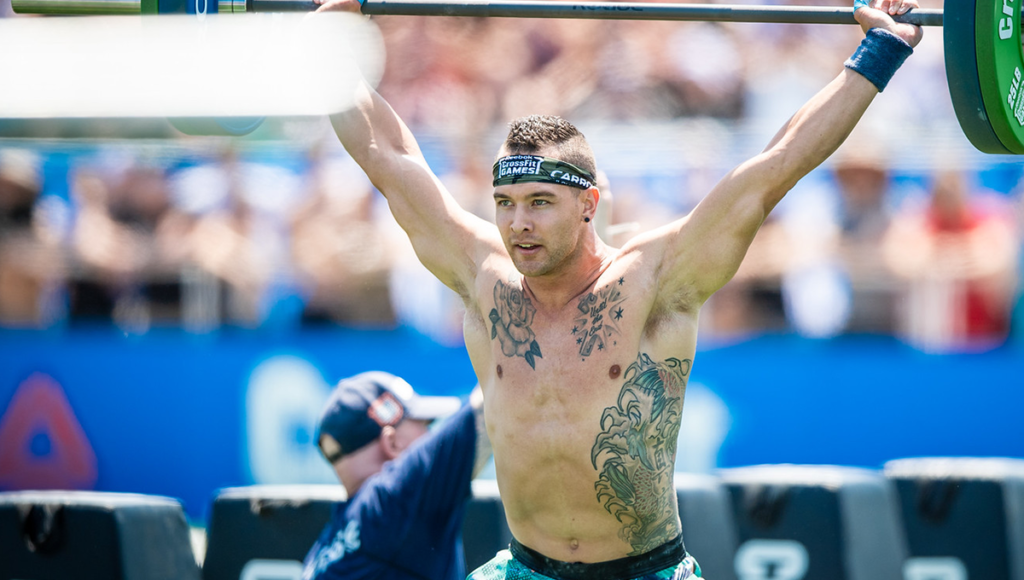
Studies on skill acquisition consistently show that frequent, low-fatigue practice improves retention and performance more than infrequent high-volume sessions.
Snatching four to six days per week at moderate intensities produces better technical outcomes than fewer, heavier sessions.
Variability Improves Learning
Contrary to old-school beliefs, slightly varying loads, tempos, and starting positions improves motor learning. Research indicates that variable practice enhances adaptability and long-term performance.
This supports the use of complexes, pauses, and positional variations in snatch training.
Fatigue Degrades Technique
High fatigue impairs motor control and reinforces poor movement patterns. Studies on neuromuscular fatigue show increased variability and error rates under fatigue.
If technique is the goal, stop sets before form breaks down.
Mobility: The Silent PR Killer
Mobility is often treated as optional until pain appears. The science does not support this approach.
Ankles and the Catch
Limited ankle dorsiflexion forces lifters to lean forward in the receiving position, increasing missed lifts and stress on the lower back. Research confirms that ankle mobility directly influences squat depth and torso angle.
Targeted ankle mobility work improves squat mechanics and overhead stability.
Thoracic Spine and Overhead Position
Thoracic extension allows the bar to stay over the midfoot in the catch. Studies on spinal mobility show that restricted thoracic motion shifts load to the shoulders and lumbar spine.
Regular thoracic extension work improves overhead positioning and reduces compensations.
Shoulders: Stability Through Mobility
The shoulder requires both mobility and stability. Research shows that controlled mobility training improves joint control and reduces injury risk without compromising strength.
This supports slow, loaded overhead mobility rather than aggressive stretching.
Recovery: Where PRs Are Actually Built
Adaptation happens during recovery, not training. Ignoring this fact caps progress.
Sleep and Performance
Sleep restriction studies consistently show reductions in strength, power, reaction time, and motor learning. Athletes sleeping fewer than seven hours show impaired performance and increased injury risk.
If you want to snatch more, sleep more. There is no workaround.
Nutrition for Power Output
Adequate carbohydrate intake supports high-intensity training and motor learning. Creatine supplementation is one of the most well-supported ergogenic aids, shown to improve power output and repeated high-intensity performance.
Protein intake supports recovery and strength gains, but extreme intakes offer no additional benefit beyond established ranges.
Managing Training Stress
Chronic high fatigue suppresses power output. Research on overreaching shows that unmanaged training stress reduces performance and increases injury risk.
Deloads are not weakness; they are performance tools.
Programming the Year for a 2026 PR
Long-term planning matters more than any single cycle.
Periodization Still Works
Decades of research support structured variation in volume and intensity. Linear, undulating, and block periodization models all improve strength when properly applied.

For snatch-focused athletes, blocks emphasizing technique, strength, and power should rotate across the year.
Competition Practice Matters
Practicing heavy singles under controlled conditions improves confidence and performance. Studies on psychological readiness show that exposure reduces anxiety and improves execution.
This does not mean maxing weekly, but it does mean practicing heavy attempts regularly.
Individual Differences Matter
No two athletes respond identically. Research consistently shows high inter-individual variability in training response.
Track bar speed, perceived effort, and recovery markers to adjust intelligently.
Injury Prevention Without Babying the Lift
Injury prevention does not mean avoiding load.
Load Tolerance Is Protective
Studies show that tissues adapt to load. Gradual exposure to heavier snatches improves resilience when volume and recovery are managed.
Avoiding heavy lifts increases injury risk when loads inevitably rise.
Technical Consistency Reduces Risk
Poor technique increases joint stress. Motor control research links consistent movement patterns with reduced injury incidence.
Technique work is injury prevention.
Putting It All Together
If you want to PR your snatch in 2026, the path is not mysterious. Build snatch-specific strength, train power intentionally, practice the skill frequently, protect mobility, and recover aggressively. The science supports this approach, and it has for decades.
The snatch rewards patience, precision, and respect for the fundamentals. Train accordingly, and the PR will come.
Bibliography
• Behm, D.G. and Chaouachi, A., 2011. A review of the acute effects of static and dynamic stretching on performance. European Journal of Applied Physiology, 111(11), pp.2633–2651.
• Garhammer, J., 1993. A review of power output studies of Olympic and powerlifting: Methodology, performance prediction, and evaluation tests. Journal of Strength and Conditioning Research, 7(2), pp.76–89.
• Gourgoulis, V., Aggeloussis, N., Mavromatis, G. and Garas, A., 2000. Three-dimensional kinematic analysis of the snatch of elite Greek weightlifters. Journal of Sports Sciences, 18(8), pp.643–652.
• Haff, G.G. and Triplett, N.T., 2016. Essentials of strength training and conditioning. Journal of Strength and Conditioning Research, 30(2), pp.1–26.
• Kraemer, W.J. and Ratamess, N.A., 2004. Fundamentals of resistance training: Progression and exercise prescription. Medicine & Science in Sports & Exercise, 36(4), pp.674–688.
• Kreider, R.B., Kalman, D.S., Antonio, J., Ziegenfuss, T.N., Wildman, R., Collins, R., Candow, D.G., Kleiner, S.M., Almada, A.L. and Lopez, H.L., 2017. International Society of Sports Nutrition position stand: Safety and efficacy of creatine supplementation in exercise, sport, and medicine. Journal of the International Society of Sports Nutrition, 14(1), pp.1–18.
• Mah, C.D., Mah, K.E., Kezirian, E.J. and Dement, W.C., 2011. The effects of sleep extension on the athletic performance of collegiate basketball players. Sleep, 34(7), pp.943–950.