

If you want to lose weight, you need to burn more calories than you consume. If you want to build muscle, you need to fuel your body enough calories to grow (usually more than you burn). So it seems like losing fat and maintaining muscle might be impossible. But it’s not. Here is how to preserve muscle while trying to lose fat according to two specialists.
When you begin a journey to lose weight, the primary concern often spins around fat loss without compromising muscle integrity. It’s a delicate balance, seeking to shed unwanted fat while preserving or even enhancing muscle mass. This balance is critical, not just for aesthetic appeal but for maintaining metabolic health and physical strength. The approach to achieving this can vary, from meticulous caloric tracking to manipulating diet composition or adjusting the timing of meals.
Diving into the complexities of weight loss strategies, it becomes evident that not all methods are created equal. From the precision of caloric restriction favoured by bodybuilders to the more general dietary restrictions like vegan or ketogenic diets, each method offers its unique challenges and benefits. Also, the increasingly popular intermittent fasting poses its own set of considerations, particularly concerning muscle preservation.
So, how can you preserve muscle while trying to lose fat? The information for this article is based on a conversation shared on YouTube between Peter Attia and Luc van Loon.
Luc van Loon is a distinguished professor of Exercise Physiology and Nutrition at Maastricht University in the Netherlands. Renowned for his research in the field of skeletal muscle metabolism, van Loon has significantly contributed to our understanding of muscle protein synthesis, exercise, and the role of nutrition in muscle recovery and performance.
Peter Attia is a prominent figure in longevity, health optimization, and medicine. Through his medical practice and involvement in research initiatives, Attia focuses on extending lifespan and improving quality of life. A thought leader in health and wellness, he communicates complex medical concepts effectively, emphasizing the significance of nutrition, exercise, and lifestyle choices in optimizing health and longevity.

Understanding these strategies’ nuances and their physiological impacts can guide individuals in making informed choices that align with their health goals and lifestyle preferences.
How to Make Muscle Gains At Every Level
How to Preserve Muscle While Trying to Lose Fat
Caloric Restriction: The Direct Approach
Caloric restriction is the most straightforward method, involving the meticulous tracking and reduction of calorie intake. This approach allows flexibility in both the timing of meals and the types of food consumed, as long as the overall calorie count is reduced. It’s a method favoured by bodybuilders and those seeking precise control over their weight loss.
Dietary Restriction: The Indirect Method
Dietary restriction reduces caloric intake by limiting the variety of foods consumed. For instance, adopting a vegan diet eliminates animal products, many of which are high in calories and fats. Similarly, a ketogenic diet restricts carbohydrates, pushing the body into ketosis, which can naturally reduce appetite and lower calorie intake. This approach affects food choices and, by extension, impacts energy intake.
Time Restriction: Intermittent Fasting
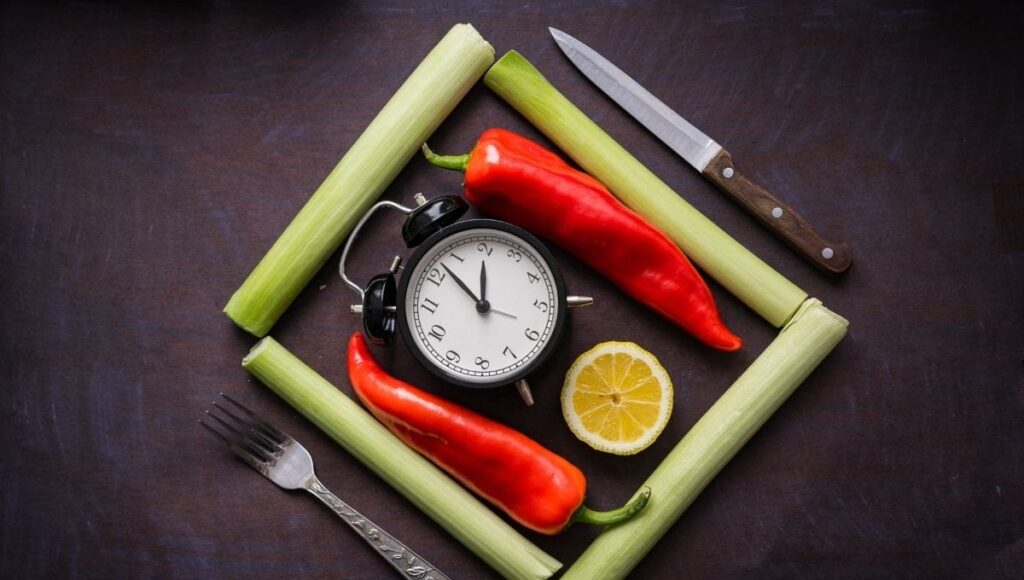
Intermittent fasting, or time-restricted eating, reduces the window during which food is consumed. This method does not necessarily restrict the types of food eaten but limits eating to specific times. While this can lead to a natural caloric deficit, recent studies indicate that when total caloric intake is controlled, intermittent fasting does not offer significant weight loss benefits over more traditional calorie-restricted diets.
How to Deal with Hunger During Intermittent Fasting
Considerations and Adaptations
Each method has its trade-offs and potential impacts on the body. For instance, while intermittent fasting can be an effective tool for weight loss, it may not be suitable for everyone. If someone is both undernourished and under-muscled, the reduction in protein intake during fasting periods could lead to a disproportionate loss of lean muscle mass, which is undesirable.
Also, the effectiveness of these dietary strategies can be influenced by individual lifestyle factors such as daily activity levels and overall metabolic health. Thus, personalizing the approach to fit one’s health status, goals, and lifestyle is crucial.
To Sum It Up
To maintain muscle while trying to lose fat, individuals should consider a multifaceted approach that involves careful attention to diet, exercise, and meal timing.
1. Caloric Management:
A primary strategy is caloric restriction with a focus on maintaining a high protein intake. Proteins are crucial for muscle repair and growth, so ensuring adequate protein intake while in a calorie deficit is essential. Consuming at least 1.6 to 2.2 grams of protein per kilogram of body weight can help preserve lean muscle mass. This approach allows flexibility in meal composition but requires careful tracking to ensure nutritional needs are met without exceeding calorie limits.

2. Strength Training:
Incorporating regular strength training into an exercise regime is critical. Lifting weights or engaging in body resistance exercises stimulates muscle growth and helps counteract any muscle loss that might occur from a reduced calorie diet. Ideally, engaging in resistance training at least two to three times per week can effectively signal the body to maintain muscle mass even in a caloric deficit.
3. Smart Dietary Choices:
Opting for nutrient-dense foods that are lower in calories but high in essential nutrients can support overall health while still promoting fat loss. Diets that naturally encourage a reduction in calorie intake, such as plant-based or low-carbohydrate diets, should still include sufficient protein sources and a variety of foods to cover all macro and micronutrient requirements.
4. Consideration of Fasting Windows:
If employing intermittent fasting, it’s advisable to configure eating windows to support energy needs around workout times. Consuming protein-rich meals close to resistance training sessions can enhance muscle protein synthesis and improve recovery, maximising the benefits of training while minimising muscle loss.
In essence, while all three methods can lead to energy deficits necessary for weight loss, the choice of strategy should consider personal health profiles, dietary preferences, and lifestyle factors to ensure it promotes not only weight loss but also overall health and well-being.
Watch the video for more information about how to preserve muscle while trying to lose fat.
Read Also: The Diet that Will Transform Your Body in 100 Days
image sources
- Abs exercises: Szabolcs Toth / Unsplash