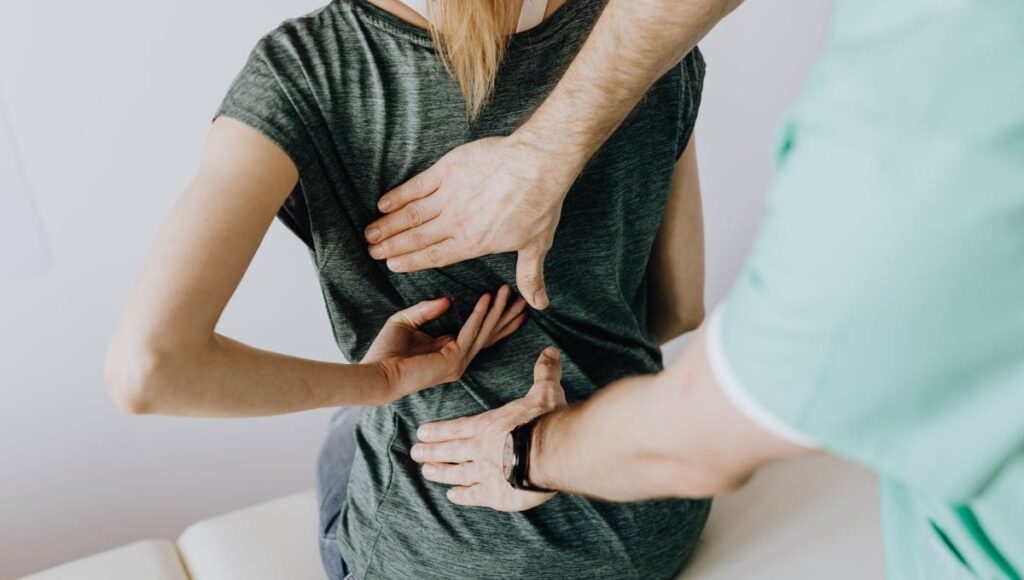
Effective recovery is one of the most overlooked yet crucial aspects of training. While intense workouts stimulate growth and adaptation, progress ultimately depends on how well your body recovers. Recovery determines whether you return stronger, fitter, and more resilient—or break down from fatigue and injury.
This article explores the science of recovery and provides practical, evidence-based strategies proven to accelerate the process. Every recommendation is backed by peer-reviewed research to ensure accuracy and reliability.
Why Recovery Matters
Training is a deliberate stressor. Strength, endurance, and hypertrophy improvements occur not during the workout itself but afterward, during the recovery period. When recovery is insufficient, performance declines, injury risk rises, and long-term adaptation is compromised.
Research shows that inadequate recovery leads to elevated markers of muscle damage, suppressed immune function, and hormonal imbalances (Meeusen et al., 2013). Conversely, optimizing recovery enhances performance, reduces injury rates, and increases training capacity.
Physiological Mechanisms of Recovery

Muscle Repair and Protein Synthesis
After resistance training, microtears in muscle fibers trigger repair and remodeling. This process relies on muscle protein synthesis (MPS). Studies demonstrate that MPS peaks 24–48 hours after training, depending on intensity and volume (Phillips et al., 1997). Maximizing this window is key to faster recovery.
Glycogen Restoration
High-intensity or endurance exercise depletes glycogen stores. Restoration rates depend on carbohydrate intake, with evidence showing that immediate post-exercise carbohydrate ingestion accelerates resynthesis (Ivy et al., 1988).
Inflammation and Immune Function
Exercise induces acute inflammation, essential for adaptation, but prolonged or excessive inflammation delays recovery. Interventions such as active recovery and anti-inflammatory nutrition can optimize this balance (Peake et al., 2017).
Nutrition for Faster Recovery
Protein Timing and Quality
Consuming protein shortly after training accelerates recovery. A meta-analysis confirmed that 20–40 g of high-quality protein optimizes MPS (Morton et al., 2018). Whey protein, rich in leucine, is particularly effective.
Carbohydrate Replenishment
Carbohydrate intake of 1.0–1.2 g/kg/hour for the first four hours post-exercise maximizes glycogen recovery (Burke et al., 2017). Combining carbohydrates with protein further accelerates glycogen resynthesis.
Omega-3 Fatty Acids
Omega-3 fatty acids reduce exercise-induced muscle soreness and inflammation. Supplementation has been shown to decrease delayed onset muscle soreness (DOMS) and improve functional recovery (Tinsley et al., 2020).
Antioxidants and Polyphenols
Polyphenol-rich foods such as tart cherry juice and pomegranate extract reduce oxidative stress and muscle soreness. A systematic review supports their role in improving recovery time (Bowtell et al., 2015).
Hydration and Electrolyte Balance
Dehydration impairs recovery by increasing heart rate, delaying glycogen resynthesis, and raising cortisol levels. Rehydration should match 150% of fluid lost during exercise, ideally with electrolytes to restore sodium and potassium balance (Shirreffs et al., 2004).
Sleep: The Ultimate Recovery Tool
Sleep is arguably the most powerful recovery enhancer. During slow-wave and REM sleep, growth hormone secretion and protein synthesis peak. Sleep deprivation significantly reduces strength recovery and increases injury risk (Fullagar et al., 2015). Athletes are advised to prioritize 8–10 hours of high-quality sleep per night.
Active Recovery and Circulation Enhancement
Low-Intensity Activity
Active recovery, such as light cycling or swimming, increases blood flow, accelerates lactate clearance, and reduces soreness compared to passive rest (Toubekis et al., 2008).
Compression and Hydrotherapy
Graduated compression garments reduce muscle swelling and soreness (Hill et al., 2014). Contrast water therapy—alternating hot and cold immersion—improves circulation and reduces fatigue markers (Leeder et al., 2012).
Cold and Heat Therapies

Cryotherapy
Cold-water immersion (10–15°C for 10–15 minutes) reduces inflammation and DOMS, particularly after high-intensity or eccentric training (Bleakley et al., 2012). However, long-term use may blunt hypertrophy adaptations, so it should be applied strategically.
Heat Therapy
Heat increases circulation and tissue elasticity, accelerating recovery from stiffness. Post-exercise sauna use has been shown to enhance endurance adaptations (Scoon et al., 2007).
Stretching, Mobility, and Soft Tissue Work
Static stretching does not significantly reduce soreness but helps restore range of motion (Herbert & Gabriel, 2002). Foam rolling and massage, however, are more effective. Meta-analyses confirm that foam rolling reduces DOMS and improves flexibility (Cheatham et al., 2015).
Supplementation for Accelerated Recovery
Creatine Monohydrate
Creatine enhances phosphocreatine resynthesis, reducing recovery time between high-intensity efforts. Evidence supports its role in reducing muscle damage and inflammation (Rawson & Volek, 2003).
Beta-Alanine
By buffering muscle acidity, beta-alanine improves performance in repeated high-intensity bouts and reduces fatigue accumulation (Hobson et al., 2012).
Branched-Chain Amino Acids (BCAAs)
While less effective than whole protein, BCAAs may reduce DOMS and perceived fatigue (Jackman et al., 2010).
Psychological Recovery

Stress Reduction
Chronic psychological stress impairs recovery by elevating cortisol and suppressing immune function. Mindfulness, meditation, and controlled breathing have been shown to reduce stress markers and improve recovery (Creswell, 2017).
Autonomic Nervous System Balance
Heart rate variability (HRV) monitoring is a reliable way to track recovery. Interventions such as yoga and controlled breathing increase parasympathetic activity, accelerating recovery (Stanley et al., 2013).
Periodization and Load Management
Recovery is not only about interventions but also intelligent training design. Periodization models that alternate high and low training loads reduce injury risk and maximize adaptation (Issurin, 2010). Monitoring training volume and ensuring adequate rest days are fundamental.
Cutting-Edge Recovery Techniques
Red Light Therapy
Photobiomodulation with red or near-infrared light reduces muscle damage and inflammation. Randomized controlled trials report improved recovery of strength and endurance (Leal-Junior et al., 2015).
[wpcode id=”229888″]Electrical Stimulation
Neuromuscular electrical stimulation (NMES) enhances circulation and reduces soreness. While less effective than active recovery, it is useful for athletes with limited mobility (Babault et al., 2011).
Conclusion
Recovering twice as fast is achievable when evidence-based strategies are consistently applied. Nutrition, sleep, hydration, active recovery, and intelligent training design form the foundation, while targeted tools such as compression, hydrotherapy, and supplementation provide additional benefits. By systematically implementing these strategies, athletes can maximize performance and minimize downtime.
Key Takeaways
| Strategy | Mechanism | Evidence Strength | Application |
|---|---|---|---|
| Protein intake (20–40 g) | Stimulates MPS | Strong | Post-workout and throughout day |
| Carbohydrate + protein | Enhances glycogen resynthesis | Strong | Immediately after training |
| Omega-3 fatty acids | Reduces inflammation | Moderate | Daily supplementation |
| Sleep (8–10 hrs) | Hormonal regulation & repair | Strong | Consistent priority |
| Active recovery | Increases circulation | Strong | Light activity after training |
| Cold-water immersion | Reduces DOMS | Moderate | After intense sessions |
| Foam rolling | Improves mobility & soreness | Moderate | Daily or post-workout |
| Creatine | Enhances recovery capacity | Strong | Daily supplementation |
| Stress management | Lowers cortisol | Moderate | Meditation, breathing, HRV tracking |
Bibliography
- Babault, N., Cometti, C., Maffiuletti, N.A. & Deley, G., 2011. Does electrical stimulation enhance post-exercise performance recovery?. European Journal of Applied Physiology, 111(10), pp.2501-2507.
- Bleakley, C.M., Davison, G.W. & Tully, M.A., 2012. The effectiveness of ice-water immersion in the treatment of exercise-induced muscle soreness. British Journal of Sports Medicine, 46(3), pp.193-200.
- Bowtell, J.L. et al., 2015. Tart cherry juice: beneficial effects on muscle function after strenuous exercise. Scandinavian Journal of Medicine & Science in Sports, 25(3), pp.e143-e153.
- Burke, L.M., Hawley, J.A., Wong, S.H. & Jeukendrup, A.E., 2017. Carbohydrates for training and competition. Journal of Sports Sciences, 35(14), pp.1324-1336.
- Cheatham, S.W. et al., 2015. The effects of self-myofascial release using a foam roll on performance. International Journal of Sports Physical Therapy, 10(6), pp.827-838.
- Creswell, J.D., 2017. Mindfulness interventions. Annual Review of Psychology, 68, pp.491-516.
- Fullagar, H.H. et al., 2015. Sleep and athletic performance. Sports Medicine, 45(12), pp.161-186.
- Herbert, R.D. & Gabriel, M., 2002. Effects of stretching before and after exercise. Cochrane Database of Systematic Reviews, (2).
- Hill, J. et al., 2014. Compression garments and recovery from exercise-induced muscle damage. British Journal of Sports Medicine, 48(18), pp.1340-1346.
- Hobson, R.M. et al., 2012. Effects of beta-alanine supplementation on exercise performance. Amino Acids, 43(1), pp.25-37.
- Issurin, V.B., 2010. New horizons for the methodology and physiology of training periodization. Sports Medicine, 40(3), pp.189-206.
- Ivy, J.L. et al., 1988. Muscle glycogen synthesis after exercise: effect of time of carbohydrate ingestion. Journal of Applied Physiology, 64(4), pp.1480-1485.
- Jackman, S.R. et al., 2010. Branched-chain amino acid ingestion can ameliorate soreness. Medicine & Science in Sports & Exercise, 42(5), pp.962-970.
- Leal-Junior, E.C.P. et al., 2015. Photobiomodulation therapy in skeletal muscle performance and recovery. Journal of Strength and Conditioning Research, 29(6), pp.1730-1748.
- Leeder, J. et al., 2012. Cold water immersion and recovery from exercise: meta-analysis. British Journal of Sports Medicine, 46(4), pp.233-240.
- Meeusen, R. et al., 2013. Prevention, diagnosis, and treatment of overtraining syndrome. European Journal of Sport Science, 13(1), pp.1-24.
- Morton, R.W. et al., 2018. Protein supplementation and resistance training. British Journal of Sports Medicine, 52(6), pp.376-384.
- Peake, J.M., Neubauer, O., Walsh, N.P. & Simpson, R.J., 2017. Recovery from exercise-induced inflammation. Journal of Physiology, 595(3), pp.675-691.
- Phillips, S.M. et al., 1997. Mixed muscle protein synthesis after resistance exercise. American Journal of Physiology-Endocrinology and Metabolism, 273(1), pp.E99-E107.
- Rawson, E.S. & Volek, J.S., 2003. Effects of creatine supplementation on muscle recovery. Journal of Exercise Physiology Online, 6(13), pp.37-46.
- Scoon, G.S. et al., 2007. Effect of post-exercise sauna bathing on endurance performance. Journal of Science and Medicine in Sport, 10(4), pp.259-262.
- Shirreffs, S.M., Aragon-Vargas, L.F., Keil, M., Love, T.D. & Phillips, S., 2004. Rehydration after exercise in the heat. Journal of Applied Physiology, 97(1), pp.299-308.
- Stanley, J., Peake, J.M. & Buchheit, M., 2013. Cardiac parasympathetic reactivation following exercise: implications for training prescription. Sports Medicine, 43(12), pp.1259-1277.
- Tinsley, G.M. et al., 2020. Effects of fish oil supplementation on recovery from exercise-induced muscle damage. European Journal of Sport Science, 20(2), pp.290-302.
- Toubekis, A.G. et al., 2008. Recovery during high-intensity intermittent swimming. International Journal of Sports Physiology and Performance, 3(1), pp.3-17.