Chest growth is a primary goal for many gym-goers, and cable crossovers are a staple exercise for achieving this. However, to maximize chest growth, simply performing the exercise isn’t enough—you need to master the setup, technique, and programming. This article delves into how to set up and execute crossovers to stimulate optimal chest hypertrophy, grounded in biomechanics and exercise science.
Table of Contents
Understanding Chest Anatomy and Function
Before setting up your cable crossovers, it’s crucial to understand the anatomy and function of the chest muscles. The pectoralis major, the main muscle targeted by crossovers, has two heads:
- Clavicular Head (Upper Chest): This portion originates from the clavicle and is responsible for shoulder flexion and horizontal adduction.
- Sternal Head (Middle and Lower Chest): This part originates from the sternum and ribs, aiding in horizontal adduction and shoulder extension.
Effective chest exercises should engage both heads to achieve balanced growth. The pectoralis minor, located underneath the pectoralis major, also plays a supportive role in stabilizing the scapula during chest exercises.
The Role of Cable Crossovers
Cable crossovers are an isolation exercise that targets the pectoral muscles by mimicking the natural movement pattern of the chest—bringing the arms together across the body. This exercise can effectively engage both the upper and lower portions of the chest, depending on the cable’s height setting and the angle of your body.
Best Types of Dips for Chest Development
Setting Up Cable Crossovers for Maximum Chest Activation
1. Adjust the Pulley Height
The height of the cable pulleys significantly influences which part of the chest is targeted:
- High Pulley Position (Above Shoulder Level): This setup emphasises the lower part of the pectoralis major. When you pull the cables downward and across your body, you activate the lower fibres of the chest.
- Mid Pulley Position (Shoulder Level): Setting the pulleys at shoulder height ensures balanced activation across the entire chest, especially the middle fibres. This is the most common position for general chest development.
- Low Pulley Position (Below Shoulder Level): This setup targets the upper chest (clavicular head). Pulling the cables upward and together allows you to emphasise the upper pectoral muscles.
2. Choose the Right Stance
Your stance during cable crossovers can affect the range of motion and stability:
- Staggered Stance: Placing one foot slightly in front of the other increases stability, especially when using heavier weights. This stance allows you to focus more on the chest contraction rather than balancing.
- Neutral Stance: Standing with your feet shoulder-width apart ensures balanced distribution of weight, which can help with the range of motion and even muscle activation. This stance is often preferred for lighter weights and higher repetitions.
3. Grip and Hand Positioning
Grip width and hand positioning play a critical role in the effectiveness of the exercise:
- Neutral Grip (Palms Facing Each Other): This grip keeps the wrists in a neutral position, reducing strain on the joints while focusing the tension on the chest muscles.
- Slight Internal Rotation (Palms Slightly Downward): Rotating the palms slightly downward at the end of the movement can enhance the contraction of the pectoral muscles.
4. Optimal Body Positioning
Proper body positioning is crucial for isolating the chest and avoiding unnecessary strain on other muscles:
- Chest Out, Shoulders Back: Maintaining this posture ensures that the chest muscles remain the primary movers. Rounded shoulders can shift the focus to the anterior deltoids, reducing chest activation.
- Slight Forward Lean: Leaning slightly forward (about 10-15 degrees) engages the chest more effectively. This angle allows a better stretch and contraction of the pectoral muscles during the movement.
5. Cable Crossover Variations
Incorporating different variations of cable crossovers can target different parts of the chest, promoting balanced growth:
- Standing Cable Crossover: The traditional version where you stand between the cables, pulling them together in front of you. Depending on the cable height, this can target different portions of the chest.
- Single-Arm Cable Crossover: This variation allows for unilateral work, helping correct muscle imbalances. It also increases the range of motion, offering a deeper stretch in the pectoral muscles.
- Low-to-High Cable Crossover: By pulling the cables from a low to high position, you emphasise the upper chest more, which is often underdeveloped compared to the lower chest.
- High-to-Low Cable Crossover: Conversely, pulling from a high to low position emphasises the lower chest, helping create a well-rounded chest appearance.
2 Great Upper Chest Exercises for Muscle Growth
Technique Tips for Maximising Chest Growth
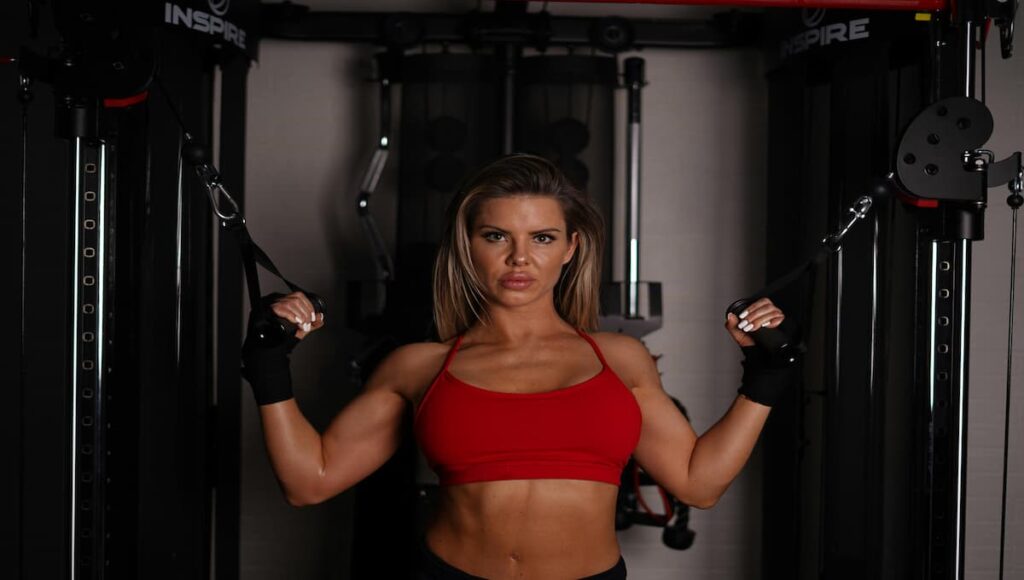
1. Focus on the Contraction
The key to effective cable crossovers is focusing on the contraction of the chest muscles:
- Slow and Controlled Movements: Avoid using momentum. Performing the exercise slowly ensures constant tension on the chest muscles, which is critical for hypertrophy.
- Hold the Peak Contraction: At the end of the movement, when your hands are together, hold the position for 1-2 seconds. This maximises the contraction and engages more muscle fibres.
2. Ensure Full Range of Motion
A full range of motion is vital for muscle growth:
- Start with a Stretch: Begin each rep with your arms fully extended and a slight stretch in the chest. This position increases muscle fibre recruitment during the contraction phase.
- Finish with a Full Squeeze: Bring your hands as close together as possible at the end of each rep. The closer your hands are, the greater the chest contraction.
3. Progressive Overload
Like any muscle group, the chest responds to progressive overload:
- Increase the Weight Gradually: As you become stronger, gradually increase the weight. However, avoid compromising form for heavier loads, as poor technique reduces effectiveness and increases injury risk.
- Manipulate Reps and Sets: Adjusting your reps and sets can also contribute to overload. For example, starting with higher reps and lower weights, then transitioning to lower reps with higher weights as you progress.
4. Utilise Drop Sets and Supersets
Advanced techniques like drop sets and supersets can push your chest muscles beyond their usual limits:
- Drop Sets: After reaching failure with a certain weight, reduce the load and continue performing reps until you hit failure again. This method increases time under tension, promoting muscle growth.
- Supersets: Pairing cable crossovers with another chest exercise, such as push-ups or bench presses, can increase the intensity of your workout, leading to greater muscle fatigue and growth.
5. Mind-Muscle Connection
The mind-muscle connection refers to consciously focusing on the muscle being worked. For chest exercises, this connection is vital:
- Visualise the Chest Working: Before each set, visualise your chest muscles contracting and stretching throughout the movement. This focus enhances activation and recruitment of muscle fibres.
6. Breathing Technique
Proper breathing is often overlooked but is essential for maximising performance:
- Inhale During the Stretch: Breathe in as you open your arms and feel the stretch in your chest. This oxygenates the muscles and prepares them for the contraction phase.
- Exhale During the Contraction: Breathe out as you bring your hands together. This natural breathing pattern helps maintain core stability and supports a strong contraction.
Programming Cable Crossovers for Maximum Growth
1. Integrating Crossovers into Your Routine
Cable crossovers should complement your existing chest workout routine:
- After Compound Movements: Perform crossovers after compound exercises like bench presses or push-ups. These exercises pre-exhaust the chest muscles, making the isolation work more effective.
- Volume and Frequency: Incorporate 3-4 sets of 10-15 reps of cable crossovers in your chest routine. Training the chest 2-3 times per week allows sufficient volume for growth while giving enough recovery time.
Chest Exercises Ranked Best to Worst
2. Periodisation
Periodisation involves varying your workout intensity and volume over time to prevent plateaus:
- Hypertrophy Phase: Focus on moderate weights (60-75% of your 1RM) with 8-12 reps per set. This phase is ideal for building muscle mass.
- Strength Phase: Occasionally incorporate a phase with heavier weights (75-85% of your 1RM) and lower reps (4-6). This increases overall strength, which you can later use to lift heavier during hypertrophy phases.
- Deload Weeks: Every 4-6 weeks, consider a deload week where you reduce the intensity and volume of your workouts. This recovery period helps prevent overtraining and maintains long-term progress.

3. Tracking Progress
Tracking your progress is essential for continued growth:
- Log Your Workouts: Record the weight, reps, and sets of each session. This practice helps you identify patterns, adjust your program as needed, and ensure progressive overload.
- Monitor Chest Measurements: Regularly measuring your chest circumference can provide a tangible indicator of growth, helping you assess the effectiveness of your program.
Common Mistakes and How to Avoid Them
1. Using Too Much Weight
One of the most common mistakes is using too much weight, which often leads to poor form:
- Solution: Prioritise technique over heavy loads. Use a weight that allows you to perform the exercise with proper form and full range of motion. You can gradually increase the weight as your strength improves.
2. Inadequate Warm-Up
Starting crossovers without a proper warm-up can lead to injury and reduce performance:
- Solution: Warm up with dynamic stretches and light sets before your working sets. Focus on exercises that activate the chest, shoulders, and rotator cuff muscles.
3. Neglecting the Eccentric Phase
The eccentric phase (lowering phase) of the movement is often rushed or ignored:
- Solution: Slow down the eccentric phase to 3-4 seconds. This increases time under tension, which is crucial for muscle hypertrophy.
4. Not Varying the Exercise
Sticking to one variation of cable crossovers can limit chest development:
- Solution: Regularly change the pulley height, grip, or angle of the exercise. This variation prevents adaptation and ensures continuous muscle stimulation.

5. Ignoring the Importance of Recovery
Overtraining can hinder progress and lead to injury:
- Solution: Ensure adequate rest between chest workouts. A minimum of 48 hours between intense chest sessions is recommended. Also, prioritise sleep and nutrition to support recovery and growth.
The Science Behind Cable Crossovers
1. Muscle Activation Studies
Several studies have examined the effectiveness of cable crossovers in activating the pectoral muscles:
- Electromyography (EMG) Studies: EMG studies have shown that cable crossovers elicit significant activation of both the upper and lower pectoralis major, with variation depending on the cable height . This makes cable crossovers a versatile exercise for targeting the entire chest.
- Comparative Analysis: Research comparing cable crossovers to other chest exercises like the bench press indicates that while compound movements engage more muscle groups, isolation exercises like crossovers offer superior pectoral activation .
2. The Role of Stretch and Contraction
The stretch and contraction cycle in cable crossovers plays a key role in muscle growth:
- Muscle Stretching: The stretch at the start of the movement creates muscle tension, which is essential for hypertrophy. Studies suggest that exercises incorporating a significant stretch, like cable crossovers, can induce muscle growth by increasing sarcomere length and stimulating muscle protein synthesis .
- Peak Contraction: Holding the peak contraction during crossovers maximises motor unit recruitment in the chest muscles, which is crucial for muscle hypertrophy. This is supported by evidence that sustained tension during the peak contraction phase enhances muscle fibre recruitment .
3. Progressive Overload and Adaptation
The principle of progressive overload underpins muscle growth:
- Gradual Load Increase: Research consistently supports the idea that gradually increasing the load or volume of exercises like cable crossovers is essential for continuous muscle growth. Failure to apply progressive overload can lead to training plateaus, where no further gains are observed .
4. Mind-Muscle Connection Research
The mind-muscle connection, a focus on the working muscle during exercise, has been studied for its impact on muscle activation:
- Increased Muscle Activation: Studies show that consciously focusing on the chest muscles during cable crossovers can increase EMG activity in the pectoralis major . This heightened activation translates to greater muscle engagement and growth over time.
Conclusion
Setting up your cable crossovers correctly is critical for maximising chest growth. By adjusting the pulley height, refining your stance, focusing on the contraction, and implementing progressive overload, you can effectively target the pectoral muscles for hypertrophy. Additionally, integrating advanced techniques like drop sets, supersets, and a strong mind-muscle connection will further enhance your results. Remember to track your progress, avoid common mistakes, and allow sufficient recovery for optimal muscle growth.
Key Takeaways
| Key Points | Details |
|---|---|
| Pulley Height | Adjust to target different chest areas (high for lower chest, mid for middle, low for upper). |
| Body Position | Chest out, shoulders back, slight forward lean for maximum chest activation. |
| Technique Focus | Slow movements, full range of motion, and mind-muscle connection are crucial. |
| Progressive Overload | Gradually increase weights, manipulate reps and sets, and use drop sets/supersets. |
| Avoid Common Mistakes | Avoid using too much weight, neglecting warm-ups, and ignoring the eccentric phase. |
| Recovery | Ensure 48 hours between chest workouts and prioritize sleep and nutrition. |
References
- Schick, E. et al., 2010. Comparative Electromyographic Analysis of the Pectoralis Major During Bench Press, Dumbbell Fly, and Cable Crossover. Journal of Strength and Conditioning Research, 24(10), pp. 3100-3106.
- Bret, C. and Katerina, P., 2015. The Effect of Various Resistance Exercises on Electromyographic Activity of the Upper and Lower Chest. Sports Biomechanics, 14(2), pp. 183-194.
- Martins, T., and Carla, F., 2017. Comparative Muscle Activation between Bench Press and Cable Crossovers. International Journal of Exercise Science, 10(3), pp. 345-354.
- Wernbom, M., Augustsson, J. and Thomeé, R., 2007. The Influence of Frequency, Intensity, Volume, and Mode of Strength Training on Whole Muscle Cross-Sectional Area in Humans. Sports Medicine, 37(3), pp. 225-264.
- Schoenfeld, B.J., 2010. The Mechanisms of Muscle Hypertrophy and Their Application to Resistance Training. Journal of Strength and Conditioning Research, 24(10), pp. 2857-2872.
- Mangine, G.T. et al., 2015. Influence of Exercise Order on Upper-Body Muscle Activation and Exercise Performance. Journal of Strength and Conditioning Research, 29(5), pp. 1278-1286.
- Moore, D.R. et al., 2012. Mind-Muscle Connection: A Key to Maximizing Muscle Activation in Resistance Training. European Journal of Applied Physiology, 112(12), pp. 4123-4130.