Starting any new fitness regimen can be daunting, but CrossFit often evokes an extra level of intimidation due to its reputation for high-intensity and complex movements. However, with the right approach and understanding, beginners can transition smoothly into CrossFit and enjoy its many benefits. This guide will break down every essential step, so you feel prepared and motivated to tackle your first class and beyond.
What Is CrossFit and Why Is It Popular?
CrossFit is a form of high-intensity functional training that blends various fitness disciplines, including weightlifting, gymnastics, and aerobic exercises. It aims to build overall strength and improve cardiovascular fitness through varied, challenging workouts. Its popularity is tied to its effectiveness and community-oriented structure. Here’s a closer look at what makes CrossFit appealing:
- Functional Movements: CrossFit focuses on natural movements that mimic everyday activities, such as squats (sitting down and standing up) or deadlifts (picking up heavy objects). This aspect enhances real-world strength and agility.
- Scalability: Whether you’re lifting a broomstick or a heavy barbell, CrossFit can be adjusted for any fitness level, making it highly inclusive.
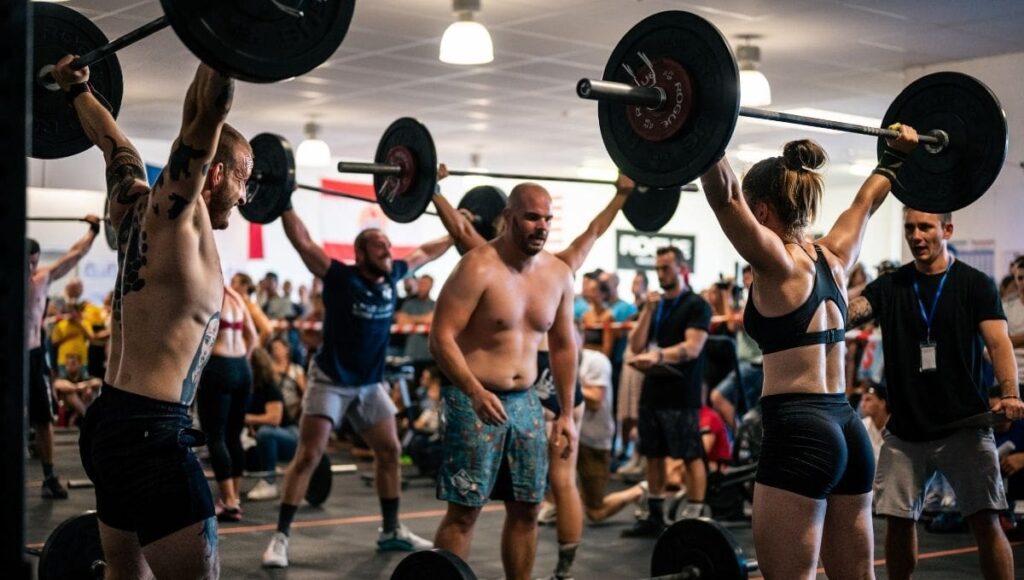
- Community Atmosphere: The sense of camaraderie is unique. Unlike traditional gyms where people often work out alone, CrossFit fosters teamwork and support.
Benefits of Starting CrossFit as a Beginner
When starting CrossFit, you’ll quickly realise its holistic benefits. Here are some compelling reasons to jump in:
- Balanced Fitness: Unlike workouts that focus solely on cardio or weightlifting, CrossFit covers strength, endurance, flexibility, agility, and coordination.
- Time-Efficient Workouts: Most WODs (Workouts of the Day) are completed within 45-60 minutes, allowing even busy individuals to fit them into their schedules.
- Improved Mental Toughness: The high-intensity nature of CrossFit challenges you mentally as well as physically, boosting your resilience and discipline.
- Skill Variety: With CrossFit, no two days are the same. One day might focus on Olympic lifting, while another could emphasise running or gymnastics. This diversity keeps workouts engaging and helps develop a wide range of physical skills.
Step 1: Understanding the Basics of CrossFit
Before stepping foot into your first CrossFit class, understanding basic terminology and the structure of workouts is crucial. This knowledge will help you feel more confident and reduce any initial overwhelm.
Common CrossFit Terms Explained
- WOD (Workout of the Day): The set workout that all participants in the box complete that day. It could include a mix of strength training, cardio, or bodyweight exercises.
- AMRAP (As Many Rounds As Possible): A type of workout where you aim to complete as many rounds of a given circuit as possible within a specific time frame. For example, a 10-minute AMRAP might include five pull-ups, 10 push-ups, and 15 air squats.
- EMOM (Every Minute on the Minute): This format has you performing a specific number of reps for an exercise at the start of every minute, resting for the remainder of the minute.
- Box: This is CrossFit lingo for the gym. Unlike conventional gyms, a CrossFit box is typically more minimalistic, often featuring open space, weights, pull-up rigs, and conditioning equipment.
- RX: This means performing a WOD as prescribed, with the standard weights and repetitions. Beginners often modify workouts or “scale” them to match their ability.

Structure of a Typical CrossFit Class
A standard CrossFit class generally follows this format:
- Warm-Up: A dynamic warm-up lasting 10-15 minutes, focusing on mobility and movement preparation.
- Skill or Strength Work: A portion of the class dedicated to improving a specific skill or lifting technique. For example, practising front squats or working on double-unders (jump rope).
- WOD: The main part of the session, which could range from a high-repetition circuit to a high-intensity interval training (HIIT) set.
- Cool Down: Guided stretching or foam rolling to support recovery and prevent stiffness.
Step 2: Finding the Right CrossFit Box
Choosing the right CrossFit gym can make a significant difference in your experience, especially as a beginner. Here’s what to look for:
Factors to Consider When Choosing a Box

- Certified and Supportive Coaches: The foundation of a great CrossFit experience is knowledgeable coaches who understand how to instruct beginners. Check whether the coaches have certifications like CrossFit Level 1 or higher.
- Beginners’ Programmes: Many CrossFit boxes offer “on-ramp” or foundation courses specifically designed to teach newcomers the basic movements and techniques. These courses help you build a solid base before transitioning into regular classes.
- Community Vibes: Visit a few boxes and observe how members interact. A welcoming and positive environment can significantly boost your motivation.
- Safety and Equipment: Ensure that the box maintains clean, quality equipment and prioritises safety measures, such as having adequate space for each participant.
- Class Size: Smaller class sizes often mean more one-on-one attention, which can be particularly beneficial when learning proper form.
Questions to Ask Before Committing
- What certifications do your coaches have?
- Do you offer beginner classes or foundations courses?
- How do you handle scaling workouts for new members?
- What is the general demographic of your members?
- Do you provide trial classes or drop-in options?
Step 3: Mastering Basic Movements
Starting with fundamental CrossFit movements is crucial for building strength, preventing injury, and setting a foundation for more complex exercises. Here’s how to break down key beginner exercises:
1. Air Squats
- How to Perform: Stand with your feet hip-width apart. Keep your chest up and engage your core as you lower your body by pushing your hips back and bending your knees. Your thighs should reach at least parallel to the floor. Drive through your heels to return to standing.
- Common Mistakes to Avoid: Letting your knees cave inwards or rounding your lower back. Focus on controlled movement and a neutral spine.
- Scaling Option: Use a box or chair behind you as a target for depth until you build the necessary strength and flexibility.
2. Push-Ups
- How to Perform: Start in a plank position with hands shoulder-width apart. Lower your chest to the floor while keeping your body in a straight line. Push back up to return to the starting position.
- Common Mistakes: Dropping your hips or not lowering yourself enough. Keep a strong core and focus on full range of motion.
- Scaling Option: Perform push-ups on your knees or against an elevated surface, such as a box or bench.
3. Deadlifts
- How to Perform: Stand with feet hip-width apart and a barbell or dumbbells in front of you. Keep a neutral spine and engage your core. Lift the weight by pushing through your heels, extending your hips and knees simultaneously.
- Common Mistakes: Rounding your back or using your arms to lift rather than your legs and hips. Focus on hinging at the hips and keeping your back flat.
- Scaling Option: Start with light weights or a PVC pipe to master form before adding heavy loads.
4. Box Jumps
- How to Perform: Stand in front of a box with feet shoulder-width apart. Jump using both feet, land softly with knees bent, and step down one foot at a time.
- Common Mistakes: Stiff landings or jumping too far from the box. Position yourself closer to the box and land gently.
- Scaling Option: Step up onto the box instead of jumping until you’re comfortable with the movement.
3 Great WODs for Beginner CrossFit Athletes
Step 4: Focus on Proper Form and Injury Prevention
Safety is paramount in CrossFit, and good form is your best defence against injuries. Follow these steps to prioritise form and prevent common pitfalls:
How to Maintain Good Form
- Start with Light Weights: No matter your prior fitness background, using light weights or bodyweight alone helps you learn the correct movement patterns.
- Focus on Core Engagement: A strong core stabilises your body during lifts and reduces the risk of straining your back.
- Use Mirrors and Coaches: Mirrors and experienced coaches are valuable resources for checking your form during workouts.
- Move with Control: Quick, uncontrolled movements can lead to poor form and injuries. Focus on slow, deliberate movements, especially when learning new lifts.
Injury Prevention Tips
- Warm Up Properly: Skipping a warm-up can make your muscles and joints more prone to injury. Always engage in dynamic stretches that prepare the body for the workout ahead.
- Know Your Limits: It’s tempting to push yourself, but trying to lift too much too soon can lead to setbacks. Build strength gradually.
- Stretch and Cool Down: After each session, dedicate at least 5-10 minutes to stretching and mobility work to prevent stiffness and promote recovery.
Step 5: Joining Your First CrossFit Class
Your first class sets the stage for your CrossFit journey. Knowing what to expect can alleviate pre-class jitters:
What to Expect in Your First Class
- Warm-Up: Typically a mix of dynamic stretches, foam rolling, and light cardio to get your blood flowing and muscles ready.
- Skill or Strength Segment: The coach might guide the class through a specific lift, like a clean or press, providing tips and cues for technique.
- The WOD: This is the main event. The WOD could be anything from a short, high-intensity circuit to a longer, endurance-based routine. Your coach will explain the workout and demonstrate the movements.
- Cool Down: Includes static stretching and possibly foam rolling to reduce muscle tightness.

What Happens To Your Body When You Do CrossFit Every Day For 30 Days
Tips to Succeed in Your First Class
- Arrive Early: Arriving at least 10-15 minutes before the class starts gives you time to introduce yourself to the coach, familiarise yourself with the layout, and mentally prepare.
- Be Open About Your Experience Level: Let the coach know you’re a beginner. This transparency allows them to guide you better and offer appropriate modifications.
- Focus on Your Own Progress: It’s natural to notice experienced athletes, but don’t let their performance discourage you. CrossFit is a personal journey.
- Pace Yourself: Don’t feel pressured to keep up with others. Your focus should be on learning proper form and getting comfortable with the movements.
- Stay Hydrated: Bring a water bottle and take breaks as needed to stay hydrated, especially during intense WODs.
Step 6: Building a Routine and Tracking Progress
A solid routine is key to integrating CrossFit into your life sustainably. Here’s how to make it a long-term part of your fitness regimen:
How to Build Your Routine
- Start Slow: As a beginner, two to three CrossFit classes per week is a good starting point. This allows your body to adapt without being overwhelmed by excessive fatigue.
- Create a Balanced Schedule: Balance CrossFit days with rest or active recovery days. Light activities like yoga, walking, or swimming on off days can aid recovery.
- Listen to Your Body: Some soreness is expected, but if you’re feeling overly fatigued or in pain, take an extra rest day.
Tracking Your Progress

- Log Your WODs: Use a fitness journal or a CrossFit app to note down your WODs, including reps, weights used, and your time. Tracking helps you see improvements over weeks and months.
- Set Short and Long-Term Goals: Aim for achievable goals, such as completing an unassisted pull-up or adding weight to your deadlift. This keeps you motivated.
- Celebrate Milestones: Whether it’s perfecting a movement or hitting a personal best, recognising these victories boosts confidence and maintains momentum.
7 Things Every CrossFit Beginner Should be Told
Common Challenges and How to Overcome Them
CrossFit can be demanding, but understanding common challenges and their solutions can help keep you motivated:
1. Soreness and Fatigue
- Solution: Embrace the importance of rest days. Consider post-workout practices such as stretching, foam rolling, and using an ice bath to reduce muscle soreness. Supplementing with magnesium can also help muscle recovery.
2. Plateaus
- Solution: Plateaus happen when the body adapts to a certain level of training. Change your routine by introducing new movements, scaling up your weights, or adjusting your rest intervals. This variation helps challenge your body differently.
3. Intimidation and Self-Doubt

- Solution: It’s normal to feel intimidated by experienced CrossFitters or complex workouts. The best approach is to remind yourself that every participant started as a beginner. Engage with the community; many seasoned CrossFitters are happy to share advice and tips.
Nutrition and Recovery for CrossFit Beginners
Proper nutrition and recovery strategies are as essential as the workouts themselves:
Essential Nutrition Tips
- Pre-Workout Fuel: Aim for a snack or meal with complex carbohydrates and a moderate amount of protein about 1-2 hours before class. Oats with banana or Greek yoghurt with honey are excellent options.
- Post-Workout Recovery: Consume a combination of protein and carbs within 30 minutes of your workout to replenish glycogen stores and promote muscle repair. A protein shake with fruit or a balanced meal works well.
- Hydration: Staying hydrated helps maintain energy levels and aids in recovery. Drink water throughout the day and consider electrolyte supplements if you’re sweating heavily.
Recovery Strategies

- Sleep: Aim for 7-9 hours of quality sleep to support muscle growth and repair.
- Foam Rolling and Stretching: These can improve blood flow and reduce muscle tightness, promoting better recovery.
- Rest Days: Include at least one or two rest days per week to prevent overtraining and burnout.
10 Important Exercises for CrossFit Beginners to Learn
Conclusion
Starting CrossFit as a complete beginner may seem challenging, but by taking small, structured steps, it can become a rewarding and enjoyable part of your life. Remember to focus on mastering the basics, choosing the right box, and listening to your body. Consistency and patience are key, so celebrate small wins and stay motivated. CrossFit isn’t just about lifting heavy weights or mastering the toughest movements—it’s about pushing your boundaries, growing stronger, and enjoying the journey.
Key Takeaways
| Step | Action |
|---|---|
| Find a Box | Choose one with certified coaches and a supportive environment. |
| Learn the Basics | Familiarise yourself with key movements like squats and push-ups. |
| Prioritise Form | Start light and use proper technique to prevent injuries. |
| Join a Class | Arrive early, listen to the coach, and stay hydrated. |
| Build a Routine | Start with 2-3 classes a week and track progress. |
| Embrace Recovery | Rest well and eat balanced meals to support your workouts. |
CrossFit is a transformative experience that challenges you to grow stronger physically and mentally. Take each class one step at a time, and you’ll find yourself becoming more confident and capable with each rep and each day.