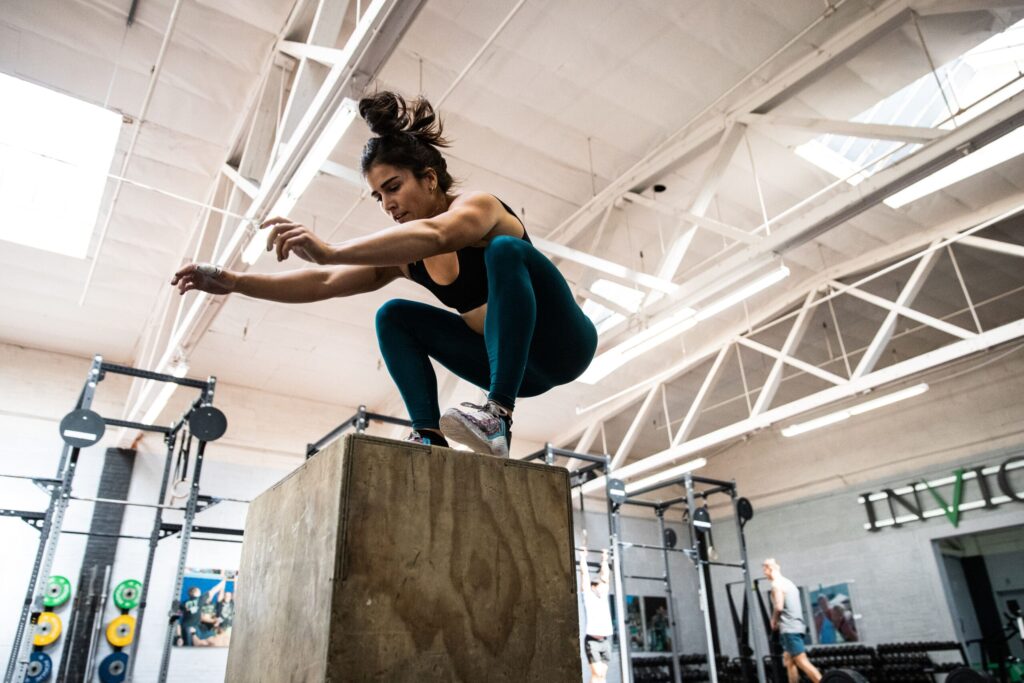
Learn how to target lower abs with the correct exercises.
Achieving that coveted six-pack or even a toned abdomen is a goal many strive for in their fitness journey. However, despite diligent effort, the lower abdominal region often remains a challenging area to sculpt and define. The good news? It’s entirely possible to enhance this area with targeted exercises.
Recent research highlights that certain exercises can activate the lower abdominal muscles more effectively than others. The secret lies in selecting movements that focus on the ‘bottom-up’ approach rather than the traditional ‘top-down’ exercises.
So how to target lower abs, you might be wondering. For that, we use Jeff Cavaliere extensive knowledge and expertise to help us out. Jeff Cavaliere was the head physical therapist of the New York Mets for 3 years and is now a YouTube sensation. He delivers clear information without noise on his ATHLEAN-X YouTube channel.
This article will delve into how you can maximise your lower ab workouts and debunk some common myths surrounding targeted fat loss.
Related: Brutal Ab Workout with Stability Ball

How to Target Lower Abs
The key to effective lower abdominal workouts lies in the execution of the exercises. A common mistake is not maintaining the correct pelvic position, which can lead to overworking the hip flexors rather than the abs. To counter this, it’s crucial to achieve a posterior pelvic tilt by flattening your back against the floor, ensuring your legs and pelvis move as one cohesive unit.
“You’ve got to flatten that back out because what that’s doing is creating a posterior pelvic tilt, which is going to activate those lower abdominal muscles,” Cavaliere explains. This alignment not only activates the lower abs, but also prevents undue strain on the hip flexors.
The Swiper: A Reverse Crunch Variation
“The variation I like to use on this exercise is one that actually gives you some feedback to let you know you’re doing it right, and we call it the Swiper.”
A well-known exercise for targeting the lower abs is the reverse crunch. However, to elevate its effectiveness, try the Swiper variation. This exercise provides feedback, ensuring you’re executing it correctly. By maintaining the established angle of your legs and performing a hand swipe underneath your body, you increase time under tension, making the lower abs work harder. Adjust the speed of the swipe based on your fitness level to further challenge your muscles.
The Ultimate Abs Hypertrophy Guide for Men and Women

Seated Knee Tucks: Elevate Your Performance
Seated knee tucks are popular, but to truly target the lower abs, you need to adjust your approach. Instead of merely tucking your knees towards your chest, focus on lifting your tailbone off the ground, aiming to bring your knees as high as your forehead. This movement encourages a posterior pelvic tilt, engaging the lower abdominal muscles more effectively and preventing overreliance on hip flexors.
“Think of them going almost as high as your forehead, even if they can’t reach. The point is you’re looking to create that same posterior pelvic tilt because that’s what’s going to engage those lower abs.”
Plank Knee Slide :Enhancing Traditional Exercises
Even well-known exercises like planks can be modified for better lower ab engagement. “It’s called the Plank Knee Slide. And the one thing that should jump out at you right from the get-go here is that I’m getting into that posterior pelvic tilt once again.”
The Plank Knee Slide, for instance, adds a knee slide motion to the traditional plank, promoting a posterior pelvic tilt and activating the lower abs. For those seeking a greater challenge, hanging leg raises can be performed with an emphasis on maintaining a posterior pelvic tilt, enhancing the exercise’s effectiveness by engaging the lower abs throughout the movement.
Plank Challenge to Lose Belly Fat in 10 Days

Advanced Tips: Adduction and Rotation
Integrating adduction (squeezing the legs together) and subtle rotation into your exercises can amplify lower ab engagement. These adjustments align with the muscle fibers’ orientation, encouraging more comprehensive activation. For instance, adding a rotational element to the Swiper or performing the Plank Knee Slide towards the opposite elbow can intensify the workout and target the lower abs more precisely.
“Remember, guys, I say it all the time, follow the fibres, whatever the direction they run in, that’s the direction you should move in,” Cavaliere argues.
While targeted exercises can enhance muscle activation in the lower abdominal region, it’s crucial to remember that spot reduction of fat is a myth. Consistent, whole-body fat loss, combined with a balanced diet, is essential for revealing those hard-earned muscles.
By incorporating these refined exercises and maintaining a holistic approach to fitness, you can sculpt a stronger, more defined lower abdominal area. Always remember, the journey to achieving your fitness goals is a marathon, not a sprint. Stay dedicated, patient, and consistent, and the results will follow.
Watch the video below from Jeff Cavaliere to fully understand and have the visual cues on how to target lower abs.
What Happens When You Do 100 Sit-Ups A Day For 30 Days?
Understanding the relationship between abdominal muscle development and body fat is crucial for achieving visible abs. Here’s an in-depth explanation:
Relationship Between Abs and Body Fat
1. Abs and Body Fat: No matter how intensely you train your abdominal muscles, if they’re covered by a layer of fat, they won’t be visible. The visibility of abs is largely dependent on your overall body fat percentage. This is because abdominal fat, or visceral fat, can obscure even the most well-developed muscles.
2. Spot Reduction Myth: It’s important to debunk the myth of spot reduction, which suggests that you can lose fat in specific areas by targeting those areas with exercise. This is a misconception. When you lose fat, you do so in a pattern that’s predetermined by genetics, not by the areas you focus on when exercising.
3 Best Diet Rules to Get Shredded Quickly

Principles of Losing Body Fat
1. Caloric Deficit: The foundational principle of fat loss is creating a caloric deficit, where you consume fewer calories than you burn. This can be achieved through diet, exercise, or a combination of both. The body then turns to stored fat for energy, leading to fat loss.
2. Nutrition: Quality of diet is paramount. Focus on a balanced diet rich in vegetables, fruits, lean proteins, and whole grains. Reduce intake of processed foods, sugary beverages, and high-fat foods. It’s not just about eating less but eating right.
3. Exercise: Incorporate a mix of cardiovascular exercise and strength training. Cardio helps burn calories and improve heart health, while strength training builds muscle, which can increase your resting metabolic rate (the number of calories your body burns at rest).
4. Consistency and Patience: Body fat reduction is a gradual process. Consistent effort over time is more effective than short-term intense bursts.
5. Sleep and Stress: Adequate sleep and stress management are often overlooked but are vital. Lack of sleep and high stress levels can lead to hormonal imbalances that may encourage the body to store fat.
6. Hydration: Staying hydrated is essential. Sometimes, the body can confuse signals of dehydration with hunger, leading to increased calorie consumption.
7. Progress Tracking: Instead of just relying on the scale, use body measurements or body fat percentage assessments to track your progress. This can provide a more accurate picture of your fat loss journey.
In conclusion, while abdominal exercises strengthen and tone the muscles, reducing body fat percentage is key to making them visible. This requires a holistic approach that includes a caloric deficit, balanced nutrition, consistent exercise, and attention to sleep and stress. Remember, individual results can vary based on genetics and lifestyle factors, so it’s important to set realistic goals and be patient with the process.