Meal plans are often touted as the ultimate solution to achieving your body goals. However, not all meal plans are created equal, and some can even be detrimental to your health and fitness journey. This article will delve into the red flags associated with common meal plans, offering you essential guidelines to ensure your nutrition supports sustainable fat loss and overall well-being.
The strategies shared by professional bodybuilders and fitness experts can offer valuable insights into this process. And that is what physique coach and founder of Pro Physique website Paul Revelia did. He is an expert at fat loss and how to achieve it and below are all the information he put together that you need to know about creatine and weight loss. He emphasizes the importance of understanding how to manage body fat levels post-transformation that we talk about below.
So, in the next few paragraphs we are going to dissect what Paul Revelia talked about regarding how to tell your meal plan sucks and what you can do to make it better to fuel your body properly for your fitness goals.
How to Tell Your Meal Plan Sucks
Many people are familiar with the notion of following a strict meal plan to lose weight. However, these plans can often be misleading and harmful. For instance, a common misconception is that consuming extremely low calories, like the meal plan with just under 800 calories for a 170 lb person, is effective for weight loss. In reality, this can lead to severe health issues, including hormonal imbalances, digestive problems, and muscle loss.
A significant concern arises when a meal plan’s calorie intake is dangerously low. A general rule of thumb is that your daily calorie intake should not fall below 10 times your body weight in pounds. For instance, if you weigh 220 lbs, your calorie intake should not be less than 2200 calories, according to Revelia.
Consuming fewer calories can result in problems such as brain fog, low energy levels, and reduced motivation, ultimately leading to the rebound effect once the diet is over.

The Misconception of Macronutrients
Another issue with many meal plans is the improper balance of macronutrients. Some plans may excessively limit carbohydrates due to the fear of insulin spikes, which is a common myth. Insulin spikes, caused by carbohydrates, are not inherently bad. In fact, insulin is an anabolic hormone that aids in muscle building and nutrient transport. Thus, a balanced intake of carbohydrates, even sugars, can be part of a healthy diet as long as you are in a caloric deficit.
The Problem with Excessive Protein
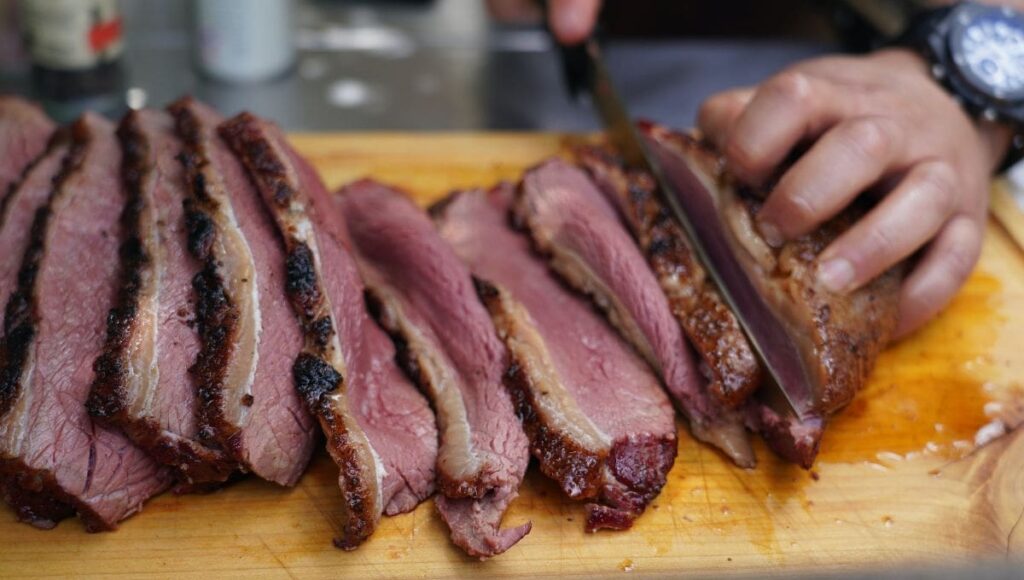
While protein is a crucial macronutrient, some meal plans overemphasize its consumption, neglecting the benefits of carbohydrates and fats. Protein intake should ideally be around one gram per pound of lean body mass or your goal weight. Overconsumption of protein can lead to missing out on essential nutrients from other macronutrients, which are vital for overall health and energy levels.
The Role of Fats in Your Diet
Fats are often misunderstood and unjustly vilified in many meal plans. While fats have the highest calorie content per gram, they are essential for hormone production and overall metabolic health. Diets like keto and carnivore emphasize high-fat intake, but it’s important to balance fat intake to prevent unnecessary fat storage. The key is to focus on the right types of fats and ensure they complement the other macronutrients in your diet.
Importance of Personalised Nutrition
A one-size-fits-all approach does not work for nutrition. Meal plans should be tailored to fit individual lifestyles, preferences, and nutritional needs. Following a generic plan can set you up for failure, as it doesn’t consider your unique circumstances. Instead, tools like a macronutrient calculator can help you create a personalised plan that aligns with your goals, whether it’s muscle building, fat loss, or maintenance.

In conclusion, it’s crucial to scrutinise any meal plan you consider adopting. Ensure that it provides adequate calories, a balanced distribution of macronutrients, and fits your personal lifestyle and preferences. Avoid plans that are too restrictive or not tailored to your specific needs.
By understanding these key principles, you can develop a sustainable approach to nutrition that supports your long-term health and fitness goals.