Yes, you can train harder using science. Here is how and it has something to do with an acronym.
Accurately predicting repetitions in reserve (RIR) is a crucial skill for anyone serious about strength training and hypertrophy. Understanding how close you are to failure can help optimize your workouts, balance fatigue, and enhance your overall progress. Dr. Pak from Stronger by Science provides valuable insights into this concept, backed by research and practical advice.
Dr Pak Androulakis-Korakakis is a fitness coach, researcher, and has a PhD on “minimum dose for strength.” He also has a YouTube channel, although the information for this article is based on a video he presents over at the Stronger by Science YouTube channel.
How To Train Harder, Explained By Science
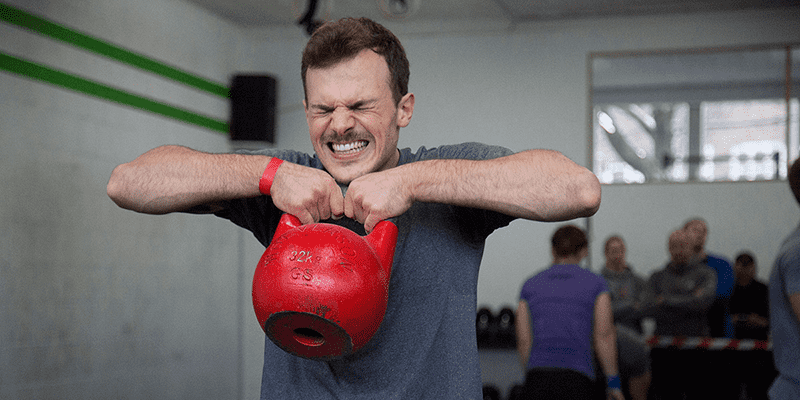
Repetitions in Reserve (RIR) refers to the number of repetitions you believe you could still perform before reaching muscular failure. For instance, if you’re performing a set of squats and stop at eight reps, but feel you could have done two more, your RIR is two. Knowing your reps in reserve will help you train harder in real life.
Importance of RIR
- Hypertrophy: Training close to failure is essential for muscle growth. Studies suggest that being within 1-3 RIR can maximize hypertrophy while minimizing unnecessary fatigue.
- Strength Training: For strength gains, maintaining a few reps in reserve can ensure you’re lifting heavy enough to make progress without overtraining.
- Fatigue Management: Understanding RIR helps in regulating training intensity, which can be particularly useful in auto-regulated training programs.
Current Research on RIR
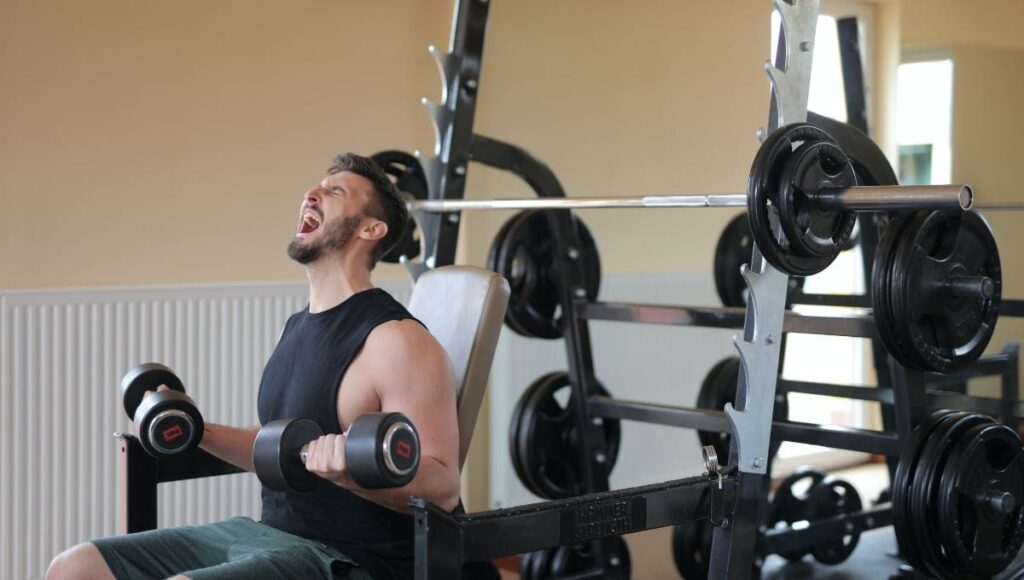
The literature on reps in reserve indicates that both trained and untrained individuals can predict their RIR with reasonable accuracy, although there is often a slight underestimation by about one repetition. This prediction accuracy tends to improve as individuals approach failure and is more reliable in sets of 12 reps or fewer.
Practical Application of RIR
- Awareness During Sets: Actively predict your RIR towards the end of a set rather than at the beginning. This increases accuracy and helps you adjust your effort accordingly.
- Lower Rep Ranges: For those new to gauging RIR, focusing on lower rep ranges (1-12 reps) can improve prediction accuracy and ensure effective training.
- Occasional Failure Testing: Periodically take sets to failure in a controlled manner to recalibrate your RIR estimates. This can help you understand how close you are to actual failure and improve your prediction skills.

Practicing RIR estimation, focusing on lower rep ranges, and occasionally testing sets to failure can improve your accuracy and training outcomes.
Tips for Accurate RIR Estimation
- Consistency: Regularly practice estimating your RIR to get better over time.
- Video Analysis: If possible, record your sets and review them to see if your RIR estimates match your actual performance.
- Coach Feedback: If you work with a coach, their observations can help fine-tune your RIR predictions.
Case Studies and Further Research
Recent studies, including those involving experienced coaches, show that even professionals can be off by about one repetition when predicting RIR, especially earlier in a set. This reinforces the idea that RIR is a skill that improves with practice and experience.

Mastering RIR is not only about improving your workout efficiency but also about understanding your body’s limits and capabilities. By following the tips and insights provided, you can enhance your training regimen, achieve better hypertrophy and strength gains, and manage fatigue more effectively.
Read Also: How Little Can You Do and Still Grow Muscle?