Knee pain is an all-too-common issue that can hinder anyone’s fitness routine. Whether the discomfort stems from injury, arthritis, or overuse, dealing with knee pain can be frustrating. It doesn’t mean you need to give up on training altogether, though. With the right approach, you can adapt your workouts to reduce strain on your knees, build strength, and even alleviate some of the pain. This guide will explore safe exercises, effective modifications, and practical tips to help you stay active and protect your knees.
1. Understanding Knee Pain: Common Causes and Types
Understanding what’s causing your knee pain is crucial. Different types of pain and injuries may require specific approaches, so it’s always best to consult with a medical professional if you’re unsure.
- Common Causes:
- Overuse injuries: These include conditions like patellar tendinitis or runner’s knee, where repetitive motion creates strain on tendons.
- Arthritis: Osteoarthritis, which results from cartilage degeneration, is a frequent cause of knee pain, particularly in older adults.
- Injuries: Ligament tears (ACL, MCL), meniscal tears, or fractures can occur due to trauma or sudden twisting movements.
- Misalignment: Poor biomechanics, including issues with the hips, ankles, or feet, can alter gait and place extra stress on the knee.
- Types of Pain:
- Sharp pain: Often associated with injuries, sharp pain can indicate acute damage and should be treated with care.
- Aching or dull pain: This can point towards arthritis or chronic conditions and often worsens after activity.
- Swelling or stiffness: Common with arthritis and inflammation, stiffness can restrict movement and reduce mobility.
Each condition may require unique adaptations to your training, but many of the exercises and tips in this guide will help reduce stress on your knees.
2. The Importance of Strength Training for Knee Pain
Strengthening the muscles around your knees, especially the quadriceps, hamstrings, and glutes, can relieve pressure on the knee joint. Proper strength training improves stability, supports knee alignment, and may help prevent further injury.
- Benefits of Strength Training:
- Enhances joint support by building surrounding muscles.
- Reduces the chance of re-injury by stabilising the knee.
- Improves flexibility, reducing the chance of missteps and strain on the knee.
A well-rounded strength-training routine can be a game-changer if you suffer from knee pain. It’s essential to maintain proper form to avoid further injury, so starting with lower weights and controlled movements is wise.
How to Bulletproof Your Knees with 1 Exercise
3. Safe Cardio Exercises for Knee Pain
When dealing with knee pain, staying active with cardio can be challenging, yet regular cardiovascular exercise plays an essential role in overall health. Cardio improves heart and lung function, boosts circulation, and aids in weight management, which is critical as excess weight puts extra stress on the knees. Finding knee-friendly cardio options is the key to maintaining a fitness routine without aggravating knee issues. Here are the top low-impact exercises for people with knee pain, along with tips to maximise comfort and minimise strain.
Best Cardio Exercises for Knee Pain
Swimming

Swimming is often considered one of the best exercises for individuals with joint pain, as it involves very little impact on the knees. The buoyancy of water reduces joint load while allowing for full-body movement. Swimming styles like the backstroke and freestyle are particularly beneficial because they reduce the risk of knee strain.
- Benefits: Strengthens the entire body, improves cardiovascular endurance, and keeps the joints flexible.
- Tips: Consider starting with basic swimming strokes, and avoid high-resistance techniques like the breaststroke, which can strain the knees due to the whip-like kicking movement.
Water Aerobics
Like swimming, water aerobics offer a low-impact way to keep the body active without the wear and tear associated with high-impact exercises. Water aerobics classes range from gentle movement to high-energy workouts, allowing for variety.
- Benefits: Provides resistance training and cardio in a single session, enhancing muscle strength without increasing joint pain.
- Tips: Look for a heated pool if available, as warm water can further alleviate joint stiffness and help soothe aching knees.
Stationary Cycling
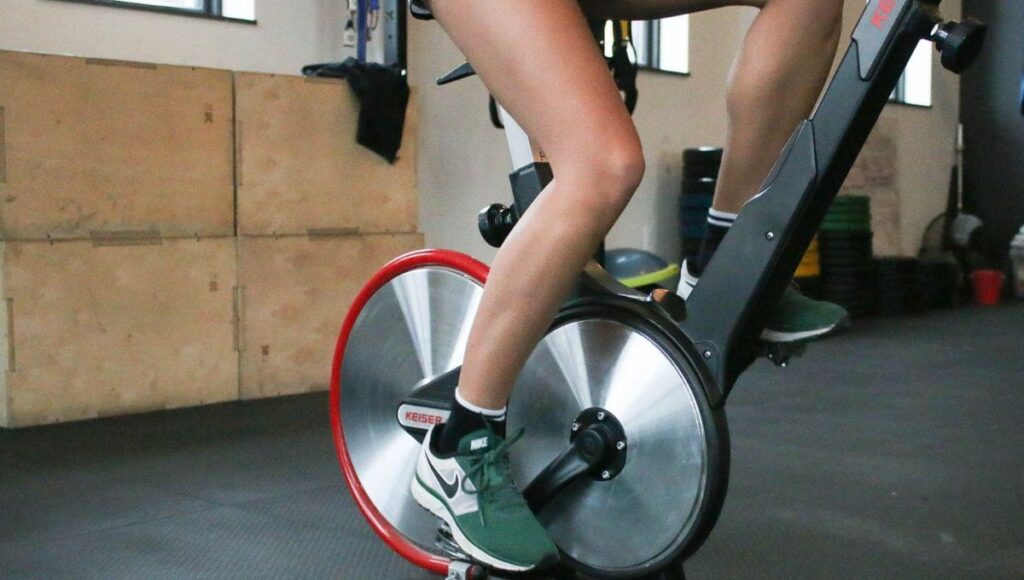
Cycling, particularly on a stationary bike, can be gentle on the knees while still delivering a cardiovascular workout. Adjusting the seat height is critical, as a low seat can place strain on the knee joint, whereas a slightly higher seat allows for more natural leg extension, protecting the knee from excessive bending.
- Benefits: Strengthens the quadriceps and hamstrings, which help stabilise the knee.
- Tips: Begin with low resistance, and gradually increase as your strength and endurance improve. Keep the pedalling motion smooth and steady, avoiding quick, jerky movements.
Elliptical Machines
Ellipticals provide a walking or running motion without the high impact of either. The gliding motion is smooth and low-impact, making it an excellent option for knee pain. Many ellipticals also have adjustable resistance and incline options, allowing you to tailor the workout based on your comfort level.
- Benefits: Works both the upper and lower body, improves balance, and provides gentle cardio without direct impact on the knees.
- Tips: Start with a lower incline and resistance to minimise strain on the knees, then gradually increase based on comfort and strength.
Read more: 5 Exercises to Help Relieve Knee Pain
Rowing Machines
The rowing machine provides a full-body workout, activating the core, back, and leg muscles. While the primary movement focuses on the upper body, the legs are also engaged. Proper form is crucial to avoid straining the knee.
- Benefits: Builds cardiovascular fitness and full-body strength with limited knee strain.
- Tips: Ensure your knees are never locked out during the rowing motion, and keep movements controlled to avoid jerking.
General Tips for Safe Cardio with Knee Pain
- Warm Up Thoroughly: Warm-up routines that include gentle dynamic stretching, such as leg swings or arm circles, help increase blood flow and prepare your knees for activity.
- Modify Based on Pain Level: If you experience discomfort during any exercise, reduce the intensity or try a different movement.
- Track Your Progress: Regularly assess your pain and mobility. Small improvements over time can help you gauge how your knees respond to each exercise.
4. Effective Strength Exercises with Knee-Friendly Modifications
Strength training is essential for reducing knee pain, as it targets the muscles surrounding the joint—particularly the quadriceps, hamstrings, calves, and glutes—that help stabilise and support the knee. Stronger muscles absorb more impact, taking the stress off the knee joint. Here are some knee-friendly strength exercises and specific modifications to make them safer and more effective.
Lower Body Strength Exercises with Knee-Friendly Modifications
Glute Bridges
Glute bridges activate the glutes, hamstrings, and lower back without placing weight directly on the knees. The exercise also strengthens the hip stabilisers, which support knee alignment.
- How to Perform: Lie on your back with your knees bent and feet flat on the floor. Squeeze your glutes to lift your hips, creating a straight line from shoulders to knees.
- Modification Tips: Place a resistance band around your thighs for added glute activation. Avoid raising your hips too high to maintain proper form and prevent any strain.
Seated Leg Press (Modified)
The leg press machine is a great way to target the quadriceps, hamstrings, and glutes without the weight-bearing impact of traditional squats.
- How to Perform: Sit on the leg press machine and position your feet hip-width apart. Push through your heels to straighten your legs, then lower them back slowly.
- Modification Tips: Avoid locking your knees at the top of the movement and keep the range of motion shorter to prevent deep knee bending.
Step-Ups
Step-ups build strength in the quads, glutes, and hamstrings and can improve balance and stability. The key to knee-friendly step-ups is to control the movement and focus on the muscles supporting the knee.
- How to Perform: Step onto a low platform with one foot, press through the heel to lift your body, then slowly lower back down.
- Modification Tips: Keep the platform low, around 4 to 6 inches. Ensure your knee remains aligned with your toes to avoid stress on the joint. If pain persists, perform this exercise without weights or with minimal resistance.
Hamstring Curls
Strengthening the hamstrings can relieve pressure on the knee joint, especially for those with weak or imbalanced hamstring muscles.
- How to Perform: Lie face down on a hamstring curl machine, or use a resistance band to curl your legs towards your glutes.
- Modification Tips: Use light resistance and avoid jerking movements. If using a resistance band, maintain control and stop if you feel pain in the knee.
Upper Body Strength Exercises
Maintaining upper body strength is important, especially if knee pain limits some lower-body activities. Here are some safe exercises to incorporate.

- Push-Ups: Engages the chest, shoulders, and core without involving the knees. Modify by performing on your knees if needed.
- Dumbbell Rows: Target the back muscles, which help with posture and stability. Support one knee on a bench if standing is uncomfortable.
- Seated Shoulder Press: Strengthens the shoulders and upper back. Perform seated if standing aggravates your knee.
Tips for Strength Training with Knee Pain
- Focus on Form: Always prioritise form over heavier weights to prevent unnecessary strain.
- Avoid Deep Knee Bends: Limiting the range of motion in knee-centric exercises, like squats, can reduce stress on the joint.
- Use Resistance Bands: Bands provide controlled resistance and can often be more knee-friendly than weights.
5. Stretching and Mobility for Knee Health
Stretching and mobility exercises are essential for managing knee pain, as they improve flexibility, reduce stiffness, and increase range of motion in the joint. These exercises target the muscles surrounding the knee—quads, hamstrings, calves, and hips—helping maintain joint alignment and reduce strain.
Key Stretching Exercises for Knee Health
Hamstring Stretch
Tight hamstrings can pull on the knee joint, increasing discomfort. Regularly stretching the hamstrings can alleviate some of this tension.
- How to Perform: Lie on your back and extend one leg upwards. Use a towel or strap to gently pull the leg towards you, keeping the knee slightly bent.
- Tips: Hold the stretch for 20–30 seconds and switch legs. Avoid pulling too hard, which can strain the muscles.
Quadriceps Stretch
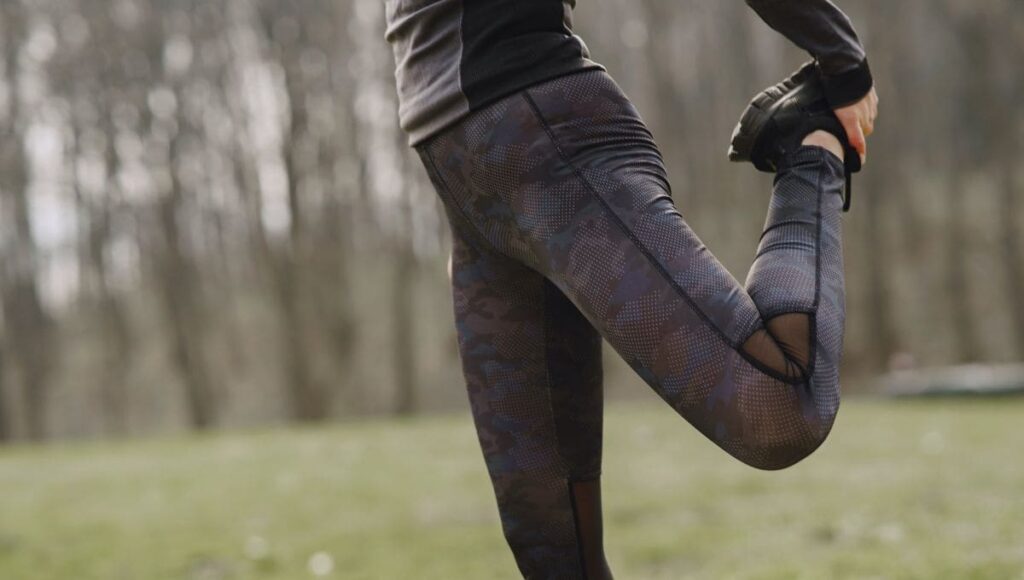
The quadriceps, located at the front of the thigh, play a major role in knee extension and stability. Stretching these muscles can reduce tightness around the knee.
- How to Perform: Stand and pull one foot up towards your glutes, keeping the knees close together. You can hold onto a wall for balance.
- Tips: Keep your back straight and avoid arching. Hold for 20–30 seconds on each side.
Calf Stretch
Tight calf muscles can pull on the knee joint and exacerbate pain. Calf stretches help loosen up these muscles and reduce tension.
- How to Perform: Stand facing a wall, place one foot forward with the knee bent, and the other leg straight behind you. Lean forward to feel the stretch in the back leg.
- Tips: Hold for 20–30 seconds and switch sides. Keep the back leg straight to engage the calf muscle fully.
Hip Flexor Stretch
Tight hip flexors can misalign the hips and knees, worsening knee pain. This stretch helps improve hip mobility, indirectly benefiting the knee.
- How to Perform: Kneel on one knee, with the other leg bent at a 90-degree angle in front. Lean forward gently to stretch the hip of the kneeling leg.
- Tips: Avoid arching your lower back. Hold the stretch for 20–30 seconds and switch sides.
Iliotibial (IT) Band Stretch
The IT band runs along the outside of the thigh and can contribute to knee pain if tight. Regularly stretching it can reduce pressure on the knee.
- How to Perform: Cross one leg behind the other and lean towards the opposite side until you feel a stretch on the outside of the thigh.
- Tips: Hold for 15–20 seconds, keeping your movements gentle to avoid straining.
Mobility Exercises for Knee Health
- Ankle Rolls: Ankles impact knee alignment. Rolling the ankles in circles helps release tension that could indirectly affect knee stability.
- Knee Extensions: Sit on a chair and slowly extend one leg out straight, then lower it back down. This simple movement promotes joint mobility.
- Leg Swings: Hold onto a wall for balance and swing one leg forward and back, gradually increasing range. This exercise loosens the hips and knees.
Tips for Stretching and Mobility
- Consistency: Stretching and mobility work is most effective when done regularly, ideally every day.
- Listen to Your Body: If you feel sharp pain, ease up or stop the stretch.
- Warm-Up Before Stretching: Stretching cold muscles can increase the risk of injury. A short warm-up will make stretching more effective.
By focusing on these stretches and mobility exercises, you can relieve knee pain, improve your flexibility, and ensure that your joints are ready for exercise. These routines will not only protect the knees but can enhance your overall fitness experience by improving your range of motion and reducing stiffness.
2 Simple Exercises to Fix Knee Pain During Squats
6. The Role of Nutrition in Managing Knee Pain
Nutrition plays a key role in managing inflammation and supporting joint health. Certain foods can help alleviate knee pain by reducing inflammation, while others may make it worse.
Anti-Inflammatory Foods
- Omega-3 fatty acids: Found in fatty fish (like salmon), walnuts, and flaxseed, Omega-3s are well-documented for reducing joint inflammation.
- Leafy greens and colourful vegetables: High in antioxidants, these can reduce oxidative stress linked to inflammation.
- Turmeric and Ginger: Both contain natural anti-inflammatory properties and may help ease joint pain.
Is Running Bad For Your Knees?
Foods to Avoid

- Processed sugars and refined carbohydrates: These can promote inflammation and may exacerbate pain.
- Saturated and trans fats: Found in fried and processed foods, these fats can worsen inflammation in the body.
Incorporating these dietary changes into your lifestyle can help mitigate knee pain from the inside out.
7. Additional Tips for Training with Knee Pain
Small adjustments can make a big difference in how your knees feel during and after workouts.
- Footwear: Wearing supportive shoes that absorb impact can protect your knees. Replace shoes every 300–500 miles if you’re doing regular cardio.
- Knee Sleeves or Braces: For additional support, knee sleeves or braces can provide compression, which may reduce swelling and provide stability.
- Surface Matters: If you’re doing exercises on hard floors, consider adding extra padding or using mats to absorb some of the impact.
- Listen to Your Body: If an exercise feels uncomfortable or painful, stop and modify it. Rest and recover as needed.
8. When to Seek Professional Help

Sometimes knee pain requires more than at-home management. Persistent pain, swelling, or instability might be a sign of a more serious issue.
- Physiotherapist: A physiotherapist can design a personalised plan with specific exercises to improve strength and reduce pain.
- Orthopaedic Doctor: If pain is severe or long-lasting, an orthopaedic doctor can perform imaging to diagnose the underlying issue and provide treatment options.
- Certified Trainer: Working with a trainer experienced in injury rehabilitation can help you avoid exercises that may aggravate your condition and ensure proper form.
Conclusion
Training with knee pain requires a mindful approach, but it’s entirely possible to maintain your fitness while protecting your joints. By choosing low-impact cardio options, modifying strength exercises, focusing on mobility, and supporting your body with the right nutrition, you can stay active without exacerbating your knee pain. Always listen to your body and seek professional guidance if needed. With patience and the right strategies, you can manage knee pain effectively and continue to pursue your fitness goals.
How to Start Improving Bad Knees Right Now
Key Takeaways
| Topic | Summary |
|---|---|
| Causes of Knee Pain | Injuries, arthritis, overuse, and alignment issues are common causes. |
| Importance of Strength Training | Strength training around the knee joint can improve stability and reduce pain. |
| Safe Cardio Exercises | Opt for low-impact exercises like swimming, cycling, and using ellipticals. |
| Knee-Friendly Strength Exercises | Focus on glute bridges, modified leg press, and controlled step-ups. |
| Stretching and Mobility | Stretching quads, hamstrings, and hip flexors helps maintain joint flexibility. |
| Nutrition for Knee Health | Anti-inflammatory foods like Omega-3s, leafy greens, and ginger can reduce pain. |
| When to Seek Help | Persistent or severe pain should be evaluated by a professional. |
References
- Messier, S.P., Mihalko, S.L., Legault, C., et al., 2013. Effects of Intensive Diet and Exercise on Knee Joint Loads, Inflammation, and Clinical Outcomes Among Overweight and Obese Adults With Knee Osteoarthritis. JAMA, 310(12), pp.1263-1273.
- Knoop, J., van der Leeden, M., Thorstensson, C.A., et al., 2014. Improving Lower Limb Muscle Strength Reduces Activity Limitations in People with Knee Osteoarthritis: A Systematic Review. Journal of Physiotherapy, 60(1), pp.33-43.
- Calders, P., and Van Ginckel, A., 2018. Impact of Exercise on Cartilage in Knee Osteoarthritis: A Systematic Review and Meta-Analysis. Rheumatology International, 38(2), pp.235-245.