When it comes to quad growth, there’s a little-known fact that can make a big difference: your quads don’t grow evenly. Yep, every lift you do will engage different regions of the quads, with some areas growing faster than others by as much as 5 to 100%. So, if you want those eye-catching outer quads, aka the vastus lateralis, you’ll need to do more than just squats and leg presses. It’s all about targeting those outer quad muscles with a method known as regional hypertrophy training, focusing on the specific techniques that can build up each area.
But what kind of coach would tell you to train your outer quads and not your entire quadriceps. Is that even a thing? The coach in this case is known online as Dr. Gains. His real name is Michael Kamalu, a medical student at Mayo Clinic who specialises in sports medicine, fitness, personal training and injury prevention. Currently, his YouTube channel has more than 200K subscribers where he posts tips on training programs, workouts and fitness science.
Let’s dive into the science and the best exercises that can help you achieve massive outer quads, step by step!
Understanding Your Quads and Why They Grow Unevenly

Before diving into exercises, let’s look at why your quads grow unevenly in the first place. Here are three key trends to keep in mind:
- Isolation vs Compound Exercises: Exercises that isolate the quads, like leg extensions, tend to work the outer quads more. Compound movements, like squats, will generally recruit the inner quads more.
- Muscle Fiber Types: The vastus lateralis (outer quad) is fast-twitch dominant, making it more responsive to heavy weights and explosive movements. In contrast, the vastus medialis (inner quad) is slow-twitch dominant, which favors higher reps and controlled movements.
- Movement Phases: The vastus lateralis is most active during the concentric (lifting) phase, while the medialis works harder during the eccentric (lowering) phase.
With these basics in mind, we’re ready to break down some specific techniques to fire up those outer quads!
12 Proven Techniques to Build Massive Outer Quads
1. Leg Extensions: Isolation is Key
- Why It Works: Leg extensions focus on the vastus lateralis when done with slight modifications. This exercise also allows you to control weight and range of motion effectively.
- Pro Tips: Start with both legs on the negative phase, then switch to one leg on the extension. This gives the outer quads twice the load on the concentric (lifting) phase, perfect for targeted growth.
2. Heavy Lifts and Explosive Movements
- Why It Works: The vastus lateralis thrives on heavy, explosive moves due to its fast-twitch muscle fiber dominance.
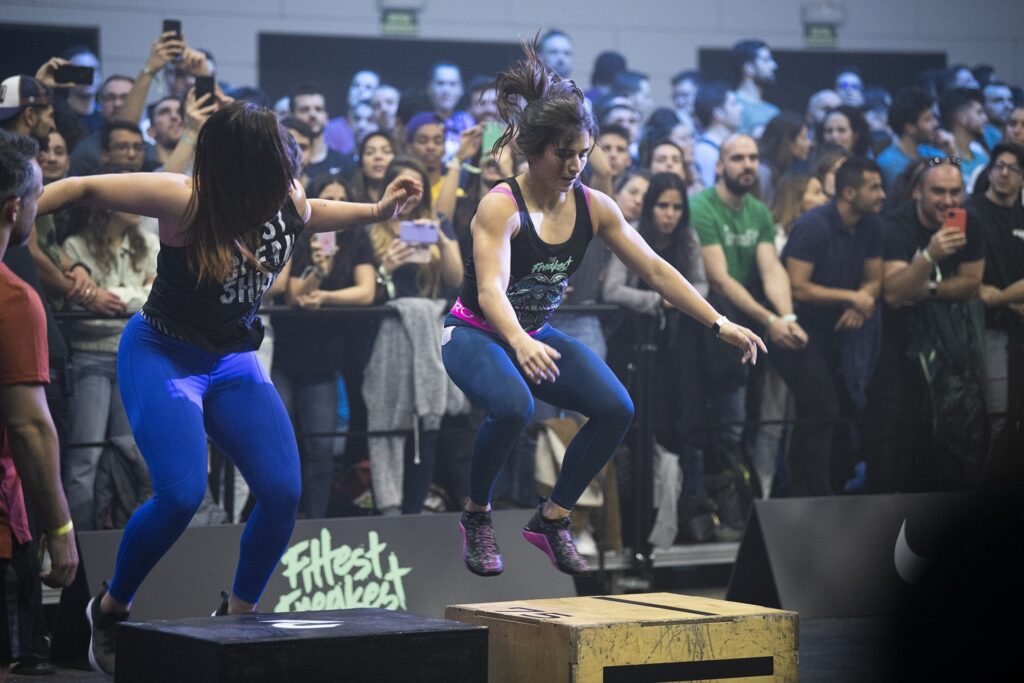
- Pro Tips: Prioritize exercises with heavy weights or power moves like box jumps to stimulate fast-twitch fibers. Aim for low reps, around 4–6 per set, to maximize explosive strength.
3. Concentric Emphasis: Power Up the Lift
- Why It Works: Emphasizing the concentric part of a movement (the lifting phase) will activate the outer quads more effectively.
- Pro Tips: Try lifting with a single leg and lowering with both legs to load the concentric phase. This method ensures twice the load on the outer quads for optimal hypertrophy.
16 Quad Exercises Ranked Worst to Best
Building on the Basics: Advanced Techniques to Intensify Outer Quad Growth
Once you’ve mastered the foundational techniques, these advanced tips can bring even greater growth potential for the vastus lateralis.
4. Hip Internal Rotation
- Why It Works: Internally rotating the hip shifts more of the load to the outer quads, especially the vastus lateralis, by placing it on top of the movement.
- Pro Tips: Focus on foot position during exercises like leg extensions or shallow squats. Turn your feet slightly inward to encourage hip internal rotation.
5. Partial Range of Motion for Shortened Quads
- Why It Works: The vastus lateralis is more engaged during the last half of knee extension. Limiting range of motion to this shortened position increases tension on the outer quads.
- Pro Tips: Start with partial leg extensions, focusing on the top half of the movement. This approach keeps the load consistent on the vastus lateralis.
6. Seated Knee Extensions
- Why It Works: Seated extensions put the rectus femoris (one of the quad muscles) in active insufficiency, meaning it can’t produce much force. As a result, the vastus lateralis picks up more of the work.
- Pro Tips: Try seated extensions instead of lying leg extensions to maximize load on the outer quads.

Add Variety with Unique Movements and Body Positioning
Now let’s look at some unconventional methods that can give you next-level outer quad growth.
7. Dorsiflexed Ankles (Toes Pointed Up)
- Why It Works: Dorsiflexing your feet has been shown to increase activation in the vastus lateralis due to fascial connections.
- Pro Tips: Try doing leg extensions with your toes pulled toward your shins. It may feel subtle, but over time, this adjustment can help target the outer quads even more.
8. Press with Your Hands
- Why It Works: Physically pressing on your outer quads during an exercise activates a proprioceptive feedback loop, improving blood flow and muscle engagement.
- Pro Tips: Press your hand against the outer quad of the active leg during leg extensions to amplify the mind-muscle connection. A simple press can increase activation and improve results.
Bringing It All Together: Combining Techniques for Maximum Growth
Combining multiple techniques in a single movement can exponentially increase the degree of targeted muscle growth. Here are some combos that’ll help you do just that.
9. Shallow Squats with Knees Together
- Why It Works: Combining shallow range with knees together emphasizes the second half of the knee extension, heavily recruiting the vastus lateralis.
- Pro Tips: Keep feet parallel and avoid full depth. This combination gives outer quads a greater workout while sparing the inner quads.
10. Hip Abduction with Knee Extension
- Why It Works: Adding hip abduction or lateral resistance to knee extension increases lateral tension on the knee, which is one of the vastus lateralis’ key functions.
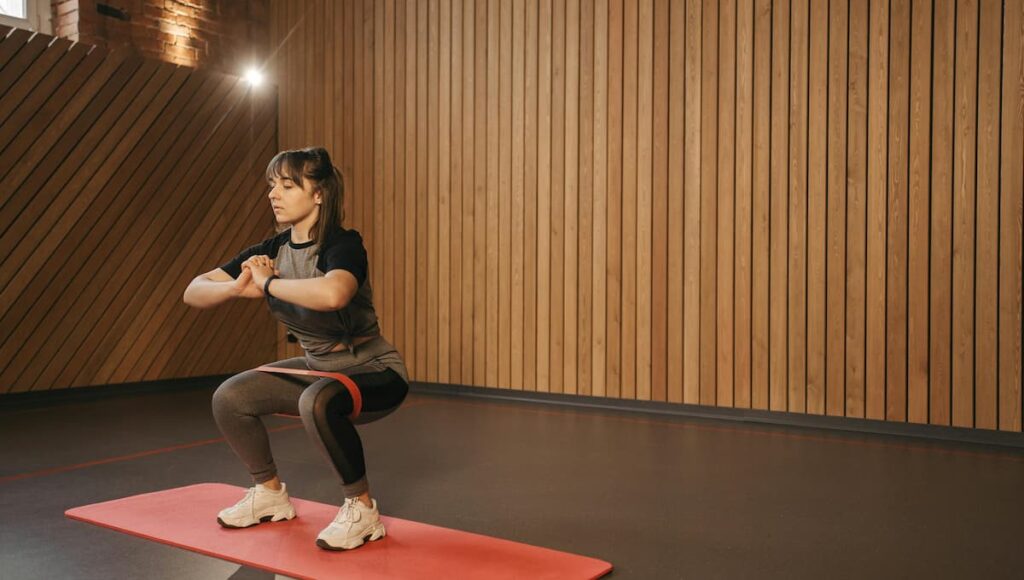
- Pro Tips: Use resistance bands or cables for hip abduction combined with leg extensions. Start light to master the movement and gradually add resistance.
Tailoring Workouts for Balanced Outer Quad Growth
While many of these techniques target specific regions of the vastus lateralis, it’s important to cover the entire muscle for a balanced look and functional strength. Here’s how to balance your outer quad workout for maximum gains.
11. Targeting Different Regions of the Vastus Lateralis
- Why It Works: The vastus lateralis can be worked from different angles to target its upper, middle, or lower regions, creating a balanced and proportional look.
- Pro Tips: Use a variety of exercises that target each part of the vastus lateralis. For example, shallow squats focus on the upper region, while leg extensions and seated knee extensions hit the lower area.
12. Pay Attention to Footwear
- Why It Works: Studies show that the type of shoe worn can influence muscle activation. Shoes with softer soles tend to increase outer quad activation, while rigid soles favour the inner quads.
- Pro Tips: Try different shoes to see what works best for you. Minimalist or softer soles can provide the shift you need for improved outer quad focus.
Final Thoughts: Building Your Outer Quad Routine
Growing your outer quads doesn’t happen overnight, but with these targeted techniques, you can tailor your workouts for faster and more visible results. As you incorporate each of these methods, remember that consistency and patience are key. Try to mix and match techniques, from seated knee extensions with dorsiflexed ankles to shallow squats with internal hip rotation.
While focusing on each movement, listen to your body, adjust as needed, and always prioritise form over weight. Over time, your vastus lateralis will transform, giving you those prominent, powerful outer quads. Remember, the right training strategy for regional hypertrophy means you’re in control of building strength, symmetry, and balance in ways that not only look great but keep you fit and healthy for the long haul. So, go get those gains and feel the difference in every step!
Build Super Strong Legs: 3 Exercises You’ve Never Tried Before