Resistance bands are a versatile and cost-effective tool for fitness enthusiasts of all levels.
Unlike traditional free weights, resistance bands create tension through elasticity, offering a unique dynamic to resistance training that can significantly enhance muscle strength and endurance. They are lightweight, portable, and can be used virtually anywhere, making them an excellent addition to any workout regimen.
Incorporating resistance bands into chest-building exercises provides a plethora of benefits. They allow for a full range of motion, enabling the targeting of muscles that are often neglected by conventional weights.
The constant tension from the bands helps to engage more muscle fibers, leading to enhanced muscle growth and strength. Additionally, resistance bands are particularly useful for improving muscular endurance and joint stability, which are crucial for overall chest development.
This article will guide you through everything you need to know about using resistance bands for building chest muscles.
We’ll start with understanding the different types of resistance bands and how to select the right one for your needs. Following that, we’ll delve into effective chest exercises specifically tailored for resistance band use, including detailed instructions and variations.
We’ll also provide sample workout routines that cater to different fitness levels, from beginners to more advanced users. Finally, we will discuss how to maintain and care for your resistance bands to ensure they remain a durable part of your fitness toolkit. Join us as we explore the dynamic and effective ways to enhance your chest workout using resistance bands.
Understanding Resistance Bands
Resistance bands are not just simple pieces of rubber; they are sophisticated tools designed for a variety of fitness applications. Understanding the different types available and how to safely use them can significantly enhance your workout routine, especially when it comes to building chest muscles.
Types of Resistance Bands and Their Uses
Tube Bands with Handles: These are among the most popular types of resistance bands. They are typically made of rubber tubing and come with handles on each end for better grip during workouts. Tube bands are ideal for chest presses, flys, and other upper body exercises that mimic the movements you might perform with dumbbells.
Loop Bands: These continuous flat loops are highly versatile and are particularly useful for lower body workouts but can be adapted for upper body exercises such as chest presses and pull-aparts. Their simplicity makes them perfect for quick transitions between exercises.
Therapy Bands: These are flat and generally do not form a loop. Therapy bands are softer and lighter, making them suitable for rehabilitation and strength training exercises requiring a gentler approach.
Mini Bands: Also known as hip circles or glute bands, these small loop bands are best for lower body workouts. However, they can also be used for upper body exercises such as arm and shoulder stretches that assist in improving mobility.
Figure-8 Bands: These bands form an “8” shape and have soft handles. They are particularly good for specific exercises like chest flys, where the distinct shape provides excellent grip and control.
Benefits of Using Resistance Bands Over Traditional Weights
Adaptability: Resistance bands can be used to perform almost any type of strength training exercise without the need for heavy weights. You can adjust your stance or grip to increase or decrease resistance instantly.
- Low Impact: The elasticity of resistance bands provides a more joint-friendly workout, reducing the risk of injuries commonly associated with heavy lifting.
- Progressive Resistance: As you stretch the bands further, the resistance increases, challenging your muscles through their entire range of motion—a key factor in promoting muscle growth and strength.
- Portable and Convenient: Easy to pack and use anywhere, resistance bands are ideal for maintaining a workout routine while traveling or when you can’t get to the gym.
Safety Tips When Using Resistance Bands
Inspect Your Bands Regularly: Before each use, check for any signs of wear, tears, or damage. A compromised band can snap and cause injury.
Secure the Bands Properly: When looping bands over a post or through a door anchor, make sure they are firmly secure to prevent slippage that could lead to sudden release.
Wear Appropriate Footwear: Even though many resistance band exercises can be performed barefoot, wearing shoes with good traction can help stabilize your stance and prevent slipping.
Use a Controlled Motion: Execute each exercise with controlled movements to prevent the bands from snapping back abruptly. This control is crucial not only for muscle development but also for safety.
Understanding and respecting the unique qualities of resistance bands will help you safely incorporate them into your chest-building workouts, ensuring effective and sustained progress in your fitness journey.
Getting Started with Resistance Bands
To begin harnessing the potential of resistance bands for building chest muscles, it’s important to choose the right band, set up an effective workout space, and perform warm-ups to prepare your body. Here’s how to get started:
How to Choose the Right Resistance Band for Chest Exercises
- Consider the Resistance Level: Resistance bands come in various resistance levels, typically indicated by color. For chest exercises, you’ll need bands that offer enough resistance to challenge your muscles but not so much that they compromise your form. Beginners should start with lighter resistance, while more experienced users may opt for medium to heavy bands.
- Type of Band: Depending on your preferred exercises, choose a band type that suits your workout. Tube bands with handles are excellent for mimicking gym machines and free weight exercises, while loop bands can offer versatility for a range of movements.
- Quality and Durability: Look for bands made from high-quality, durable materials that can withstand regular stretching. It’s worth investing a bit more in bands that won’t easily snap or lose their elasticity.
Setting Up Your Exercise Space for Optimal Performance
Choose a Suitable Area: Ensure that your workout area is spacious enough to allow for full range of motion in all directions. A space approximately 6 feet by 6 feet should suffice.
Safe Anchoring: If your exercises require you to anchor the band (e.g., for chest presses attached to a door), ensure that the anchor point is stable and secure. Door anchors specifically designed for resistance bands are a safe choice.
Flooring: Use a mat or other soft flooring to protect your feet and provide stability while you perform exercises that involve standing or lying down.
Minimal Obstructions: Keep the area free of clutter and potential hazards that could interfere with your movements or cause injury.
Warm-Up Exercises to Prevent Injury
A proper warm-up increases your heart rate, loosens up your joints, and prepares your muscles for the workout, reducing the risk of injury. Here’s a simple routine you can follow:
General Cardio Warm-Up (5 minutes): Start with light cardio such as jogging in place or jumping jacks to get your blood flowing.
Dynamic Stretches (5 minutes): Include arm circles, shoulder shrugs, and chest openers like alternating arm crosses. These movements help loosen up the upper body, particularly the chest and shoulder areas, which are critical when using resistance bands for chest exercises.
Band-Specific Warm-Up (5 minutes): Perform a few low-intensity exercises with your bands. For example, try band pull-aparts or light chest presses with a very light band to warm up the muscles you’ll be working.
Setting up your space properly, choosing the right band, and conducting a thorough warm-up are foundational steps that will enhance your chest workouts with resistance bands. These preparations help ensure a safe, effective, and enjoyable exercise session.
Effective Chest Exercises Using Resistance Bands
Resistance bands are excellent for targeting the chest muscles through various exercises that can be adapted to suit different fitness levels and goals. Here are some effective chest exercises you can perform with resistance bands:
Chest Press
Setup and Execution: Attach the resistance band to a secure anchor behind you at chest level (e.g., a closed door with a door anchor). Face away from the anchor, gripping the handles with both hands. Step forward until the band has slight tension. Start with your hands at chest level, elbows bent, and palms facing down. Press your arms straight out in front of you, ensuring your hands remain aligned with your chest. Slowly return to the starting position.
Variations:
- Incline Chest Press: To target the upper chest, attach the band lower or sit on your knees. Press upwards as you extend your arms.
- Decline Chest Press: Attach the band higher up or stand on a raised platform to focus on the lower chest. Press downwards as you extend your arms.
Push-Ups with Bands
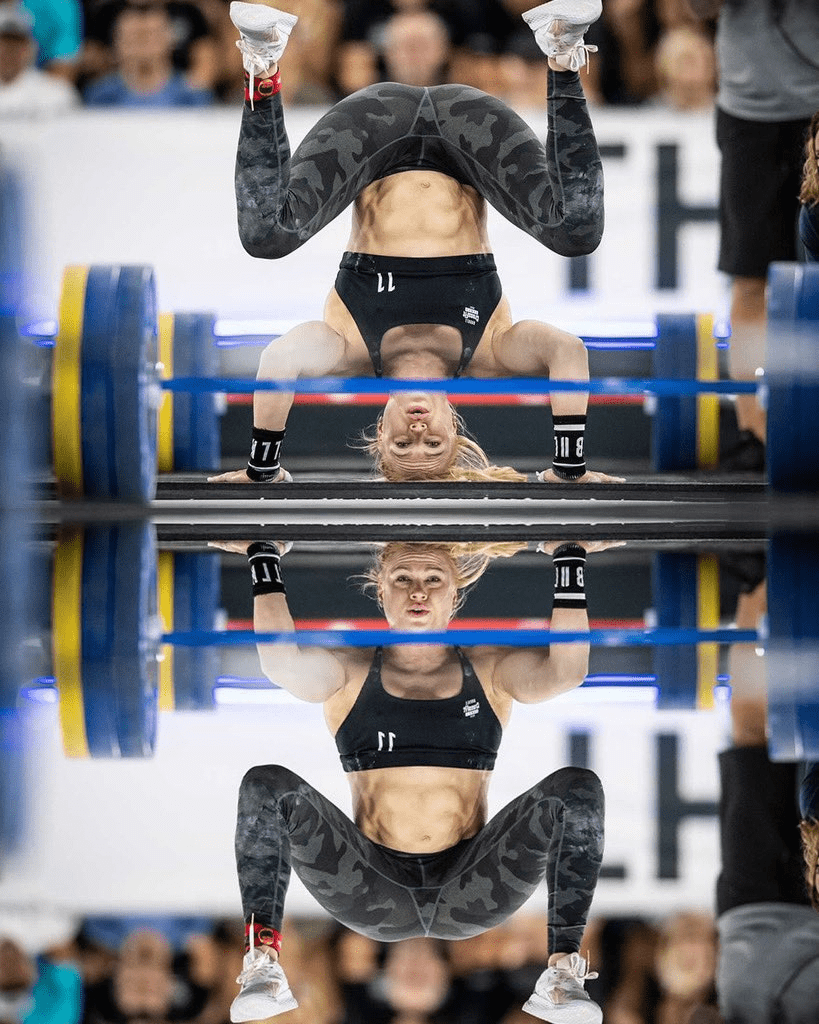
Intensifying Standard Push-Ups: Place a loop band across your back, positioning it along your upper arms. Perform push-ups as usual; the band will increase resistance as you rise, making the exercise more challenging.
Tips for Form and Effectiveness:
- Keep your body in a straight line from head to heels.
- Engage your core and glutes throughout the movement to maintain stability.
- Lower yourself until your chest nearly touches the ground for full range of motion.
Chest Fly
Step-by-Step Guide: Anchor the band at chest level behind you. Grip each end and step forward to create tension. With a slight bend in your elbows, extend your arms to the sides and then bring them together in front of your chest, like hugging a large tree. Control the motion as you return to the starting position.
Adjusting Resistance and Angle: Increase resistance by stepping further forward or using a heavier band. Perform the exercise at different angles to target various parts of the chest—higher for upper chest and lower for the lower chest.
Standing Chest Press
Execution: Similar to the seated chest press, but performed while standing. Anchor the band at chest level, face away from the anchor, and press the handles forward. Keep your posture upright and your feet shoulder-width apart.
Benefits Over Traditional Chest Press:
- Increased Core Engagement: Standing requires you to stabilize your body and engage your core, enhancing the overall workout intensity.
- Functional Movement: This exercise mimics real-world activities and sports movements, improving not just strength but also functional fitness.
Incorporating these exercises into your routine will help develop strength, endurance, and muscle tone in the chest area using resistance bands. They allow for flexibility in resistance and movement, making them a beneficial addition to any fitness regimen.
Workout Routines Using Resistance Bands for Chest Development
Resistance band workouts can be tailored to fit different fitness levels. Here, we provide structured routines for beginners and intermediate users, along with tips for progressing and increasing intensity over time.
Sample Beginner Workout Routine
This routine focuses on basic movements to build strength and familiarity with resistance band exercises:
Warm-Up (5-10 minutes):
- Light jogging or jumping jacks
- Dynamic stretches (arm circles, chest openers)
Workout:
- Chest Press: 3 sets of 12-15 reps
- Push-Ups with Bands: 3 sets of 8-10 reps
- Standing Chest Press: 3 sets of 12-15 reps
- Chest Fly: 3 sets of 12-15 reps
Cool Down (5-10 minutes):
- Stretch arms, shoulders, and chest
- Light walking or static stretching to bring the heart rate down
This routine should be performed 2-3 times per week, ensuring at least one day of rest between sessions.
Intermediate Workout Plan
For those who are more experienced, this plan includes increased intensity and more complex exercises to further enhance muscle growth and endurance:
Warm-Up (10 minutes):
- Moderate-intensity cardio (jump rope or brisk walking)
- Dynamic stretches focusing on full range of motion
Workout:
- Incline Chest Press: 3 sets of 10-12 reps
- Decline Push-Ups with Bands: 3 sets of 12-15 reps
- Single-Arm Chest Fly: 3 sets of 10 reps per arm
- Chest Press with Quick Release: Perform a regular chest press but release quickly and return slowly; 3 sets of 10 reps
Cool Down (10 minutes):
- Deep stretching focusing on flexibility and muscle relaxation
- Breathing exercises to aid recovery
This routine should be conducted 3-4 times per week with at least one day of rest between sessions to allow for muscle recovery.
Tips for Progressing and Increasing Intensity Over Time
Increase Resistance: As you grow stronger, use bands with higher resistance to keep the exercises challenging.
Alter Reps and Sets: Start by increasing the number of repetitions per set, then increase the number of sets, and finally decrease the rest time between sets for added intensity.
Incorporate Variations: Change the angle of execution or try new exercises to target muscles differently and prevent plateaus.
Control Tempo: Slowing down the execution of each exercise phase (e.g., taking longer to return to the start position) can significantly increase muscle tension and growth.
Combine Techniques: Integrate drop sets or supersets into your routine by performing two exercises back-to-back with little to no rest in between.
Following these routines and adjusting them as you progress will help you effectively build strength and mass in your chest using resistance bands. Remember, consistent effort and proper form are key to achieving your fitness goals.
Combining Resistance Band Workouts with Other Exercises
Incorporating resistance band exercises into a comprehensive fitness program can enhance overall strength, flexibility, and endurance. Resistance bands offer a unique form of resistance that can complement weight training, bodyweight exercises, and cardiovascular activities.
Here’s how to integrate resistance band workouts effectively and identify complementary exercises to further enhance chest development.
Integrating Resistance Band Exercises
Hybrid Workouts: Combine resistance band exercises with free weights or bodyweight routines for a balanced workout. For example, after completing a set of bench presses with weights, use resistance bands for chest flies. This approach helps in targeting the muscles from various angles and intensities.
Circuit Training: Design circuits that include a mix of resistance band exercises, bodyweight exercises, and light cardio. For chest development, you could create a circuit with push-ups, band chest presses, jump rope, and planks. This type of training keeps the heart rate up and maximizes calorie burn while focusing on muscle growth.
Supersets: Pair resistance band exercises with complementary movements that use different equipment or target opposing muscle groups. A superset might involve doing a set of resistance band chest presses immediately followed by pull-ups to work the back, promoting balanced upper body strength.
Flexibility and Recovery: Incorporate resistance bands into your stretching routine to enhance range of motion and reduce the risk of injury. Bands can help in performing assisted stretches for the chest, shoulders, and arms, which is beneficial after intense workouts.
Complementary Exercises for Chest Development
To build a well-rounded chest, integrate the following exercises that complement resistance band workouts:
Weight Training:
- Bench Press: Targets the entire chest area and builds overall mass.
- Dumbbell Flyes: Helps to stretch and contract the chest muscles at different angles, promoting definition.
- Incline/Decline Presses: Focus on the upper and lower parts of the chest, respectively.
Bodyweight Exercises:
- Dips: Target the lower chest and triceps. Performing dips on parallel bars with a forward lean emphasizes the chest.
- Diamond Push-Ups: These push-ups target the inner chest and triceps, adding to the chest’s overall development.
Core and Stability Training:
- Planks: While primarily a core exercise, maintaining a plank position helps stabilize the upper body, which benefits chest strength.
- Medicine Ball Throws: These explosive movements engage the chest through dynamic, powerful throws, enhancing muscular power and coordination.
Cardiovascular Exercises:
- Rowing: An excellent full-body cardio workout that includes an upper body component heavily involving the chest and back.
- Swimming: Breaststroke and freestyle swimming are great for working the chest muscles in a low-impact manner.
By combining resistance bands with these varied exercises, you can create a comprehensive fitness program that not only builds chest muscle but also enhances overall physical fitness.
Mixing different types of training will keep the workouts interesting and the body guessing, which is key to overcoming plateaus and continuing to make progress.
Conclusion
Resistance bands offer a versatile, effective, and accessible means of enhancing your fitness routine, particularly when it comes to building and strengthening the chest muscles.
Whether you’re a beginner looking to establish a solid foundation or an intermediate exerciser aiming to intensify your workouts, resistance bands provide a range of exercises that can be tailored to your fitness level and goals.
By incorporating the chest exercises outlined in this article—such as chest presses, push-ups with bands, chest flies, and standing chest presses—you can target different areas of the chest for balanced growth and improved muscle definition.
The beauty of resistance bands lies not only in their flexibility and portability but also in their ability to integrate seamlessly with other forms of exercise, from weightlifting to bodyweight routines and beyond. This integration enables a holistic approach to fitness that promotes strength, endurance, and overall health.
Remember to pay close attention to form and safety to maximize the benefits of your workouts and prevent injury. As you progress, continue challenging yourself by increasing the resistance of the bands, adding more complex exercises, and mixing your routines to keep your workouts dynamic and engaging.
With consistent effort and the strategic use of resistance bands, you are well on your way to achieving a stronger, more resilient body with a well-developed chest that not only performs optimally but also looks great.
So, grab your bands and start your journey toward achieving your chest-building goals today!