Squatting is a cornerstone exercise in many fitness routines, yet it’s often done incorrectly. At the Arnold Schwarzenegger Classic Expo, Jared Feather, IFBB Pro analyzed hundreds of squats at the Renaissance Periodization booth. We discovered three key tips that can drastically improve your squat form. Let’s delve into these tips to help you squat better and safer.
Tip #1: Proper Toe Angle and Knee Alignment
Toe Angle
One of the most common mistakes is improper toe positioning. Most people do not point their toes out enough. Ideally, your toes should be angled outwards at about 45 degrees. This might feel strange at first, as it differs from our natural stance when running or jumping, but it’s crucial for an effective squat.
Knee Alignment
Aligning your knees with your toes is equally important. As you lower into the squat, your knees should track outward, aligning with your toes. This alignment maintains stability and allows for a deeper squat, preventing the knees from caving inward, which can lead to improper form and injury.
Practical Application
When adjusting your squat stance, start by positioning your feet shoulder-width apart and angling your toes outwards to about 45 degrees. Focus on pushing your knees outward in line with your toes as you descend. This setup helps maintain a stable base and improves the overall mechanics of the squat.
Tip #2: Controlled Descent and Pause
Rep Speed
A prevalent issue is descending too quickly into the squat. Fast descents can cause you to bounce off your tendons and lose control, making it difficult to maintain proper form. Instead, descend slowly and consider pausing at the bottom.
Benefits of a Slow Descent
A slow descent allows you to feel and correct your body’s position better. It enhances proprioception—your body’s sense of its position in space. By pausing at the bottom, you give your brain time to recalibrate and learn the proper squat position. This method also helps you focus on keeping your knees pushed out and maintaining even weight distribution.
Practical Application
When performing squats, lower yourself slowly, taking about 3-4 seconds to reach the bottom. Pause for a brief moment at the bottom to stabilize and ensure proper alignment. This technique not only improves form but also increases the time under tension, benefiting muscle growth and strength.
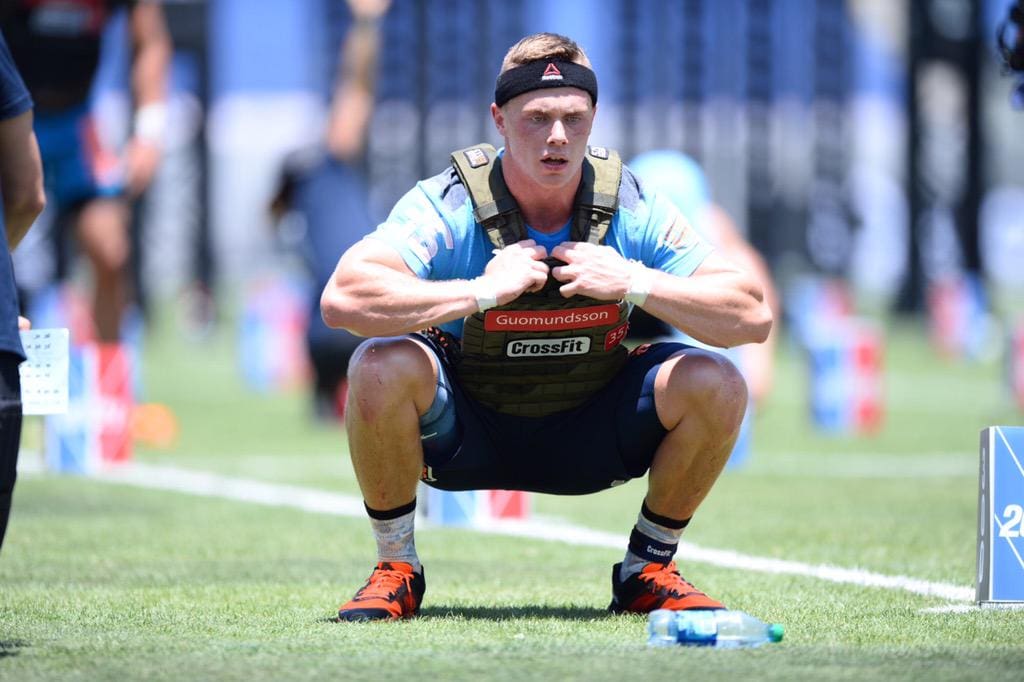
Tip #3: Maintaining Chest Position
Avoid Back Rounding
Another frequent mistake is rounding the back or letting the chest cave in at the bottom of the squat. This typically happens when leaning too far forward or sitting back excessively on the heels. To correct this, keep your chest up and maintain a neutral spine throughout the movement.
Technique for Different Squat Styles
For low bar squats or if you have a pronounced arch (lordosis), maintaining an elevated chest may not be ideal. However, for most hypertrophy or bodybuilding squats, keeping your chest up and looking forward or slightly up is essential.
Practical Application
Focus on keeping your chest up and spine neutral, especially as you approach the bottom of the squat. This posture helps prevent lower back rounding and ensures a more effective lift. Engage your core and upper back muscles to support this position.
Implementing the Tips
Step-by-Step Application
- Toe Position: Adjust your toes to point outwards at a 45-degree angle.
- Knee Tracking: Ensure your knees move outward in line with your toes as you descend.
- Controlled Descent: Lower yourself slowly, focusing on maintaining proper form.
- Pause: Hold the bottom position briefly to enhance body awareness and form correction.
- Chest Position: Keep your chest up and spine neutral, especially at the bottom of the squat.
Practical Example
At the Arnold Expo, we saw significant improvements in squat form by applying these tips. For instance, one lifter initially had poor depth and knee alignment. After adjusting their toe angle, knee tracking, and descent speed, their squat depth and form improved dramatically within just a few minutes.

Perfecting your squat can seem challenging, but by focusing on these three key tips—proper toe angle and knee alignment, controlled descent with a pause, and maintaining chest position—you can make substantial improvements quickly. Whether you’re training yourself or coaching others, these cues are powerful tools to enhance squat performance and safety.
Remember, practice makes perfect. Apply these tips consistently, and over time, your squats will become more efficient and effective. Happy squatting!
For more in-depth fitness tips and techniques, check out the original video on YouTube.
You will also like:
3 Problems with the Back Squat and Why it Might Not be Right for You