


The Body Mass Index (BMI) has long been the standard metric for assessing body fat and predicting associated health risks. However, its accuracy has been increasingly questioned due to its inability to distinguish between muscle and fat mass. As a result, researchers have developed the Body Roundness Index (BRI), a novel measurement that may offer a more accurate assessment of body fat distribution and related health risks.
What is the Body Roundness Index?
The Body Roundness Index (BRI) is a novel anthropometric measure designed to provide a more accurate assessment of body fat distribution compared to traditional methods like the Body Mass Index (BMI). Developed to address BMI’s limitations, BRI incorporates both height and waist circumference to evaluate the shape of the body. This focus on the body’s roundness, particularly around the waist area, helps in identifying the accumulation of visceral fat, which is a significant indicator of various health risks.
BRI is calculated using the following formula:

WC stands for waist circumference. This formula is designed to provide a score that more accurately reflects an individual’s body fat distribution and potential health risks associated with it.
14 Tricks to Lose Belly Fat Effortlessly

Benefits of BRI Over BMI
- Improved Indicator of Fat Distribution:
- Visceral Fat Measurement: BRI is a better indicator of fat distribution, especially visceral fat, which is more closely associated with health risks such as cardiovascular diseases and diabetes. Unlike BMI, which cannot differentiate between muscle and fat mass, BRI provides a clearer picture of body fat distribution.
- Predictive Accuracy: Studies have shown that BRI can predict cardiovascular diseases and overall mortality more effectively than BMI. This is because it takes into account the distribution of fat, particularly in the abdominal region, which is a critical factor in assessing health risks.
- Hypertension Prediction:
- Comparison with Other Indices: While BRI performs similarly to waist-to-height ratio (WHtR) and waist circumference (WC) in predicting hypertension, it outperforms BMI in this regard. Hypertension is a significant risk factor for various cardiovascular conditions, and BRI’s ability to predict it more accurately underscores its utility in clinical settings.
- Comprehensive Health Assessment:
- Overall Health Risks: BRI has been found to be a more comprehensive measure when assessing health risks compared to BMI. This includes better predictions of all-cause mortality and specific diseases related to fat distribution, such as diabetes and cardiovascular diseases.
Healthy Numbers for Body Roundness Index
The BRI scale ranges from 1 to 20, where 1 indicates a narrower body shape and 20 represents a more rounded, circular body shape. Generally, a lower BRI score indicates a healthier body shape with less visceral fat. For instance, a BRI score around 2.6 is considered to be in the healthy zone.
This range is determined by comparing individual BRI scores with established healthy body fat percentage cutoffs and models relating BRI to body fat and visceral adipose tissue
Limitations and Considerations
While BRI presents several advantages, it is not without limitations. For example, its accuracy can still be influenced by factors such as age, sex, and ethnicity, which means it may not be a one-size-fits-all solution. Furthermore, more longitudinal studies are needed to fully establish its efficacy across diverse populations.
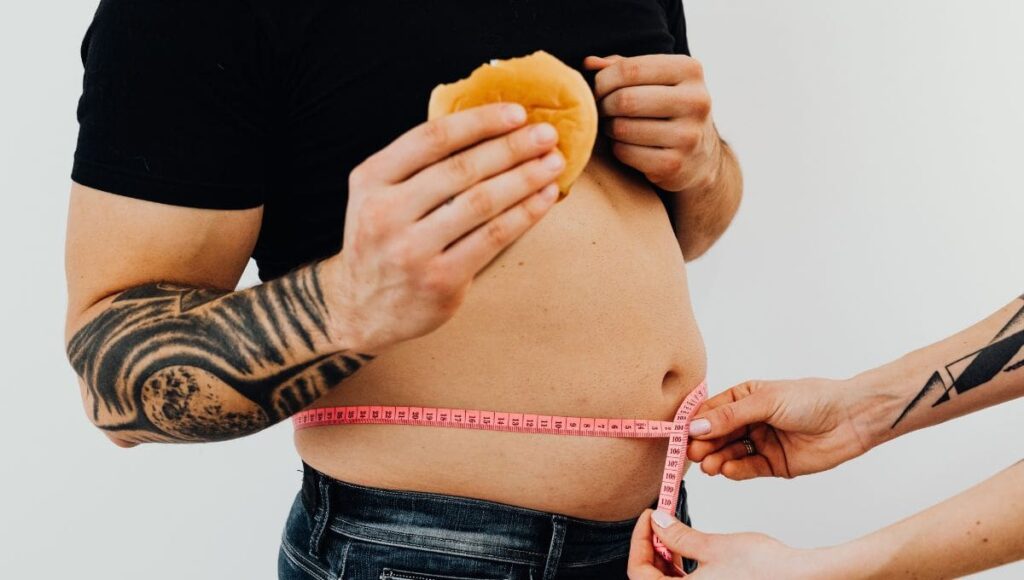
The Body Roundness Index (BRI) offers a more nuanced and accurate assessment of body fat distribution and associated health risks compared to the traditional Body Mass Index (BMI). By incorporating height and waist circumference, BRI provides a clearer picture of visceral fat accumulation, which is a critical factor in predicting cardiovascular diseases, hypertension, and overall mortality. Although more longitudinal studies are needed to fully establish its efficacy across diverse populations, current research indicates that BRI could become a valuable tool in clinical settings for assessing obesity and related health issues.
Read Also: Does Late-Night Eating Disrupt Metabolism?


