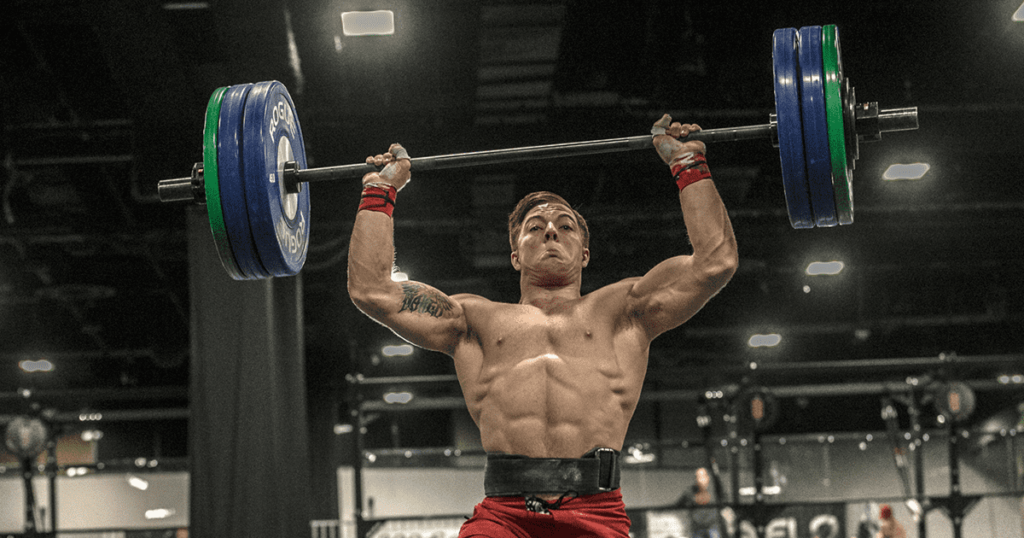
Water retention, also known as fluid retention or oedema, is a common condition that occurs when excess fluids build up in the body’s tissues. Many people associate this temporary swelling with weight gain and wonder whether water retention is the reason they appear “fat”. While fluid retention can indeed cause bloating and weight fluctuations, it is not the primary cause of fat accumulation. The distinction between true body fat and water retention is essential for understanding why someone might feel overweight or look larger than usual.
Table of Contents
What Is Water Retention?
Water retention is when the body holds on to extra water in the tissues, often leading to swelling in areas such as the ankles, legs, feet, and even the face. Several factors can lead to water retention, such as high salt intake, hormonal fluctuations, prolonged sitting or standing, certain medications, and even underlying medical conditions like heart or kidney disease. Most cases of water retention are benign and temporary, resolving once the underlying cause is addressed.

Understanding the Difference: Water Weight vs. Body Fat
It’s essential to differentiate between water weight and body fat when discussing weight gain and its causes. Body fat is stored energy that accumulates when a person consumes more calories than they burn. This excess energy is converted into fat and stored in fat cells throughout the body. Fat accumulation happens gradually and typically requires a sustained caloric surplus over time.
Water weight, on the other hand, is the result of fluid accumulating in the tissues. It can cause a temporary increase in weight, but it doesn’t reflect long-term changes in body composition. You may wake up one morning feeling heavier or bloated due to fluid retention, but this water weight can be shed within days or even hours by adjusting your diet, activity level, or other factors.
How Bad is Tap Water for Health?
Causes of Water Retention
- High Sodium Intake A diet high in sodium is a common cause of water retention. Sodium helps regulate fluid balance in the body, but when consumed in excess, it can lead to fluid being trapped in tissues. This is often seen in people who eat processed or salty foods regularly, as these foods are notorious for their high sodium content.
- Hormonal Changes Hormonal fluctuations, particularly during the menstrual cycle, can lead to water retention. Many women experience bloating and swelling in the days leading up to their period due to shifts in hormones such as progesterone and oestrogen. This can make them feel heavier and more bloated than usual.
- Prolonged Sitting or Standing Staying in one position for extended periods, whether sitting or standing, can cause fluid to accumulate in the lower limbs due to gravity. This is often seen in people with sedentary jobs or those who stand for long periods without moving. The lack of movement can prevent the fluid from being circulated and eliminated effectively.
- Medication Certain medications, including corticosteroids, nonsteroidal anti-inflammatory drugs (NSAIDs), and some blood pressure medications, can cause water retention as a side effect. These drugs can affect the body’s ability to regulate fluid balance, leading to swelling and temporary weight gain.
- Underlying Health Conditions Health conditions such as heart failure, kidney disease, and liver disease can cause the body to retain excess fluid. These conditions impair the body’s ability to eliminate water effectively, leading to persistent oedema and swelling. In these cases, water retention is a symptom of a more severe issue and should be evaluated by a healthcare professional.
How Water Retention Affects Your Appearance and Weight
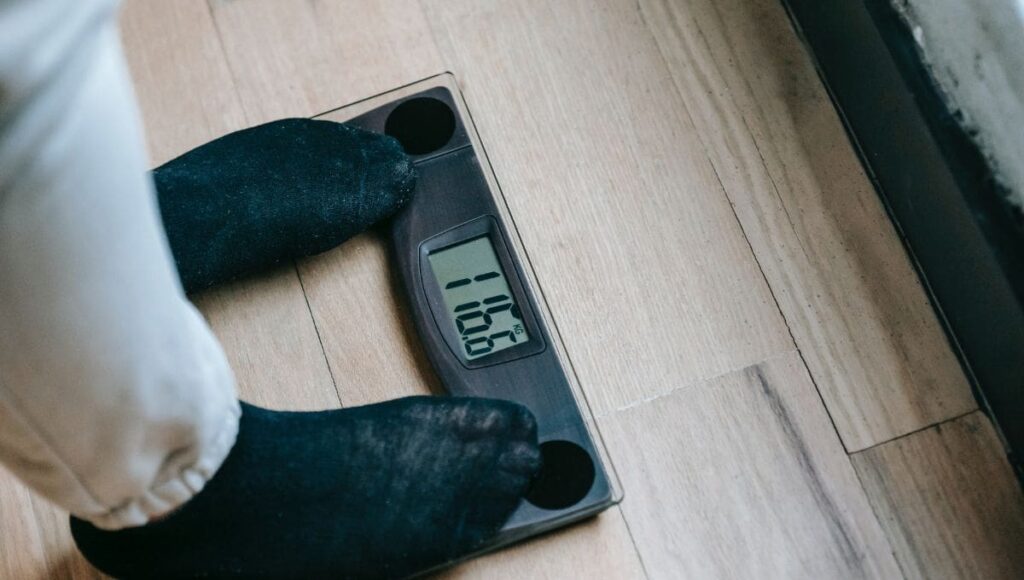
Water retention can make you feel bloated, puffy, and swollen, often leading to the perception that you have gained weight. This can be especially noticeable in the face, abdomen, and extremities. However, this type of weight gain is usually temporary and fluctuates throughout the day based on factors such as hydration, diet, and activity levels.
Water retention may cause the number on the scale to go up, but it does not reflect an increase in body fat. This distinction is important because losing water weight does not equate to fat loss. Once the underlying cause of the water retention is resolved, your weight will likely return to normal.
5 Fat Loss Supplements That Actually Work
Is Water Retention Making You Look Fat?
The perception that water retention is making you look “fat” is common, but it is not entirely accurate. While fluid retention can cause temporary bloating and swelling, this is different from having excess body fat. The key to distinguishing between the two is to recognise the characteristics of water retention:
- Rapid Onset: Water retention can cause a noticeable increase in weight and puffiness over a short period, often within a day or two. Body fat, on the other hand, accumulates more gradually over weeks or months.
- Fluctuation: Water weight fluctuates more frequently and can vary throughout the day based on your diet, hydration levels, and physical activity. Fat gain, in contrast, does not fluctuate as dramatically in the short term.
- Location: Water retention typically causes swelling in specific areas such as the face, hands, feet, and legs. Fat accumulation tends to be more evenly distributed and doesn’t change dramatically day-to-day.
How to Manage Water Retention
If you suspect water retention is affecting your weight or appearance, several lifestyle changes can help alleviate the symptoms:
- Reduce Sodium Intake Lowering your sodium intake is one of the most effective ways to prevent and manage water retention. Eating fresh, whole foods and avoiding processed items high in salt can make a significant difference.
- Stay Hydrated Drinking plenty of water helps the body maintain a proper fluid balance. When you’re dehydrated, the body may retain water in an attempt to preserve fluid, leading to bloating. Aim for at least eight glasses of water per day to help flush out excess sodium and reduce fluid retention.
- Exercise Regularly Physical activity promotes circulation and helps the body eliminate excess fluids through sweat and increased blood flow. Regular exercise also reduces inflammation, which can contribute to fluid retention.
- Increase Potassium Intake Potassium helps balance sodium levels in the body and can reduce water retention. Foods high in potassium include bananas, avocados, sweet potatoes, and leafy greens. Incorporating these into your diet can help mitigate the effects of high sodium intake.
- Elevate Your Legs If water retention is causing swelling in your lower limbs, elevating your legs can help reduce fluid buildup. This can be particularly beneficial if you have a job that requires long periods of sitting or standing.
- Avoid Refined Carbohydrates Refined carbs can cause spikes in insulin levels, which may lead to water retention. Reducing your intake of foods like white bread, pasta, and sugary snacks can help stabilise your blood sugar and reduce bloating.

When to Seek Medical Help
While most cases of water retention are temporary and benign, persistent or severe fluid retention could indicate an underlying health issue. If you experience prolonged swelling, shortness of breath, or rapid weight gain, it is essential to consult a healthcare professional to rule out more serious conditions such as heart, kidney, or liver problems.
Read More: How to Eat for Performance Vs Health Vs Looks?
Conclusion: Water Retention Is Not the Same as Fat Gain
In summary, water retention can indeed make you feel and appear heavier, but it is not the same as fat accumulation. Temporary water weight is often the result of dietary choices, hormonal changes, or lifestyle factors, and it can fluctuate significantly over short periods. While it may cause bloating and discomfort, it does not contribute to long-term fat gain.
Understanding the difference between water retention and body fat is crucial for anyone concerned about their weight. If you are dealing with fluid retention, focusing on dietary changes, hydration, and exercise can help alleviate the symptoms. However, if you are genuinely concerned about body fat, it’s essential to address the underlying factors such as diet, exercise, and overall energy balance.
Key Takeaways Table
| Key Point | Summary |
|---|---|
| Water Retention Definition | Temporary buildup of fluid in the body’s tissues. |
| Body Fat vs. Water Weight | Fat is stored energy from excess calories; water weight is temporary fluid accumulation. |
| Common Causes of Water Retention | High sodium intake, hormonal changes, prolonged sitting/standing, medications, underlying health conditions. |
| Symptoms of Water Retention | Rapid swelling, bloating, and weight fluctuation. |
| Managing Water Retention | Reduce sodium, stay hydrated, exercise, increase potassium, elevate legs, avoid refined carbs. |
| When to Seek Medical Help | Persistent swelling or symptoms of a serious condition like heart or kidney disease. |
| Water Retention vs. Fat Gain | Water retention is temporary and fluctuating, not related to long-term fat gain. |