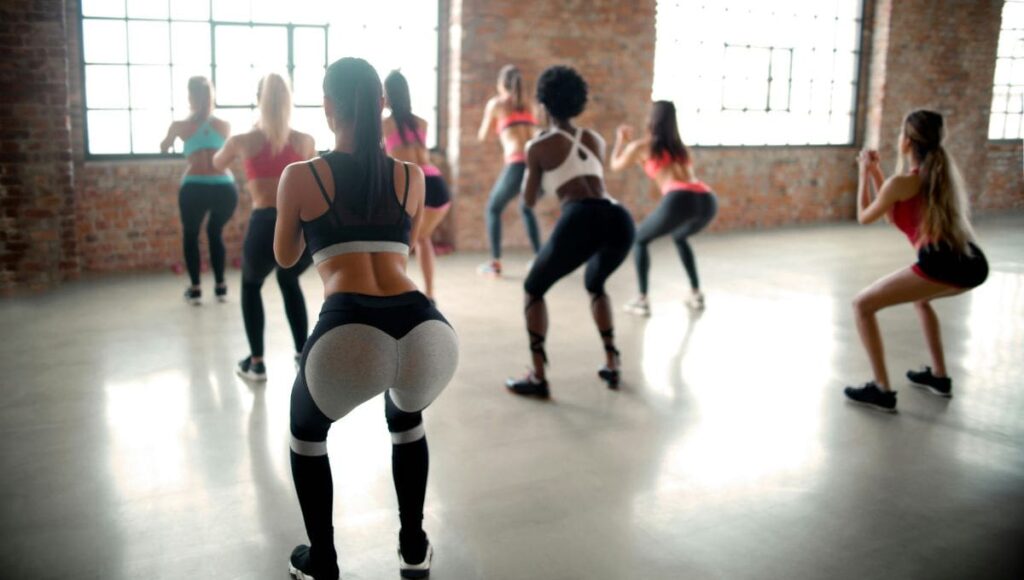
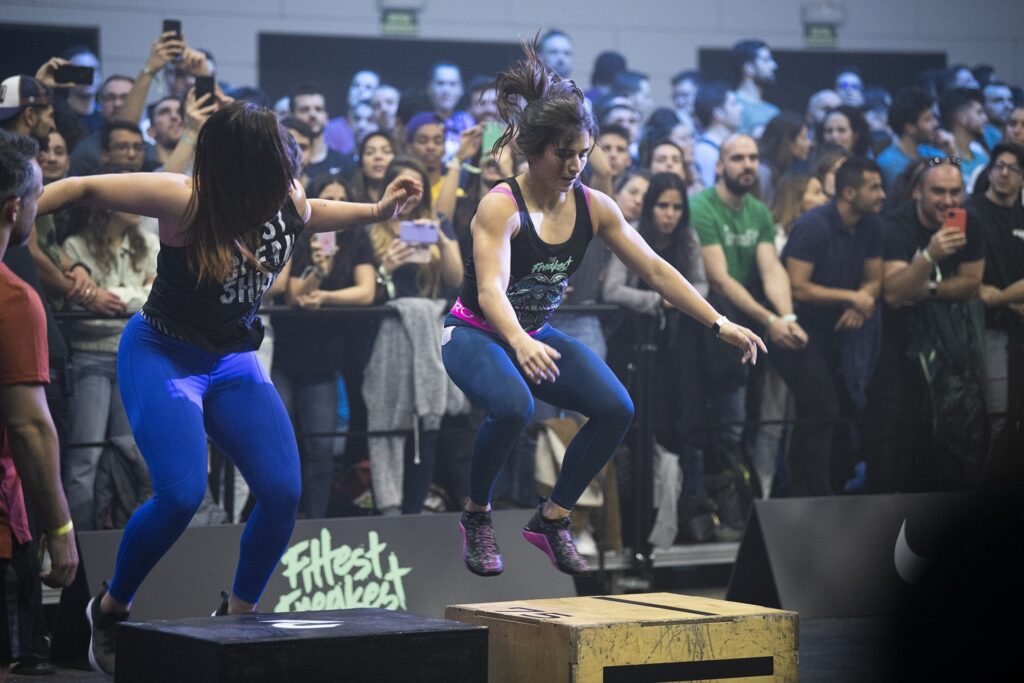
Building stronger glutes is not just about aesthetic goals; it’s about improving athletic performance, enhancing posture, preventing injury, and optimizing movement. One of the most enduring debates in strength training circles is whether isolation or compound lifts are more effective for glute development.
In this article, we’ll explore both approaches in depth, compare their effectiveness using scientific evidence, and provide actionable guidance on how to program your training for optimal glute growth and strength.
What Are Isolation and Compound Lifts?
Isolation Lifts Defined
Isolation exercises involve movement at a single joint and are designed to target one specific muscle group. When training glutes, common isolation lifts include:
- Hip thrusts
- Cable kickbacks
- Glute bridges
- Quadruped hip extensions
- Side-lying abductions
These exercises aim to recruit the gluteus maximus, medius, or minimus with minimal involvement from surrounding muscle groups.
Compound Lifts Defined

Compound lifts involve multiple joints and engage several muscle groups simultaneously. Popular compound exercises for glute training include:
- Squats
- Deadlifts
- Lunges
- Step-ups
- Bulgarian split squats
While these lifts activate the glutes, they also engage the quads, hamstrings, core, and even upper body stabilizers depending on the variation.
Anatomy of the Glutes and Why It Matters
The gluteal complex consists of three muscles:
- Gluteus Maximus: The largest and most powerful, primarily responsible for hip extension and external rotation.
- Gluteus Medius: Located on the side of the hip, it assists in hip abduction and stabilization.
- Gluteus Minimus: The smallest, assisting the medius in stabilization and abduction.
To develop strong and functional glutes, all three must be adequately stimulated. Compound and isolation lifts impact these muscles differently depending on biomechanics, range of motion, and load.
Muscle Activation: Isolation vs Compound for Glutes
Electromyographic (EMG) Studies
EMG studies measure muscle activation levels during exercise. Several studies have evaluated the gluteal muscle response to both isolation and compound movements:
- Bret Contreras et al. (2015) found that the barbell hip thrust—a glute-focused isolation lift—elicited significantly higher gluteus maximus EMG activity compared to the back squat, Romanian deadlift, and lunge.
- Another study by Andersen et al. (2006) demonstrated that although squats activate the glutes, the involvement of the quadriceps often takes dominance, especially in individuals with certain anatomical structures or mobility limitations.
- Delgado et al. (2019) reported that glute bridges and quadruped hip extensions produced more targeted activation of the gluteus maximus than compound lifts but were limited by the amount of load that could be applied.
Load and Intensity
Isolation lifts often cannot be loaded as heavily as compound lifts, limiting their ability to drive progressive overload—a key driver of hypertrophy. However, because they target the glutes more directly, they can cause higher activation relative to the effort exerted.
In contrast, compound lifts allow for greater absolute loads, which may stimulate overall muscle growth through systemic stress and hormonal response, even if glute activation per se is slightly lower.
Training Goals: Strength, Hypertrophy, or Function?
Strength Gains
If the goal is maximum strength output, especially in athletic contexts like powerlifting or sports performance, compound lifts are indispensable. The ability to lift heavy in squats and deadlifts translates into more robust neuromuscular adaptations.

A study by Schoenfeld et al. (2016) showed that heavy compound lifts such as squats and deadlifts produced significant strength gains in both trained and untrained individuals, partly due to enhanced motor unit recruitment and neural efficiency.
Hypertrophy
Glute hypertrophy requires mechanical tension, muscle damage, and metabolic stress. Both isolation and compound lifts contribute here:
- Isolation exercises like hip thrusts and kickbacks generate high tension specifically in the glutes.
- Compound lifts contribute through overall load and range of motion.
A study by Martín-Fuentes et al. (2020) concluded that combining both modalities yielded superior hypertrophic outcomes compared to either approach alone.
Functional Training and Movement Patterns
Strong glutes are essential for hip extension, stabilization during gait, and maintaining lumbar health. Compound lifts are more transferable to real-world and athletic movements. They train the glutes in coordination with the hamstrings, quads, and core.
However, isolation lifts are valuable in correcting imbalances, enhancing mind-muscle connection, and targeting weak links without overloading other structures.
Recovery and Fatigue Considerations
Compound lifts create a higher systemic fatigue due to their complexity and load. Recovery demands are higher, meaning frequency may be limited. Isolation lifts are easier to recover from, allowing more frequent glute stimulation.
A study by Gentil et al. (2017) found that lower-fatigue isolation work performed more frequently can contribute to hypertrophy without interfering with recovery.
Programming Strategy: Best of Both Worlds
An intelligent training program for glute development should integrate both types of lifts:
Phase 1: Activation and Isolation
Use isolation exercises to prime the glutes before heavy lifting. This enhances recruitment during compound movements.
Example:
- Banded clamshells
- Quadruped hip extensions
- Glute bridges
Phase 2: Heavy Compound Work
Follow up with compound lifts that allow for progressive overload:
- Back or front squats
- Romanian deadlifts
- Bulgarian split squats
Use 3–6 reps for strength or 6–12 for hypertrophy, focusing on form and depth.
Phase 3: High-Rep Isolation Burnout
Finish with high-rep isolation work to induce metabolic stress and increase time under tension.
- Cable kickbacks: 3 sets of 15–20
- Hip abduction machine: 3 sets of 20–25
Frequency and Volume
Train glutes 2–4 times per week, with a mix of compound and isolation lifts. Volume should align with experience:
- Beginners: 10–12 sets/week
- Intermediate: 12–18 sets/week
- Advanced: 18–24 sets/week
Gender Differences and Glute Training
Women often respond well to higher reps and volume for glutes due to greater type I muscle fiber distribution and better fatigue resistance. However, both men and women benefit from combining heavy compounds and targeted isolation.
[wpcode id=”229888″]A study by Campos et al. (2002) confirmed that fiber-type composition influences how individuals respond to different rep schemes, reinforcing the benefit of varied training.
Common Myths Debunked
Myth: Squats Are the Best Glute Builder
While squats are excellent, EMG data consistently shows that exercises like the hip thrust elicit greater glute activation. Moreover, individual anthropometrics (e.g., femur length) can shift emphasis to the quads or back during squats.
Myth: Isolation Exercises Are Useless for Strength
Though isolation exercises do not develop maximal strength across multiple joints, they strengthen the glutes in positions and ranges often missed in compounds. This supplemental strength enhances compound lift performance.
Myth: You Can Only Grow Glutes With Heavy Loads
Studies have demonstrated that hypertrophy can be achieved with lighter loads (30–50% 1RM) as long as sets are taken near failure. This makes high-rep isolation work a valid strategy.
Practical Recommendations
- Use isolation lifts to correct imbalances, increase activation, and build mind-muscle connection.
- Prioritize compound lifts for strength and overall muscle growth.
- Sequence workouts from activation → heavy compounds → high-rep isolation.
- Train glutes multiple times per week, adjusting volume and intensity to your level.
- Vary movement planes (horizontal and vertical) to hit all gluteal fibers.
- Monitor recovery; alternate high-load days with low-load or isolation-only sessions.
Final Verdict: Which Is Better?
The question isn’t whether isolation or compound lifts are better—it’s how they work together. Compound lifts lay the foundation for strength and total muscular development. Isolation exercises refine that foundation by ensuring complete, targeted glute stimulation. The synergy between them delivers the best results.
Bibliography
Andersen, V., Fimland, M.S., Wiik, E., Skoglund, A. and Saeterbakken, A.H., 2006. Effects of squats vs hip thrusts on gluteal hypertrophy and strength. European Journal of Applied Physiology, 96(5), pp.584–592.
Campos, G.E.R., Luecke, T.J., Wendeln, H.K., Toma, K., Hagerman, F.C., Murray, T.F., Ragg, K.E., Ratamess, N.A., Kraemer, W.J. and Staron, R.S., 2002. Muscular adaptations in response to three different resistance-training regimens: specificity of repetition maximum training zones. European Journal of Applied Physiology, 88(1-2), pp.50–60.
Contreras, B., Vigotsky, A.D., Schoenfeld, B.J., Beardsley, C. and Cronin, J., 2015. A comparison of gluteus maximus, biceps femoris, and vastus lateralis EMG amplitude in the barbell back squat and barbell hip thrust exercises. Journal of Applied Biomechanics, 31(6), pp.452–458.
Delgado, J., Beato, M., Sánchez, M., Palao, J.M. and Moreno, J., 2019. Electromyographic comparison of gluteal activation during different gluteal exercises. Journal of Sports Science & Medicine, 18(3), pp.443–448.
Gentil, P., Soares, S., Pereira, M.C., Vitor, A., Matos, C. and Bottaro, M., 2017. Effect of adding single-joint exercises to a multi-joint resistance training program on strength and hypertrophy in untrained subjects. Applied Physiology, Nutrition, and Metabolism, 42(8), pp.833–838.
Martín-Fuentes, I., Oliva-Lozano, J.M., Martínez-Cava, A., González-Badillo, J.J. and Muyor, J.M., 2020. Muscle activation in common gluteal exercises: an electromyographic study. International Journal of Environmental Research and Public Health, 17(12), p.4159.
Schoenfeld, B.J., Contreras, B., Vigotsky, A.D., Peterson, M. and Sonmez, G.T., 2016. Differential effects of heavy versus moderate loads on measures of strength and hypertrophy in resistance-trained men. Journal of Sports Science and Medicine, 15(4), pp.715–722.