In the realm of fitness and bodybuilding, a longstanding debate persists: is it better to lift light weights or heavy weights for faster muscle gain? This question has fueled countless discussions, both in gyms and online fitness communities, with advocates on each side presenting compelling arguments.
Light weights are often praised for their ability to be lifted for more repetitions, potentially leading to increased muscle endurance and definition.
On the other hand, heavy weights, typically lifted for fewer repetitions, are associated with significant gains in muscle strength and size. The choice between light and heavy weights is not merely a matter of personal preference but is deeply rooted in the science of muscle development and the goals of the individual.
The aim of this article is to delve into the scientific evidence and expert opinions to determine which approach is more effective for faster muscle gain.
By examining the mechanisms behind muscle growth, comparing the benefits and drawbacks of each method, and considering the practical applications of these findings, we hope to provide a comprehensive guide that will help you make informed decisions about your training regimen.
Understanding Muscle Hypertrophy
Muscle hypertrophy refers to the increase in muscle size that occurs as a response to resistance training. It is a key objective for many engaged in strength training, bodybuilding, and fitness routines, as it not only enhances physical appearance but also contributes to improved performance and health.
Hypertrophy results from the adaptation of muscle fibers to the stress of lifting weights, leading to an increase in the cross-sectional area of muscle fibers.

Resistance training plays a crucial role in promoting muscle growth. By challenging muscles with weights they are unaccustomed to, resistance training stimulates the body’s natural adaptive responses. These adaptations involve various physiological processes that lead to muscle hypertrophy. Three primary mechanisms have been identified as contributing to muscle growth:
- Mechanical Tension: Generated through lifting weights, mechanical tension is a critical stimulus for muscle growth. It involves the stretching and contracting of muscle fibers under load, leading to cellular and molecular responses that promote increases in muscle size.
- Muscle Damage: This refers to the micro-tears that occur in muscle fibers as a result of high-intensity or unfamiliar physical activity. These micro-tears trigger the body’s repair processes, which not only heal the damage but also lead to stronger and larger muscles.
- Metabolic Stress: Often experienced as the “burn” during high-repetition weightlifting, metabolic stress results from the accumulation of metabolites, such as lactate. This stress contributes to muscle growth by promoting an anabolic environment conducive to muscle repair and growth.
Understanding these mechanisms is essential for designing effective training programs aimed at maximizing muscle hypertrophy. Whether one opts for light weights and higher repetitions or heavy weights and fewer repetitions, the goal is to effectively engage these mechanisms to stimulate muscle growth.
Heavy Weights Training
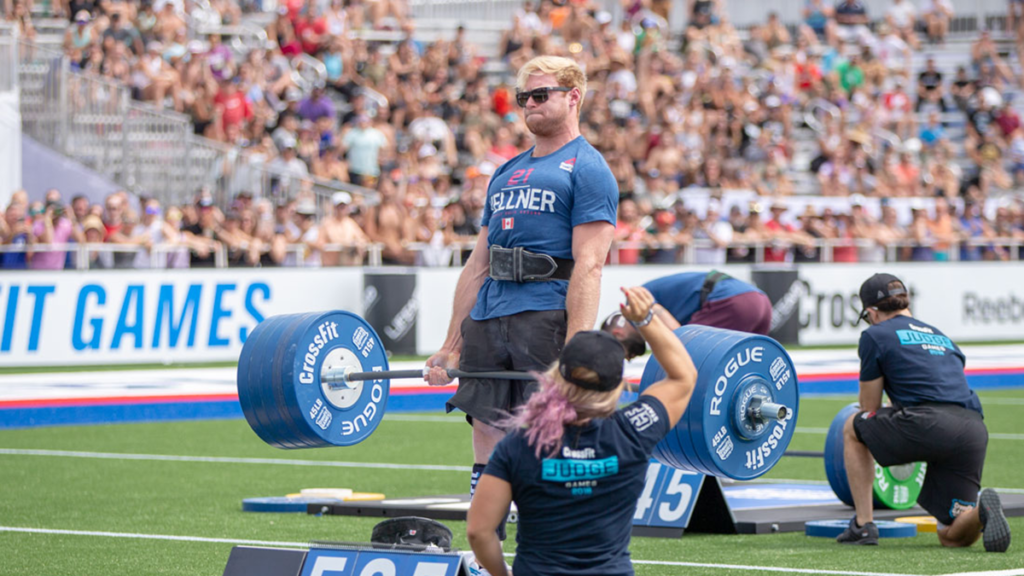
In the context of resistance training, heavy weights are typically defined as weights that challenge an individual to the extent that completing more than 1-6 repetitions per set becomes exceedingly difficult.
This definition is somewhat subjective, as what constitutes “heavy” can vary significantly from one person to another, depending on their strength, training history, and physical condition. However, the common thread is the intensity of effort required to lift the weight, which should be near maximal for the specified range of repetitions.
Benefits of Using Heavy Weights
Increased Muscle Strength: One of the most significant benefits of lifting heavy weights is the substantial increase in muscle strength. Heavy resistance training stimulates the recruitment of large motor units and their associated muscle fibers, especially those with a high threshold for activation, which are critical for generating force.
Enhanced Neuromuscular Adaptations: Heavy lifting improves neuromuscular efficiency, meaning the nervous system’s ability to effectively and efficiently recruit muscle fibers is enhanced. This improvement is due to both neurological adaptations, such as increased firing rate of motor neurons, and structural changes within the muscle that facilitate stronger and more coordinated muscle contractions.
Greater Increases in Muscle Size Primarily Through Mechanical Tension: Mechanical tension, as previously mentioned, is a pivotal mechanism in muscle hypertrophy. Lifting heavy weights maximizes mechanical tension across the muscle fibers, leading to more significant muscle growth. This tension, combined with the strain placed on muscles, prompts cellular and molecular responses conducive to muscle enlargement.
Potential Downsides
Despite the clear benefits, there are also potential downsides to heavy weights training that should be considered:
- Higher Risk of Injury: The increased loads involved in heavy lifting can elevate the risk of injury, particularly if proper form is not maintained throughout the exercises. Common injuries include strains, sprains, and, in more severe cases, joint or tendon damage.
- Increased Need for Recovery Time: Heavy resistance training places significant stress on the muscles and the central nervous system, necessitating longer recovery periods to allow for repair and growth. Insufficient recovery can lead to overtraining, impairing performance and progress.
- Possible Limitations for Beginners or Individuals with Certain Health Conditions: For those new to strength training or individuals with pre-existing health conditions, heavy weights may not be the most suitable starting point. Beginners may lack the necessary technique and muscle conditioning, increasing the risk of injury. Similarly, individuals with certain health conditions may find heavy lifting inadvisable without prior medical consultation.
In conclusion, while heavy weights training offers substantial benefits for increasing muscle strength, enhancing neuromuscular adaptations, and achieving greater muscle size, it is not without its risks. It requires a careful approach, prioritizing proper technique and allowing adequate recovery time to mitigate potential downsides.
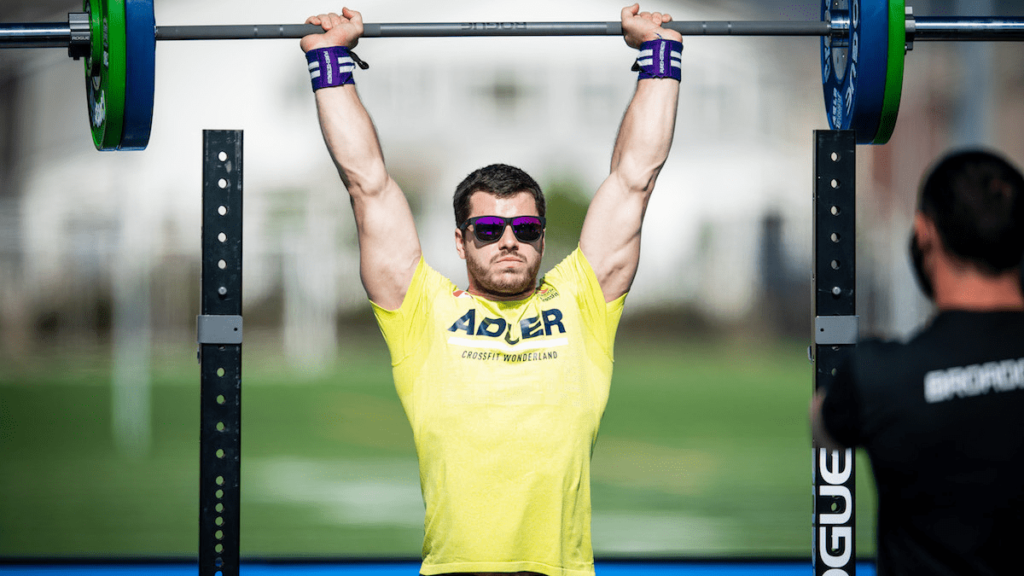
For beginners or those with health concerns, gradually increasing the intensity of training and seeking professional guidance is advisable to safely incorporate heavy lifting into their regimen.
Light Weights Training
Light weights training involves using weights that are relatively easy to lift, allowing an individual to perform a higher number of repetitions, typically in the range of 15-20 or more per set.
This approach focuses less on maximising the amount of weight lifted and more on maintaining the muscle under tension for a longer period, which can still lead to muscle growth and strength improvements.
Benefits of Using Light Weights
Lower Risk of Injury: One of the most appealing aspects of light weights training is the significantly reduced risk of injury. With lighter loads, there is less strain on muscles, joints, and tendons, which decreases the likelihood of overuse injuries or acute damage that can occur when lifting heavier weights.
More Sustainable for Long-Term Training Plans: Light weights can be more sustainable for long-term training regimes. Because they are less taxing on the body, individuals can often train more frequently and with less recovery time needed between sessions. This can be particularly beneficial for those looking to maintain a consistent exercise routine without overburdening their bodies.
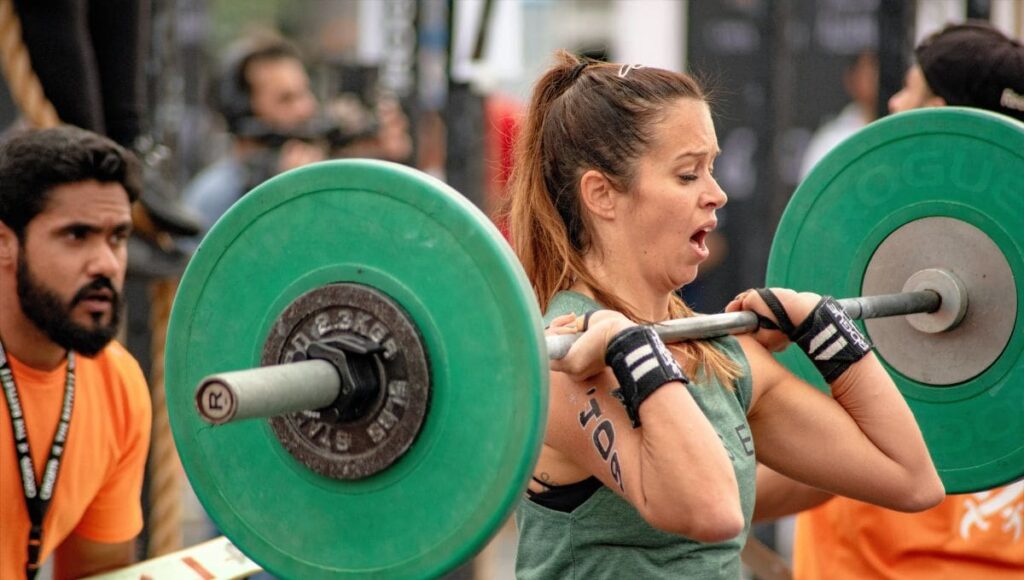
Effective in Promoting Muscle Hypertrophy Through Metabolic Stress: Despite misconceptions, light weights can be very effective in promoting muscle growth, primarily through the mechanism of metabolic stress.
Metabolic stress occurs as a result of the accumulation of by-products from anaerobic metabolism, leading to an anabolic environment conducive to muscle growth. The sustained muscle contractions and prolonged tension during high-repetition sets increase the time under tension (TUT), a key factor in muscle hypertrophy.
Potential Downsides
While light weights training offers several benefits, there are potential downsides to consider:
May Require More Time to Achieve Similar Strength Gains as Heavy Weights: One of the main criticisms of light weights training is that it may take longer to achieve comparable strength gains to those obtained through lifting heavier weights. This is because heavy weights more directly stimulate the neural adaptations necessary for significant increases in strength.
The Perception That It’s Less Effective for Muscle Gain: There is a common perception that light weights training is less effective for muscle gain compared to heavy weights training. This belief can sometimes deter individuals from incorporating light weights into their training regimen, despite evidence suggesting that when performed with sufficient intensity and volume, light weights can indeed lead to significant muscle growth.
In summary, light weights training offers a viable and effective option for those seeking to improve muscle tone, endurance, and hypertrophy without the higher risks associated with heavy lifting. It is particularly suitable for beginners, those recovering from injury, or individuals looking for a sustainable training approach that minimises the risk of overtraining and injury. However, it’s important to challenge the muscles sufficiently with high repetitions and to progressively overload them over time to ensure continuous improvement and gains in muscle size and strength.
Practical Considerations for Faster Muscle Gain
When embarking on a journey to achieve faster muscle gain, the decision to incorporate light or heavy weights into your training regimen should be informed by several practical considerations. Understanding these factors can help tailor a program that not only maximises muscle growth but also aligns with your capabilities, goals, and resources.
Individual Fitness Level and Experience
One’s current fitness level and experience with resistance training are crucial in determining the appropriate starting point for weight selection. Beginners might benefit more from starting with lighter weights to focus on mastering technique, building foundational strength, and gradually acclimating the body to the stress of weightlifting.

Conversely, those with more experience and a higher level of baseline strength may find heavy weights more beneficial for pushing their limits and achieving further gains in muscle size and strength.
Specific Training Goals
The specificity of your training goals plays a significant role in deciding whether light or heavy weights will be more effective:
- Muscle Endurance: If the goal is to improve muscle endurance, light weights with higher repetitions are generally more effective. This approach enhances the muscle’s ability to perform over extended periods without fatigue.
- Muscle Size (Hypertrophy): Both light and heavy weights can contribute to muscle hypertrophy, but the approach may differ. Heavy weights with fewer reps can maximize mechanical tension, a key driver of muscle growth, while light weights with higher reps can induce metabolic stress, another pathway to hypertrophy.
- Strength: To increase strength, heavy weights that challenge your muscles within the 1-6 rep range are most effective. This method improves neural adaptations and recruits fast-twitch muscle fibers, which are essential for generating force.
Availability of Equipment
The equipment at your disposal can also influence your choice between light and heavy weights. Not everyone has access to a fully equipped gym with a wide range of weight options. Home exercisers, in particular, might find it more feasible to use lighter weights and increase the number of repetitions to achieve a challenging workout. Creativity in exercise selection and utilisation of bodyweight exercises can also complement limited equipment options.
Personal Preferences and Sustainability of the Training Regimen
Ultimately, the sustainability of your training regimen is key to long-term success and muscle gains. This means considering your personal preferences in exercise selection and training style. If you enjoy your workouts, you are far more likely to stick with them consistently. For some, the satisfaction of lifting heavy and achieving personal bests is motivating.
For others, the less intimidating and more varied routines achievable with lighter weights might be more appealing.
Incorporating both light and heavy weights into your training plan can offer a balanced approach, allowing you to exploit the benefits of each method while keeping your workouts engaging and adaptable to your evolving fitness journey. Listening to your body and being willing to adjust your training approach based on progress and preferences is crucial for achieving faster muscle gains and maintaining a healthy, enjoyable fitness routine.
Integrating Light and Heavy Weights into a Training Program
Achieving optimal muscle gain requires a well-rounded approach to resistance training that incorporates both light and heavy weights.
This integration allows individuals to exploit the unique benefits of each weight category, promoting muscle growth, strength, and endurance. Below are strategies for effectively combining light and heavy weights into your workout routine, along with examples of periodization models and training splits that facilitate this approach.
Strategies for Incorporation
Alternate Between Light and Heavy Days: One straightforward method is to alternate workout days between lifting heavy weights (aiming for 1-6 reps per set) and light weights (aiming for 15-20+ reps per set). This alternating schedule allows for targeting different muscle fibers and mechanisms of growth while providing adequate recovery for each type of stress.
10 Best Exercises to Lose Fat At Home
10 Rules to Never Have Belly Fat Again
Use Periodization: Periodization involves systematically planning your training program in cycles. Each cycle focuses on different goals, such as strength, hypertrophy, or endurance, by varying the weight lifted and the number of repetitions.

For example, you might spend a few weeks focusing on heavy weights and low reps to build strength, then switch to a phase of lighter weights and higher reps to focus on endurance and muscle definition.
Incorporate Supersets or Drop Sets: Supersets involve performing two exercises back-to-back with minimal rest, typically one with a heavier weight at a lower rep range followed by one with a lighter weight at a higher rep range.
Drop sets involve starting with a heavier weight until fatigue, then dropping to a lighter weight and continuing to lift for more reps. Both methods allow for the benefits of heavy and light lifting within a single workout session.
Employ Compound and Isolation Movements: Use heavy weights for compound movements (e.g., squats, deadlifts, bench presses) that target multiple muscle groups simultaneously, focusing on building overall strength and size.
How to Reduce Hunger While Dieting
Light weights can be more effective for isolation exercises (e.g., bicep curls, tricep extensions), which target specific muscles and benefit from higher repetitions.
Periodization Models and Training Splits
Linear Periodization: This model gradually increases the weight and decreases the reps over time, transitioning from a focus on endurance (light weights, high reps) to a focus on strength (heavy weights, low reps). After reaching the peak of heavy lifting, the cycle restarts with lighter weights again.
Non-linear/Undulating Periodization: This model varies the focus on a weekly or even daily basis, alternating between periods of lifting heavy weights for fewer reps and light weights for more reps. Such variability can prevent plateaus and maintain interest in the training program.
Push/Pull/Legs Split: Incorporate heavy and light days within a push/pull/legs split, allocating specific days to push exercises (chest, shoulders, triceps), pull exercises (back, biceps), and legs. This split allows for focused training on different muscle groups, making it easier to adjust the intensity and weight according to the day’s goal.
Listening to Your Body
Crucially, while structured training programs are invaluable, listening to your body and being willing to adjust your approach based on how you feel is paramount. If you’re experiencing undue fatigue or strain, it may be time to switch from heavy to lighter weights, or vice versa, to allow for adequate recovery and growth. The objective is to challenge your muscles consistently but not to the point of overtraining or injury.
By integrating light and heavy weights into your training regimen and adapting your approach based on personal progress and feedback from your body, you can achieve a balanced, effective, and sustainable path to muscle gain.
Conclusion
This article has explored the ongoing debate in the fitness community regarding the efficacy of light versus heavy weights for achieving faster muscle gain. We’ve delved into the mechanisms behind muscle hypertrophy, highlighting how both mechanical tension from heavy weights and metabolic stress from light weights contribute to muscle growth.
The discussion underscored that heavy weights tend to promote significant increases in muscle strength and size through enhanced neuromuscular adaptations, while light weights offer a safer, more sustainable approach to training with a focus on muscle endurance and definition.
Key considerations when choosing between light and heavy weights include an individual’s fitness level, specific training goals, availability of equipment, and personal preferences. We’ve also presented strategies for integrating both light and heavy weights into a training program to harness the unique benefits of each approach, suggesting periodization models and training splits that allow for variability and progression.
The takeaway from our exploration is clear: both light and heavy weights have their place in a well-rounded resistance training regimen, and the most effective approach depends on a variety of factors. Rather than adhering strictly to one method, experimenting with both light and heavy weights can provide a comprehensive stimulus to the muscles, leading to enhanced growth and development.
We encourage readers to not only experiment with both approaches but also to listen to their bodies and adjust their training as needed. Finding what works best for you, potentially under the guidance of a fitness professional, can lead to more personalized and effective outcomes. Whether your goal is to build muscle, increase strength, or improve endurance, incorporating a mix of light and heavy weights can be a key component of your training success.