Lower body push exercises are essential for building strong, powerful legs.
If your workouts leave you guessing which squat variation is best, or if your knees ache every time you lunge, you’re not alone in feeling frustrated. Many lifters struggle to pick the right exercises for their goals, skill level, and equipment. Without a clear plan, results stall, and joint pain creeps in.
In this article, you will learn:
- Best exercises for quads, glutes, and strength development
- How to choose exercises by skill and equipment level
- Key technique tips to maximize gains and reduce injury risk
We’ll break down what makes each movement effective and how to program them for steady progress.
What Are Lower Body Push Exercises?
Lower body push exercises are movements where you extend your knees and hips to drive weight or your body upward or forward. Think of squats, lunges, and leg presses, or just about any exercise where you’re pushing through your feet to stand up or move.

These movements target your quads, glutes, and hamstrings. The quadriceps are the main movers when you straighten your knees. The glutes power hip extension. The hamstrings assist in stability and movement control, especially when the hips and knees move together.
In strength training, exercises are often grouped into “push” and “pull” categories. Push exercises involve force against the ground to lift or move a load like squatting up from a chair. Pull exercises typically involve hip hinges or curling actions, like deadlifts or hamstring curls. Together, push and pull movements create a balanced lower-body training plan.
While a wide variety of movements can fall into the “push” category, certain exercises stand out for their effectiveness. For a targeted list of 5 lower body push exercises for better strength and muscle gains, consider incorporating those with proven EMG data and structural benefits. These can jumpstart gains in both strength and hypertrophy.
So, why do lower body push exercises matter so much?
They improve athletic performance by increasing leg strength and power. They help build muscle mass in the thighs and hips. And they support everyday movements like getting up from the floor, climbing stairs, or lifting heavy objects without straining your back.
[wpcode id=”229888″]Training these movements also builds stability in the knees and hips. That reduces injury risk, especially when form and technique are dialed in. If your goal is muscle growth, fat loss, or simply moving better, lower body push exercises should be a staple in your plan.
Best Lower Body Push Exercises by Training Level
No two lifters start at the same point. That’s why the best lower body push exercises depend on your experience, strength, and control.

Beginner Exercises
Start with bodyweight and light resistance to master technique and build coordination.
- Air squats teach basic squat mechanics, such as feet shoulder-width, chest up, and hips back.
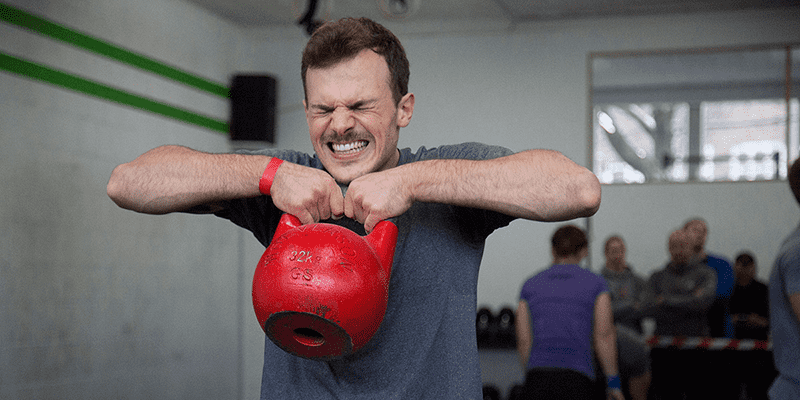
- Goblet squats add load using a dumbbell or kettlebell held at the chest, which helps reinforce posture and knee alignment.
- Wall sits are great for building endurance in the quads through static holds.
- Assisted split squats or static lunges build single-leg strength while improving balance and control. Use TRX straps or a chair for support.
For beginners, 2–4 sets of 8–12 reps is a solid place to start. Focus on movement quality, not heavy weights.
Intermediate Exercises
Once your form is stable, it’s time to load up and introduce more complex movements.
- Back squats allow for heavier weight and full-body tension. Choose between high-bar and low-bar positions.
- Front squats shift the load forward and emphasize the quads.
- Walking and reverse lunges train each leg separately, which also increases glute and hamstring involvement. To decide whether squats or lunges are better lower body exercise, consider factors like joint stress, mobility demands, and training goals. Both have advantages and understanding their differences can help shape smarter programming.
- Leg press machines let you load the quads heavily while reducing back strain. Foot position can be adjusted to target specific muscles.
These moves challenge your stability, coordination, and strength. Intermediate lifters benefit from training in a variety of rep ranges, from 6 to 12 reps, depending on the goal.
Advanced Exercises
Advanced athletes need higher intensity and greater complexity.
- Heavy barbell squats (including low-bar or safety-bar squats) demand full-body strength and technique.
- Bulgarian split squats load each leg separately while demanding balance and hip strength.
- Pistol squats require control, flexibility, and unilateral leg strength.
- Jump squats and explosive lunges train power and speed, adding an athletic edge.
These exercises challenge even seasoned lifters. Programming often involves lower reps (3–6), higher loads, and more sets (4–6).
Progressing Between Levels
Progression isn’t just about adding weight. It’s about moving from simple to complex, stable to unstable, and bilateral to unilateral.
Start with bodyweight to learn patterns. Once the form is consistent, add light weights like a goblet squat. From there, move to barbells or machines to increase the load. Add single-leg work to improve balance and address strength imbalances.
Programs that layer complexity over time work best. You can also explore the science-based lower body workout for quad and hamstring growth for structured examples on progression, periodization, and muscle targeting strategies.
A well-structured plan blends levels. Even advanced lifters benefit from revisiting basic movements for warm-ups or high-rep finishers. What matters most is that your exercise selection matches your ability, goal, and recovery capacity.
Bodyweight vs Gym-Based Lower Body Pushes
Bodyweight and gym-based lower body push exercises both build strength, but each has its place.

Bodyweight Benefits
Bodyweight exercises are ideal for beginners or anyone training at home. Movements like air squats, lunges, and step-ups teach coordination and proper alignment without the stress of an external load.
If you’re curious about the benefits of doing lunges, they extend beyond muscle building. Lunges also enhance balance, joint stability, and even core activation. This makes them a smart addition for all training levels.
Bodyweight exercises are also easy to modify. Just add a pause at the bottom or elevate your feet to increase difficulty.
The downside?
Progress is limited once you’ve mastered the movement. Without added resistance, muscle growth and strength gains plateau.
Gym-Based Options – Machines and Free Weights
Free weights like barbells, dumbbells, and kettlebells let you increase the load and engage stabilizer muscles (1). Squats, goblet squats, and weighted lunges fall into this category. These exercises build serious strength but require solid form and core control.
Machines like the leg press or hack squat support your back and guide the range of motion. They allow heavier loading without taxing balance or spinal stability. This makes them ideal for isolating the quads and glutes, or for people returning from injury.
The trade-off with machines is reduced core activation and limited carryover to real-world movement.
How to Progress
Progressing from bodyweight to loaded movements should be gradual. First, increase the range of motion and tempo. Then, add external weight using dumbbells or kettlebells. When form holds under load, move to barbells or unilateral variations.
For example:
- Start with air squats
- Progress to goblet squats
- Move to barbell front or back squats
- Add lunges, split squats, or leg press for variety and overload
A solid program rotates between these types of exercises. Use bodyweight for warm-ups, machines for isolation, and free weights for maximal strength.
Key Technique Tips for Core Exercises
Mastering the form on lower body push exercises makes the difference between building muscle and getting sidelined with joint pain. Here’s how to dial in the technique on the most effective movements.
Barbell Squats (Back and Front)
Start with your feet shoulder-width apart, toes angled slightly out. For a back squat, rest the bar on your upper traps (high-bar) or just below them (low-bar). For front squats, place the bar on your front delts, elbows high, and chest lifted.
Brace your core and lower by bending at the hips and knees together. Keep your chest up and back neutral. Descend until your hips are at least level with your knees, and even deeper if mobility allows. Drive up through your mid-foot and heels.
Key cues: chest up, knees track with toes, don’t let knees cave inward.
Front squats need a more upright torso and place more load on the quads. Back squats allow heavier weights but demand more hip and low-back strength.
Lunges – Forward vs. Reverse
For a forward lunge, step out and lower until both knees are at 90 degrees. Keep your front knee above your ankle. Push through the front heel to return.
Reverse lunges step backward instead. These reduce stress on the front knee and are often better for people with knee sensitivity.
Keep your torso upright and core tight during both. Forward lunges hit the quads harder and load the knees more. Reverse lunges emphasize hip control and balance while being gentler on the joints.
Bulgarian Split Squats
Set up by placing one foot behind you on a bench. Stand tall, then drop your back knee toward the ground. The front knee should stay stacked over the ankle, not too far forward.
A slight forward lean in the torso is okay and helps engage the glutes more. Lower slowly and press up through the front heel.
To progress, add dumbbells or a barbell. You can also elevate the front foot for more range. This movement builds strength and stability while reducing stress on the front knee.
Leg Press
Sit back into the machine with feet flat on the plate. Start with feet shoulder-width apart and knees at roughly 90 degrees. As you press the platform away, don’t lock your knees at the top.
Where you place your feet changes the focus:
- Higher on the plate targets more glutes and hamstrings
- Lower hits the quads harder
- Narrow stance focuses on the quads
- Wider stance brings in the glutes and adductors
Control the descent. Avoid rounding your lower back. Stop before your hips lift off the pad or your knees collapse inward.
Programming for Strength, Size & Progression
You can have perfect form and the right exercises, but if your program isn’t structured well, results will stall. The right sets, reps, and rest periods depend on your goal.
Strength vs Hypertrophy
For strength, focus on low reps and heavy weight.
- Reps: 3 to 6
- Sets: 3 to 5
- Rest: 2 to 4 minutes
Use around 80% to 95% of your 1-rep max. This builds raw force and improves your ability to move heavy loads.
For optimal hypertrophy (muscle growth), go for moderate weight and higher volume (2).
- Reps: 6 to 12
- Sets: 3 to 6
- Rest: 1 to 2 minutes
This approach builds muscle size by increasing time under tension and overall training volume.
Both methods work, but your primary goal should drive how you structure each workout.
Training Frequency
Beginners do well with 2 to 3 lower-body sessions per week. Focus on full-body patterns and consistent practice.
Intermediate lifters can train 3 to 4 times per week, splitting sessions between heavy and moderate days.
Advanced athletes may handle 4 to 5 lower-body sessions weekly, but only if recovery is solid and volume is well-managed.
Spacing sessions 48 hours apart helps with recovery, especially after high-load work (3).
How to Progress
Progressive overload is key (4). Once your reps feel easy, it’s time to change something. You can:
- Increase weight by 5–10%
- Add more reps to each set
- Add another set
- Slow down the tempo for more time under tension
- Shorten rest periods for hypertrophy
For example, if you’re doing 3 sets of 10 goblet squats and they feel easy, go to 12 reps. Still easy? Use a heavier dumbbell.
Track your lifts week to week. Look for small but steady improvements.
The best program is one you can stick with and one that keeps nudging your body to adapt.
Exercise Comparisons & EMG Insights
Different lower body push exercises hit your muscles and joints in unique ways. Knowing how they compare can help you choose the right movement for your goals.
Squat vs. Leg Press
Both exercises train your quads and glutes, but in different ways.
Squats engage more stabilizer muscles like your core and lower back because you’re supporting the load yourself. They demand balance, coordination, and full-body control.
Leg presses allow heavier loading without stressing your spine. The back is supported, so you can focus purely on leg drive. EMG studies show high quadriceps activation, especially in deep ranges.
Choose squats for full-body strength and athletic carryover. Use the leg press for muscle isolation or when back fatigue is a concern.
Front Squat vs. Back Squat
Front squats require an upright torso and hit the quads harder. They reduce spinal stress and improve posture under load.
Back squats allow heavier loads and shift more demand to the glutes and lower back. They’re great for total strength but need more hip mobility.
If your goal is quad growth with lower back relief, go front. For overall leg power, back squats still reign.
Unilateral vs. Bilateral
Unilateral moves like lunges and Bulgarian split squats challenge balance and target each leg individually. They also reduce spinal load and help fix imbalances.
Bilateral moves like squats allow for heavier weights and full-body tension.
If joint stress is an issue, or you want to even out leg strength, lean into unilateral work. If you’re chasing max strength, you’ll need bilateral lifts in the mix.
Conclusion
Lower body push exercises create a foundation for strength, stability, and long-term progress.
You’ve learned how different exercises target key muscles like the quads and glutes, how to match movements to your skill and equipment level, and how to train with proper form to protect your joints. The best programs rotate between bodyweight, machine, and free-weight variations to keep your body adapting and balanced.
A small but powerful adjustment? Track not just your weights or reps, but also how each movement feels. Subtle shifts in tempo or stance can unlock new growth without adding load.
Now that your push game is dialed in, it’s time to think bigger. A balanced lower body also needs pull exercises like deadlifts and hip thrusts, or you risk strength gaps and overuse issues. You could also explore full-leg day templates to bring everything together in one effective session.
References:
- Haugen ME, Vårvik FT, Larsen S, Haugen AS, van den Tillaar R, Bjørnsen T. Effect of free-weight vs. machine-based strength training on maximal strength, hypertrophy and jump performance – a systematic review and meta-analysis. BMC Sports Sci Med Rehabil. 2023;15(1):103. Published 2023 Aug 15. doi:10.1186/s13102-023-00713-4
- Krzysztofik M, Wilk M, Wojdała G, Gołaś A. Maximizing Muscle Hypertrophy: A Systematic Review of Advanced Resistance Training Techniques and Methods. Int J Environ Res Public Health. 2019;16(24):4897. Published 2019 Dec 4. doi:10.3390/ijerph16244897
- Monteiro ER, Vingren JL, Corrêa Neto VG, Neves EB, Steele J, Novaes JS. Effects of Different Between Test Rest Intervals in Reproducibility of the 10-Repetition Maximum Load Test: A Pilot Study with Recreationally Resistance Trained Men. Int J Exerc Sci. 2019;12(4):932-940. Published 2019 Aug 1. doi:10.70252/RYPO6126
- Chaves TS, Scarpelli MC, Bergamasco JGA, et al. Effects of Resistance Training Overload Progression Protocols on Strength and Muscle Mass. Int J Sports Med. 2024;45(7):504-510. doi:10.1055/a-2256-5857