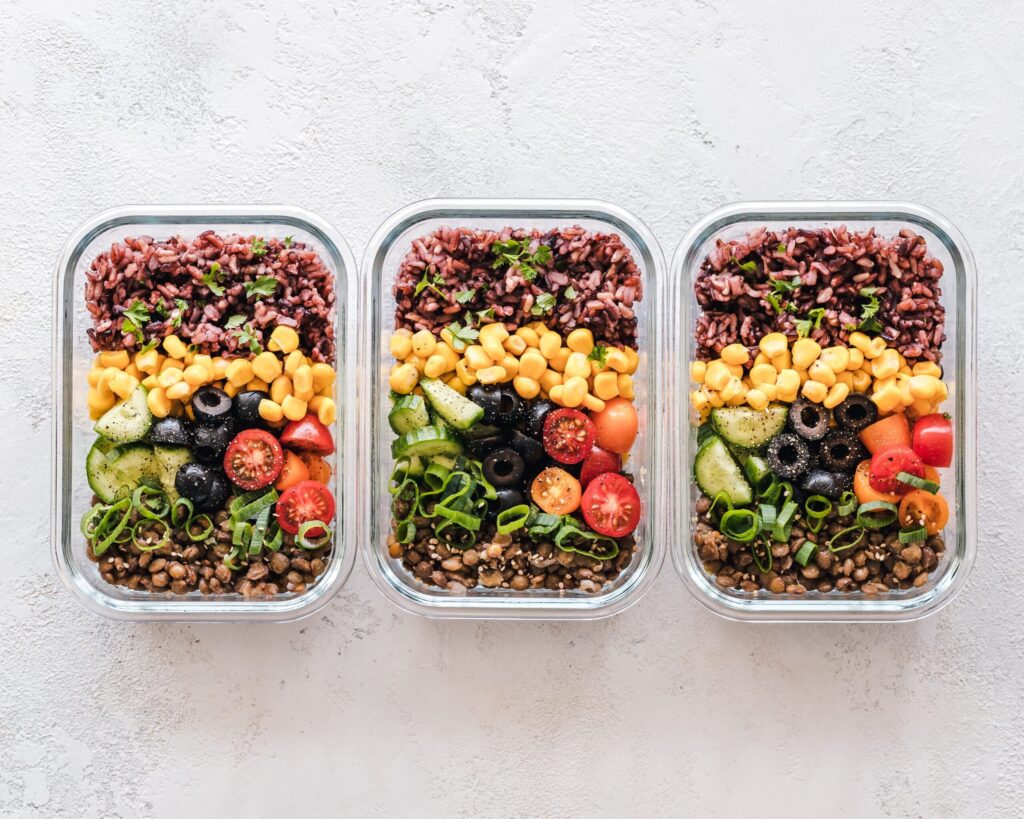
Cooking takes a lot of time, and that’s the most common reason people do not eat nutritious foods daily. Meal prep is a lifesaver, so here are all the best meal-planning hacks for busy people who want to eat healthy!
Theme Weeks
Theme weeks for meal prepping are the most fun you can have with this task, as it is both exciting and efficient! By focusing on a peculiar cuisine or type of food each week, you can streamline grocery shopping and reduce food waste. Here are some practical examples!
Italian week is tasty and simple, especially if you choose meals with overlapping ingredients. Pre-cook pasta and store it with a tad of olive oil to prevent sticking. Prepare a batch of marinara to use for pasta, pizza, and lasagna, and make chicken to use in different dishes – salads and sandwiches.
Monday: Pasta with Marinara Sauce
Tuesday: Chicken Sandwich in Garlic Bread
Wednesday: Chicken Parmesan with Garlic Bread
Thursday: Pizza
Friday: Minestrone Soup
Saturday: Lasagna
Sunday: Risotto

Related: Why Carbs Are NOT Your Enemy (For Fat Loss or Muscle Growth)
Follow the same trick with Mexican week: Prepare a big batch of seasoned protein, such as beef, chicken, or beans, and make salsa, guacamole, and tortillas to incorporate into various meals.
Monday: Tacos
Tuesday: Enchiladas
Wednesday: Burrito Bowls
Thursday: Quesadillas
Friday: Fajitas
Saturday: Mexican Corn Salad
Sunday: Chiles Rellenos
For Asian week, prepare a pot of rice and store it in the fridge. Cut up vegetables and proteins to use in stir-fries. Don’t forget to dice ginger and garlic to add to sauces finely.
Monday: Stir-Fried Vegetables and Rice
Tuesday: Sushi Bowl
Wednesday: Teriyaki Chicken
Thursday: Pad Thai
Friday: Dumplings with Sauce
Saturday: Beef and Broccoli
Sunday: Fried Rice and Tofu

Comfort food is probably the easiest to store, and you can make everything ahead.
Monday: Mac and Cheese
Tuesday: Meatloaf and Mashed Potatoes
Wednesday: Chicken Pot Pie
Thursday: Grilled Cheese and Tomato Soup
Friday: Creamy Chicken Soup
Saturday: Beef Stew
Sunday: Shepherd’s Pie
If this is too big a commitment, you can start with a few simple decisions, such as Meatless Monday, Taco Tuesday, or Pasta Saturday.
Batch Cooking
Batch cooking of staple items that are easy to store is the way to go! The easiest strategy is to divide ingredients per macronutrient and choose one or two to prep in advance every week. That way, you will have a balanced meal every day, so here are a few ideas.
Proteins
Use proteins that are easy to incorporate in various dishes. Here are some suggestions:
Chicken breast or thighs. Use simple seasoning and roast, grill, or poach a large quantity of meat. You can incorporate it into salads, wraps, sandwiches, stir-fries, tacos, enchiladas, and soups.
Ground Beef or turkey. Brown the meat with onions and spices so you can include it in tacos, burritos, spaghetti bolognese, stuffed peppers, cabbage rolls, moussaka…

Beans and legumes. Cook large batches of black beans, chickpeas, lentils, peas, or anything you fancy. Use them in salads, grain bowls, soups, stews, tacos, burritos, veggie burgers or sausages, hummus, and dips.
Hard-boiled eggs are the easiest protein source to prepare. Boil a bunch of them so you can make breakfast on the go, a salad, an egg salad sandwich, or simply a snack with a sprinkle of your favorite spices.
Grains and Starches
Grains are an amazing base for any meal:
Rice. Go for any you like: white, brown, or wild. It will go perfectly with stir-fries, burrito bowls, and salads; serve it with any meats and vegetables or make sushi.
Quinoa is easy to store and will pair impeccably with salads, breakfast fruit bowls, meats, and stuffed vegetables like peppers, squash, eggplant, or zucchini.
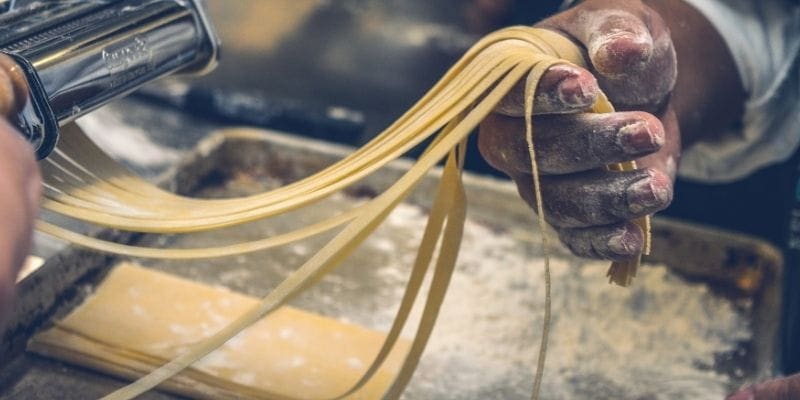
Pasta. Cook it until al dente and trickle with some olive oil so it doesn’t stick together. It is quick and ready to serve with any sauce, pasta salad, soups, or classic mac and cheese.
Vegetables
Roasted vegetables are super simple to prepare and store. You can bake various veggies together, like multicolored peppers, zucchini, carrots, Brussels sprouts, cabbage, eggplant, sweet corn… Those are amazing in salads, grain bowls, frittatas, omelets, sandwiches, wraps, or as a side dishes.
Potatoes. You can prepare them in any way you prefer – boil, roast, or bake regular or sweet potatoes. They are super adaptable, as you can add them to salads, mash them, or make breakfast hash.
Sauces and Dressings
These are superb to have on hand to serve with any ingredient you prepped in advance to skyrocket the taste.
Tomato Sauce. Simmer loads of tomatoes with herbs and spices and store the sauce in jars to incorporate it into pasta dishes, pizza, shakshuka, meatball sauce, lasagna, or casseroles.
Pesto is a flavorful and nutritious addition to pasta, sandwiches, salads, grilled meats, and fish.
Hummus is the best addition to have. Serve it as a dip with veggies and crackers, spread in sandwiches, drizzle on salad, grain bowls, or grilled meats.
How to Deal with Hunger During Intermittent Fasting
Ingredient Prep
If you don’t like making full meals ahead, ingredient prep is the best option for you. Chop up different veggies to eat fresh: salad, cucumber, tomato, pepper, and do the same with fruit like watermelon and pomegranate. Marinate different meats and prepare some meal components in advance.
This makes actual cooking faster and simpler on busy days, as you can just toss together something in a few minutes.
Simplify Recipes
Opt for recipes with fewer ingredients, so look for those with 5-10 components maximum to keep your shopping list short and prep simple. Select dishes that take about half an hour or less to cook, so instant pot is a great investment!
Canned beans, tomatoes, corn, chickpeas, peas, mushrooms, and frozen fruits and vegetables are convenient, nutritious, and have long shelf lives. Premade sauces aren’t bad at all; just buy high-quality ones. Also, pre-mixed spice blends are amazing to have on hand to season different dishes quickly without measuring multiple spices.
The biggest time savers are simplified cooking techniques, like arranging different ingredients on a single sheet pan and roasting them together. Slow cooking and stir-frying are quick and easy methods that work well for a variety of ingredients.
Plan Leftovers
Intentionally making extra servings is the simplest hack when planning meals. Cook larger quantities of proteins, grains, and veggies, so you can repurpose them into different dishes. Designate specific days of the week as “leftover days,” for instance, every other day of the week.
Choose ingredients that are easy to transform into different meals, like roasting chicken and saving some to add to salad, soup, sandwich, or casserole. The key is to mix and match various components to keep things interesting.
Use a Template
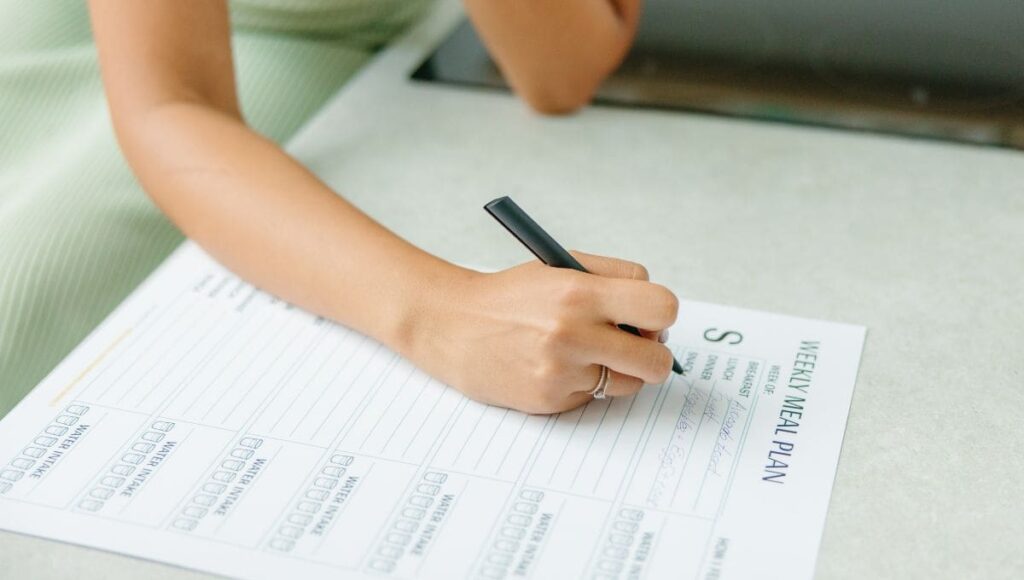
Using a meal planning template is super effective way to organize the menu for the week. This way, you will have balanced diet and more efficient grocery shopping. Here are a few tips!
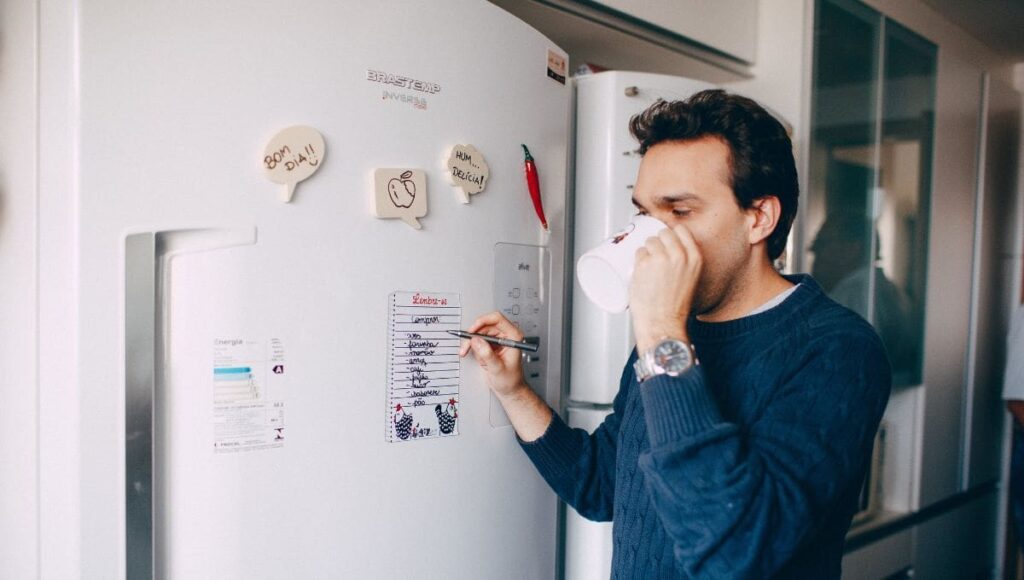
Find a template online and print it out, or create your own in Microsoft Excel, Google Sheets, or a simple notebook. Plan your every meal for each day, including snacks, as well. Make sure to include some quick meals to have on busy days.
Balanced meals are the key to eating healthier, so ensure each dish includes a variety of proteins, carbohydrates, and vegetables. In the grocery list section, list all the ingredients you’ll need to save time and avoid buying items you already have. To avoid any stress, be flexible, include family favorites, and rotate your favorite recipes to keep the plan exciting.
Meal Prep Kits
Meal prep kits are pre-portioned and measured ingredients to add directly to your recipes. Wash, peel, and chop vegetables and stock them in airtight containers or zip-lock bags. When packing meats, make sure to marinate them so they can absorb all the flavors, then place them in the fridge or freezer.
Cook grains and legumes ahead of time, but cool them before storing. Use meal-sized containers to portion out ingredients for each dish, but store them properly. For instance, make stir-fry kit by slicing bell peppers, onions broccoli, snap peas, chicken bread, or tofu.
Just toss them together into the pan and drizzle with stir-fry sauce. Do the same with salad, tacos, pasta, or overnight oats kits. Label everything and utilize quality containers!
Use Kitchen Appliances
Utilize slow cookers and instant pots because they save tons of time and money, especially when you need to make large batches. They are amazing for making soups and stews.
When cooking in a slow cooker, you will need 4-8 hours, depending on the meal. Chop vegetables and meat into uniform sizes and layer them so root veggies are at the bottom as they take longer to cook.
Also, don’t overdo it with liquid, as it doesn’t evaporate as much in the slow cooker. Here are some ideas for simple but effective slow cooker recipes: beef stew, pulled pork, chicken curry, and vegetarian chili.
The instant pot is pretty similar, though, but the cooking time is significantly shorter. You will need somewhere between 5 and 30 minutes to cook anything under pressure. Make sure never to fill the instant pot more than ⅔ full, especially for starchy food like rice ad beans.
Beans, risotto, and chicken are quick, easy, and flavorful recipes! This way, you will have different components to use in various dishes.
Read More: 9 Cooking Hacks for Healthy Meals and a Slimmer Tummy